Understanding Drone Technology: How They Work
Overview
This article explores the transformative impact of drone technology across various industries, highlighting their components, operation, and diverse applications. Readers will gain insights into how drones function, the types of payload cameras available, and the future potential of this technology, while also understanding the importance of adhering to regulations and best practices for safe usage. Prepare to discover the exciting possibilities that drones offer in today's world.
Table of Contents
- The Basics of Drone Technology
- Components of a Drone
- How Drones Work
- Flight Mechanics
- Remote Control and Autonomous Flight
- Drone Payload Cameras Explained
- Applications of Drone Technology
- The Future of Drone Technology
- Regulatory Landscape
- Best Practices for Drone Usage
- The Final Word: Embracing the Skies with Drones
Drones have transformed many industries, offering innovative solutions that enhance efficiency and productivity. From aerial photography to agriculture and delivery services, understanding how drones function is crucial to grasp their vast potential. In this article, we delve into the intricacies of drone technology, investigating their components, how they operate, and the fascinating uses of these devices. Get ready to explore the sky!
The Basics of Drone Technology
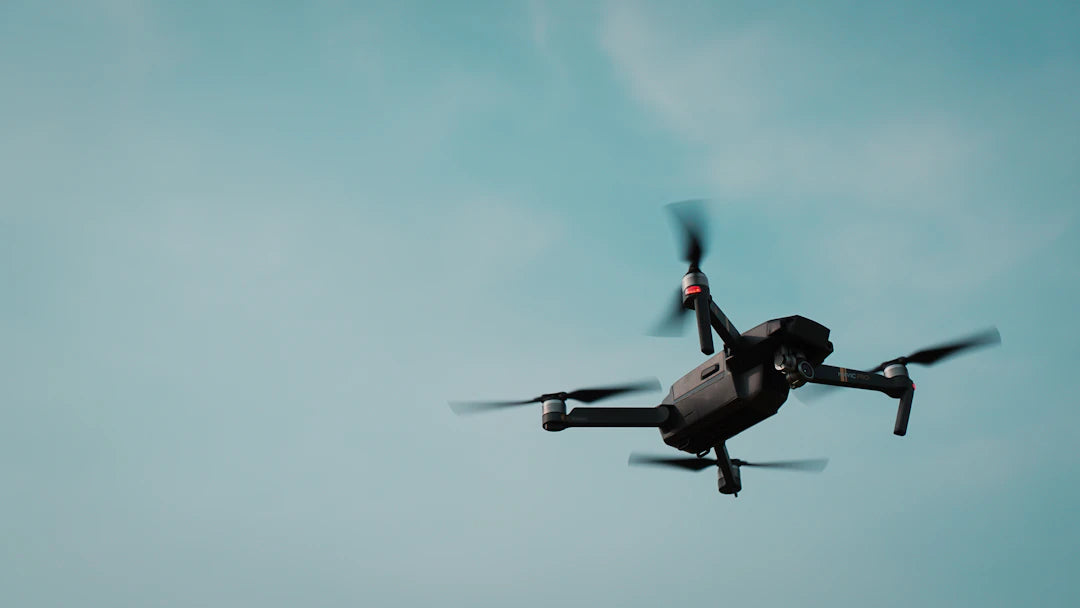
Drones, also known as unmanned aerial vehicles (UAVs), are aircraft that operate without a human pilot on board. They can be controlled remotely or fly autonomously based on pre-programmed flight plans. By understanding the components and technology behind drones, we can better appreciate their capabilities.
Components of a Drone
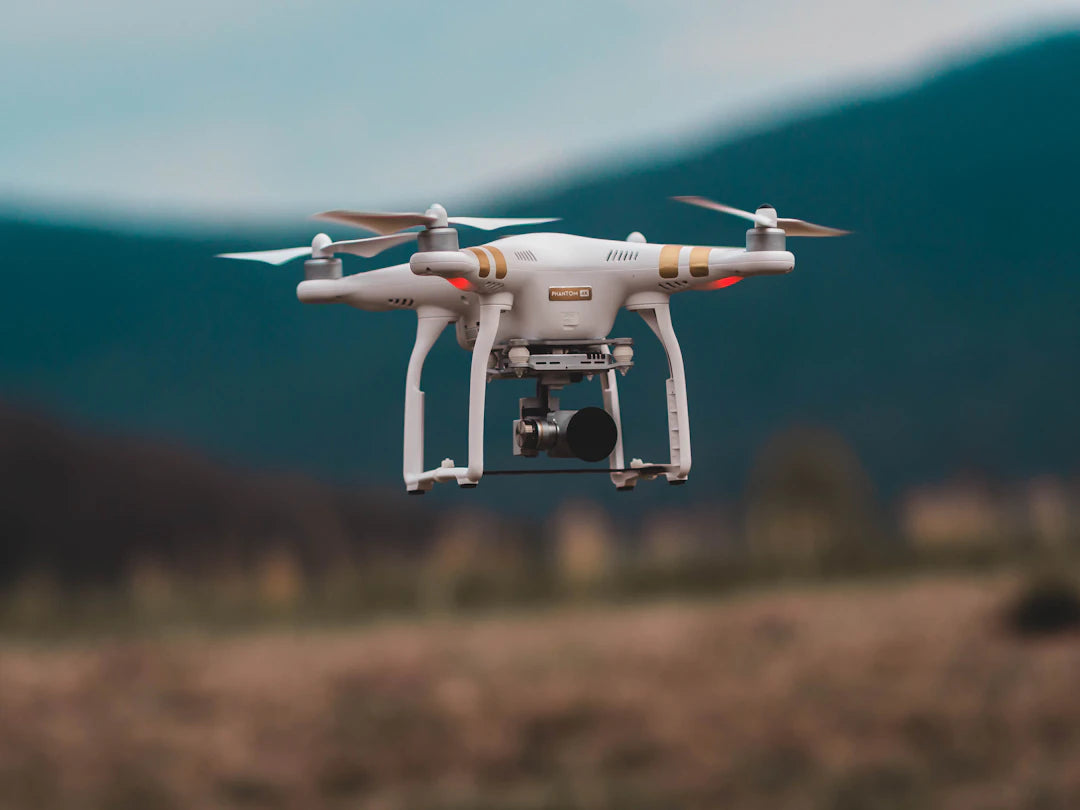
Most drones consist of the following essential components:
- Frame: The frame provides the structure of the drone and is typically made of lightweight materials like plastic or carbon fiber.
- Motors: Drones have multiple motors that power the propellers, allowing for vertical lift and maneuverability.
- Propellers: These are crucial for generating lift, allowing the drone to ascend, descend, and navigate through the air.
- Flight Controller: The brain of the drone, this component maintains stability and direction during flight.
- Battery: A drone's battery is vital for powering the motors, generally providing anywhere from 20 to 43 minutes of flight time, depending on the model.
- Navigation System: Typically equipped with GPS, this system helps the drone determine its location and navigate during its flight path.
- Payload Cameras: Drones can be equipped with various cameras, including the impressive DJI Mavic 3 Pro payload cameras, allowing for high-quality aerial photography and video.
How Drones Work
So how do these components work together? Let's break it down systematically.
Flight Mechanics
The flight mechanism of a drone relies heavily on its propellers and motors. When the motors spin the propellers at high speeds, they generate lift. The flight controller manages the speed of each motor to maintain balance and control the orientation of the drone during flight. This system allows for various movements, including takeoff, hovering, turning, and landing.
Remote Control and Autonomous Flight
Drones can be controlled using a ground control station or a remote control. These control systems allow the pilot to navigate the drone manually or set it to fly autonomously. For autonomous flight, pre-programmed flight paths can be set using GPS data, allowing the drone to execute complex maneuvers without human intervention.
Drone Payload Cameras Explained
One of the most exciting aspects of drone technology is the integration of sophisticated cameras. The DJI Mavic 3 Pro showcases how drone payload cameras can capture stunning aerial imagery. Here’s what you need to know about drone payload cameras:
| Camera Type | Key Features | |---------------------|-------------------------------------------------| | RGB Cameras | Traditional color cameras used for photography. | | Multi-Spectral Cameras | Used for agricultural assessments. | | Thermal Cameras | Detects heat emissions for various applications. | | Zoom Cameras | Enables high-resolution images from a distance. |Each type of camera serves specific purposes, from capturing breathtaking landscapes to helping farmers monitor crop health. Understanding the different types of cameras enables users to choose the right drone for their needs.
Applications of Drone Technology
Drones are used across a variety of sectors, each finding unique ways to harness their capabilities. Here are some popular applications:
- Photography and Videography: Capturing stunning aerial shots for weddings, events, or real estate.
- Agriculture: Monitoring crop health and optimizing farming methods.
- Search and Rescue: Assisting in locating missing persons or surveying disaster-stricken areas.
- Delivery Services: Facilitating the rapid transport of goods to consumers.
- Surveying and Mapping: Creating detailed topographical maps for construction and land management.
The Future of Drone Technology
As technology advances, the potential uses for drones are expected to grow exponentially. Emerging technologies like artificial intelligence (AI) and machine learning are paving the way for even smarter drones capable of making decisions and adjusting to dynamic environments. Innovations in battery technology may also extend the flight time and range of these devices, enabling longer missions and more complex applications.
Regulatory Landscape
As the demand for drone technology increases, so does the need for regulations to ensure safety and privacy. Various countries are implementing rules and guidelines to govern drone usage, compelling manufacturers to create drones that comply with safety standards. Understanding these regulations is essential for businesses and hobbyists alike, to avoid legal complications.
Best Practices for Drone Usage
To maximize the benefits of drones while ensuring safety, consider these best practices:
- Always adhere to local regulations regarding drone flights.
- Conduct regular maintenance checks on your drone to ensure optimal performance.
- Be aware of your surroundings and avoid crowded areas.
- Use drones responsibly and ethically to respect privacy concerns.
- Invest in quality payload cameras for enhanced imaging capabilities.
By following these best practices, operators can contribute to a safer and more effective integration of drone technology into society.
The Final Word: Embracing the Skies with Drones
The exploration of drone technology offers exciting insights into how they work and their vast applications. From the intricacies of their components to the possibilities they present for various industries, drones continue to revolutionize our world. As you consider tapping into this technology, whether for personal interest or professional use, continue to learn and stay informed about advancements. With the right knowledge and respect for the regulations, you can safely navigate the skies with drones and explore their countless possibilities!
Key Takeaways
- Drones, or unmanned aerial vehicles (UAVs), operate without a human pilot and can be controlled remotely or autonomously.
- Key components of drones include the frame, motors, propellers, flight controller, battery, navigation system, and payload cameras.
- The flight controller manages motor speeds for stability and control during flight, enabling maneuvers like takeoff and landing.
- Drones have diverse applications, including aerial photography, agriculture monitoring, search and rescue operations, delivery services, and surveying.
- Emerging technologies like AI and improved battery systems are expected to enhance drone capabilities and extend flight durations.
- Understanding and adhering to local regulations is crucial for safe drone operation and to avoid legal issues.
- Best practices for drone usage include regular maintenance, awareness of surroundings, and ethical operation to respect privacy.
Pros and Cons
| Advantages of Drones | Drawbacks of Drones |
|---|---|
| Enhances efficiency in various industries. | Regulatory challenges can limit usage. |
| Provides innovative solutions for aerial photography and videography. | Privacy concerns may arise with drone usage. |
| Facilitates quick delivery services, improving logistics. | Battery life can restrict flight duration. |
| Assists in agriculture by monitoring crop health. | Technical issues can lead to operational failures. |
| Capable of performing complex tasks autonomously. | Requires regular maintenance and checks to ensure safety. |
Linked Product

DJI Mavic 3 Pro Three Camera Flagship Aerial Camera DJI Mavic 3 Pro Cine HD Professional Master Edition Aerial Camera
The DJI Mavic 3 Pro features a high-resolution aerial camera with a pixel count of 18 million or above, making it suitable for professional photography. With a remarkable battery life of 43 minutes and a maximum flight altitude of over 120 meters, it allows for extended shooting opportunities. Additionally, its intelligent obstacle avoidance function enhances safety during flight, while remote control and a 7km image transmission distance provide ease of use for aerial photography enthusiasts.
View ProductWho It's For (And Not For)
Who It's For
- Aerial Photography Enthusiasts: If you're passionate about capturing stunning visuals from the sky, drones equipped with high-quality cameras are ideal for you.
- Agricultural Professionals: Those looking to monitor crop health and optimize farming methods can greatly benefit from drones with multi-spectral and thermal cameras.
- Delivery Services: Businesses seeking innovative ways to transport goods quickly and efficiently will find drones to be a valuable asset.
- Search and Rescue Teams: Drones can assist in locating missing persons and surveying disaster areas, making them essential tools for emergency responders.
- Surveyors and Map Makers: If your work involves creating detailed maps or conducting land assessments, drones can enhance your surveying capabilities.
Who It's Not For
- Casual Users: If you're only looking for a simple toy or gadget without any serious applications, drones may not meet your expectations.
- Individuals Unwilling to Learn: Those who are not interested in understanding the technology or regulations behind drone usage may struggle to use them effectively.
- People in Highly Regulated Areas: If you live in a location with strict drone regulations and restrictions, it may be challenging to operate a drone legally.
- Those Concerned About Privacy: If privacy issues are a significant concern for you, the use of drones may not align with your values or preferences.
- Budget-Conscious Buyers: High-quality drones can be expensive; if you're not ready to invest in a good model, you might want to reconsider.
Frequently Asked Questions
1. What are drones and how do they work?
2. What are the main components of a drone?
3. What are the different types of drone cameras and their uses?
4. What are some common applications of drone technology?
5. What are best practices for operating drones safely?
Glossary
| Term | Meaning |
|---|---|
| Drone | An unmanned aerial vehicle (UAV) that operates without a human pilot. |
| Flight Controller | The component that maintains stability and direction during flight. |
| Propellers | Devices that generate lift and enable movement through the air. |
| Battery | Power source for the drone, affecting flight time and performance. |
| GPS | A navigation system that helps drones determine location and flight paths. |
| Payload Camera | Cameras mounted on drones for capturing images and videos. |
| Autonomous Flight | Flight mode where the drone follows pre-programmed paths without manual control. |
| Multi-Spectral Camera | A camera used for agricultural assessments, capturing data beyond visible light. |
| Thermal Camera | A camera that detects heat emissions for various applications like search and rescue. |
| Regulations | Rules governing drone usage to ensure safety and privacy compliance. |