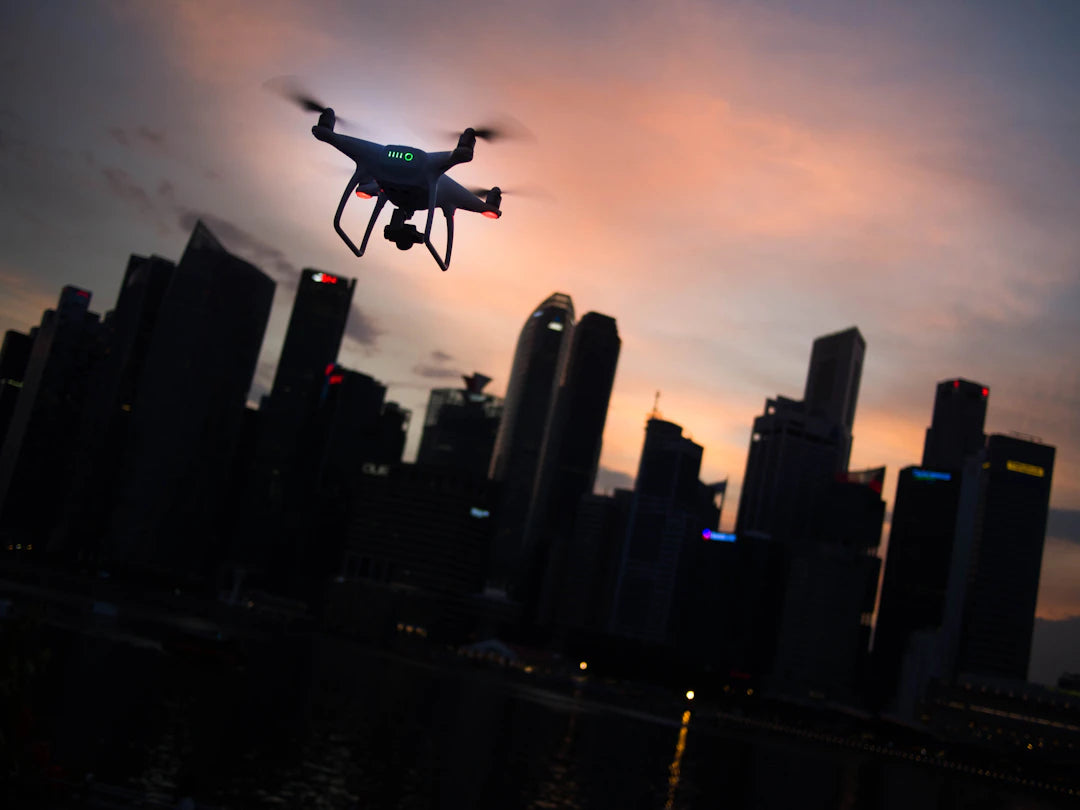
Understanding the Different Types of Drones: A Comprehensive Guide
Overview
This article serves as a comprehensive guide to understanding drones, covering their evolution, types, and advanced features. Readers will learn how to select the right drone based on their specific needs, whether for photography, inspections, or racing, while also gaining insights into safety regulations and best practices for flying. By the end, you will be better equipped to navigate the diverse drone market and make informed purchasing decisions.
Table of Contents
- The Evolution of Drones
- From Military to Civilian Use
- Types of Drones and Their Uses
- 1. Multirotor Drones
- 2. Fixed-Wing Drones
- 3. Hybrid Drones
- 4. Single-Rotor Drones
- 5. Racing Drones
- Advanced Drone Features You Should Know
- Choosing the Right Drone for Your Needs
- Assess Your Purpose
- Understanding Budget Considerations
- Research and Reviews
- Safety Regulations and Best Practices
- Know Local Regulations
- Best Practices for Flying Drones
- The Future of Drones
- Emerging Trends to Watch
- Flying into the Future
Drones have soared in popularity across various industries, revolutionizing the way we approach tasks such as photography, agriculture, and inspections. With a myriad of models available, pinpointing the perfect drone can be overwhelming. In this comprehensive guide, we will explore the different types of drones, their advanced drone features, and what to consider when searching for the best drone for roof inspection. Let’s dive in!
The Evolution of Drones
Drones, formally known as unmanned aerial vehicles (UAVs), have significantly changed since their introduction. Initially developed for military use, they are now widely adopted in commercial and recreational applications. Understanding the evolution of drones helps in grasping the diversity in today's market.
From Military to Civilian Use
The transition from military to civilian applications has led to the development of sophisticated drone technology. Early on, drones were primarily used for reconnaissance and surveillance. However, today’s drones come loaded with advanced drone features, including:
- High-definition cameras
- GPS navigation
- Obstacle avoidance systems
- Extended flight times
- Automated flight modes
Types of Drones and Their Uses
Drones can be categorized based on their design and purpose. Let’s break down the main types of drones you might encounter.
1. Multirotor Drones
Multirotor drones, the most common type among hobbyists and professionals, are characterized by multiple propellers (usually four or more). These drones offer remarkable stability and control, making them ideal for aerial photography and videography.
2. Fixed-Wing Drones
Unlike multirotors, fixed-wing drones resemble small airplanes. They can cover greater distances and have longer flight times due to their aerodynamic design. Fixed-wing drones are typically used in agricultural applications and mapping projects.
3. Hybrid Drones
Combining the features of both multirotor and fixed-wing drones, hybrid drones can take off and land vertically while also transitioning to horizontal flight. This versatility makes them suitable for various tasks, including surveying and environmental monitoring.
4. Single-Rotor Drones
This type of drone operates like a helicopter and includes a large rotor and a tail rotor for stabilization. Single-rotor drones are more efficient and can carry heavier payloads, making them ideal for professional filming and surveying.
5. Racing Drones
Designed for speed and agility, racing drones are favored in competitive racing events. These drones usually have a lightweight build and advanced features that allow for quick maneuvers, offering an exhilarating experience for pilots.
Advanced Drone Features You Should Know
Modern drones boast an array of features that enhance their functionality, making them suitable for various applications. Understanding these features can help you choose the right drone for your needs.
| Feature | Description | Benefits |
|---|---|---|
| Camera Quality | High-resolution cameras (4K and above) | Sharp, clear images and videos |
| GPS Tracking | Utilizes GPS for precise positioning | Improves navigation and geotagging |
| Flight Time | Duration drones can fly on a single battery charge | Longer flight times mean more coverage |
| Obstacle Avoidance | Uses sensors to detect and avoid obstacles | Increases safety and reduces crash risk |
| FPV (First Person View) | Live video feed from the drone’s camera | Enhanced control and immersive flying experience |
Choosing the Right Drone for Your Needs
Now that we've covered the types of drones and advanced features, it’s time to figure out how to choose the right drone for you.
Assess Your Purpose
Understanding the primary application of your drone is key.
- Photography and Videography: Look for high-quality cameras and stabilization features.
- Inspection Work: If you're searching for the best drone for roof inspection, prioritize drones with high-resolution cameras and obstacle avoidance.
- Agriculture: Choose fixed-wing drones for large areas, with multispectral cameras for precision.
- Racing: Opt for lightweight, agile racing drones with fast response times.
Understanding Budget Considerations
Setting a budget helps narrow down your choices. Drones range from modestly priced models for beginners to high-end professional units. It’s essential to balance cost with necessary features.
Research and Reviews
Before making a purchase, spend time researching different models and reading user reviews. Engaging with communities of drone enthusiasts can help you gain insights into performance and usability.
Safety Regulations and Best Practices
Operating a drone comes with its set of responsibilities. Familiarizing yourself with regulations will help ensure safe and legal flying.
Know Local Regulations
Different regions have specific laws governing drone usage. It’s crucial to know the guidelines set by the Federal Aviation Administration (FAA) in the U.S. and any local regulations. Key points include:
- Registering your drone if it weighs more than 0.55 pounds.
- Flying below 400 feet and within visual line of sight.
- Avoiding restricted areas, such as airports and crowded events.
Best Practices for Flying Drones
Adopting best practices will enhance your flying experience and contribute to drone safety:
- Conduct a pre-flight check to inspect equipment.
- Be mindful of weather conditions—avoid flying in high winds.
- Respect the privacy of others by not flying over private property without permission.
- Keep your drone within visual sight at all times.
- Stay informed about temporary flight restrictions (TFRs).
The Future of Drones
The future looks promising for the drone industry. As technology continues to advance, we can expect increased automation, higher-quality imaging, and new applications across various sectors. Innovations like drone delivery services and improved AI for navigation will likely become commonplace.
Emerging Trends to Watch
Here are trends that may shape the future of drone technology:
- AI Integration: Enhanced AI will allow drones to perform complex tasks autonomously.
- Delivery Drones: Companies are exploring drone delivery for faster shipping and logistics.
- Swarm Technology: This allows multiple drones to operate collaboratively in crowded environments.
Flying into the Future
Navigating the world of drones doesn't have to be daunting. With this comprehensive guide, you are well-equipped to understand the different types of drones, their features, and how to select the best one for your needs. As you embark on your drone journey, remember that safety, research, and a clear purpose are integral to enjoying this fascinating technology. Whether you are a hobbyist or a professional, the sky is truly the limit!
Key Takeaways
- Drones have evolved from military origins to versatile tools used in various industries, including photography, agriculture, and inspections.
- Types of drones include multirotor, fixed-wing, hybrid, single-rotor, and racing drones, each designed for specific applications.
- Key advanced features to consider when choosing a drone are camera quality, GPS tracking, flight time, obstacle avoidance, and FPV capabilities.
- Assess your purpose when selecting a drone, as different applications require different features, such as high-resolution cameras for photography or obstacle avoidance for inspections.
- Budget is crucial in your decision-making process, with options ranging from beginner models to high-end professional drones.
- Familiarize yourself with regulations to ensure safe and legal drone operation, including registration requirements and altitude restrictions.
- Stay informed on emerging trends in drone technology, such as AI integration and drone delivery services, to anticipate future developments in the industry.
Pros and Cons
| Advantages of Drones | Drawbacks of Drones |
|---|---|
| Enhanced aerial photography and videography capabilities. | High initial investment for advanced models. |
| Increased efficiency in agricultural monitoring and mapping. | Strict regulations and legal requirements for operation. |
| Advanced features like obstacle avoidance and GPS tracking improve safety. | Limited flight time due to battery life constraints. |
| Versatile applications across various industries. | Potential privacy concerns when flying over populated areas. |
| Growing community support and resources for enthusiasts. | Steep learning curve for beginners in piloting and regulations. |
Linked Product

Autel Robotics EVO II Pro 6K Rugged Bundle V3
The Autel Robotics EVO II Pro 6K Rugged Bundle V3 is designed for versatile aerial photography, featuring the Moonlight Algorithm 2.0 for improved low-light performance. With an impressive flight time of up to 40 minutes and a maximum flight speed of 45 mph, it offers reliable performance in various conditions. The Smart Controller SE enhances user experience with a built-in 6.4" OLED display and robust, all-weather capabilities, making it suitable for both professional and recreational use.
View ProductWho It's For (And Not For)
Who It's For
- Photography and Videography Enthusiasts: Those looking to capture high-quality images and videos will benefit from drones with advanced camera features and stabilization.
- Professionals in Inspection Work: Individuals needing drones for roof inspections or similar tasks should prioritize models with high-resolution cameras and obstacle avoidance systems.
- Agricultural Professionals: Farmers and agricultural experts seeking to cover large areas should consider fixed-wing drones with multispectral cameras for precision tasks.
- Drone Racing Participants: Those interested in competitive racing will find racing drones suitable for their need for speed and agility.
Who It's Not For
- Casual Users: Individuals who only want to fly a drone occasionally for fun might find the investment in advanced features unnecessary.
- Those Unwilling to Follow Regulations: If you are not prepared to adhere to local laws and safety practices, operating a drone may not be suitable for you.
- People on a Tight Budget: Those with limited funds may struggle to find a drone that meets their needs without compromising on essential features.
- Individuals Lacking Technical Knowledge: If you are not comfortable with technology or learning new systems, navigating the complexities of modern drones may be challenging.
Frequently Asked Questions
1. What are the main types of drones?
2. What features should I look for in a drone for photography and videography?
3. What considerations should I keep in mind when choosing a drone for roof inspection?
4. Are there any regulations I need to follow when operating a drone?
5. What are some emerging trends in the drone industry?
Glossary
| Term | Meaning |
|---|---|
| Drones | Unmanned aerial vehicles used for various applications. |
| UAV | Acronym for Unmanned Aerial Vehicle. |
| Multirotor Drones | Drones with multiple propellers, ideal for stability. |
| Fixed-Wing Drones | Drones resembling airplanes, suitable for long distances. |
| Hybrid Drones | Drones combining features of multirotor and fixed-wing types. |
| Obstacle Avoidance | Feature that helps drones detect and avoid obstacles. |
| FPV | First Person View; live video feed from the drone. |
| GPS Tracking | Utilizes GPS for precise location and navigation. |
| Flight Time | The duration a drone can fly on a single battery charge. |
| FAA | Federal Aviation Administration; regulates drone use in the U.S. |