Advanced Drones for Fire and Rescue Operations
Overview
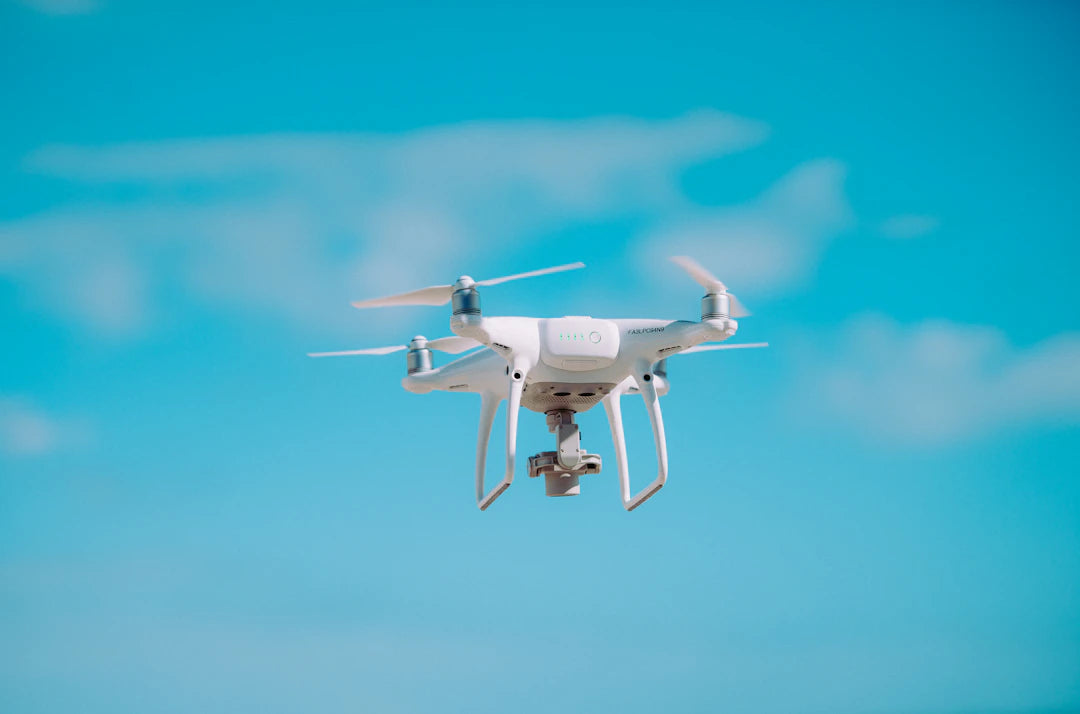
Advanced drones are crucial for fire and rescue operations, enhancing situational awareness and operational effectiveness. Key features to consider include thermal imaging, flight time, payload capacity, ease of use, and robustness. Notable models include the DJI Matrice 400 for long missions, the compact DJI Mavic 3 Thermal Advanced for quick responses, and the versatile DJI Matrice 30T series. Evaluating operational needs and drone capabilities is essential for improving emergency response and saving lives.
Table of Contents
- Key Features of Drones for Emergency Services
- Highlighted Drones for Fire and Rescue Operations
- DJI Matrice 400 Enterprise Drone
- DJI Mavic 3 Thermal Advanced (Universal Edition)
- DJI Matrice 30T M30T Complete Ready to Fly Kit
- DJI Matrice 30T M30T Enterprise Thermal Drone
- Comparative Overview
- Conclusion
- Buyer's Guide to Drones for Fire and Rescue Operations
In emergency situations, every second counts. Firefighters and rescue teams need reliable tools that can assist them in navigating challenging environments, locating victims, and assessing dangerous situations from above. Advanced drones have emerged as essential tools in the arsenal of fire and rescue services, offering capabilities that enhance situational awareness and improve operational effectiveness. In this article, we will explore some of the most innovative drones designed specifically for fire and rescue operations, highlighting their features and benefits.
Key Features of Drones for Emergency Services
When selecting drones for fire and rescue operations, there are several critical features to consider:
- Thermal Imaging: The ability to detect heat signatures is crucial for locating individuals in low-visibility conditions such as smoke or darkness.
- Flight Time: Long-endurance drones can cover larger areas and provide prolonged support during operations.
- Payload Capacity: The ability to carry additional equipment, such as cameras or sensors, can enhance operational capabilities.
- Ease of Use: User-friendly interfaces and automated features are vital for quick deployment by responders.
- Robustness: Drones designed for harsh environments must be durable and reliable to withstand extreme conditions.
Highlighted Drones for Fire and Rescue Operations
Let's delve into some of the standout drones currently available, each offering unique capabilities to assist fire and rescue teams in the field.
DJI Matrice 400 Enterprise Drone

The DJI Matrice 400 Enterprise Drone is designed for long-endurance missions, making it an ideal choice for fire and rescue operations. With its ability to stay airborne for extended periods, this drone allows teams to survey large areas quickly and efficiently. It features a robust payload capacity, accommodating various sensors and cameras, including thermal imaging systems. This versatility is crucial for locating heat sources and victims trapped in challenging environments.
DJI Mavic 3 Thermal Advanced (Universal Edition)

Another excellent option is the DJI Mavic 3 Thermal Advanced. This drone is notable for its compact design without sacrificing functionality. It includes advanced thermal imaging capabilities that enable rapid detection of hotspots and unseen dangers. Its portability makes it easy to deploy quickly, which is essential during emergencies when time is of the essence. Additionally, the high-resolution camera allows for detailed aerial photography, aiding in assessments and planning.
DJI Matrice 30T M30T Complete Ready to Fly Kit

The DJI Matrice 30T M30T Complete Ready to Fly Kit comes with everything needed for immediate deployment, including two batteries. This kit is equipped with enhanced thermal imaging capabilities and robust flight performance. Its user-friendly interface allows quick operation, ensuring that first responders can access aerial data without extensive training. The additional batteries provide extended operational time, making it a reliable asset during prolonged emergencies.
DJI Matrice 30T M30T Enterprise Thermal Drone

Lastly, the DJI Matrice 30T M30T Enterprise Thermal Drone is tailored for teams that require superior thermal imaging without the distractions of additional payload. This drone is built for resilience and enhanced functionality, focusing primarily on high-quality thermal imaging. It is ideal for fire departments needing to assess fire conditions, locate hotspots, or plan evacuations, ensuring that safety remains the top priority.
Comparative Overview
To better understand how these drones stack up against each other, here is a comparative overview of their primary features:
| Drone Model | Flight Time | Thermal Imaging | Payload Capacity | Ease of Use |
|---|---|---|---|---|
| DJI Matrice 400 | Up to 38 min | Yes | Up to 2.5 kg | Moderate |
| DJI Mavic 3 Thermal | Up to 46 min | Yes | Up to 0.9 kg | Easy |
| DJI Matrice 30T Complete Kit | Up to 41 min | Yes | Up to 2 kg | Easy |
| DJI Matrice 30T Enterprise | Up to 41 min | Yes | Up to 2 kg | Moderate |
Conclusion
Advanced drones have transformed fire and rescue operations, providing emergency responders with essential tools for improved situational awareness and response capabilities. The DJI Matrice 400 Enterprise Drone, DJI Mavic 3 Thermal Advanced, DJI Matrice 30T Complete Kit, and DJI Matrice 30T Enterprise Thermal Drone are standout options, each with unique features tailored for various emergency scenarios. By investing in these advanced drones, fire and rescue teams can enhance their operational efficiency and significantly improve the chances of saving lives.
Buyer's Guide to Drones for Fire and Rescue Operations
When considering the acquisition of drones for fire and rescue operations, it’s essential to evaluate the following criteria:
- Assess Operational Needs: Determine the specific scenarios in which the drone will be used, such as search and rescue, fire assessments, or damage evaluation.
- Evaluate Flight Capabilities: Look for drones that offer the best flight time and range to cover larger areas efficiently.
- Consider Thermal Imaging Options: Assess the quality of thermal imaging systems available and how they can assist in detecting heat sources or victims.
- Check for User Training: Ensure that the drone comes with user-friendly features and adequate training support for the responders.
- Review Maintenance and Support: Choose a manufacturer that provides excellent after-sales support and maintenance options.
By addressing these factors, organizations can make informed decisions that ultimately enhance their emergency response capabilities and contribute to saving lives. Drones are no longer a luxury but a necessity for modern fire and rescue operations.
Key Takeaways
- Thermal Imaging: Essential for detecting heat signatures in low-visibility conditions.
- Flight Time: Long-endurance drones can cover larger areas and provide extended operational support.
- Payload Capacity: Drones that can carry additional equipment enhance operational capabilities.
- Ease of Use: User-friendly interfaces allow for quick deployment during emergencies.
- Robustness: Drones must be durable to withstand harsh environments.
- Highlighted Models: The DJI Matrice 400, Mavic 3 Thermal, and Matrice 30T series offer unique features tailored for emergency services.
- Operational Needs: Assess specific scenarios to determine the best drone for fire and rescue operations.
Pros and Cons
| Advantages | Drawbacks |
|---|---|
| Enhanced situational awareness through thermal imaging. | High initial investment cost for advanced models. |
| Long flight times allow for extensive area coverage. | Requires training for effective usage and operation. |
| User-friendly interfaces enable quick deployment in emergencies. | Potential technical issues in harsh environments. |
| Robust payload capacity for carrying essential equipment. | Limited battery life may restrict prolonged operations. |
| Compact designs facilitate easy transport and rapid response. | Dependence on technology may lead to vulnerabilities. |
Who It's For (And Not For)
Who It's For
- Fire and Rescue Teams: Organizations that require advanced tools for situational awareness and victim location in emergency scenarios.
- Emergency Responders: Individuals looking for reliable, easy-to-use drones that can enhance their operational efficiency during rescues.
- Organizations with Budget: Agencies that have the financial resources to invest in high-quality drones with advanced features like thermal imaging and extended flight time.
- Training Programs: Teams that are willing to train personnel to effectively utilize drone technology in their operations.
Who It's Not For
- Small Volunteer Groups: Organizations with limited budgets that cannot afford the investment in advanced drone technology.
- Non-Emergency Services: Groups that do not operate in high-stakes environments where drones would provide significant advantages.
- Individuals Without Training: Users who lack the necessary skills or training to operate drones effectively in emergency situations.
- Low-Altitude Operations: Teams that primarily work in environments where drones are not practical or necessary for their operations.
Comparison at a Glance
| Option | Best for | Strengths | Trade-offs |
|---|---|---|---|
| DJI Matrice 400 Enterprise Drone | Long-endurance missions | Extended flight time, robust payload capacity, versatile sensor options. |
Moderate ease of use, may require training for optimal operation. |
| DJI Mavic 3 Thermal Advanced | Quick responses | Compact design, advanced thermal imaging, easy to deploy. |
Lower payload capacity compared to larger drones. |
| DJI Matrice 30T M30T Complete Ready to Fly Kit | Comprehensive operations | User-friendly interface, includes two batteries for extended use. |
Moderate payload capacity, may be less robust than specialized drones. |
| DJI Matrice 30T M30T Enterprise Thermal Drone | Superior thermal imaging | Focused on high-quality thermal capabilities, durable design. |
No additional batteries included, may limit operational time. |
Frequently Asked Questions
1. What are drones used for in fire and rescue operations?
2. What key features should be considered when selecting drones for emergency services?
3. What is the flight time of the DJI Matrice 400 Drone?
4. How does the DJI Mavic 3 Thermal Advanced differ from other drones mentioned?
5. What should organizations evaluate when acquiring drones for fire and rescue operations?
Glossary
| Term | Meaning |
|---|---|
| Thermal Imaging | Technology to detect heat signatures for locating individuals. |
| Flight Time | Duration a drone can remain airborne during operations. |
| Payload Capacity | The maximum weight a drone can carry, including equipment. |
| Ease of Use | User-friendly features for quick deployment by responders. |
| Robustness | Durability of drones in harsh environments and conditions. |
| DJI Matrice 400 | A drone designed for long-endurance missions in emergencies. |
| DJI Mavic 3 Thermal | Compact drone with advanced thermal imaging for quick responses. |
| DJI Matrice 30T | A complete kit for immediate deployment with enhanced features. |
| Emergency Services | Organizations that respond to critical situations like fires. |