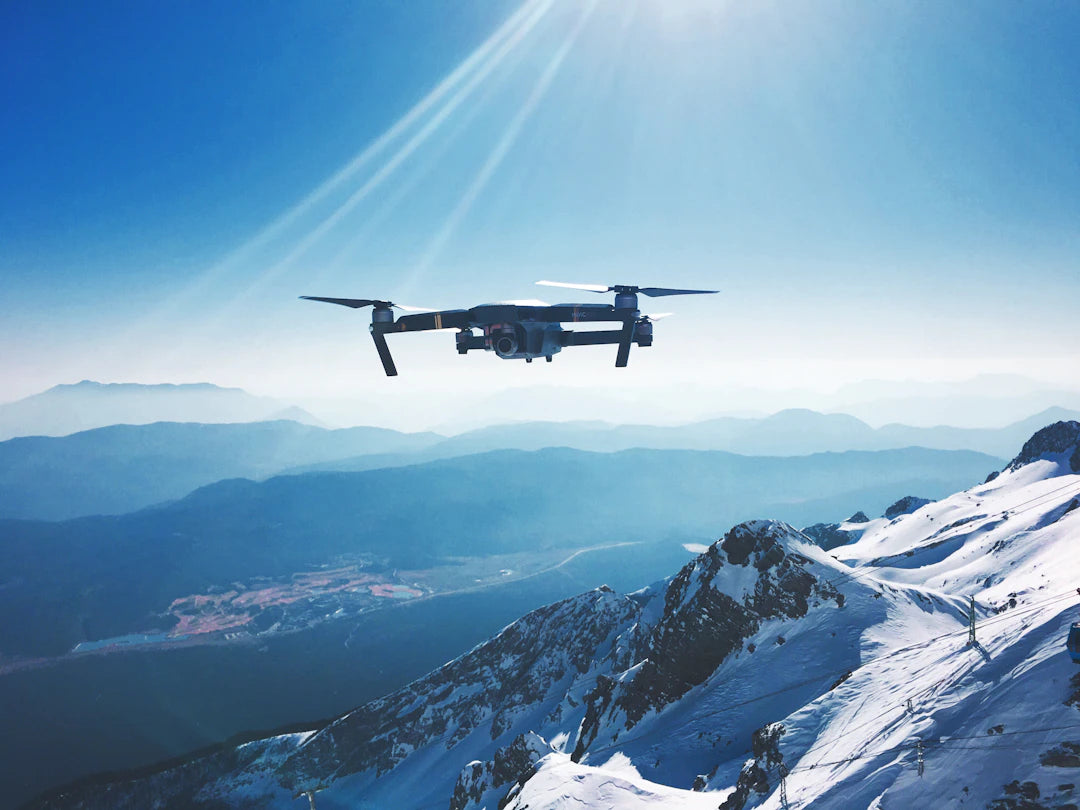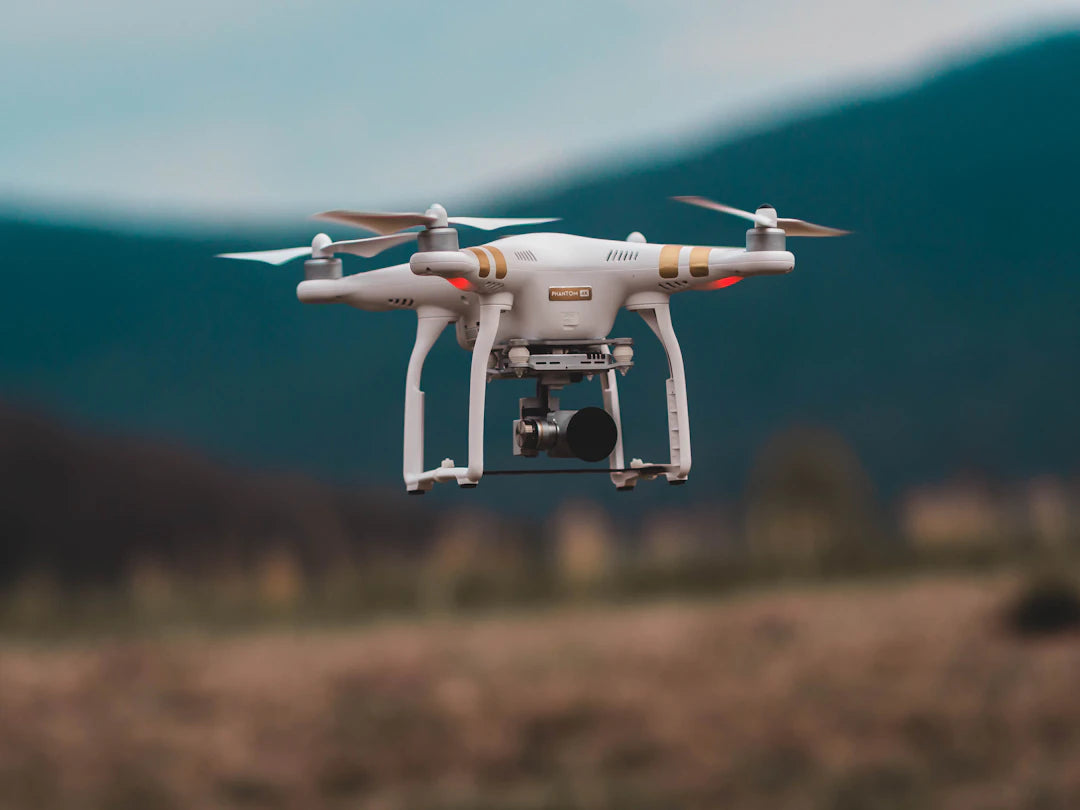
High-Resolution Drone Cameras for Professional Use
Overview
This article delves into the transformative impact of high-resolution drones in various professional fields, such as filmmaking and surveying. Readers will gain insights into key features to consider when selecting a drone, as well as an overview of some of the top models available, highlighting their unique capabilities and how they cater to specific professional needs. Ultimately, this guide aims to help professionals make informed decisions to enhance their aerial imaging and data collection efforts.
Table of Contents
Drones have revolutionized the way we capture aerial footage and collect data, especially in fields such as filmmaking, surveying, and even underwater inspections. For professionals seeking high-resolution imagery, it’s crucial to choose a drone that not only provides exceptional image quality but also offers advanced features to enhance your workflow. In this article, we will explore some of the leading high-resolution camera drones designed for professional applications, analyzing their unique features and capabilities.
Exploring the Features of High-Resolution Drones
When selecting a high-resolution drone, several features should be considered to ensure you are making the best investment for your specific needs. Here are some key factors to keep in mind:
- Camera Quality: Look for drones with high pixel counts and advanced imaging technology that can facilitate stunning visuals.
- Battery Life: Longer battery life allows for extended flight times, essential for capturing extensive footage without interruptions.
- Flight Range: A larger control distance ensures you can cover more ground without risking losing connection.
- Intelligent Features: Features such as obstacle avoidance, automated flight paths, and follow-me modes can greatly enhance operational efficiency.
- Payload Capability: If you plan to attach additional equipment or cameras, ensure the drone can handle the load.
Featured Drones for Professionals
Let’s dive into some of the top contenders in the high-resolution drone market, focusing on their standout features and how they cater to professional needs:
Antigravity A1 8K 360 Remote Control Drone - Standard Bundle

The Antigravity A1 stands out with its 8K video capability and immersive 360-degree shooting experiences, making it a fantastic option for filmmakers and content creators. This drone allows users to "fly first, frame later," meaning you can capture all angles simultaneously and choose the right shot in post-production. It includes smart features like AI-powered editing and a motion control grip for intuitive flying, making it accessible even for those without piloting skills.
DJI Mavic 3 Pro Three Camera Flagship

The DJI Mavic 3 Pro is widely regarded as a flagship in aerial imaging technology. With an impressive 18 million pixel count for photography and a maximum flight time of 43 minutes, this drone is equipped for demanding shoots. Its three-camera setup enables versatile shooting scenarios, from wide landscapes to detailed close-ups. Furthermore, its intelligent obstacle avoidance ensures safe navigation even in complex environments, making it a top choice for professional filmmakers.
DJI Mini 4 Pro

If you're seeking an entry-level drone that doesn't skimp on quality, the DJI Mini 4 Pro is a worthy contender. Designed for versatility, it features a 48 million pixel camera and can intelligently follow subjects, making it perfect for capturing dynamic scenes. With a flight time of 34 minutes and a transmission range of up to 20 kilometers, it allows for extensive exploration while producing impressive imagery.
Freefly Astro Map Drone Kit

For those in need of a robust industrial solution, the Freefly Astro Map Drone Kit is an advanced platform capable of carrying high-quality payloads like the Sony a7R IV camera. This kit is perfect for professional mapping and cinematography, having been designed to withstand high-pressure situations often faced in the industry. It offers exceptional flexibility with RTK capabilities and LTE cloud connectivity, making it a reliable choice for commercial applications.
Comparative Overview of High-Resolution Drones
| Drone | Camera Quality | Flight Time | Range | Special Features |
|---|---|---|---|---|
| Antigravity A1 | 8K 360 Video | Not specified | Not specified | AI Editing, Point to Fly |
| DJI Mavic 3 Pro | 18 MP | 43 minutes | 7 km | Three Cameras, Obstacle Avoidance |
| DJI Mini 4 Pro | 48 MP | 34 minutes | 20 km | Intelligent Follow, Compact Design |
| Freefly Astro Map | 61 MP (Sony a7R IV) | Not specified | Not specified | RTK, LTE Connectivity |
Conclusion
The landscape of high-resolution drones for professional use offers an array of options, each catering to varying needs and preferences. Whether you require the immersive capabilities of the Antigravity A1, the advanced imaging features of the DJI Mavic 3 Pro, the compact yet powerful DJI Mini 4 Pro, or the industrial-grade Freefly Astro Map, you are bound to find a drone that meets your creative and operational goals.
As technology continues to evolve, staying informed about the latest advancements in drone capabilities will ensure you remain at the forefront of your industry. Whether it’s for cinematography, surveying, or specialized commercial applications, the right drone can greatly enhance your workflow and the quality of your output.
Key Takeaways
- Camera Quality: Choose drones with high pixel counts and advanced imaging technology for stunning visuals.
- Battery Life: Look for longer battery life to capture extensive footage without interruptions.
- Flight Range: Select drones with a larger control distance to cover more ground effectively.
- Intelligent Features: Consider drones with obstacle avoidance, automated flight paths, and follow-me modes for enhanced efficiency.
- Payload Capability: Ensure the drone can handle additional equipment if needed for your projects.
- Versatile Options: Explore various models like Antigravity A1, DJI Mavic 3 Pro, DJI Mini 4 Pro, and Freefly Astro Map for different professional needs.
- Stay Informed: Keep up with technological advancements to ensure your drone meets evolving industry standards.
Pros and Cons
| Advantages of High-Resolution Drones | Drawbacks of High-Resolution Drones |
|---|---|
| Exceptional image quality with high pixel counts. | High initial investment costs for advanced models. |
| Longer battery life allows for extended flight times. | Complex features may require a learning curve. |
| Intelligent features enhance operational efficiency. | Potential regulations and restrictions on drone usage. |
| Versatile shooting capabilities for various applications. | Payload limitations may restrict additional equipment. |
| Compact designs offer portability for easy transport. | Maintenance and repair can be costly and time-consuming. |
Who It's For (And Not For)
Who It's For
- Professional Filmmakers: If you're in the filmmaking industry and require high-resolution imagery, these drones provide the advanced features needed for stunning visuals.
- Surveyors: Professionals in surveying will benefit from drones that offer long flight times and extensive range for accurate data collection.
- Content Creators: Those looking to capture dynamic scenes with high-quality footage will find suitable options among these drones.
- Industrial Applications: If you need a robust drone for commercial use, such as mapping or high-end cinematography, these models are designed to handle demanding tasks.
Who It's Not For
- Casual Hobbyists: If you're a casual user looking for a simple drone experience, these high-end models may be too complex and expensive for your needs.
- Budget-Conscious Buyers: Those with limited budgets might find these professional drones to be outside of their price range.
- Beginner Pilots: If you're new to flying drones and not ready for advanced features, you may want to start with more user-friendly options.
- Non-Professional Use: If you don't require high-resolution imagery for professional projects, investing in these drones may not be necessary.
Comparison at a Glance
| Option | Best for | Strengths | Trade-offs |
|---|---|---|---|
| Antigravity A1 8K 360 Remote Control Drone - Standard Bundle | Filmmakers and content creators | 8K video capability, immersive 360-degree shooting, AI-powered editing | No specified flight time or range |
| DJI Mavic 3 Pro Three Camera Flagship | Professional filmmakers | 18 MP camera, 43 minutes flight time, obstacle avoidance | Higher price point |
| DJI Mini 4 Pro | Entry-level users | 48 MP camera, 34 minutes flight time, intelligent follow feature | Less robust than higher-end models |
| Freefly Astro Map Drone Kit | Industrial cinematography and mapping | 61 MP camera, RTK capabilities, LTE connectivity | Complex setup, higher investment required |
Frequently Asked Questions
1. What are high-resolution drones used for?
2. What key features should I consider when selecting a high-resolution drone?
3. What makes the Antigravity A1 distinct in the high-resolution drone market?
4. How long can the DJI Mavic 3 Pro fly on a single charge?
5. Is the DJI Mini 4 Pro suitable for entry-level users?
Glossary
| Term | Meaning |
|---|---|
| Drone | A remotely operated aircraft used for capturing images or data. |
| Camera Quality | The resolution and technology used in the drone's camera for image capture. |
| Battery Life | The duration a drone can operate before needing a recharge. |
| Flight Range | The maximum distance a drone can fly from its controller. |
| Intelligent Features | Advanced capabilities like obstacle avoidance and automated flight paths. |
| Payload Capability | The weight a drone can carry, including additional equipment. |
| RTK | Real-Time Kinematic, a technology for improved positioning accuracy. |
| LTE Connectivity | Ability to connect to mobile networks for data transmission. |
| AI Editing | Automated editing features powered by artificial intelligence. |
| Obstacle Avoidance | A feature that helps the drone navigate around obstacles safely. |