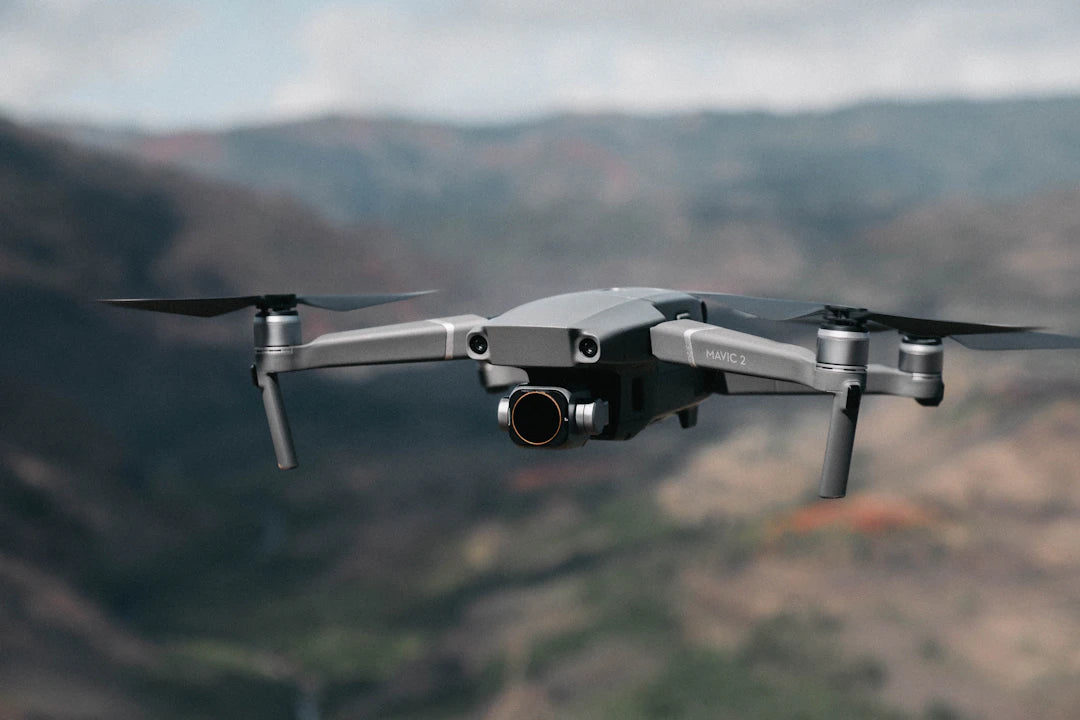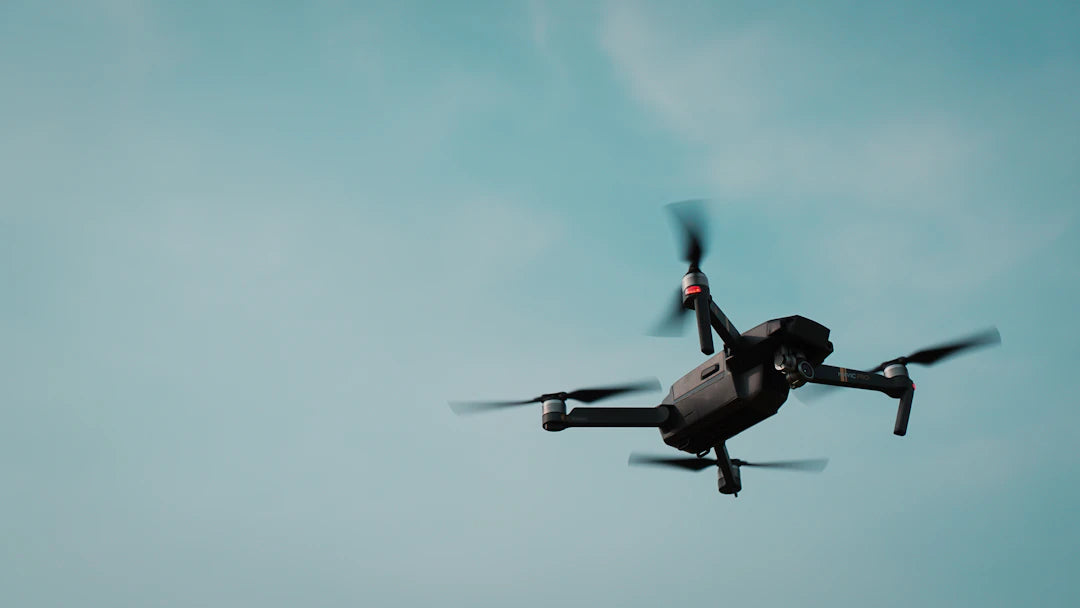
Advanced Industrial Drones for Emergency Services Operations
Overview
This article explores the advancements in drone technology specifically designed for emergency services, highlighting their critical roles in search and rescue, inspections, and environmental monitoring. Readers will learn about various top models, such as the DJI Matrice 400 and Freefly Alta X Gen2, along with their unique features that enhance operational efficiency and safety in high-stakes situations. The discussion emphasizes the importance of selecting the right drone to meet specific emergency response needs.
Table of Contents
- Understanding the Need for Advanced Drones in Emergency Services
- DJI Matrice 400 Enterprise Drone
- DJI Matrice 30T M30T Enterprise Thermal Drone
- Autel Robotics EVO Lite 640T Enterprise
- Freefly Alta X Gen2 Enterprise Drone
- Comparative Overview of Advanced Industrial Drones
- Choosing the Right Drone for Emergency Services
In recent years, the evolution of drone technology has produced advanced tools that serve various industries, particularly in emergency services. Whether it's for search and rescue missions, infrastructure inspections, or environmental monitoring, drones are proving essential. This article reviews some of the leading industrial drones designed for emergency service operations, focusing on their unique features and capabilities that cater to these high-stakes environments.
Understanding the Need for Advanced Drones in Emergency Services
Emergencies can arise unexpectedly, requiring rapid response and accurate situational assessments. Drones offer significant advantages in these scenarios, including:
- Speed: Drones can quickly cover large areas and provide real-time information.
- Versatility: Equipped with diverse payloads, drones can perform various tasks such as thermal imaging, mapping, and delivering supplies.
- Safety: Drones can access hazardous areas without putting human lives at risk, making them ideal for disaster response.
With these advantages in mind, let’s explore some of the top models available today that cater specifically to emergency services.
DJI Matrice 400 Enterprise Drone
One of the flagship models in the enterprise drone market is the DJI Matrice 400 Enterprise Drone. This drone stands out with its long-endurance capabilities, boasting an impressive flight time of up to 59 minutes. This robust platform can carry a payload of up to 6 kg, making it versatile enough to accommodate various sensors and cameras for different emergency situations.

Equipped with advanced features such as integrated rotating LiDAR and mmWave radar for obstacle sensing, this drone enhances safety during critical missions. Its capabilities extend to smart detection systems, both visible and thermal imaging, and AR projection. These features make it particularly effective for mapping, power inspections, and emergency response operations.
DJI Matrice 30T M30T Enterprise Thermal Drone
Another exceptional option is the DJI Matrice 30T M30T Enterprise Thermal Drone. This model emphasizes portability and robust performance, featuring a maximum flight time of 41 minutes and a maximum speed of 23 m/s. It is designed to resist winds up to 15 m/s, making it reliable in a variety of environmental conditions.

What sets the M30T apart is its environmental adaptability, with an IP55 rating that allows it to operate in temperatures ranging from -20°C to 50°C. This drone features dual-vision and Time-of-Flight (ToF) sensors on all six sides, ensuring safety and reliability during operations. The built-in ADS-B receiver provides critical warnings of nearby crewed aircraft, enhancing operational safety—a must for emergency responders.
Autel Robotics EVO Lite 640T Enterprise
The Autel Robotics EVO Lite 640T Enterprise is another drone tailored for emergency services, particularly effective for law enforcement and public safety scenarios. This model features a dual gimbal system, which includes both a visible light camera and a thermal imaging camera, allowing operators to make informed decisions quickly.

This drone is lightweight and portable, with a flight time of up to 40 minutes and a transmission range of 12 km. Its ease of operation is a significant advantage, making it an excellent choice for single-operator deployments. Features such as AI target recognition and high-precision visual navigation ensure that the EVO Lite 640T can effectively address emergency situations.
Freefly Alta X Gen2 Enterprise Drone
For those needing a heavy-lift drone, the Freefly Alta X Gen2 Enterprise Drone is an outstanding choice. It offers a staggering payload capacity of 35 lbs, allowing it to carry larger sensors or even cinematic rigs. This drone is engineered for professional operators who require maximum lift and endurance.

The Alta X Gen2 combines rugged construction with advanced control features, including next-gen autonomy powered by a custom Skynode. Its smart dovetail payload interface allows for quick assembly and disassembly, making it suitable for various missions, including inspections and emergency response scenarios.
Comparative Overview of Advanced Industrial Drones
| Drone Model | Flight Time | Payload Capacity | Key Features |
|---|---|---|---|
| DJI Matrice 400 | 59 mins | 6 kg | LiDAR, thermal imaging, smart detection |
| DJI Matrice 30T M30T | 41 mins | N/A | IP55 rating, dual-vision sensors |
| Autel EVO Lite 640T | 40 mins | 2.5 kg (approx.) | Dual gimbal, AI target recognition |
| Freefly Alta X Gen2 | N/A | 35 lbs | Heavy-lift, rugged design, smart autopilot |
Choosing the Right Drone for Emergency Services
When selecting a drone for emergency services, several factors come into play:
- Payload Requirements: Consider what sensors or equipment you need the drone to carry.
- Flight Time: Longer flight times are advantageous for extensive missions.
- Environmental Resilience: Look for drones that can operate in various weather conditions.
- Ease of Operation: User-friendly interfaces can significantly enhance efficiency, especially with single operators.
- Safety Features: Advanced sensors and redundancy systems can prevent accidents during critical missions.
By carefully considering these factors, emergency service providers can select drones that not only enhance operational efficiency but also ensure safety and effectiveness in mission-critical situations. Each of the reviewed drones presents unique features that cater to diverse needs, making them invaluable assets in the field of emergency services.
In conclusion, the growing reliance on drone technology in emergency services is set to continue, offering capabilities that enhance situational awareness and operational safety. Whether it’s the long-endurance capabilities of the DJI Matrice 400 or the heavy-lift capacity of the Freefly Alta X Gen2, there’s a drone tailored for every emergency response scenario.
Key Takeaways
- Drones enhance emergency response: They provide rapid coverage, real-time information, and reduce risks to human life.
- DJI Matrice 400: Offers up to 59 minutes of flight time and carries up to 6 kg, equipped with LiDAR and thermal imaging.
- DJI Matrice 30T M30T: Features a 41-minute flight time, IP55 rating for environmental resilience, and dual-vision sensors for improved safety.
- Autel Robotics EVO Lite 640T: Lightweight with a 40-minute flight time, dual gimbal system, and AI target recognition for effective law enforcement use.
- Freefly Alta X Gen2: Heavy-lift drone capable of carrying 35 lbs, designed for professional operators with advanced control features.
- Key selection factors: Consider payload requirements, flight time, environmental resilience, ease of operation, and safety features when choosing a drone.
- Future of drone technology: The reliance on drones in emergency services is expected to grow, enhancing operational safety and situational awareness.
Pros and Cons
| Advantages of Drones in Emergency Services | Drawbacks of Drones in Emergency Services |
|---|---|
| Speed: Drones can quickly cover large areas and provide real-time information. | Limited flight time: Most drones have a finite operational range before needing a recharge. |
| Versatility: Equipped with diverse payloads for tasks like thermal imaging and mapping. | Weather dependency: Performance can be affected by adverse weather conditions. |
| Safety: Drones can access hazardous areas without risking human lives. | Regulatory challenges: Compliance with airspace regulations can complicate operations. |
| Advanced features: Many models come with smart detection systems and obstacle sensing. | Cost: High-quality drones can be expensive, impacting budget constraints for some services. |
Who It's For (And Not For)
Who It's For
- Emergency Service Providers: Organizations involved in search and rescue, disaster response, or public safety that require advanced tools for quick situational assessments.
- Law Enforcement Agencies: Departments needing drones for surveillance, crowd monitoring, or rapid response in critical situations.
- Environmental Monitoring Teams: Groups focused on assessing environmental conditions and conducting inspections in hazardous areas.
- Drone Operators: Individuals or teams looking for reliable and user-friendly drones for single-operator deployments.
Who It's Not For
- Casual Users: Hobbyists or individuals looking for recreational drones that do not require advanced features or capabilities.
- Organizations with Limited Budgets: Entities that cannot invest in high-end drone technology or maintenance costs associated with advanced industrial drones.
- Non-Technical Users: Those who lack the training or expertise to operate complex drone systems effectively.
- Short-Term Users: Individuals or organizations that only need a drone for a one-time event or temporary use without ongoing operational needs.
Comparison at a Glance
| Option | Best for | Strengths | Trade-offs |
|---|---|---|---|
| DJI Matrice 400 Enterprise Drone | Long-endurance missions | Flight time: 59 mins, Payload: 6 kg, Advanced sensors | Heavier and less portable |
| DJI Matrice 30T M30T Enterprise Thermal Drone | Versatile environmental operations | Flight time: 41 mins, IP55 rating, Dual-vision sensors | Limited payload capacity |
| Autel Robotics EVO Lite 640T Enterprise | Law enforcement and public safety | Flight time: 40 mins, AI target recognition, Lightweight | Lower payload capacity (2.5 kg) |
| Freefly Alta X Gen2 Enterprise Drone | Heavy-lift operations | Payload: 35 lbs, Rugged design, Smart autopilot | Complex operation, requires skilled pilots |
Frequently Asked Questions
1. What are the main advantages of using drones in emergency services?
2. What is the flight time of the DJI Matrice 400 Enterprise Drone?
3. What unique features does the DJI Matrice 30T M30T Enterprise Thermal Drone have?
4. What is the payload capacity of the Freefly Alta X Gen2 Enterprise Drone?
5. What factors should be considered when choosing a drone for emergency services?
Glossary
| Term | Meaning |
|---|---|
| Drone | A remote-controlled or autonomous aircraft used for various purposes. |
| Payload | The weight a drone can carry, including sensors and equipment. |
| Thermal Imaging | A technology that detects heat signatures for surveillance and monitoring. |
| Flight Time | The duration a drone can operate before needing to recharge. |
| Environmental Resilience | The ability of a drone to operate under various weather conditions. |
| AI Target Recognition | Artificial intelligence capability to identify and track specific objects. |
| LiDAR | A laser-based technology for mapping and obstacle detection. |
| Autonomy | The ability of a drone to operate independently without human control. |
| IP Rating | A standard that indicates a device's resistance to dust and water. |
| Smart Detection | Advanced systems that enhance situational awareness and safety. |