Innovations in Drone Technology: What's Next?
Overview
This article delves into the transformative advancements in drone technology and its implications across various industries, including filmmaking, environmental research, and commercial delivery. Readers will gain insights into the rise of autonomous drones, heavy-lift capabilities, and emerging technologies, while also understanding the challenges of regulations and public perception. By exploring these trends, the article highlights the exciting future possibilities that drones hold for diverse applications.
Table of Contents
- The Rise of Autonomous Drones
- Key Features of Autonomous Drones
- Heavy-Lift Drones for Professional Applications
- Benefits of Heavy-Lift Drones
- Innovative Uses in Environmental Monitoring
- Applications of Drones in Environmental Monitoring
- The Future of Drones in Commercial Delivery
- Advantages of Drone Delivery Systems
- Emerging Technologies in Drone Development
- Battery Technology Enhancements
- Integration with Internet of Things (IoT)
- Challenges Ahead: Regulations and Public Perception
- The Role of Regulatory Bodies
- Public Perception and Concerns
- Final Thoughts: A Sky Full of Possibilities
As we venture further into the digital age, drone technology is rapidly advancing, revolutionizing various industries from filmmaking to environmental research. The innovations in drone technology promise numerous benefits, enhanced capabilities, and exciting future applications that are worth discussing. In this article, we will explore the current advancements and what lies ahead in the world of drones. Whether you're a professional filmmaker seeking the professional drone for cinema or an oceanographer looking into the best underwater drones for marine research, staying updated with emerging drone technologies is essential.
The Rise of Autonomous Drones
Autonomy is one of the most significant trends within drone technology. By integrating artificial intelligence (AI) and machine learning algorithms, drones are transforming into smart machines capable of making decisions without human intervention. This innovation enhances efficiency and safety while minimizing costs across various applications.
Key Features of Autonomous Drones
- Object Recognition: Advanced sensors allow drones to identify and track objects in real-time, making them perfect for security, surveillance, and monitoring operations.
- Obstacle Avoidance: Equipped with sophisticated navigational systems, modern drones can autonomously avoid hazardous obstacles during flight.
- Automated Flight Paths: Users can predefine flight paths for drones to execute complex maneuvers without manual input, significantly improving efficiency in tasks such as mapping or surveying.
Heavy-Lift Drones for Professional Applications
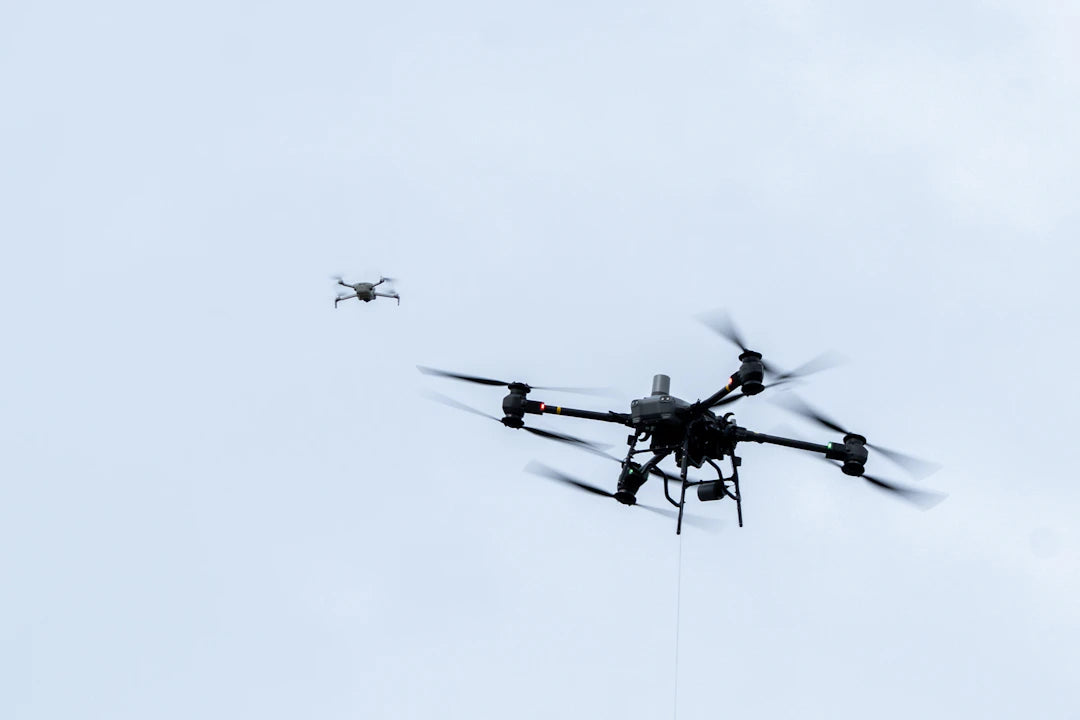
The demand for high-performance drones in professional settings is ever-increasing. Drones like the Freefly Alta X Gen2 Enterprise Drone showcase how heavy-lift capabilities can serve specific industries. With a payload capacity of 35 lbs, such drones can carry extensive camera rigs and advanced sensors, supporting complex projects in various sectors.
Benefits of Heavy-Lift Drones
Heavy-lift drones have become essential for professionals needing more from their aerial platforms. Here are some advantages:
| Benefit | Description |
|---|---|
| Increased Payload Capacity | The ability to transport multiple payloads or larger equipment enhances versatility in applications ranging from cinematography to industrial inspections. |
| Enhanced Stability | Heavy-lift drones typically feature robust carbon-fiber frames and cutting-edge flight control systems, providing better stability, especially during turbulent weather. |
| Integration of Advanced Technology | Many heavy-lift drones come with integrated telemetry and mission planning tools allowing for data-driven workflows. |
Innovative Uses in Environmental Monitoring
Drones have increasingly found their niche in environmental monitoring, especially given the pressing need for sustainability and climate actions. The ability to gather data rapidly and efficiently makes drones irreplaceable aids in various environmental research efforts.
Applications of Drones in Environmental Monitoring
- Wildlife Monitoring: Drones provide a non-intrusive way to monitor wildlife populations and their habitats, ensuring minimal disturbance and accurate data collection.
- Forest Management: Drones equipped with thermal imaging help identify illegal logging and track forest health, contributing to effective conservation efforts.
- Coastal Surveillance: Drones aid in monitoring coastal erosion and water quality, impacting marine ecosystems significantly.
The Future of Drones in Commercial Delivery
Commercial delivery is another area set to experience massive innovations in drone technology. Companies are investing in logistics solutions that use drones to transport goods efficiently, breaking the traditional barriers of last-mile delivery.
Advantages of Drone Delivery Systems
The move towards drone delivery offers numerous benefits:
- Speed: In many cases, drones can deliver goods faster than ground transportation due to more direct flight paths.
- Cost Reduction: Lower operational costs lead to more affordable delivery options, which could transform e-commerce.
- Reduced Carbon Footprint: As battery technology improves, electric drones will provide a greener option for urgent deliveries.
Emerging Technologies in Drone Development
As drone technology continues to evolve, several emerging technologies are powering the next generation of drones:
Battery Technology Enhancements
One of the most significant limitations of current drones is battery life. However, advancements in battery technology, such as solid-state batteries and hydrogen fuel cells, promise to increase flight times, payload capacity, and overall efficiency. These innovations will help drones stay airborne longer and cover larger distances—vital factors for commercial applications.
Integration with Internet of Things (IoT)
Integrating drones with existing IoT infrastructure will allow for smarter operations. Drones can gather data and transfer it in real time to other connected devices, significantly enhancing operational efficiency in industries such as logistics, agriculture, and environmental management. This interconnectivity will enable synchronized operations among multiple drones, leading to collaborative tasks that are faster and more efficient.
Challenges Ahead: Regulations and Public Perception
Despite the rapid advancements in drone technology, several challenges remain. Regulatory hurdles and public perception continue to pose significant barriers to widespread acceptance and integration of drones into everyday life.
The Role of Regulatory Bodies
Government agencies around the world are working to create regulations governing drone operation, with a focus on safety, privacy, and airspace management. While these regulations aim to ensure public safety, they can also slow down the adoption of drone technology across various sectors. The path forward will require collaboration between industry stakeholders and governments to create a conducive environment for innovation.
Public Perception and Concerns
Drones are often misperceived as invasive or dangerous. Building public trust is crucial for greater acceptance. Educational campaigns highlighting the benefits of drones in safety operations, environmental conservation, and efficiency improvements are essential for changing this narrative.
Final Thoughts: A Sky Full of Possibilities
As we look ahead, the future of drone technology seems promising and filled with incredible possibilities. With continued advancements in autonomous capabilities, heavy-lift operations, and emerging technologies, drones will further redefine boundaries within various industries. The potential uses are only limited by our imaginations, making it imperative to keep an eye on innovations that will arrive in the months and years to come. Whether you are involved in filmmaking, research, or commercial delivery, the future is bright—get ready to embrace the sky full of opportunities that await!
Key Takeaways
- Autonomous Drones: Drones are becoming smarter with AI and machine learning, enabling them to operate without human intervention.
- Heavy-Lift Capabilities: Drones like the Freefly Alta X Gen2 can carry up to 35 lbs, enhancing their use in cinematography and industrial inspections.
- Environmental Monitoring: Drones are essential tools for wildlife monitoring, forest management, and coastal surveillance, aiding in conservation efforts.
- Commercial Delivery Innovations: Drones are set to revolutionize logistics, offering faster delivery speeds and reduced operational costs.
- Battery Technology Advancements: Innovations in battery technology, including solid-state batteries, promise longer flight times and increased efficiency.
- Integration with IoT: Drones connected to IoT systems can enhance operational efficiency through real-time data sharing and collaborative tasks.
- Regulatory Challenges: Ongoing regulations and public perception issues remain significant barriers to the widespread adoption of drone technology.
Pros and Cons
| Advantages of Drone Technology | Drawbacks of Drone Technology |
|---|---|
| Enhanced efficiency through automation and AI integration. | Regulatory hurdles may slow down adoption and innovation. |
| Increased payload capacity for heavy-lift applications. | Public perception issues regarding safety and privacy concerns. |
| Rapid data collection for environmental monitoring. | Battery life limitations can restrict operational range. |
| Cost reduction in delivery services through drone logistics. | Potential job displacement in traditional delivery sectors. |
| Innovative uses in diverse industries from filmmaking to agriculture. | Technical complexities may require specialized training. |
Linked Product

Freefly Alta X Gen2 Enterprise Drone
The Freefly Alta X Gen2 Enterprise Drone is designed for professional operators seeking a heavy-lift solution with a 35 lb payload capacity, making it suitable for carrying large cinema rigs and advanced sensors. Its robust carbon-fiber frame and weather-resistant design ensure reliability in challenging conditions, while integrated telemetry and mission planning tools enhance data-driven workflows for enterprise applications. The smart dovetail payload interface allows for quick connections and expanded communication options, facilitating seamless integration with various payloads.
View ProductWho It's For (And Not For)
Who It's For
- Professional Filmmakers: If you are in the film industry and require high-quality aerial footage, advanced drones with heavy-lift capabilities are essential for your projects.
- Environmental Researchers: Those involved in wildlife monitoring, forest management, or coastal surveillance will benefit from drones that can efficiently gather data without disturbing ecosystems.
- Logistics and Delivery Companies: Businesses looking to innovate their delivery systems can utilize drones to enhance speed and reduce costs in last-mile logistics.
- Tech Enthusiasts: Individuals passionate about technology advancements will find the evolution of drones and their applications exciting and worth exploring.
Who It's Not For
- Casual Users: If you are looking for a simple recreational drone for casual flying, the advanced technology and features discussed may be more than you need.
- Individuals Unconcerned with Technology: Those who are not interested in keeping up with technological advancements or integrating drones into their work may not find this information relevant.
- People with Privacy Concerns: If you have significant reservations about the use of drones in public spaces and their implications for privacy, this technology may not align with your values.
- Small Businesses with Limited Budgets: Companies that cannot afford the investment in high-performance drones may find the costs outweigh the benefits for their operations.
Frequently Asked Questions
1. What are the current advancements in drone technology?
2. How do autonomous drones enhance efficiency?
3. What benefits do heavy-lift drones provide?
4. What are some applications of drones in environmental monitoring?
5. What challenges does drone technology face?
Glossary
| Term | Meaning |
|---|---|
| Drone | Aerial vehicle operated remotely or autonomously. |
| Autonomy | Ability of drones to operate without human intervention. |
| Object Recognition | Technology that allows drones to identify and track objects. |
| Heavy-Lift Drone | Drones designed to carry heavy payloads for professional use. |
| Payload Capacity | The maximum weight a drone can carry. |
| Environmental Monitoring | Using drones to collect data on environmental conditions. |
| Drone Delivery | Use of drones to transport goods to customers. |
| Battery Technology | Advancements in energy storage for longer flight times. |
| Internet of Things (IoT) | Network of connected devices that share data. |
| Regulatory Bodies | Organizations that govern drone operation laws and safety. |