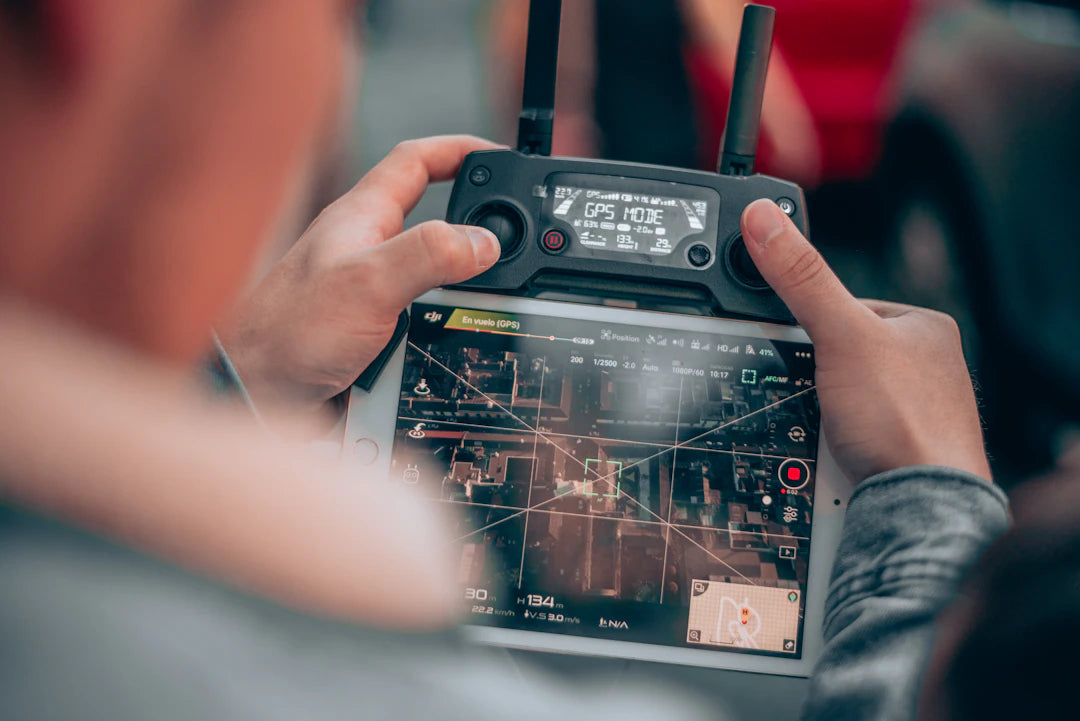
Transforming Conservation: How Drones are the Future
Overview
This article explores the transformative role of drones in environmental conservation, highlighting their capabilities in monitoring ecosystems, tracking wildlife, and facilitating habitat restoration. Readers will learn how drone technology enhances data collection and improves conservation efforts, while also addressing challenges and ethical considerations associated with their use. Ultimately, the piece emphasizes the promising future of drones in fostering sustainable practices and combating climate change.
Table of Contents
- The Rise of Drones in Environmental Conservation
- How Drones Improve Monitoring Efforts
- Real-Time Data Collection
- Wildlife Conservation
- Enhancing Habitat Restoration Efforts
- Seed Bombing
- Combating Climate Change with Drones
- Monitoring Carbon Emissions
- Assessing Ecosystem Resilience
- Challenges and Considerations
- Regulatory Issues
- Public Perception
- The Future of Drones in Environmental Conservation
In recent years, the integration of technology into various sectors has significantly reshaped their operations, and environmental conservation is no exception. Drones, or Unmanned Aerial Vehicles (UAVs), have emerged as powerful tools in this arena, significantly enhancing efforts to monitor, protect, and restore our planet. This article delves into the myriad ways drones are revolutionizing environmental conservation, shedding light on their capabilities and potential.
The Rise of Drones in Environmental Conservation
The advent of drones has opened new pathways for environmental monitoring and conservation. The utilization of UAV technology allows for a range of applications, from data collection and wildlife monitoring to pollution tracking and habitat restoration. Some compelling statistics highlight the effectiveness of drones in these areas:
- Studies show that drone technology can improve data collection efficiency by up to 70%.
- Over 85% of conservation experts believe that drones will play a crucial role in future conservation projects.
- Wildlife populations in areas monitored by drones have seen up to a 50% increase compared to traditional monitoring methods.
How Drones Improve Monitoring Efforts
Real-Time Data Collection
Drones equipped with high-resolution cameras and sensors can capture vast amounts of data rapidly. This capability enables conservationists to monitor ecosystems in real-time. For example, precision agriculture drones can assess crop health while identifying areas needing intervention. This data is invaluable for making informed decisions about resource allocation and improving ecological health.
Wildlife Conservation
One of the standout applications of drones is in wildlife conservation. Drones allow for non-intrusive monitoring of animal populations, enabling researchers to gather important data without disturbing habitats. Some specific applications include:
- Tracking endangered species to evaluate population trends.
- Mapping habitats to monitor changes and assess threats.
- Deploying thermal imaging to locate animals at night or during low visibility conditions.
Enhancing Habitat Restoration Efforts
Drones are also making significant strides in habitat restoration. With their ability to survey large areas quickly, they can identify regions requiring restoration and monitor the success of these efforts over time.
Seed Bombing
A fascinating application of drones in habitat restoration is seed bombing. Drones can disperse seed balls in hard-to-reach areas, aiding reforestation and the rehabilitation of degraded landscapes. Seed bombing enhances biodiversity and assists in restoring ecosystems efficiently.
| Application | Benefits |
|---|---|
| Real-Time Monitoring | Immediate updates on ecosystem health |
| Wildlife Tracking | Non-invasive observation of animal behavior |
| Pollution Detection | Quick identification of pollution sources and impact |
| Habitat Mapping | Enhanced understanding of ecosystem dynamics |
| Seed Bombing | Promotes rapid reforestation and biodiversity |
Combating Climate Change with Drones
Climate change remains one of the most significant challenges facing our planet today. Drones are increasingly being utilized to assess and combat the effects of climate change in several innovative ways.
Monitoring Carbon Emissions
One critical use of drones is monitoring carbon emissions from industrial sources. By employing a professional drone for sale equipped with specialized sensors, operators can collect data on greenhouse gases. This information can then be utilized to implement policies aimed at reducing emissions and mitigating climate change effects.
Assessing Ecosystem Resilience
Drones also assist researchers in evaluating the resilience of ecosystems against climate change. High-resolution aerial images provide insights into landscape changes, allowing scientists to determine how well ecosystems can adapt to changing conditions. This research is vital for developing effective conservation strategies.
Challenges and Considerations
While the benefits of using drones in environmental conservation are evident, there are challenges and ethical considerations that need to be addressed.
Regulatory Issues
One significant challenge is navigating regulations surrounding drone use. Different countries have varying rules regarding UAV flight, particularly concerning wildlife. Conservation groups must collaborate with regulatory bodies to ensure that drone use aligns with legal and ethical standards.
Public Perception
Public perception is another factor that could influence the efficacy of drone deployment in conservation efforts. Addressing concerns related to privacy, noise pollution, and wildlife disturbances is crucial for garnering community support.
The Future of Drones in Environmental Conservation
The future of drones in environmental conservation appears promising. With advancements in technology, these aerial vehicles are expected to become increasingly sophisticated. The following trends may shape how drones are utilized in environmental efforts:
- AI Integration: Artificial Intelligence (AI) will allow drones to analyze data autonomously, providing actionable insights and streamlining the decision-making process.
- Improved Sensor Technology: Enhanced sensors will provide unparalleled accuracy in data collection, further improving data quality.
- Increased Collaboration: Partnerships between environmental organizations and drone manufacturers can lead to innovative applications that bolster conservation efforts.
Environmental conservation is in a period of transformation thanks to drones. These versatile aerial vehicles are enabling us to approach conservation efforts more holistically and effectively. From wildlife monitoring to habitat restoration, drones are proving to be invaluable allies in our quest for a sustainable future. As technology continues to evolve, the integration of drones into conservation strategies will undoubtedly expand, further enhancing our tools to protect our planet.
With this revolution on the horizon, we can only imagine what the future holds for drones and conservation. As we harness these innovative technologies, our commitment to preserving the environment and ensuring a sustainable planet for generations to come will only grow stronger. Be a part of this transformation—explore the capabilities of drones today!
Key Takeaways
- Drones enhance environmental monitoring: UAV technology improves data collection efficiency by up to 70% and aids in real-time ecosystem monitoring.
- Wildlife conservation benefits: Drones provide non-intrusive monitoring of animal populations, contributing to a potential 50% increase in wildlife numbers compared to traditional methods.
- Habitat restoration capabilities: Drones can identify areas needing restoration and facilitate seed bombing for efficient reforestation efforts.
- Climate change assessment: Drones are utilized to monitor carbon emissions and evaluate ecosystem resilience against climate change impacts.
- Regulatory challenges: Conservation groups must navigate varying regulations regarding drone usage, particularly in relation to wildlife monitoring.
- Future trends: The integration of AI and improved sensor technology will enhance data analysis and accuracy in conservation efforts.
- Community support is crucial: Addressing public concerns about privacy and wildlife disturbances is essential for successful drone deployment in conservation.
Pros and Cons
| Advantages of Drones in Environmental Conservation | Drawbacks of Drones in Environmental Conservation |
|---|---|
| Improved data collection efficiency by up to 70%. | Regulatory challenges vary by country, complicating usage. |
| Non-invasive wildlife monitoring protects animal habitats. | Public concerns about privacy and noise pollution. |
| Real-time monitoring allows for immediate ecological assessments. | Potential disturbances to wildlife if not managed properly. |
| Enhanced capability for habitat restoration through seed bombing. | High initial costs for advanced drone technology. |
| AI integration can streamline data analysis and decision-making. | Ethical considerations surrounding surveillance and data use. |
Linked Product

DJI Agras T100 Agriculture Spraying Drone - Ready to Fly Kit
The DJI Agras T100 Agriculture Spraying Drone is designed for large-scale agricultural tasks, featuring a 100 L tank for efficient spraying and a maximum payload capacity of 100 kg. Its advanced safety systems, including LiDAR and Penta-Vision technology, enhance operational safety by providing precise obstacle detection and intelligent navigation. With options for versatile spraying and spreading applications, the T100 is suitable for various agricultural environments, making it a valuable tool for modern farming practices.
View ProductWho It's For (And Not For)
Who It's For
- Environmentalists and Conservationists: Individuals or organizations focused on protecting wildlife and ecosystems will find drones invaluable for monitoring and data collection.
- Agricultural Professionals: Those in precision agriculture can leverage drone technology to assess crop health and optimize resource allocation.
- Researchers and Scientists: Professionals engaged in ecological studies will benefit from the real-time data and insights provided by drones.
- Policy Makers: Individuals involved in creating environmental policies can utilize drone data to monitor carbon emissions and implement effective strategies.
Who It's Not For
- Individuals Opposed to Technology: Those who prefer traditional methods of conservation and are resistant to adopting new technologies may not find drones suitable.
- People Concerned About Privacy: Individuals worried about surveillance or privacy issues may not support the use of drones in conservation efforts.
- Organizations with Limited Budgets: Smaller conservation groups or individuals lacking funding may find the initial investment in drone technology prohibitive.
- Those Unfamiliar with Regulations: Individuals or organizations that are not willing to navigate the complexities of drone regulations may struggle to implement this technology effectively.
Frequently Asked Questions
1. What are drones used for in environmental conservation?
2. How do drones improve wildlife conservation efforts?
3. What is seed bombing and how do drones assist in it?
4. How can drones help combat climate change?
5. What are some challenges associated with using drones in conservation?
Glossary
| Term | Meaning |
|---|---|
| Drones | Unmanned Aerial Vehicles used for various applications. |
| UAV | Acronym for Unmanned Aerial Vehicle. |
| Real-Time Data Collection | Gathering data instantly as events occur. |
| Wildlife Conservation | Efforts to protect and monitor animal populations. |
| Seed Bombing | Dispersing seed balls to aid reforestation. |
| Carbon Emissions | Greenhouse gases released into the atmosphere. |
| Habitat Mapping | Charting ecosystems to monitor changes and threats. |
| AI Integration | Using Artificial Intelligence for data analysis. |
| Pollution Detection | Identifying sources and impacts of pollution. |
| Ecosystem Resilience | Ability of ecosystems to adapt to changes. |