
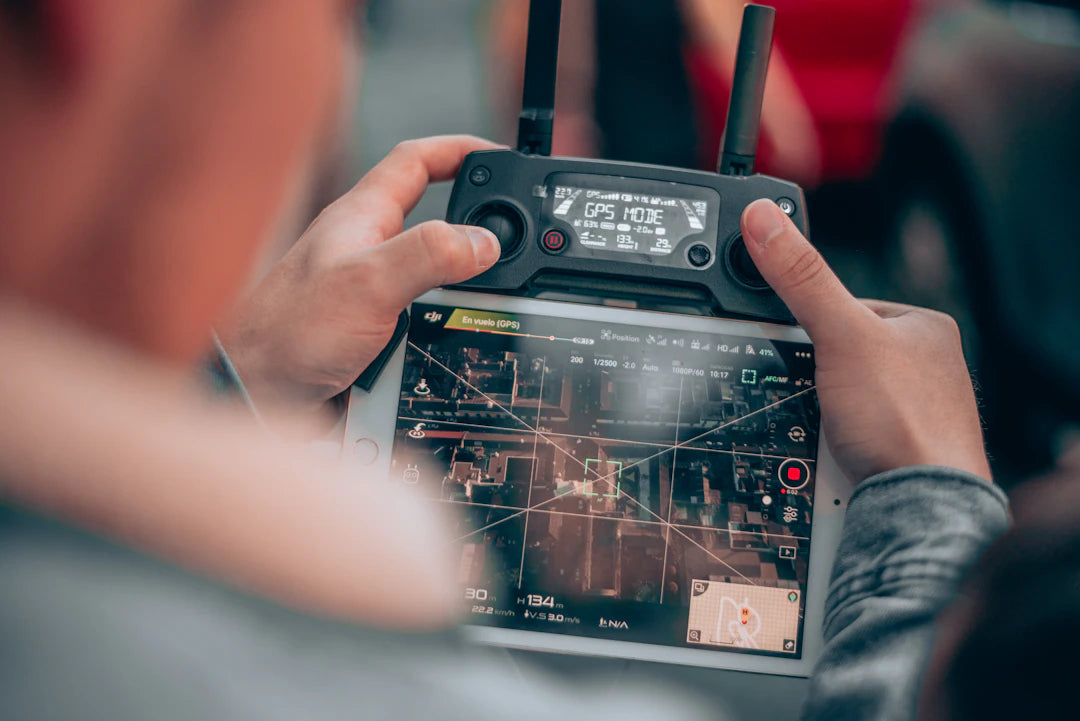
Advanced Thermal Imaging Drones for Inspections
Overview
This article explores the transformative role of thermal imaging drones across various industries, highlighting their capabilities in enhancing operational efficiency and safety. Readers will gain insights into some of the leading thermal imaging drones available today, including their unique features and applications, enabling informed decisions for inspections and emergency response scenarios. By understanding these advanced tools, operators can significantly improve their inspection processes and mission effectiveness.
Table of Contents
- Understanding Thermal Imaging Drones
- Key Features of Leading Thermal Imaging Drones
- 1. DJI Matrice 4T Thermal Intelligent Multi-Sensor Compact Drone
- 2. DJI Matrice 30T M30T Enterprise Thermal Drone (No Batteries)
- 3. DJI Mavic 3 Thermal Advanced (Universal Edition)
- 4. FreeFly Wiris Pro Payload (Thermal)
- Choosing the Right Thermal Imaging Drone
- Conclusion
In recent years, the use of drones for thermal imaging and inspections has transformed various industries. From utility inspections and emergency response to search and rescue operations, these advanced aerial systems offer unique capabilities that enhance operational efficiency and safety. This article reviews some of the top thermal imaging drones currently available, providing insights into their features and applications.
Understanding Thermal Imaging Drones
Thermal imaging drones are equipped with specialized cameras that detect infrared radiation, allowing them to visualize temperature differences in the environment. This capability is invaluable in numerous fields, including construction, forestry, energy, and public safety. By utilizing this technology, operators can identify issues that are not visible to the naked eye, such as heat leaks, electrical hotspots, or even wildlife in search and rescue missions.
When considering a thermal inspection drone, it's essential to understand how drone LiDAR works, as it can complement thermal imaging, providing precise geographical data. Thermal cameras, often referred to as drone payload cameras, can be integrated into various commercial drone systems, enabling a range of applications from routine inspections to complex emergency response scenarios.
Key Features of Leading Thermal Imaging Drones
Let's explore some of the most advanced thermal imaging drones available today, focusing on their unique features and applications.
1. DJI Matrice 4T Thermal Intelligent Multi-Sensor Compact Drone

The DJI Matrice 4T is a flagship drone designed for enterprise applications, featuring cutting-edge technology that enhances both safety and operational efficiency. Its multi-sensor system includes a wide-angle camera, medium telephoto, and telephoto lenses, each with 48MP effective pixels, enabling detailed thermal imaging and data collection.
This versatile drone is ideal for various industries, including electricity inspections, emergency response, and forestry conservation. Its smart detection capabilities, powered by AI, facilitate safer flight operations and provide precise measurements thanks to its integrated laser range finder.
2. DJI Matrice 30T M30T Enterprise Thermal Drone (No Batteries)

The DJI Matrice 30T is renowned for its powerful flight performance and environmental adaptability. With a maximum flight time of 41 minutes, this drone can withstand winds up to 15 m/s and has a service ceiling of 7000 meters. Its IP55 rating ensures it operates effectively in adverse weather conditions, making it suitable for critical mission scenarios.
This drone integrates multiple camera types, including wide-angle, zoom, and thermal options, along with built-in redundancy systems to ensure mission reliability. Its lightweight and compact design make it easy to transport and deploy, perfect for commercial operators needing a reliable thermal inspection drone.
3. DJI Mavic 3 Thermal Advanced (Universal Edition)

The DJI Mavic 3 Thermal Advanced brings a new level of performance to small commercial drones. It features a mechanical shutter and a 56x hybrid zoom camera, making it perfect for detailed inspections, search and rescue operations, and firefighting. The drone can achieve a remarkable flight time of 45 minutes, ensuring it can cover extensive areas efficiently.
This drone is also designed for ease of use, making it suitable for both seasoned pilots and beginners. Its compact design allows for easy transport, while the RTK module enables centimeter-level precision, enhancing mapping and inspection tasks.
4. FreeFly Wiris Pro Payload (Thermal)

The FreeFly Wiris Pro Payload offers an innovative approach to thermal imaging. Designed to connect with the Astro drone via a Smart Dovetail System, this payload allows operators extensive control over camera settings, such as zoom and exposure. Its built-in SSD storage of 128GB is ideal for capturing high volumes of thermal data.
This payload is designed for efficient integration with other drone systems, making it a flexible choice for users looking to enhance their existing setups. The combination of the Astro and Wiris Pro provides a flight time of approximately 25 to 32 minutes, making it suitable for various inspection tasks.
Choosing the Right Thermal Imaging Drone
When selecting a thermal inspection drone, consider the following factors to ensure it meets your needs:
- Flight Time: Look for models that offer extended flight durations, allowing you to cover larger areas without needing to recharge frequently.
- Camera Capabilities: Evaluate the thermal and optical zoom capabilities, as well as the resolution of the imaging sensors.
- Portability: Consider the drone's size and weight if you need to transport it frequently. Compact and foldable drones offer convenience for mobility.
- Durability: Make sure the drone has a robust design and weather resistance (like IP ratings), especially if you plan to use it in various environmental conditions.
- Control Features: Look for drones with user-friendly controls and features like built-in redundancy systems for safety and reliability during critical missions.
Conclusion
Thermal imaging drones are invaluable tools in modern inspections across various industries. The DJI Matrice 4T, DJI Matrice 30T, DJI Mavic 3 Thermal Advanced, and FreeFly Wiris Pro represent some of the best options currently available, each tailored to specific operational needs. By understanding their features and applications, you can choose the right drone to enhance your inspections, improve operational efficiency, and ensure safety in your missions.
Whether you are looking for a professional drone for sale or seeking to upgrade your existing drone system, these advanced thermal imaging drones can deliver the performance and reliability needed in today's demanding environments.
Key Takeaways
- Thermal imaging drones utilize specialized cameras to detect infrared radiation, revealing temperature differences crucial for various applications.
- The DJI Matrice 4T features a multi-sensor system and AI capabilities, making it ideal for electricity inspections and emergency response.
- With a maximum flight time of 41 minutes, the DJI Matrice 30T is designed for reliability in adverse weather, suitable for critical missions.
- The DJI Mavic 3 Thermal Advanced offers a 56x hybrid zoom camera and a flight time of 45 minutes, perfect for detailed inspections and firefighting.
- The FreeFly Wiris Pro Payload can integrate with various drone systems, providing extensive control over camera settings and high-volume thermal data storage.
- When choosing a thermal imaging drone, consider factors like flight time, camera capabilities, and portability for optimal performance.
- Understanding the features of leading thermal imaging drones enhances operational efficiency and safety across multiple industries.
Pros and Cons
| Advantages | Drawbacks |
|---|---|
| Enhanced operational efficiency in inspections and emergency responses. | High initial cost for advanced thermal imaging drones. |
| Ability to detect issues invisible to the naked eye, such as heat leaks. | Requires training to operate effectively, especially for complex features. |
| Versatile applications across various industries like construction and public safety. | Limited flight time may necessitate frequent recharging during extensive operations. |
| Advanced features like AI smart detection and high-resolution imaging. | Weather sensitivity may limit operational capabilities in adverse conditions. |
| Portability and compact design make transport easy. | Integration with existing systems may require additional modifications or equipment. |
Who It's For (And Not For)
Who It's For
- Industry Professionals: Ideal for those in fields such as construction, energy, forestry, and public safety who require precise thermal imaging for inspections and data collection.
- Emergency Responders: Perfect for search and rescue operations, allowing for quick identification of heat sources and efficient mission execution.
- Commercial Operators: Suitable for businesses needing reliable and advanced drones for routine inspections and critical missions.
- Tech Enthusiasts: Great for individuals who enjoy using the latest technology and want to explore the capabilities of thermal imaging drones.
Who It's Not For
- Casual Users: Not recommended for hobbyists or casual drone flyers who do not require advanced thermal imaging capabilities.
- Budget-Conscious Buyers: Those looking for low-cost drones may find these advanced models to be outside their budget range.
- Non-Technical Users: Individuals who are not comfortable with technology or drone operations may struggle with the complexity of these advanced systems.
- Limited Use Cases: Not suitable for users who need a drone for simple tasks that do not require thermal imaging or advanced features.
Comparison at a Glance
| Option | Best for | Strengths | Trade-offs |
|---|---|---|---|
| DJI Matrice 4T Thermal Intelligent Multi-Sensor Compact Drone | Enterprise applications | Multi-sensor system, AI smart detection, high-resolution imaging | Higher price point, may require advanced piloting skills |
| DJI Matrice 30T M30T Enterprise Thermal Drone (No Batteries) | Critical missions in adverse conditions | 41-minute flight time, IP55 rated, multiple camera options | Limited battery options, heavier design |
| DJI Mavic 3 Thermal Advanced (Universal Edition) | Search and rescue, detailed inspections | 56x hybrid zoom, easy to use, compact design | Less rugged than enterprise models, smaller payload capacity |
| FreeFly Wiris Pro Payload (Thermal) | Integration with existing drone systems | Extensive control over settings, 128GB SSD storage | Requires Astro drone for operation, shorter flight time |
Frequently Asked Questions
1. What are thermal imaging drones used for?
2. What should I consider when choosing a thermal imaging drone?
3. What are some features of the DJI Matrice 4T drone?
4. How long can the DJI Matrice 30T fly?
5. What distinguishes the FreeFly Wiris Pro Payload in thermal imaging?
Glossary
| Term | Meaning |
|---|---|
| Thermal Imaging Drones | Drones equipped with cameras that detect infrared radiation to visualize temperature differences. |
| LiDAR | Light Detection and Ranging technology used for precise geographical data collection. |
| Payload | Equipment attached to a drone that performs specific functions, such as thermal imaging. |
| AI Detection | Artificial intelligence systems that enhance safety and operational efficiency in drone flights. |
| IP Rating | Ingress Protection rating indicating a device's resistance to dust and water. |
| Mechanical Shutter | A camera feature that reduces motion blur and enhances image quality during captures. |
| RTK Module | Real-Time Kinematic module providing centimeter-level precision for mapping tasks. |
| Smart Dovetail System | A connection system allowing easy integration of payloads with drones. |
| Flight Time | The duration a drone can operate on a single battery charge. |
| Durability | The ability of a drone to withstand various environmental conditions and impacts. |


