The Impact of Drones on Modern Photography
Overview
This article explores the transformative impact of drones on photography, highlighting how they provide unique perspectives and enhance creative storytelling. Readers will learn about the technological advancements that have made drones essential tools for photographers, the various applications of drone photography, and the challenges and considerations involved in integrating drones into their workflow. Ultimately, it emphasizes the limitless potential drones offer to elevate photographic artistry.
Table of Contents
- Understanding Drone Photography
- Key Advantages of Drone Photography
- Technological Advancements in Drone Photography
- High-Resolution Cameras
- Stabilization Technology
- Extended Flight Times
- Incorporating Drones into Photography Workflow
- Inspiring Examples of Drone Photography
- Challenges and Considerations in Drone Photography
- Legal Regulations
- Technical Challenges
- Environmental Factors
- The Future of Drone Photography
- Embracing the Change in Photography Techniques
In recent years, the advent of drones has revolutionized various industries, and one sector that has seen remarkable growth is photography. The impact of drones on modern photography cannot be overstated, as they provide unique perspectives, increased accessibility, and diverse styles of capturing images. This article delves into how drones have transformed photography, the technological advancements that have made drones versatile tools, and why photographers are increasingly integrating drones into their workflow.
Understanding Drone Photography
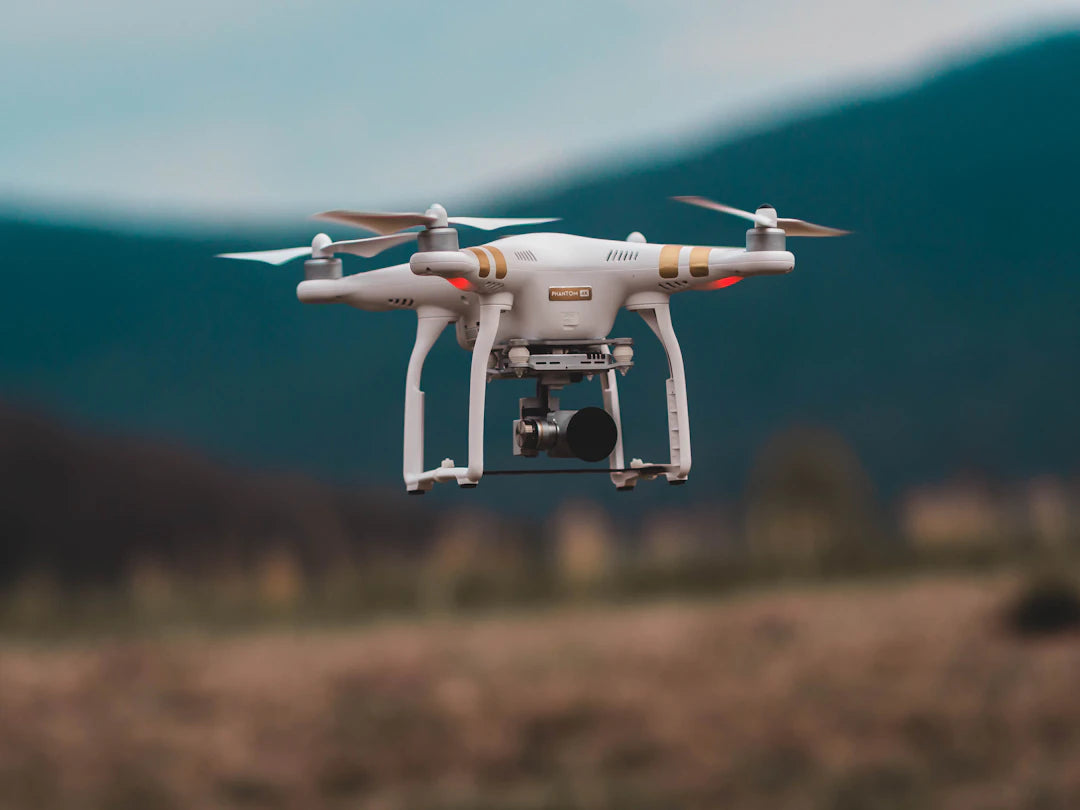
Drone photography refers to the use of unmanned aerial vehicles (UAVs) equipped with cameras to capture stunning aerial shots. This technique provides a bird's-eye view of landscapes, events, and locations that were once difficult or impossible to document. Drones have changed the way photographers approach their craft, offering a new dimension that enhances creativity and storytelling.
Key Advantages of Drone Photography
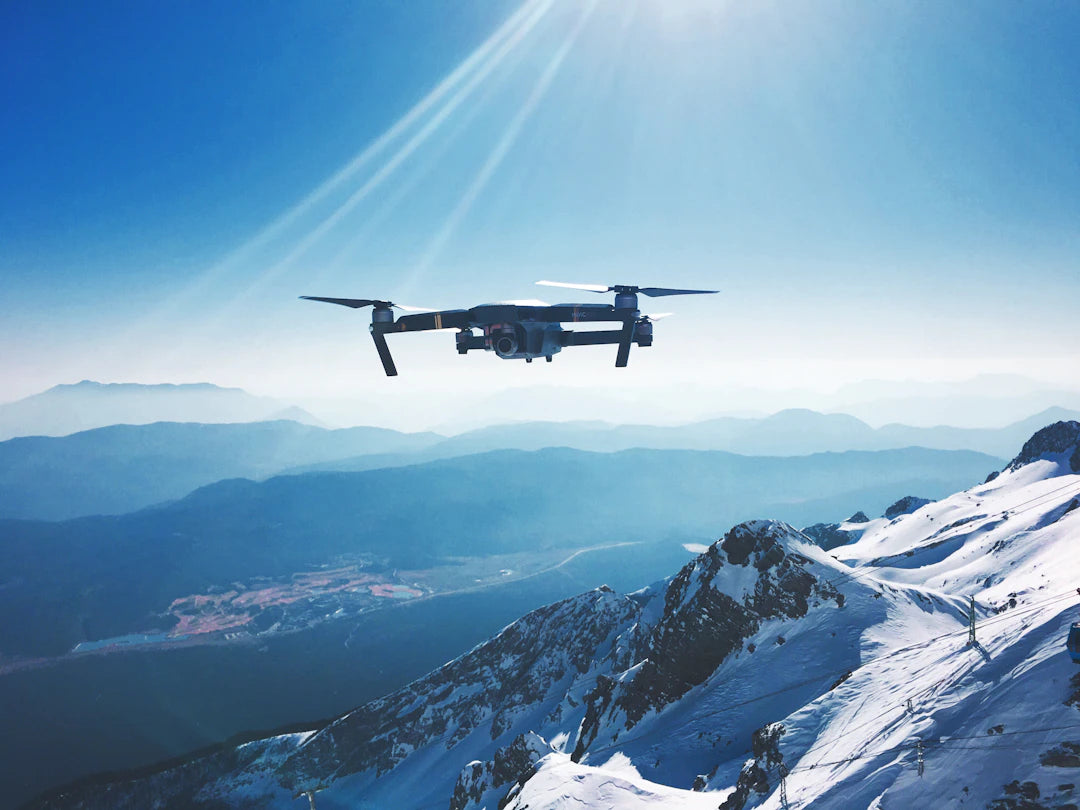
- Aerial Perspectives: Drones enable photographers to capture breathtaking aerial views that provide context and originality to their images.
- Accessibility: Drones can reach areas that are challenging for traditional equipment, including remote or rugged terrains.
- Cost-Effectiveness: Aerial photography previously required expensive helicopters or planes; drones have significantly cut these costs.
- Versatile Applications: From real estate to weddings and events, drones cater to diverse photography needs.
Technological Advancements in Drone Photography
The evolution of drone technology has greatly contributed to the rise of aerial photography. Some notable advancements include:
High-Resolution Cameras
Modern drones are equipped with advanced cameras that deliver high-quality images. Take the Mavic 3 Pro aerial camera, for example, which features an impressive pixel count of 18 million or above. This ensures that photographers can produce stunning images with impeccable detail.
Stabilization Technology
Modern drones often come with gimbal stabilization technology, which allows for smooth and stabilized video footage, essential for professional photography. This minimizes the shaky effects often witnessed in aerial shots and enhances the overall quality of the captured content.
Extended Flight Times
Battery life is a crucial aspect of drone photography, impacting how much footage can be captured during a single flight. The DJI Mavic 3 Pro boasts a remarkable battery life of 43 minutes, allowing photographers ample time to explore and capture various angles and scenes without frequent interruptions.
Incorporating Drones into Photography Workflow
To successfully integrate drone photography into your workflow, consider the following tips:
- Planning: Always approach aerial photography with a plan. Consider factors such as location, time of day, and weather conditions to maximize the potential of your drone.
- Know Your Equipment: Familiarize yourself with the controls and capabilities of your drone, ensuring you can optimize its performance.
- Post-Processing: Don't underestimate the importance of editing your images—it can drastically elevate the final outcome of your drone shots.
- Adhere to Regulations: It's important to understand the legalities and regulations associated with drone usage, which can vary based on location.
Inspiring Examples of Drone Photography
The potential of drone photography is showcased in various genres, and the following table illustrates a few inspiring examples:
| Genre | Key Features | Impact |
|---|---|---|
| Real Estate | Wide-angle shots, aerial views of properties | Increased buyer interest and engagement |
| Weddings | Captures unique moments from above | Provides a fresh perspective and unforgettable memories |
| Landscape Photography | Panoramic views, capturing seasonal changes | Reveals natural beauty from angles traditionally unseen |
| Sports Photography | Dynamic shots and movement tracking | Enhances storytelling through aerial action captures |
Challenges and Considerations in Drone Photography
While drones have opened up a world of possibilities for photographers, there are challenges to consider:
Legal Regulations
The use of drones is subject to regulations that vary from region to region. Photographers need to be aware of the rules governing drone operation, including no-fly zones, altitude limits, and registration requirements. Failure to adhere to these regulations can lead to legal repercussions.
Technical Challenges
Operating drones requires a certain level of technical skill, including understanding how to navigate and control them effectively in various environments. Familiarity with the settings of your drone’s camera and stabilization features is crucial to achieving high-quality results.
Environmental Factors
Weather and environmental conditions can significantly impact drone flights. Strong winds, rain, or extreme temperatures can jeopardize not only the equipment but also the quality of the shots captured. Therefore, checking the weather forecast prior to flying is essential.
The Future of Drone Photography
The future of drone photography is bright, with innovations on the horizon that promise to enhance its capabilities even further. Here are some potential developments to watch:
- Autonomous Flight: Future drones may incorporate artificial intelligence that allows for automated flight paths, improving the ease of use for photographers.
- Improved Image Quality: As camera technology advances, expect drones to offer even higher resolutions and diverse shooting modes.
- Underwater Drone Lighting Systems Explained: The integration of specialized lighting for underwater drone photography may open new creative avenues for capturing underwater landscapes and marine life.
- Enhanced Battery Life: Continuing research into battery technology could lengthen flight times, giving photographers more opportunities to shoot without changing batteries mid-session.
Embracing the Change in Photography Techniques
The impact of drones on modern photography illustrates a significant shift in how we approach imagery and storytelling. For many photographers, drones have become integral tools that not only enhance their creative expression but also broaden the horizons of what they can achieve. Whether you're exploring landscapes, capturing weddings, or documenting real estate, the potential is virtually limitless.
Incorporating drones into your photography repertoire can dramatically enhance your capabilities, setting you apart in a competitive industry. Whether you choose advanced models like the Mavic 3 Pro aerial camera or opt for other alternatives, the critical factor remains the same: leveraging this technology to transform your photographic journey into something larger than life.
To truly thrive in this new era of photography, embrace the innovative tools at your disposal. By honing your skills and understanding the nuances of drone operation, you can transform ordinary scenes into breathtaking aerial masterpieces.
Key Takeaways
- Unique Perspectives: Drones provide aerial views that enhance creativity and storytelling in photography.
- Increased Accessibility: Drones can reach remote and rugged terrains, capturing images that traditional equipment cannot.
- Cost-Effective Solutions: Aerial photography with drones is significantly cheaper than using helicopters or planes.
- Technological Advancements: Modern drones feature high-resolution cameras and stabilization technology for superior image quality.
- Planning is Essential: Successful drone photography requires careful planning regarding location, time, and weather conditions.
- Legal Awareness: Photographers must understand and adhere to local regulations governing drone usage to avoid legal issues.
- Future Innovations: Expect advancements like autonomous flight and improved image quality to further enhance drone photography capabilities.
Pros and Cons
| Advantages of Drone Photography | Drawbacks of Drone Photography |
|---|---|
| Aerial Perspectives: Unique views enhance creativity. | Legal Regulations: Must navigate complex laws and restrictions. |
| Accessibility: Reach remote areas that traditional methods can't. | Technical Challenges: Requires skill to operate effectively. |
| Cost-Effectiveness: More affordable than hiring helicopters. | Environmental Factors: Weather can hinder operations. |
| Versatile Applications: Suitable for various photography types. | Battery Life: Limited flight time can restrict shooting opportunities. |
Linked Product

DJI Mavic 3 Pro Three Camera Flagship Aerial Camera DJI Mavic 3 Pro Cine HD Professional Master Edition Aerial Camera
The DJI Mavic 3 Pro is a flagship aerial camera designed for professional photography, featuring a pixel count of 18 million or above. With a remarkable battery life of 43 minutes and a maximum flight altitude exceeding 120 meters, it offers extended shooting opportunities. Additionally, its intelligent obstacle avoidance function enhances safety during aerial captures, making it suitable for various photography scenarios.
View ProductWho It's For (And Not For)
Who It's For
- Photography Enthusiasts: If you are passionate about photography and want to explore new perspectives, drone photography can significantly enhance your creative expression.
- Real Estate Professionals: Those in real estate can benefit from aerial shots that showcase properties from unique angles, increasing buyer interest.
- Event Photographers: Wedding and event photographers looking to capture unforgettable moments from above will find drones invaluable.
- Adventure Seekers: If you enjoy exploring remote or rugged terrains, drones can help you document hard-to-reach locations.
Who It's Not For
- Individuals Unfamiliar with Technology: If you struggle with technical skills or operating devices, drone photography may be challenging without proper training.
- Those Who Can't Adhere to Regulations: If you are unwilling to learn and comply with local drone regulations, operating a drone could lead to legal issues.
- Weather-Dependent Photographers: If you often work in adverse weather conditions, drone photography may not be suitable due to environmental challenges.
- Casual Photographers: If you prefer traditional photography methods and are not interested in exploring new technologies, drones may not align with your style.
Frequently Asked Questions
1. What is drone photography?
2. What are the key advantages of using drones in photography?
3. What technological advancements have contributed to the rise of drone photography?
4. What challenges should photographers consider when using drones?
5. How can photographers integrate drones into their workflow?
Glossary
| Term | Meaning |
|---|---|
| Drone | An unmanned aerial vehicle (UAV) used for capturing images or video. |
| Aerial Photography | Photography taken from an elevated position, typically using drones. |
| Stabilization Technology | Mechanisms that reduce camera shake for smoother video and images. |
| High-Resolution Cameras | Cameras that capture images with a high number of pixels for better detail. |
| Battery Life | The duration a drone can operate before needing a recharge. |
| Post-Processing | Editing images after capture to enhance their quality and appeal. |
| Legal Regulations | Rules governing the operation of drones, including no-fly zones. |
| Environmental Factors | Conditions like weather that can affect drone operation and photography quality. |
| Autonomous Flight | Future capability of drones to fly automatically using AI. |
| Versatile Applications | Diverse uses of drones in various fields like real estate and events. |