The Impact of Drones on Disaster Response and Management
Overview
This article examines the transformative impact of drone technology on disaster response and emergency management. Readers will learn about the various applications of drones, such as real-time surveillance, search and rescue operations, and damage assessment, highlighting their advantages over traditional methods. Additionally, the article discusses the future potential of drones in enhancing emergency protocols and the importance of integrating this technology into existing frameworks for improved crisis management.
Table of Contents
- The Evolution of Drones in Emergency Situations
- The Functionality of Drones in Disaster Response
- Real-Time Aerial Surveillance
- Search and Rescue Operations
- Damage Assessment and Data Collection
- Integrating Drone Technology into Emergency Management Protocols
- The Future of Drones in Disaster Management
- Building a Drone Inspection Business: A Guide
- Advantages of Using Drones for Disaster Response
- Addressing Challenges in Drone Utilization
- Your Next Step to Embrace the Future
In recent years, the integration of technology in various sectors has greatly improved operational efficiency and effectiveness. One of the most impactful technologies is the use of drones in disaster response and emergency management. With their ability to access hard-to-reach areas and provide real-time data, drones have changed how first responders and emergency services operate during crises. This article will explore the significant role of drones, such as the DJI Matrice 30T, in enhancing disaster response and emergency management operations.
The Evolution of Drones in Emergency Situations
Drones, also known as unmanned aerial vehicles (UAVs), have evolved significantly over the past decade. From their initial military applications, UAV technology has found its way into commercial uses, particularly in emergency management. The versatility and efficiency of modern drones can be seen in various aspects of disaster management, including:
- Rapid assessment of affected areas
- Resource distribution
- Search and rescue operations
- Damage assessment and documentation
- Logistical support
The Functionality of Drones in Disaster Response
Modern drones possess advanced features that make them invaluable in disaster scenarios. They are equipped with high-resolution cameras, thermal imaging, and mapping capabilities, all of which enhance their functionality. Let's explore how these features contribute to effective disaster response.
Real-Time Aerial Surveillance
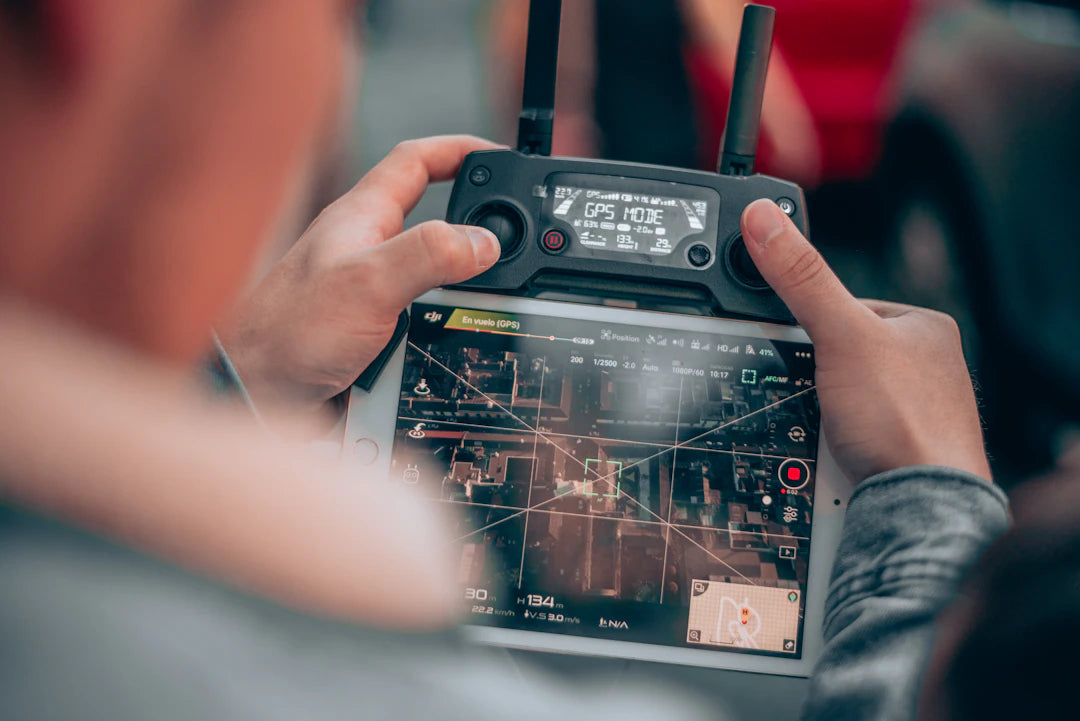
One of the most significant applications of drones in disaster situations is real-time aerial surveillance. With a drone like the DJI Matrice 30T, emergency personnel can conduct aerial assessments quickly and efficiently. This rapid data collection allows for:
- Immediate visualization of affected areas
- Identification of hazards and obstacles
- Monitoring changes in environmental conditions
Search and Rescue Operations
Time is crucial in emergency situations, especially when lives are at stake. Drones improve the efficiency and effectiveness of search and rescue missions through their ability to cover large areas quickly. Equipped with thermal imaging technology, drones can locate missing persons in difficult terrains, such as mountains, forests, or urban debris fields. This feature is particularly beneficial in:
- Identifying heat signatures
- Providing real-time feedback to teams on the ground
- Coordinating rescue search patterns
Damage Assessment and Data Collection
After a disaster strikes, assessing the damage is critical to determine the next steps in response. Drones can efficiently document damage through aerial photography and videography, providing authorities with necessary data to assess the impact. This method offers several advantages:
- Minimized risk to human life
- Detailed and comprehensive visual data
- Ability to capture 3D maps for analysis
Integrating Drone Technology into Emergency Management Protocols
To maximize the potential of drones in disaster response, emergency management protocols must evolve. Here are some critical steps for integrating drone technology into existing frameworks:
- Establish partnerships with local government agencies and organizations.
- Develop training programs for drone operators within emergency services.
- Create operational guidelines that focus on safety and compliance.
- Invest in necessary hardware and software for data analysis and storage.
- Engage in community outreach to educate members on the benefits and roles of drones.
The Future of Drones in Disaster Management
The future of drones in disaster response and emergency management is promising, with continuous advancements in technology driving new applications. Here is a brief look at what lies ahead:
| Application | Description | |-------------|-------------| | Autonomous Drones | Future drones may operate autonomously, conducting inspections and surveys without human intervention, thereby increasing efficiency. | | AI and Analytics | Integration of artificial intelligence will allow drones to analyze data in real-time, offering actionable insights to emergency personnel. | | Enhanced Connectivity | The development of 5G networks will enable drones to communicate information more quickly and in greater detail, improving responsiveness during emergencies. |Building a Drone Inspection Business: A Guide
As the demand for drone services grows, many entrepreneurs are considering starting a drone inspection business. The drone inspection business guide outlines essential steps to ensure success:
- Research the market demand in your area for drone inspection services.
- Obtain necessary certifications and licenses to operate commercially.
- Invest in quality drone equipment and software for imaging and analysis.
- Network with local businesses, governmental agencies, and emergency responders.
- Develop a marketing strategy that highlights the advantages of drone technology.
Advantages of Using Drones for Disaster Response
The integration of drones into disaster response efforts offers numerous advantages over traditional methods. Some of the most notable benefits include:
- Increased Safety: Drones can access hazardous areas without putting human lives at risk.
- Cost-Effectiveness: Utilizing drones can reduce costs associated with manpower and logistical operations.
- Enhanced Data Collection: Drones gather high-resolution images and information not easily obtainable through traditional methods.
- Operational Speed: Drones can be deployed quickly, providing immediate insights that can enhance response times.
Addressing Challenges in Drone Utilization
Despite the numerous benefits, the use of drones in disaster response comes with its challenges that must be addressed:
- Regulatory and legal barriers that limit where and how drones can be used.
- The necessity for trained operators to manage drones effectively.
- Technical limitations, such as battery life and flight range.
- Data privacy and security concerns when capturing images and videos in public spaces.
Your Next Step to Embrace the Future
As we reflect on the transformative role of drones in disaster response and emergency management, it is clear that embracing this technology will enable more effective interventions during crises. Whether you are a first responder, an entrepreneur considering the drone inspection business guide, or simply a curious observer, the future of drone technology holds exciting possibilities. Engage with your local emergency management teams, explore how drones can benefit your operations, and get ready to harness the power of these innovative tools for a safer tomorrow. The journey towards advanced disaster response starts now!
Key Takeaways
- Drones enhance operational efficiency in disaster response by providing quick access to hard-to-reach areas.
- Real-time aerial surveillance allows emergency personnel to visualize affected areas and identify hazards rapidly.
- Thermal imaging technology in drones aids in search and rescue operations by detecting heat signatures, improving mission effectiveness.
- Drones facilitate damage assessment through aerial photography, minimizing risks to human life while providing detailed visual data.
- Integrating drones into emergency protocols requires partnerships, training, and operational guidelines to ensure safety and compliance.
- Future advancements in drone technology, such as AI and enhanced connectivity, promise to further improve disaster management capabilities.
- Challenges in drone utilization include regulatory barriers, the need for trained operators, and data privacy concerns that must be addressed.
Pros and Cons
| Advantages of Drones in Disaster Response | Drawbacks of Drones in Disaster Response |
|---|---|
| Increased Safety: Drones can access hazardous areas without risking human lives. | Regulatory Barriers: Legal restrictions may limit drone operations in certain areas. |
| Cost-Effectiveness: Reduces expenses related to manpower and logistics. | Need for Trained Operators: Requires skilled personnel to operate drones effectively. |
| Enhanced Data Collection: Provides high-resolution images and critical information. | Technical Limitations: Issues with battery life and flight range can hinder operations. |
| Operational Speed: Drones can be deployed quickly for immediate insights. | Data Privacy Concerns: Capturing images in public spaces raises privacy issues. |
Linked Product

DJI Matrice 30T M30T Complete Ready to Fly Kit (2 Batteries, No Care)
The DJI Matrice 30T M30T Complete Ready to Fly Kit is designed for enterprise users, offering powerful flight performance with a maximum flight time of 41 minutes and wind resistance up to 15 m/s. Its robust environmental adaptability and advanced safety features, including dual-vision sensors and built-in redundancy systems, ensure reliable operation in challenging conditions. The integrated wide, zoom, and thermal cameras, along with enhanced transmission capabilities, enable efficient data capture and real-time mission management.
View ProductWho It's For (And Not For)
Who It's For
- Emergency Responders: Individuals and organizations involved in disaster response and management will benefit from the integration of drones for real-time data collection and operational efficiency.
- Entrepreneurs: Those looking to start a drone inspection business can leverage the growing demand for drone services in emergency management.
- Government Agencies: Local and state agencies focused on disaster preparedness and response can enhance their protocols by incorporating drone technology.
- Community Educators: Individuals interested in educating others about the benefits of drone technology in emergency situations.
Who It's Not For
- Individuals Unfamiliar with Technology: Those who are not comfortable with or do not have access to modern technology may find it challenging to engage with drone operations.
- Organizations with Limited Budgets: Entities that cannot invest in the necessary hardware, software, and training for drone integration may struggle to adopt this technology.
- Those Opposed to Regulatory Compliance: Individuals or organizations unwilling to navigate the legal and regulatory frameworks governing drone use may face difficulties.
- People Concerned About Privacy: Individuals who prioritize privacy and data security may be hesitant to support drone usage in public spaces.
Frequently Asked Questions
1. How have drones improved disaster response operations?
2. What are some key features of modern drones used in emergency management?
3. What steps should be taken to integrate drone technology into emergency management protocols?
4. What advantages do drones offer over traditional disaster response methods?
5. What challenges are associated with the use of drones in disaster response?
Glossary
| Term | Meaning |
|---|---|
| Drones | Unmanned aerial vehicles used for various applications, including emergency management. |
| UAV | Acronym for Unmanned Aerial Vehicle, synonymous with drones. |
| Thermal Imaging | Technology that detects heat signatures to locate individuals or assess conditions. |
| Aerial Surveillance | Monitoring and assessing areas from the air using drone technology. |
| Damage Assessment | Evaluating the impact of a disaster through visual data collection. |
| Search and Rescue | Operations aimed at locating and assisting individuals in distress. |
| 5G Networks | Next-generation mobile networks that enhance communication capabilities for drones. |
| Data Privacy | Concerns related to the collection and use of personal information captured by drones. |
| Operational Guidelines | Protocols established to ensure safe and effective drone operations. |