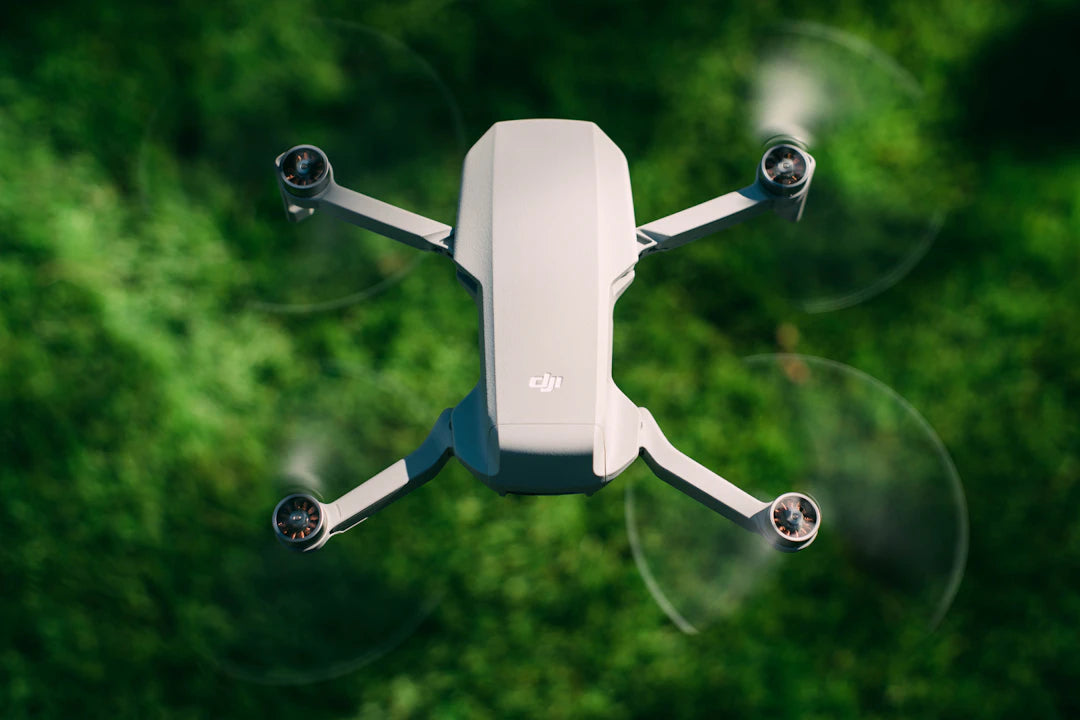
The Impact of Drones on Delivery Services and Logistics
Overview
This article delves into the transformative role of drone technology in delivery services and logistics, highlighting its impact on efficiency, cost reduction, and environmental sustainability. Readers will learn about the benefits and challenges of integrating drones into logistics, as well as the future potential of this technology in enhancing customer experiences and operational capabilities. By understanding these dynamics, businesses can better position themselves to leverage drones for competitive advantage.
Table of Contents
- The Evolution of Drone Technology
- The Benefits of Drones in Delivery Services
- Speed and Efficiency
- Cost Reduction
- Environmental Impact
- The Challenges of Drone Delivery
- How Drones Are Used in Logistics
- Last-Mile Delivery
- Inventory Management
- Emergency Services and Medical Deliveries
- The Future of Drone Technology in Delivery Services
- Increased Adoption by Companies
- Integration with Other Technologies
- Improved Regulation and Infrastructure
- Why Customer Experience Matters
- Final Thoughts on the Drone Revolution
The rise of drone technology has significantly transformed various industries, and delivery services and logistics are among the most affected. As businesses continue to seek innovative ways to improve efficiency, reduce costs, and meet customer expectations, drones have emerged as a game-changer. This article will explore the multifaceted impact of drones on delivery services and logistics, shedding light on how they are reshaping the landscape of transportation and supply chain management.
The Evolution of Drone Technology
Drones have come a long way since their inception. Initially used for military applications, drone technology has expanded into commercial sectors, including agriculture, photography, and most importantly, delivery services. The introduction of advanced features such as infrared thermal cameras has enhanced their functionality and versatility, making them ideal for logistics.
One impressive drone is the Autel Robotics EVO II 640T, which incorporates a high-quality thermal camera. This drone boasts a myriad of features, including:
- Ten thermal color palettes for enhanced visualization
- Isotherms and image enhancement capabilities
- Support for multiple video formats such as MOV and MP4
This drone illustrates the expanding utility of drones in logistics, particularly in inspections and monitoring the conditions of deliveries.
The Benefits of Drones in Delivery Services
Speed and Efficiency
Drones can significantly reduce the time it takes for deliveries to reach their destinations. With the ability to fly directly to a location without being hindered by traffic, drones can deliver packages much faster than traditional delivery methods. For instance, a drone can deliver a medical supply to a remote area in a fraction of the time it would take a courier service, which must navigate road infrastructure.
Cost Reduction
Using drones in logistics can result in substantial cost savings for businesses. Drones have lower operational costs than traditional delivery vehicles. A fleet of drones requires less maintenance, fewer fuel expenses, and can operate in diverse environments without the same overhead costs associated with ground transportation.
Environmental Impact
Another significant advantage of using drones for delivery services is their reduced environmental footprint. Drones are typically electric-powered, which leads to lower emissions compared to gas-powered delivery vehicles. This aligns with the growing emphasis on sustainability in logistics and provides companies with a responsible option for their delivery needs.
The Challenges of Drone Delivery
Despite the numerous benefits, the integration of drones into delivery services does not come without its challenges. Here are some key obstacles that businesses must navigate:
- Regulatory Hurdles: Each country has specific regulations governing drone operations. Businesses must ensure compliance with safety and operational standards.
- Safety Concerns: Drones have the potential to collide with buildings, trees, or even other aircraft, raising safety concerns that need to be addressed via technology and regulation.
- Weather Conditions: Drones may be adversely affected by strong winds, rain, or snow. These conditions can limit their operational capabilities and reliability.
How Drones Are Used in Logistics
Drones are versatile devices that can perform various functions within logistics, including:
Last-Mile Delivery
Last-mile delivery is often the most complex and costly part of the logistics process. Drones streamline this phase by delivering packages directly to consumers. Their ability to avoid traffic delays makes last-mile delivery faster and more efficient, catering to the growing demand for prompt service.
Inventory Management
Drones equipped with infrared thermal cameras and LiDAR technology can assist in inventory management by providing real-time data on stock levels and warehouse conditions. For example:
| Drone Function | Benefits |
|---|---|
| Stock Scanning | Fast inventory tracking, saves man-hours |
| Monitoring Conditions | Detecting temperature inconsistencies with infrared thermal cameras |
| Speed and Efficiency | Reduces operational downtimes significantly |
As seen in the table above, drones contribute greatly to efficiency in inventory management, utilizing technologies like infrared thermal cameras and advanced scanning to keep operations running smoothly.
Emergency Services and Medical Deliveries
Drones are invaluable in emergency services. They can deliver medical supplies, blood, or vaccines to inaccessible areas faster than traditional ambulances. The COVID-19 pandemic highlighted the importance of rapid medical deliveries, demonstrating the efficacy of drones in saving lives. Areas with limited access can benefit significantly from drone transportation capabilities.
The Future of Drone Technology in Delivery Services
Increased Adoption by Companies
With the ongoing advancements in technology and increasing consumer demand for quick and efficient delivery, more companies are likely to adopt drone services. Major brands are already investing in drone technology to enhance their logistics capabilities. Drones can help businesses stay competitive by offering faster service and improved customer satisfaction.
Integration with Other Technologies
The future of drones in logistics also lies in integrating them with other technologies like Artificial Intelligence (AI) and the Internet of Things (IoT). Such integrations can optimize flight paths, manage deliveries, and provide valuable analytics that aid in decision-making.
Improved Regulation and Infrastructure
As drone technology continues to evolve, regulatory frameworks will likely adapt to facilitate drone delivery systems. Governments around the world are beginning to create more supportive structures, including dedicated air routes for drones and regulatory bodies that oversee operations. This infrastructure will further enhance safety and efficiency, paving the way for widespread adoption.
Why Customer Experience Matters
In logistics, the customer experience is paramount. Drones not only expedite deliveries but can also personalize interactions. Companies using drones can provide customers with real-time tracking updates, leading to enhanced transparency and satisfaction.
The use of drones also allows for flexibility in delivery schedules, accommodating the needs of customers in various locations at different times. As the delivery landscape evolves, maintaining a customer-centric approach will be crucial in leveraging the advantages that drones can offer.
Final Thoughts on the Drone Revolution
As we witness the rapid progression of drone technology and its applications in delivery services and logistics, it is clear that this innovation will reshape our understanding of transportation. The benefits of speed, cost-efficiency, and environmental sustainability make drones an attractive solution for businesses looking to enhance their logistics operations. By embracing this technology, companies can not only meet but exceed customer expectations, laying the groundwork for a more efficient future.
With ongoing advancements in drone capabilities—such as enhanced sensors and autonomous navigation systems—businesses that invest in these technologies today will be well-positioned for success tomorrow. The potential for drones to impact logistics and delivery services is immense, and staying ahead of this curve will be critical for any business aiming to thrive in the current market.
Key Takeaways
- Drones enhance delivery speed: They can bypass traffic and reach destinations faster than traditional delivery methods.
- Cost savings: Drones have lower operational costs, requiring less maintenance and fuel than conventional delivery vehicles.
- Environmental benefits: Electric-powered drones contribute to reduced emissions, aligning with sustainability goals in logistics.
- Challenges exist: Regulatory hurdles, safety concerns, and adverse weather conditions pose obstacles for drone integration.
- Last-mile delivery optimization: Drones streamline the complex last-mile delivery process, improving efficiency and customer satisfaction.
- Real-time inventory management: Drones equipped with advanced technology can monitor stock levels and warehouse conditions effectively.
- Future integration: The combination of drones with AI and IoT technologies will enhance logistics operations and decision-making.
Pros and Cons
| Advantages of Drones in Delivery Services | Drawbacks of Drones in Delivery Services |
|---|---|
| Significantly faster delivery times, especially in remote areas. | Regulatory hurdles can complicate drone operations. |
| Lower operational costs compared to traditional delivery vehicles. | Safety concerns related to potential collisions and accidents. |
| Reduced environmental impact due to electric-powered operation. | Weather conditions can limit operational reliability. |
| Enhanced inventory management through real-time data collection. | Public perception and acceptance of drone technology may vary. |
Linked Product

Autel Robotics EVO II 640T Thermal and Visual Gimbal Camera
The Autel Robotics EVO II 640T Thermal and Visual Gimbal Camera offers advanced thermal imaging capabilities with ten color palettes, isotherms, and image enhancement features, making it suitable for a variety of applications, including search and rescue or building inspections. Its high-resolution visual camera supports still photography and video recording in multiple formats, including up to 8K resolution, which enables detailed documentation and analysis. This camera is designed to provide versatile imaging solutions for professionals in various fields.
View ProductWho It's For (And Not For)
Who It's For
- Businesses Seeking Efficiency: Companies looking to improve delivery speed and reduce operational costs will benefit from adopting drone technology.
- Organizations Focused on Sustainability: Businesses that prioritize environmental responsibility can leverage drones for their lower emissions compared to traditional delivery methods.
- Emergency Services: Organizations involved in medical or urgent deliveries will find drones invaluable for reaching inaccessible areas quickly.
- Tech-Savvy Companies: Businesses willing to integrate advanced technologies like AI and IoT with drone operations will gain a competitive edge in logistics.
Who It's Not For
- Companies with Limited Budgets: Businesses that cannot afford the initial investment in drone technology or the associated regulatory compliance may not find it feasible.
- Industries with Strict Regulations: Companies operating in heavily regulated sectors may face challenges in integrating drones due to complex legal requirements.
- Businesses in Adverse Weather Areas: Organizations located in regions with frequent inclement weather may struggle with the reliability of drone deliveries.
- Traditional Logistics Providers: Companies resistant to change or those heavily reliant on established delivery methods may not see the value in adopting drone technology.
Frequently Asked Questions
1. How have drones transformed delivery services and logistics?
2. What are some benefits of using drones for delivery services?
3. What challenges do businesses face when integrating drones into delivery services?
4. How do drones assist in inventory management?
5. What does the future hold for drone technology in logistics?
Glossary
| Term | Meaning |
|---|---|
| Drone | A remote-controlled or autonomous aircraft used for various applications. |
| Last-Mile Delivery | The final step of the delivery process from a transportation hub to the end customer. |
| Infrared Thermal Camera | A camera that detects heat and is used for monitoring conditions and inspections. |
| Logistics | The management of the flow of goods from origin to consumption. |
| Cost Reduction | Lowering expenses associated with operations, often achieved through efficiency improvements. |
| Environmental Impact | The effect of a product or service on the natural environment. |
| Regulatory Hurdles | Legal and administrative challenges that must be navigated for compliance. |
| AI (Artificial Intelligence) | Technology that enables machines to simulate human intelligence for decision-making. |
| IoT (Internet of Things) | A network of interconnected devices that communicate and exchange data. |
| Customer Experience | The overall perception a customer has of a brand based on interactions. |