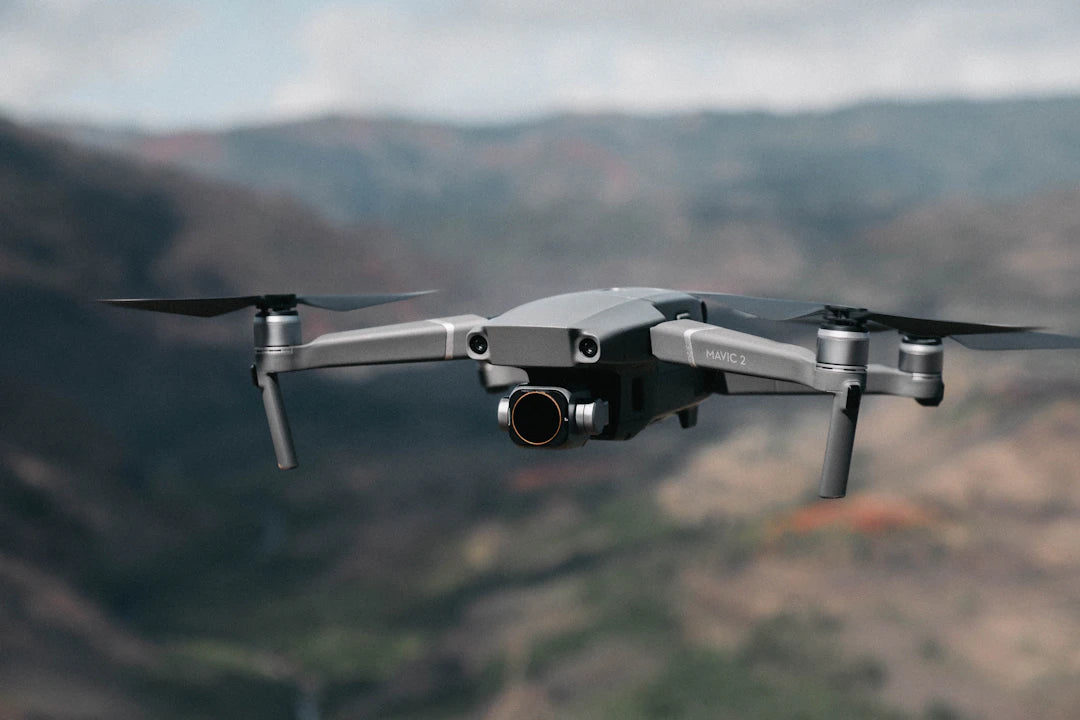
Drones for Education: Integrating Technology in Classrooms
Overview
This article explores the integration of drones into educational settings, highlighting their potential to enhance STEM education, foster creativity, and develop real-world skills among students. Readers will learn about the various applications of drones in classrooms, the benefits and challenges of their use, and strategies for successful implementation. Ultimately, the piece emphasizes the transformative impact of drone technology on modern education and its role in preparing students for future careers.
Table of Contents
- Understanding the Role of Drones in Education
- The Pedagogical Value of Drones
- Applications of Drones in Educational Settings
- 1. Enhancing STEM Education
- 2. Field Surveys and Data Collection
- 3. Creative Arts and Photography
- 4. Robotics and Programming
- Benefits of Using Drones in Education
- Challenges to Overcome
- 1. Cost Factors
- 2. Regulatory Compliance
- 3. Safety Concerns
- 4. Teacher Training
- Strategies for Successful Integration
- Paving the Way for the Future
In recent years, drones have made significant inroads into various industries, and education is no exception. Schools across the globe are recognizing the potential of integrating drones into their curricula, promoting STEM education, enhancing engagement, and preparing students for the future job market. This article delves into how schools are harnessing the power of drones for education, exploring their applications, benefits, challenges, and what the future holds.
Understanding the Role of Drones in Education
As technology evolves, it's essential for educational institutions to keep pace with advancements that can enrich learning experiences. Drones, specifically DJI Enterprise Drones, offer a unique avenue for teachers to captivate their students' imaginations while instilling critical skills such as problem-solving, teamwork, and technical expertise.
The Pedagogical Value of Drones
Drones provide hands-on learning opportunities that traditional teaching methods might lack. They can be integrated into various subjects, such as:
- Science: Students can explore aerial photography, mapping, and environmental monitoring.
- Mathematics: Drones can be used to teach geometry through flight path calculations.
- Technology: Students learn about software programming, data analysis and engineering principles.
- Art: Aerial photography can be an exciting way to express creativity.
Applications of Drones in Educational Settings
The potential applications of drones within educational environments are extensive. Here are just a few examples:
1. Enhancing STEM Education
STEM (Science, Technology, Engineering, and Mathematics) programs are essential for equipping students with the necessary skills to thrive in a technology-driven world. Integrating drones into STEM curricula allows students to engage in complex, real-world problem-solving, making theoretical concepts more tangible and exciting.
2. Field Surveys and Data Collection
Drones are invaluable for outdoor educational activities, such as environmental science projects, where students gather data related to ecosystems and topography. For instance, using drones equipped with underwater drone cameras can help in studying aquatic environments, allowing students to visually inspect underwater habitats and gather real-time data.
3. Creative Arts and Photography
Students with an interest in photography and videography can utilize drones to capture stunning aerial views, enhancing their artistic projects. Aerial imagery can be used not only for creative expression but also for projects in geography and history classes, where aerial perspectives provide valuable context.
4. Robotics and Programming
Drones can be programmed to perform specific tasks, allowing students to delve into the world of coding. By learning to write software that guides drones on their missions, students can develop critical programming skills and gain experience in robotics.
The need for educators to familiarize themselves with drone technology and how to utilize it in an educational context is evident. To accomplish this, various training resources, workshops, and online courses are available for teachers interested in incorporating drones into their teaching.
Benefits of Using Drones in Education
Adopting drone technology in schools comes with numerous advantages that extend beyond merely teaching students how to fly a drone:
| Benefit | Description |
|---|---|
| Engagement | Drones capture students' attention and create excitement around learning. |
| Teamwork | Students work collaboratively on projects involving drones, promoting teamwork and communication. |
| Real-World Skills | Students gain valuable skills that are directly applicable in various industries. |
| Adaptability | Drones can be utilized across multiple curricula and subjects. |
Challenges to Overcome
While the integration of drone technology into educational settings presents an array of benefits, it's essential to acknowledge the challenges associated with it. Some of the hurdles include:
1. Cost Factors
Acquiring drones and the necessary equipment can be a significant investment for schools. This often leads to budget constraints that may restrict the implementation of drone programs.
2. Regulatory Compliance
Drones are subject to regulations, and schools must navigate the legalities surrounding drone flights. Understanding regulations at both local and federal levels can be overwhelming for educators.
3. Safety Concerns
Safety is paramount when operating drones, especially in crowded areas such as school campuses. Establishing clear safety protocols is essential for promoting responsible drone use.
4. Teacher Training
Educators may lack technical knowledge and experience to operate drones effectively. Providing professional development opportunities to help teachers become proficient in drone operations is essential.
Strategies for Successful Integration
To help schools successfully integrate drone technology into their curricula, here are a few strategies that can be adopted:
- Develop a Drone Program: Schools should create dedicated programs focusing on drone technology, pedagogy, and ethical use.
- Collaborate with Experts: Partnering with local colleges, drone companies, or experts in the field can provide valuable resources and knowledge.
- Establish Guidelines: Develop clear guidelines for drone usage that comply with regulations and ensure safe practices.
- Incorporate feedback: Listen to students' and teachers' experiences to continuously improve the program.
- Explore Funding Options: Look for grants, sponsorships, or community partnerships that can help offset equipment and training costs.
Paving the Way for the Future
The integration of drones in education is still in its infancy, but as technology continues to evolve, the possibilities will only expand. Schools embracing this trend stand to benefit immensely from it.
In the future, we can expect to see more advanced drone technology, such as improved DJI Enterprise Drones for educational purposes. These advancements will facilitate even greater interactivity and engagement, fostering a more innovative learning environment. Furthermore, as regulatory frameworks become more adaptable, schools can create even more comprehensive education programs that focus on vital technology skills, preparing students for future careers.
Ultimately, integrating drones into education represents a transformative leap toward modernizing the learning experience. As educators, administrators, and policymakers refine their understanding and application of this technology, they pave the way for exciting educational developments. Investing in drone technology today is not just about keeping pace with innovation; it is about preparing the leaders of tomorrow.
Key Takeaways
- Drones enhance STEM education by providing hands-on experiences that make learning engaging and applicable to real-world scenarios.
- Applications in various subjects include environmental monitoring in science, geometry in mathematics, and creative expression in art through aerial photography.
- Collaborative projects promote teamwork and communication skills among students when working with drones.
- Cost and regulatory challenges can hinder the implementation of drone programs in schools, requiring careful planning and compliance with laws.
- Professional development for educators is crucial to ensure they have the necessary skills to effectively integrate drones into their teaching.
- Future advancements in drone technology promise to enhance educational experiences, making learning more interactive and innovative.
- Exploring funding options can help schools overcome budget constraints and support the integration of drone technology into curricula.
Pros and Cons
| Advantages of Drones in Education | Drawbacks of Drones in Education |
|---|---|
| Enhances student engagement and excitement around learning. | High initial costs for equipment and training. |
| Promotes teamwork and collaboration among students. | Regulatory compliance can be complex and challenging. |
| Equips students with real-world skills applicable in various careers. | Safety concerns, especially in crowded environments. |
| Versatile tool that can be integrated across multiple subjects. | Requires significant teacher training and professional development. |
Linked Product

DJI Matrice 30T M30T Complete Ready to Fly Kit (2 Batteries, No Care)
The DJI Matrice 30T M30T Complete Ready to Fly Kit is designed for professionals needing a robust aerial solution in various environmental conditions, featuring a maximum flight time of 41 minutes and a service ceiling of 7000 meters. Its advanced sensor systems and built-in ADS-B receiver enhance operational safety, while its lightweight, foldable design ensures easy portability and quick deployment. With integrated thermal and zoom cameras, this drone enables users to capture detailed aerial data for various educational and commercial applications.
View ProductWho It's For (And Not For)
Who It's For
- Educators Seeking Innovation: Teachers looking to enhance their curriculum with modern technology and engage students in new ways.
- STEM Program Coordinators: Those responsible for developing STEM programs that require hands-on, real-world applications.
- Schools with Budget Flexibility: Institutions that can allocate funds for drone technology and training.
- Creative Arts Instructors: Teachers in art and photography who want to incorporate aerial perspectives into their projects.
- Students Interested in Technology: Learners eager to develop skills in programming, robotics, and data analysis.
Who It's Not For
- Schools with Strict Budgets: Institutions that cannot afford the initial investment in drones and related equipment.
- Educators Unfamiliar with Technology: Teachers who lack the technical knowledge or experience to effectively integrate drones into their teaching.
- Administrators Concerned About Safety: Schools that prioritize safety and cannot ensure safe drone operation in crowded environments.
- Communities with Regulatory Restrictions: Areas where drone usage is heavily regulated, making implementation difficult.
- Traditional Educators: Teachers who prefer conventional teaching methods and may not see the value in adopting new technology.
Frequently Asked Questions
1. How are drones used in education?
2. What are the benefits of integrating drones into school curricula?
3. What challenges do schools face when implementing drone programs?
4. What strategies can schools use for successful drone integration?
5. What does the future hold for drones in education?
Glossary
| Term | Meaning |
|---|---|
| Drones | Unmanned aerial vehicles used for various applications. |
| STEM | Education focused on Science, Technology, Engineering, and Mathematics. |
| Aerial Photography | Capturing images from an elevated perspective using drones. |
| Data Collection | Gathering information for analysis, often using drones in field surveys. |
| Programming | Writing code to control drone operations and tasks. |
| Safety Protocols | Guidelines established to ensure safe drone operation. |
| Regulatory Compliance | Adhering to laws and regulations governing drone usage. |
| Engagement | Capturing students' interest and involvement in learning. |
| Teacher Training | Professional development for educators to effectively use drones. |
| Creative Arts | Using drones for artistic expression in photography and videography. |