Advanced Thermal Drones for Effective Emergency Response
Overview
This article explores the critical role of thermal drones in emergency response, highlighting their ability to gather and analyze data quickly during crises. Readers will learn about the most effective thermal drones available, their key features, and how they enhance safety and efficiency in various emergency situations, from search and rescue missions to disaster management. The discussion emphasizes the importance of advanced technology in improving response times and decision-making for first responders.
Table of Contents
- Why Thermal Drones Matter in Emergencies
- Key Features to Consider When Choosing a Thermal Drone
- Spotlight on Leading Thermal Drones
- DJI Matrice 30T M30T Enterprise Thermal Drone
- DJI Matrice 4T Thermal Intelligent Multi-Sensor Drone
- DJI Mavic 3 Thermal Advanced (Universal Edition)
- Autel Robotics EVO Lite 640T Enterprise Premium Package
- Conclusion
In the realm of emergency response, the ability to quickly gather and analyze data can make all the difference. From search and rescue missions to disaster management, thermal drones offer a powerful solution that combines advanced technology with practical applications. This article delves into some of the most effective thermal drones currently available, highlighting their features and how they contribute to enhanced safety and efficiency in emergency situations.
Why Thermal Drones Matter in Emergencies
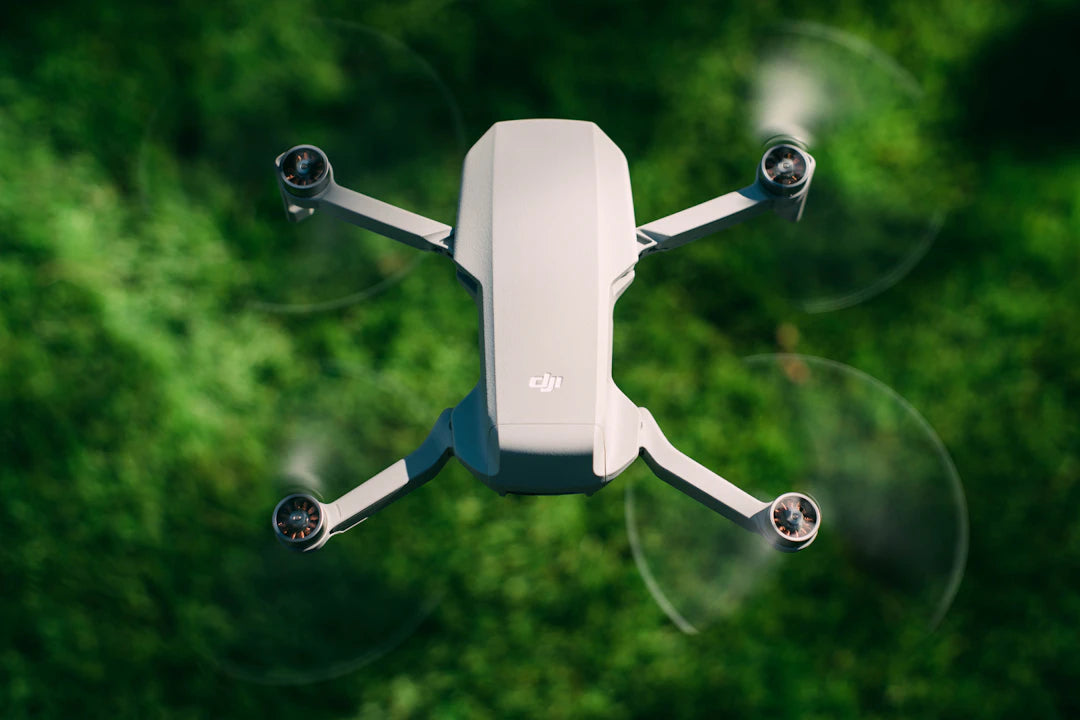
Thermal drones utilize infrared technology to capture heat signatures, making them invaluable tools in various emergency scenarios. These drones can detect individuals lost in the wilderness, locate hotspots in firefighting situations, and assist in surveillance during public safety operations. With high-resolution cameras and extended flight times, thermal drones provide first responders with real-time information, enabling more informed decision-making. Let's explore some of the leading options in this category.
Key Features to Consider When Choosing a Thermal Drone
When selecting a thermal drone for emergency response, several factors come into play. Here’s a quick guide to help you make an informed decision:
- Camera Quality: Look for drones equipped with high-resolution thermal cameras and optical sensors. A 4K camera drone professional can provide better imagery for analysis.
- Flight Time: Long flight times allow for extended missions without the need for frequent recharging.
- Portability: Compact and lightweight models are easier to transport, especially in emergency situations.
- Weather Resistance: Drones with enhanced durability can operate in adverse weather conditions, increasing their reliability.
- User-Friendliness: Drones that are easy to operate allow quick deployment, which is crucial in emergencies.
Spotlight on Leading Thermal Drones
Now, let's take a closer look at some of the top thermal drones that are making waves in the emergency response field:
DJI Matrice 30T M30T Enterprise Thermal Drone

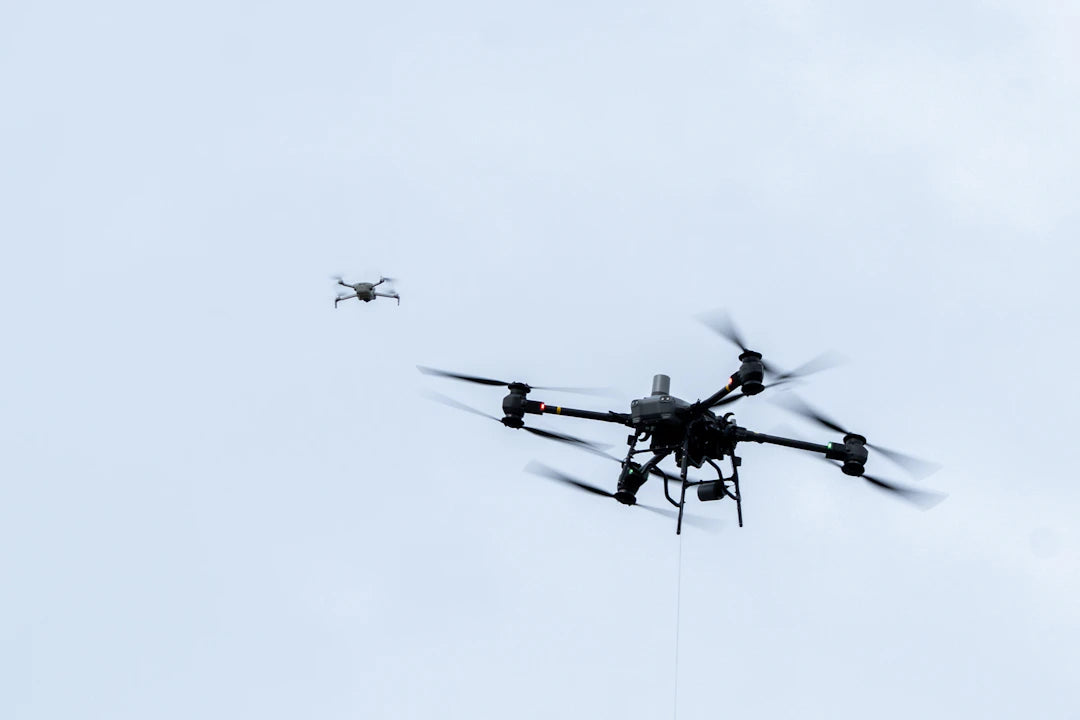
The DJI Matrice 30T M30T Enterprise Thermal Drone is a powerhouse designed with emergency responders in mind. It boasts a maximum flight time of 41 minutes, enabling prolonged aerial surveillance. This drone can withstand wind speeds of 15 m/s and operates effectively in temperatures from -20°C to 50°C, making it suitable for a wide range of environmental conditions.
Moreover, the M30T integrates three types of cameras—wide, zoom, and thermal—along with a laser rangefinder. These features ensure that emergency responders can capture all necessary data in real-time, whether it's for search and rescue missions or fire monitoring. The dual-vision and Time-of-Flight (ToF) sensors enhance safety by providing warnings against potential collisions, thus reinforcing the reliability of the drone during critical operations.
DJI Matrice 4T Thermal Intelligent Multi-Sensor Drone

Another exceptional option is the DJI Matrice 4T Thermal Intelligent Multi-Sensor Compact Drone. This drone is designed for versatility, capable of handling a variety of tasks across industries such as public safety and forestry conservation. Its compact design does not compromise on performance, offering multiple camera configurations including wide-angle, medium telephoto, and telephoto lenses.
With enhanced sensing capabilities and AI-powered features, the Matrice 4T allows for smart detection and measurement, significantly improving the efficiency of rescue missions. Its user-friendly interface also makes it accessible for both novice and experienced operators, ensuring that missions can be executed swiftly and effectively.
DJI Mavic 3 Thermal Advanced (Universal Edition)

The DJI Mavic 3 Thermal Advanced serves as an excellent choice for those needing a compact yet powerful drone. With a maximum flight time of 45 minutes and a hybrid zoom capability of up to 56x, this drone is perfect for detailed aerial inspections and emergency operations. The thermal camera operates with a resolution of 640 x 512 pixels, delivering crisp imagery that can be crucial for search and rescue missions.
Additionally, the Mavic 3’s portability makes it easy to deploy in time-sensitive situations, ensuring that emergency responders can act quickly. Its intuitive controls suit both beginners and seasoned pilots, streamlining the process of retrieving essential information during emergencies.
Autel Robotics EVO Lite 640T Enterprise Premium Package

Lastly, the Autel Robotics EVO Lite 640T Enterprise Premium Package stands out with its dual camera system, which offers both visible light and thermal imaging capabilities. This multifunctionality allows for detailed inspections and improved situational awareness during emergencies. Its lightweight design (866 grams) ensures easy transport and quick deployment without sacrificing performance.
The EVO Lite's impressive features include a 12 km transmission range and a flight time of 40 minutes, making it a reliable choice for emergencies. The intuitive Autel Enterprise app further facilitates mission planning and execution, ensuring that public safety officials can act swiftly and effectively when lives are at stake.
Conclusion
Thermal drones represent a game-changing technology for emergency response teams. Their ability to quickly assess situations and gather vital data is indispensable in crisis scenarios. Whether you’re considering the robust capabilities of the DJI Matrice 30T, the versatile DJI Matrice 4T, the compact Mavic 3 Thermal Advanced, or the efficient Autel EVO Lite 640T, each offers unique strengths for various applications.
As technology continues to evolve, so too will the capabilities of these drones, ultimately enhancing our ability to respond to emergencies more effectively and efficiently. With the right thermal drone, you can ensure that your response team is equipped for success when it matters most.
Key Takeaways
- Thermal drones utilize infrared technology to capture heat signatures, crucial for search and rescue, firefighting, and public safety surveillance.
- Key features to consider when selecting a thermal drone include camera quality, flight time, portability, weather resistance, and user-friendliness.
- DJI Matrice 30T offers a flight time of 41 minutes, three camera types, and robust weather resistance, making it ideal for emergency services.
- DJI Matrice 4T is compact and versatile, featuring multiple camera configurations and AI capabilities for enhanced efficiency in rescue missions.
- DJI Mavic 3 Thermal Advanced boasts a flight time of 45 minutes and a hybrid zoom capability of up to 56x, suitable for detailed inspections in emergencies.
- Autel Robotics EVO Lite 640T features a dual camera system with visible light and thermal imaging, providing versatility and a flight time of 40 minutes.
- Investing in the right thermal drone enhances emergency response capabilities, ensuring teams are prepared for crisis situations effectively.
Pros and Cons
| Advantages | Drawbacks |
|---|---|
| Rapid data collection and analysis enhances decision-making in emergencies. | High initial investment costs for advanced thermal drones. |
| Equipped with high-resolution cameras for detailed imagery. | Requires training for effective operation, especially for complex models. |
| Extended flight times allow for prolonged missions without recharging. | Weather conditions can still limit operational effectiveness. |
| Compact and portable designs facilitate quick deployment. | Maintenance and repair can be costly and time-consuming. |
| Advanced features like AI enhance situational awareness and efficiency. | Dependence on technology may lead to vulnerabilities in critical situations. |
Who It's For (And Not For)
Who It's For
- Emergency Responders: Individuals or teams involved in search and rescue, firefighting, or disaster management will find thermal drones invaluable for their operations.
- Public Safety Officials: Law enforcement and public safety personnel looking to enhance situational awareness during emergencies can benefit from the advanced features of thermal drones.
- Organizations with Budget for Technology: Agencies that have the financial resources to invest in high-quality thermal drones will be able to maximize their effectiveness in critical situations.
- Tech-Savvy Users: Those who are comfortable with technology and can quickly learn to operate advanced drone systems will find these drones easy to deploy in emergencies.
Who It's Not For
- Casual Users: Individuals looking for a simple recreational drone without advanced features may find thermal drones overly complex and unnecessary.
- Budget-Conscious Organizations: Agencies or teams with limited funding may struggle to justify the investment in high-end thermal drones that are designed for specialized applications.
- Inexperienced Operators: Users without prior drone flying experience may find the advanced functionalities and controls of thermal drones challenging to master.
- Organizations with Limited Need for Thermal Imaging: Those who do not operate in environments where heat signature detection is critical may not benefit from the capabilities of thermal drones.
Comparison at a Glance
| Option | Best for | Strengths | Trade-offs |
|---|---|---|---|
| DJI Matrice 30T M30T Enterprise Thermal Drone | Emergency services | 41 min flight time, multiple camera types, durable in harsh conditions | Higher cost, may require advanced piloting skills |
| DJI Matrice 4T Thermal Intelligent Multi-Sensor Compact Drone | Versatile applications | Compact design, user-friendly, AI-powered features | Limited flight time compared to larger models |
| DJI Mavic 3 Thermal Advanced (Universal Edition) | Detailed inspections | 45 min flight time, hybrid zoom, portable | Less robust than enterprise models |
| Autel Robotics EVO Lite 640T Enterprise Premium Package | Multi-mission versatility | Dual camera system, lightweight, intuitive app | Shorter battery life compared to competitors |
Frequently Asked Questions
1. What are thermal drones used for in emergency response?
2. What key features should I consider when choosing a thermal drone for emergencies?
3. Can you name some leading thermal drones in the market?
4. What benefits do the DJI Matrice 30T and Matrice 4T offer for emergency responders?
5. How does the Autel EVO Lite 640T facilitate emergency operations?
Glossary
| Term | Meaning |
|---|---|
| Thermal Drone | A drone that uses infrared technology to detect heat signatures. |
| Flight Time | The duration a drone can operate before needing a recharge. |
| Camera Quality | The resolution and capabilities of a drone's imaging system. |
| Portability | The ease of transporting and deploying a drone. |
| Weather Resistance | The ability of a drone to operate under adverse weather conditions. |
| User-Friendliness | The ease of operation for both novice and experienced users. |
| Real-Time Information | Data provided instantly during operations to aid decision-making. |
| AI-Powered Features | Intelligent functionalities that enhance drone operation and efficiency. |
| Dual Camera System | A setup that includes both thermal and visible light cameras. |
| Search and Rescue | Operations aimed at locating and assisting individuals in distress. |