The Evolution of Drones: A Brief History
Overview
This article delves into the evolution of drones, tracing their journey from military origins to their current status as essential tools in various industries. Readers will learn about significant technological advancements, the rise of commercial applications, and the impact of models like the DJI Mavic 3 Pro on aerial photography. Additionally, the article highlights the regulatory landscape and future trends shaping the drone industry.
Table of Contents
- The Early Beginnings of Drones
- The First Steps in Drone Technology
- Post-War Developments
- The Rise of Commercial Drone Systems
- The 1990s to Early 2000s: A Shift in Perspective
- Major Breakthroughs in Technology
- The Drone Boom: Enthusiasts and Professionals
- Mapping the Growth of Consumer Drones
- Professional Uses of Drones
- Introducing the DJI Mavic 3 Pro
- Impressive Features of the DJI Mavic 3 Pro
- Why the DJI Mavic 3 Pro Stands Out
- Regulatory Landscape: The Law and Drones
- Key Regulations for Drone Operators
- The Future of Drones
- Emerging Technologies Shaping Drones
- Expanding the Drone Market
- Embrace the Drone Revolution!
Drones have rapidly evolved from simple hobbyist gadgets to complex systems used in multiple industries. In this blog post, we will explore the fascinating history of drones, their technological advancements, and their applications. Join us as we uncover the journey of commercial drone systems and the groundbreaking DJI Mavic 3 Pro that showcases the pinnacle of aerial photography.
The Early Beginnings of Drones
The concept of unmanned aerial vehicles (UAVs) has roots that date back over a century. The early use of drones was primarily in military operations, where they served essential roles in reconnaissance and surveillance.
The First Steps in Drone Technology
The first recorded use of drone technology was during World War I. The U.S. military developed several functional UAVs, such as the Kettering Bug, which was a primitive cruise missile. This innovation laid the groundwork for future drone development.
Post-War Developments
After WWII, the technology continued to grow. The Vietnam War saw the introduction of the Ryan Firebee, an early reconnaissance drone. It captured crucial images, proving that aerial surveillance could significantly reduce risks to pilots.
The Rise of Commercial Drone Systems
The commercial potential for drones began to emerge in the late 20th century. With the advent of more advanced technology, drones transitioned from military use to commercial applications, and businesses started recognizing their value.
The 1990s to Early 2000s: A Shift in Perspective
In the 1990s, companies began to experiment with UAVs for agricultural purposes, aerial photography, and environmental monitoring. The use of drones in agriculture has significantly increased productivity through advanced crop monitoring, while aerial photography opened new avenues for marketing materials.
Major Breakthroughs in Technology
The introduction of GPS technology and high-resolution cameras has transformed how drones operate. Commercial drone systems now leverage these advancements, allowing for features such as:
- Enhanced navigation and positioning
- Automated flight paths
- Real-time imaging capabilities
The Drone Boom: Enthusiasts and Professionals
By the mid-2010s, drones had gained significant popularity among hobbyists and professionals alike. The introduction of store-friendly models made them accessible to a broader audience.
Mapping the Growth of Consumer Drones
More and more companies entered the drone market, leading to increased competition and innovation. One notable entrant during this time was DJI, a brand that would become synonymous with high-quality consumer and professional drones.
Professional Uses of Drones
As the technology progressed, so did the applications. Drones began being used in a wide array of industries, including:
- Agriculture: Precision farming techniques use drones to monitor crop health.
- Construction: Site surveying and progress monitoring have become dramatically more efficient.
- Film and Photography: Aerial shots elevate many visual productions, making them more captivating.
- Emergency Response: Drones provide vital support for search and rescue operations in hard-to-reach areas.
Introducing the DJI Mavic 3 Pro
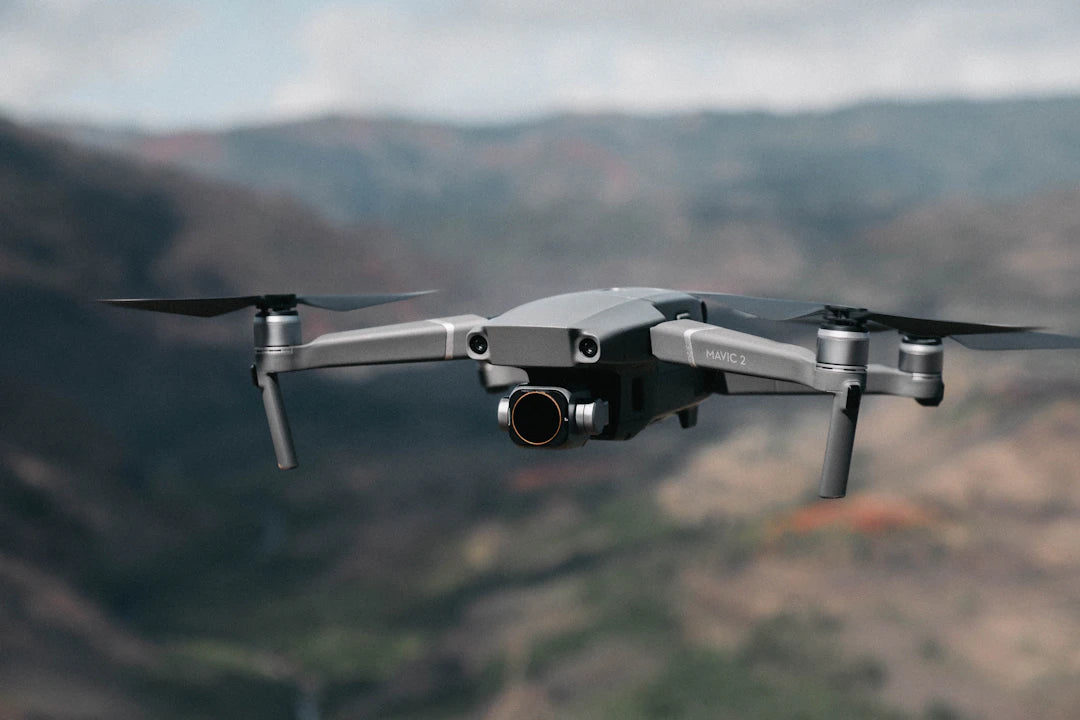
As drone technology matured, the DJI Mavic 3 Pro emerged as a key player in the commercial drone system market. This high-end aerial camera has set a new standard for what can be achieved with UAVs.
Impressive Features of the DJI Mavic 3 Pro
| Feature | Details |
|---|---|
| Pixel Count | 18 million or above |
| Battery Life | 43 minutes |
| Battery Capacity | 5000mAh |
| Flight Altitude | Over 120 meters |
| Control Mode | Remote control |
| Image Transmission Distance | 7km |
| Obstacle Avoidance | Yes |
Why the DJI Mavic 3 Pro Stands Out
The DJI Mavic 3 Pro is renowned for its remarkable capabilities, which make it an ideal choice for professionals. Its long battery life, exceptional imaging quality, and advanced obstacle avoidance technology allow users to operate safely and effectively in various environments.
Regulatory Landscape: The Law and Drones
As drones have become increasingly popular, regulations governing their use have also evolved. Governing bodies like the Federal Aviation Administration (FAA) in the United States have introduced necessary regulations to ensure safe and responsible use.
Key Regulations for Drone Operators
For businesses and hobbyists looking to operate drones legally, it is essential to understand these regulations, which may include:
- Registering your drone.
- Obtaining necessary permits for commercial use.
- Adhering to flight altitude and airspace restrictions.
- Having liability insurance for business operations.
The Future of Drones
The drone industry is poised for even more significant advancements in the future. As technology continues to improve, we can expect to see:
Emerging Technologies Shaping Drones
Some transformative developments that will further enhance drone capabilities include:
- Artificial Intelligence: Intelligent drones equipped with AI will improve navigation, obstacle detection, and decision-making.
- Delivery Systems: Several companies are experimenting with drone delivery, promising to revolutionize the logistics and e-commerce industries.
- Integration with IoT: Drones may become connected devices that help collect data for various applications, integrating seamlessly with other Internet of Things (IoT) devices.
Expanding the Drone Market
As interests in drone technology grow, we will see expansion into new industries. The use of drones in health care and wildlife conservation illustrates how versatile these devices can be. Drones can deliver medical supplies to remote locations and monitor endangered species without disturbing their habitats.
Embrace the Drone Revolution!
The evolution of drones is a testament to the potential that technology has in transforming our lives and industries. Whether you are a professional drone operator or just a curious enthusiast, the world of UAVs offers endless possibilities—like capturing stunning aerial views with the advanced capabilities of the DJI Mavic 3 Pro or utilizing commercial drone systems for practical applications. The sky is no longer the limit; it is just the beginning!
Key Takeaways
- Drones have evolved from military tools to versatile commercial systems, significantly impacting industries like agriculture, construction, and emergency response.
- The DJI Mavic 3 Pro is a leading model in the market, known for its long battery life, high-resolution imaging, and advanced obstacle avoidance technology.
- Major technological advancements such as GPS integration and high-resolution cameras have propelled the functionality and accessibility of drones.
- Regulatory frameworks are crucial for safe drone operation, requiring registration, permits, and adherence to flight restrictions.
- Emerging technologies like artificial intelligence and IoT integration are set to further enhance drone capabilities and applications in various sectors.
- The future of drones includes expansion into healthcare and wildlife conservation, showcasing their potential for innovative solutions.
- Consumer interest in drones has surged, leading to increased competition and innovation in the drone market.
Pros and Cons
| Advantages of Drones | Drawbacks of Drones |
|---|---|
| Enhanced efficiency in various industries, such as agriculture and construction. | Regulatory challenges and the need for compliance with local laws. |
| Advanced technology allows for high-quality imaging and real-time data collection. | Potential privacy concerns related to surveillance and data collection. |
| Accessibility for both professionals and hobbyists, leading to increased innovation. | High initial costs for advanced models like the DJI Mavic 3 Pro. |
| Versatile applications across various sectors, including emergency response and logistics. | Technical challenges and the need for ongoing maintenance and updates. |
Linked Product

DJI Mavic 3 Pro Three Camera Flagship Aerial Camera DJI Mavic 3 Pro Cine HD Professional Master Edition Aerial Camera
The DJI Mavic 3 Pro is a flagship aerial camera designed for professional use, featuring a triple-camera system for versatile photography with a pixel count of 18 million or above. With a remarkable battery life of 43 minutes and a maximum flight altitude exceeding 120 meters, it allows for extended use and high-altitude captures. Its intelligent obstacle avoidance function and a control range of 7km enhance safety and ease of operation during flights.
View ProductWho It's For (And Not For)
Who It's For
- Professionals in Photography and Videography: Those looking to capture high-quality aerial shots will benefit from the advanced imaging capabilities of drones like the DJI Mavic 3 Pro.
- Agricultural Businesses: Farmers and agricultural professionals who require precision farming techniques to monitor crop health and improve productivity.
- Construction and Surveying Firms: Companies that need efficient site surveying and progress monitoring can leverage drone technology for enhanced operational efficiency.
- Emergency Response Teams: Organizations involved in search and rescue operations that require drones for access to hard-to-reach areas.
Who It's Not For
- Casual Users Without Specific Needs: Individuals who are not interested in utilizing drones for professional or practical applications may find limited value in investing in advanced drone technology.
- Those Unwilling to Comply with Regulations: Potential operators who do not wish to navigate the regulatory landscape governing drone use may face challenges in legally flying drones.
- People Seeking Basic Recreational Use: Hobbyists who only want simple flying experiences may not need the sophisticated features offered by high-end drones like the DJI Mavic 3 Pro.
- Individuals Not Prepared for Maintenance: Users who do not want to invest time in maintaining and understanding drone technology may find it frustrating to use advanced systems.
Frequently Asked Questions
1. What are drones used for today?
2. What is the DJI Mavic 3 Pro?
3. When did drones first come into use?
4. What are some key features of the DJI Mavic 3 Pro?
5. What are the regulations for operating drones in the U.S.?
Glossary
| Term | Meaning |
|---|---|
| Drones | Unmanned aerial vehicles (UAVs) used for various applications. |
| UAV | Aerial vehicle operated without a human pilot on board. |
| DJI Mavic 3 Pro | A high-end drone known for advanced aerial photography capabilities. |
| GPS Technology | Global Positioning System used for navigation and positioning. |
| Obstacle Avoidance | Technology that helps drones detect and avoid obstacles during flight. |
| Commercial Drones | Drones used for business purposes, such as agriculture and photography. |
| Regulatory Landscape | Rules and guidelines governing the use of drones. |
| Artificial Intelligence | Technology that enables drones to make smart decisions and improve operations. |
| Delivery Systems | Methods for using drones to transport goods directly to consumers. |
| IoT Integration | Connecting drones with other devices for data collection and analysis. |