Public Perception of Drones: Privacy vs. Progress
Overview
As drones become increasingly integrated into daily life and various industries, public concerns about privacy and safety are growing. Addressing these issues is essential for fostering acceptance and innovation in drone technology. This discussion highlights strategies for balancing technological advancement with ethical considerations, ensuring that drones can be used effectively while respecting individual rights and community concerns.
Table of Contents
- Understanding Drones: A Brief Overview
- Public Perception: A Double-Edged Sword
- Positive Perceptions
- Negative Perceptions
- The Intersection of Technology and Ethics
- Regulatory Frameworks
- Strategies for Addressing Privacy Concerns
- Transparency and Education
- Implementing Privacy Features
- Engaging with Community
- The Future of Drones: Striking a Balanced Approach
- A Vision for a Harmonious Future
As drones continue to gain popularity for both personal and commercial use, they have sparked an essential debate surrounding public perception, privacy issues, and technological advancement. With their potential for delivering intelligent drone applications across various sectors, the balance between technological progress and individual privacy concerns remains a crucial topic of discussion. This article delves into public perceptions of drones, the implications of their use, and how developers can address these concerns while continuing to innovate.
Understanding Drones: A Brief Overview
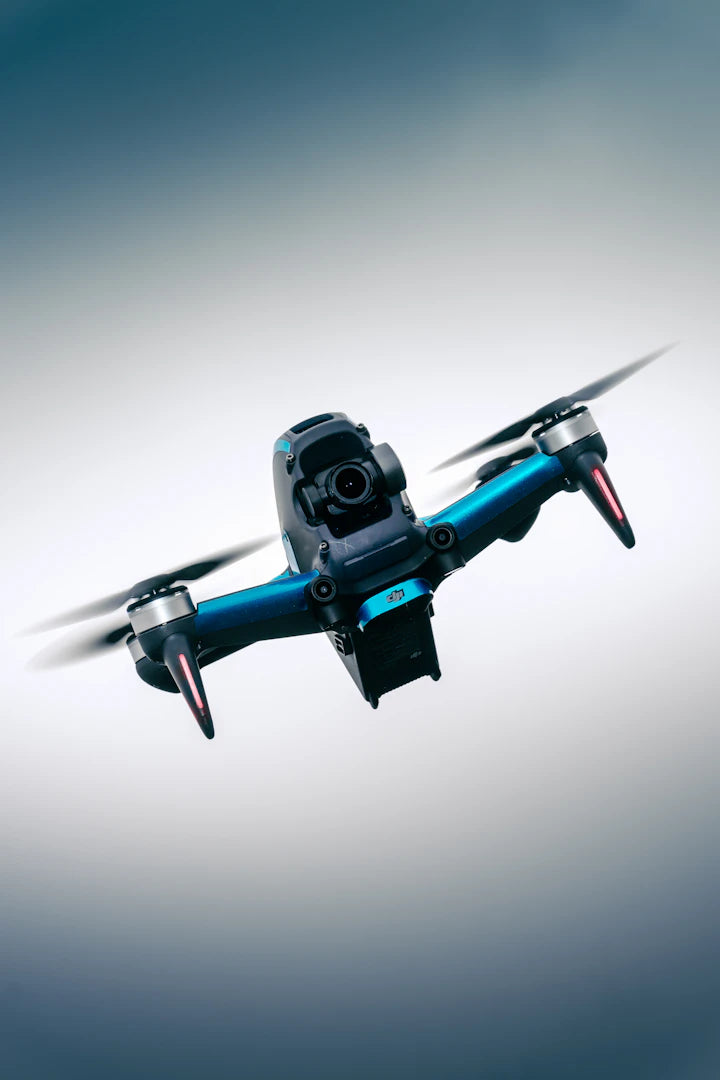
Drones, or unmanned aerial vehicles (UAVs), have evolved dramatically over the years. Initially developed for military purposes, these devices are now employed in numerous sectors, including agriculture, delivery services, emergency response, and industrial inspections. The rise of intelligent drones has further expanded their applications, leading to more efficient and effective industrial drone solutions.
The capabilities of modern drones, such as those in the DJI Matrice 4 Series, illustrate this evolution. With advanced features including smart detection, enhanced sensing capabilities, and improved safety protocols, UAVs are becoming powerful tools in various industries, from electricity management to forestry conservation.
Public Perception: A Double-Edged Sword
The public perception of drones is as varied as their applications. On one hand, many see the benefits these intelligent machines offer; on the other hand, concerns about privacy and misuse persist. To better understand this complex landscape, it is essential to explore both sides of the argument.
Positive Perceptions
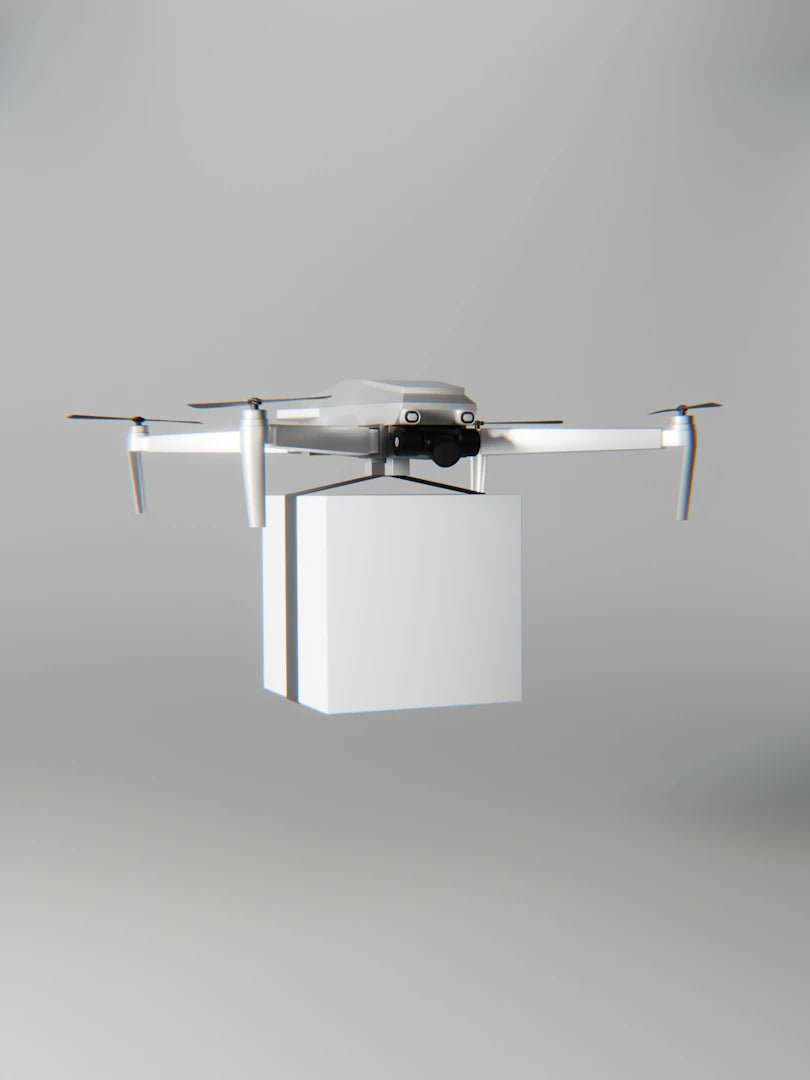
- Enhanced Services: Drones can expedite deliveries, assist in emergency situations, and provide real-time aerial footage for various industries.
- Efficiency: The use of industrial drone solutions can significantly reduce operational costs and time in many sectors, leading to improved productivity.
- Innovation: Drones represent a significant leap in technological advancement, paving the way for new applications and services that were previously unimaginable.
Negative Perceptions
- Privacy Concerns: Many individuals fear that drones could be used to invade their privacy, capturing images or videos without consent.
- Safety Issues: There are apprehensions about drone accidents and their potential for causing harm to individuals or property.
- Regulatory Challenges: The evolving regulatory landscape can create uncertainty about where and how drones can be used safely and legally.
The Intersection of Technology and Ethics
As advanced technologies mature, ethical considerations become increasingly vital. For drones, the challenge lies in addressing privacy concerns while maintaining their potential for innovation. Striking this balance requires collaboration between manufacturers, lawmakers, and the public.
Regulatory Frameworks
| Region | Current Regulations | Future Proposals |
|---|---|---|
| United States | FAA regulations require recreational drone operators to keep UAVs within sight and below 400 feet. | Proposals include mandatory identification technologies for drones to ensure accountability. |
| European Union | EU regulations necessitate registration and certification for drones above a certain weight. | Discussion around more stringent privacy protections in drone operations is ongoing. |
| Asia-Pacific | Regulations can vary widely; some nations have established strict guidelines while others are still developing frameworks. | Efforts to standardize regulations across countries could emerge to facilitate greater commercial drone use. |
Strategies for Addressing Privacy Concerns
To assuage public fears about drones infringing on privacy rights, developers and operators can adopt several strategies:
Transparency and Education
One of the most effective ways to mitigate concerns is through transparency. Drones should be marked clearly, and operators should be willing to provide information about how they are used. Additionally, public education on drone technology and its potential benefits can promote understanding and acceptance.
Implementing Privacy Features
Developers can integrate privacy features into drones. For instance, intelligent drones could limit their recording capabilities in certain areas or utilize geofencing to avoid sensitive locations. Such measures can reassure the public that operators respect privacy boundaries.
Engaging with Community
Fostering dialogue within the community about drone use can create positive relationships and help address concerns directly. Hosting forums or public meetings can allow stakeholders to voice their opinions and ask questions, creating a sense of shared governance over drone operations.
The Future of Drones: Striking a Balanced Approach
The future of drone technology hinges on balancing progress with privacy concerns. As public awareness grows and technology continues to advance, achieving this balance will require collaboration between industry leaders, government regulators, and everyday citizens. Companies like Dronez Technologies are at the forefront of this movement, providing intelligent drone solutions that respect privacy without compromising innovation.
A Vision for a Harmonious Future
As we look toward the future, it is essential to envision a society where drones can operate safely and ethically. This means developing robust regulations, actively involving the public in discussions about drone usage, and continually addressing privacy concerns. Only through collective efforts can we harness the full potential of drones while safeguarding individual rights.
The ongoing evolution of drone technology presents an exciting opportunity for progress in various industries. With conscientious stewardship and open dialogue, the potential for positive societal impact is limitless. Embracing this journey, we can pave the way for a future where drones enhance our lives while respecting our privacy.
Key Takeaways
- Drones have evolved from military tools to versatile devices, being used in sectors like agriculture, delivery, and emergency response.
- Public perception of drones is mixed, with benefits like enhanced services and efficiency countered by concerns over privacy and safety.
- Regulatory frameworks are crucial for safe drone operations, with ongoing discussions about privacy protections and accountability measures.
- Transparency and education are essential strategies to alleviate public fears regarding drone usage and privacy violations.
- Integrating privacy features into drone technology, such as geofencing, can help respect individuals' privacy rights.
- Community engagement through forums and discussions can foster positive relationships and address concerns about drone operations.
- The future of drones depends on collaboration between industry leaders, regulators, and the public to strike a balance between innovation and privacy.
Pros and Cons
| Advantages of Drones | Drawbacks of Drones |
|---|---|
| Enhanced Services: Drones expedite deliveries and assist in emergencies. | Privacy Concerns: Fear of unauthorized surveillance and data collection. |
| Efficiency: Significant reduction in operational costs and time. | Safety Issues: Risks of accidents and potential harm to people or property. |
| Innovation: Paving the way for new applications and services. | Regulatory Challenges: Uncertainty regarding safe and legal usage. |
| Real-time Aerial Footage: Valuable insights for various industries. | Community Resistance: Public apprehension toward drone operations. |
Linked Product

DJI Matrice 4T Thermal Intelligent Multi-Sensor Compact Drone
The DJI Matrice 4T Thermal Intelligent Multi-Sensor Compact Drone is designed for enterprise applications, offering enhanced sensing capabilities and intelligent operations powered by AI. It features multiple camera options, including a high-resolution infrared thermal camera, making it suitable for industries such as public safety, emergency response, and forestry conservation. With its advanced laser range finder, users can perform precise measurements and improve collaboration through efficient information sharing.
View ProductWho It's For (And Not For)
Who It's For
- Tech Enthusiasts: Individuals who are excited about technological advancements and innovations in various sectors.
- Businesses in Need of Efficiency: Companies looking to improve operational efficiency and reduce costs through the use of drones.
- Emergency Responders: Organizations that can benefit from real-time aerial footage and quick delivery of supplies in critical situations.
- Agriculture Professionals: Farmers and agricultural businesses interested in using drones for monitoring crops and optimizing yields.
Who It's Not For
- Privacy-Conscious Individuals: Those who are particularly concerned about their privacy and the potential for drones to invade personal space.
- Safety Advocates: Individuals who prioritize safety and have apprehensions about the risks associated with drone operations.
- Regulatory Skeptics: People who are wary of the evolving regulatory landscape and the implications it has for drone usage.
- Community Members Against Drone Use: Residents in areas where drone operations are prevalent and who oppose their presence for various reasons.
Frequently Asked Questions
1. What are drones used for in various industries?
2. What are the positive perceptions of drones?
3. What privacy concerns are associated with drones?
4. How can developers address privacy concerns related to drones?
5. What is the future outlook for drone technology?
Glossary
| Term | Meaning |
|---|---|
| Drones | Unmanned aerial vehicles (UAVs) used for various applications. |
| Public Perception | How society views and reacts to drones and their uses. |
| Privacy Concerns | Fears regarding invasion of personal privacy by drones. |
| Regulatory Challenges | Issues related to laws governing drone operations. |
| Geofencing | A technology that restricts drone operation in certain areas. |
| Transparency | Openness about drone usage to build public trust. |
| Intelligent Drones | Drones equipped with advanced features for enhanced functionality. |
| Emergency Response | Use of drones in critical situations to provide aid. |
| Community Engagement | Involving the public in discussions about drone use and policies. |
| Safety Protocols | Guidelines to ensure safe operation of drones. |