The Art of Drone Racing: A Competitive Landscape
Overview
Drone racing has transformed into an exhilarating sport that combines speed, skill, and cutting-edge technology. With advancements making drones more accessible, newcomers can dive into this fast-paced world by selecting the right equipment, mastering flight techniques, and connecting with local communities. Whether you're aiming to compete or simply enjoy the thrill, understanding the essentials will set you on the path to success.
Table of Contents
- Understanding Drone Racing
- The Evolving Technology Behind Drone Racing
- The Competitive Landscape of Drone Racing
- Getting Started in Drone Racing
- 1. Choose Your Drone
- 2. Learn the Basics of Flight
- 3. Get Involved in a Community
- Key Skills for Competitive Drone Racing
- Exploring the Best Drones for Cinematography
- Regulations and Safety in Drone Racing
- The Future of Drone Racing
- Stay Ahead of the Curve
Drone racing has rapidly evolved from a niche hobby into a thrilling competitive sport that captivates audiences around the globe. With advanced technology making drones more accessible, enthusiasts are increasingly engaging in this dynamic environment, showcasing their skills and creativity. In this blog post, we'll delve into the exciting world of drone racing, exploring the competitive landscape, the technology that drives it, and what you need to know to get started.
Understanding Drone Racing
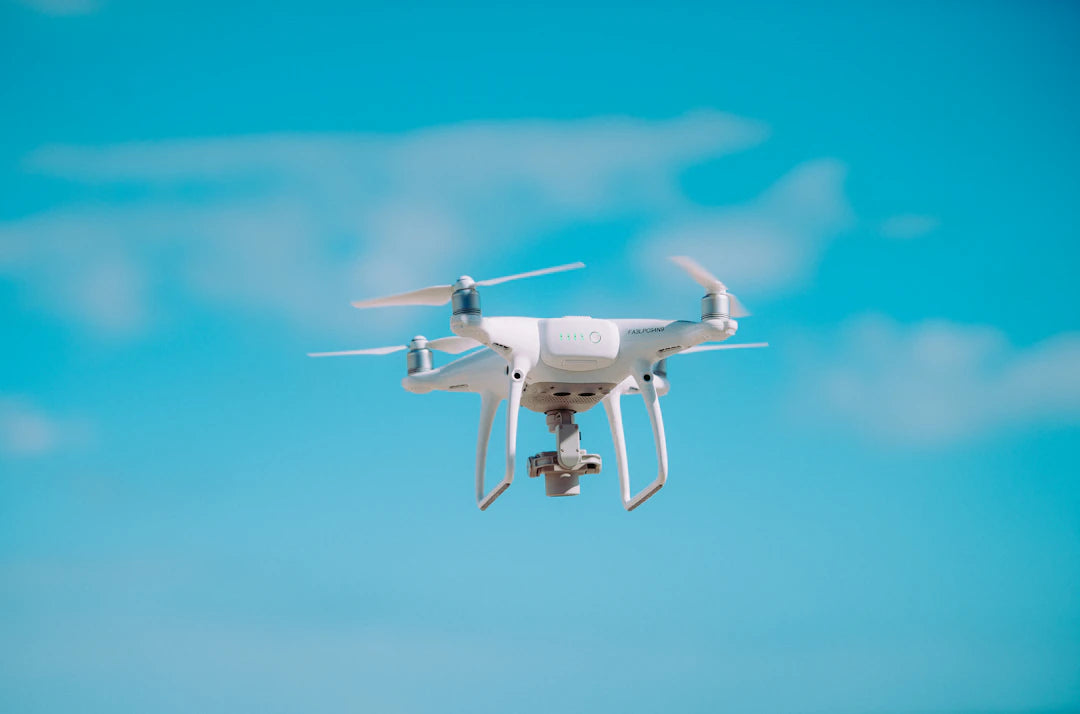
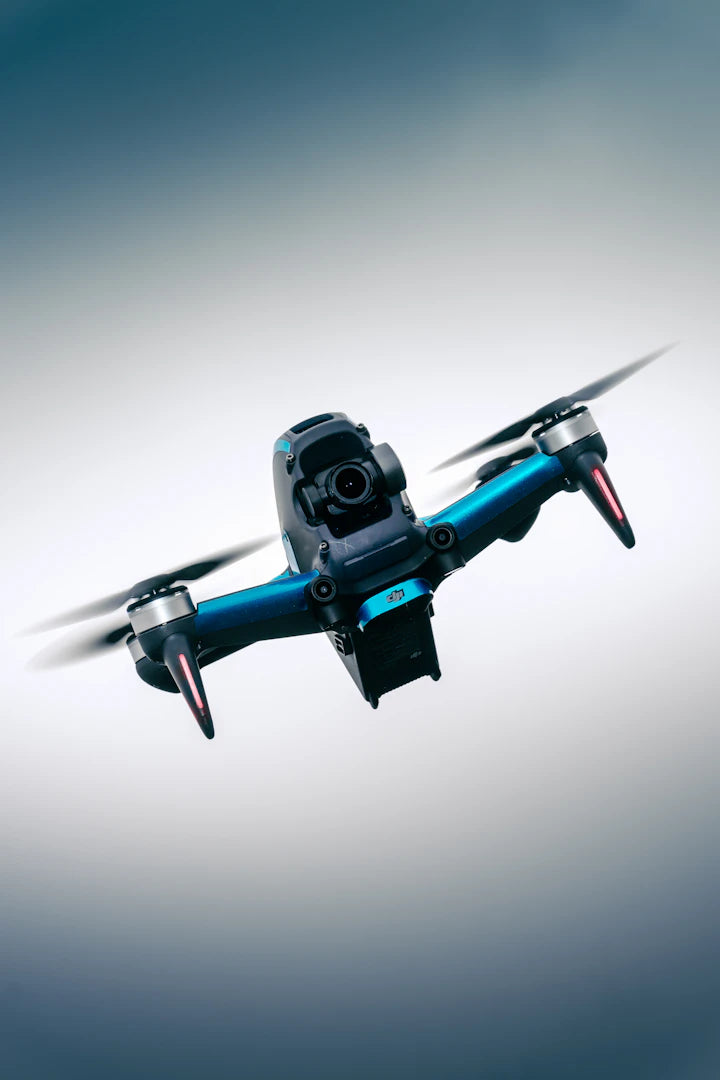
Drone racing involves piloting small unmanned aerial vehicles (UAVs) through a series of checkpoints, typically utilizing a first-person view (FPV) system to enhance the pilot's experience. Pilots navigate their drones at high speeds through obstacle-laden courses, often set up in open fields or urban settings. The goal is to complete the course in the shortest time possible, making precision and speed critical factors in the competition.
The Evolving Technology Behind Drone Racing
With advancements in drone technology, the performance and capabilities of racing drones have improved significantly, leading to a more thrilling experience for pilots and spectators alike. Here are some of the key features that define this cutting-edge technology:
- Lightweight Frames: Racing drones are typically built with lightweight materials such as carbon fiber, which enhance maneuverability and speed.
- Powerful Motors: High-performance motors provide quicker accelerations and higher top speeds, essential for competitive racing.
- Advanced FPV Systems: Pilots utilize FPV goggles that deliver real-time video feeds from their drones, allowing them to navigate with precision.
- Improved Batteries: Top-tier racing drones often come equipped with high-capacity batteries for extended flight times and boosted performance.
The Competitive Landscape of Drone Racing
The competitive nature of drone racing has given rise to professional leagues and tournaments around the world, attracting massive audiences and sponsorships. The Drone Racing League (DRL) and MultiGP are two prominent organizations that host thrilling competitions showcasing the best talents in the sport.
- Drone Racing League (DRL): Founded in 2015, DRL has gained popularity through its exhilarating events and international reach, featuring top pilots and state-of-the-art courses.
- MultiGP: This organization emphasizes grassroots racing, allowing new pilots to join local chapters and compete in their own community, fostering talent on the ground floor.
Getting Started in Drone Racing
If you're intrigued by the adrenaline rush of drone racing and want to get involved, here’s how to start your journey into this exhilarating sport:
1. Choose Your Drone
Selecting the right drone is crucial for performance and compatibility with your skills. While there are many options available, it's essential to consider purchasing a racing drone that meets your performance needs. For instance, the DJI Matrice 30T Kit represents an excellent showcase of advanced drone technology, despite being designed primarily for commercial use. The reliability and performance traits of such drones enhance the piloting experience significantly.
2. Learn the Basics of Flight
Before competing, it's essential to become familiar with the controls and flying techniques. Spend some time practicing in open areas, getting accustomed to the drone's navigation and response. Establishing a strong foundation will help you maneuver through racing courses with precision.
3. Get Involved in a Community
Joining a local drone racing community can offer tremendous support as you start your journey. These organizations often host events and competitions, allowing newcomers to learn from experienced pilots while gaining invaluable practice time in a competitive environment.
Key Skills for Competitive Drone Racing
To excel in drone racing, developing specific skills is essential. These skills can make a significant difference in both training and actual races. Here are some skills to focus on:
- Spatial Awareness: Understanding your drone's position and direction in three-dimensional space is crucial for obstacle navigation.
- Quick Reflexes: Racing demands quick decision-making and reflexes, especially when maneuvering around tight turns and obstacles.
- Focus: Keeping your concentration level high is imperative during races. Distractions can lead to costly mistakes.
- Technical Knowledge: Understanding the mechanics of your drone, including its limitations and capabilities, allows you to push its performance while ensuring safety.
Exploring the Best Drones for Cinematography
While drone racing is primarily about speed and agility, many of the technologies found in racing drones can also enhance cinematography. If you have an interest in capturing stunning aerial footage, consider exploring the best drones for cinematography that offer advanced stability and video quality features. The DJI Matrice 30T Kit, for instance, is equipped with a robust stabilization system and high-quality camera options, making it a great choice for professional filmmakers.
Regulations and Safety in Drone Racing
As drone racing has gained popularity, so too have regulations surrounding the sport. It's essential to be aware of the local laws and regulations governing drone usage in your area. Here are some key points to consider:
| Aspect | Details |
|---|---|
| Registration | Many countries require drone registration for UAVs exceeding a certain weight. |
| Aerial Limits | Understanding altitude restrictions is critical to ensure safety and compliance. |
| Insurance | Consider acquiring insurance for your drone to protect against potential liabilities during races. |
| Local Regulations | Check with local authorities regarding drone use in public spaces and for racing events. |
The Future of Drone Racing
As technology continues to innovate, the future of drone racing looks bright. With advancements in battery life, drone intelligence, and safety features, competitors can expect more exciting developments in the racing landscape. Moreover, as interest in this sport grows, so too do opportunities for careers in related fields ranging from drone piloting to broadcasting and event management.
Stay Ahead of the Curve
Drone racing is not just a fleeting trend; it’s an evolving sport that offers adrenaline, excitement, and community. If you’re interested in taking part, arm yourself with knowledge and skills, embrace the competitive spirit, and join the thriving community of pilots. With the right preparation, you can navigate the exhilarating world of drone racing and perhaps become a force to be reckoned with in the competitive landscape. The drone racing arena is just beginning to take flight; will you join the race?
Key Takeaways
- Drone racing combines speed and precision: Pilots navigate drones through challenging courses, aiming for the fastest completion times.
- Advanced technology enhances performance: Racing drones feature lightweight frames, powerful motors, and advanced FPV systems for an exhilarating experience.
- Major organizations promote competitive racing: The Drone Racing League (DRL) and MultiGP host events that showcase top talent and foster grassroots participation.
- Community involvement is crucial: Joining local drone racing communities provides support, practice opportunities, and valuable learning experiences.
- Essential skills for success: Key skills include spatial awareness, quick reflexes, focus, and technical knowledge of drone mechanics.
- Know the regulations: Understanding local laws, registration requirements, and safety protocols is essential for responsible drone racing.
- The future is promising: With ongoing technological advancements, drone racing is expected to grow, offering new career opportunities and thrilling experiences.
Pros and Cons
| Advantages of Drone Racing | Drawbacks of Drone Racing |
|---|---|
| Exciting and adrenaline-pumping experience for participants and spectators. | High costs associated with purchasing and maintaining racing drones. |
| Community support through local racing organizations and events. | Requires significant time investment to learn and master flying skills. |
| Advancements in technology enhance performance and capabilities. | Strict regulations and legal considerations can complicate participation. |
| Opportunities for careers in various fields related to drone racing. | Potential safety risks involved in high-speed racing environments. |
Linked Product

DJI Matrice 30T M30T Complete Ready to Fly Kit (2 Batteries, No Care)
The DJI Matrice 30T M30T Complete Ready to Fly Kit is designed for commercial drone pilots, offering powerful flight performance with a maximum flight time of 41 minutes and wind resistance up to 15 m/s. Its robust environmental adaptability, featuring IP55 protection, allows it to operate in extreme temperatures and weather conditions. Equipped with advanced dual-vision sensors and enhanced transmission capabilities, this drone ensures safe and reliable operation while capturing essential aerial data with its integrated wide, zoom, and thermal cameras.
View ProductWho It's For (And Not For)
Who It's For
- Adrenaline Junkies: If you thrive on excitement and fast-paced action, drone racing is an exhilarating sport that will keep your heart racing.
- Tech Enthusiasts: Those who enjoy the latest technology and gadgets will find drone racing appealing due to its reliance on advanced equipment and innovations.
- Competitive Spirits: If you have a strong desire to compete and push your limits, joining the competitive landscape of drone racing can be very fulfilling.
- Community Seekers: Individuals looking to connect with like-minded enthusiasts and participate in local events will benefit from joining a drone racing community.
Who It's Not For
- Casual Hobbyists: If you prefer low-key activities and are not interested in competition, drone racing may be too intense for your tastes.
- Individuals Uncomfortable with Technology: Those who struggle with understanding or operating technology may find the technical aspects of drone racing challenging.
- People with Limited Time: If you cannot commit time to practice and participate in events, the competitive nature of drone racing may not be suitable for you.
- Risk-Averse Individuals: If you are uncomfortable with the potential risks involved in flying drones at high speeds, this sport may not align with your preferences.
Frequently Asked Questions
1. What is drone racing?
2. What technology is used in drone racing?
3. How can I get started in drone racing?
4. What skills are important for competitive drone racing?
5. What regulations should I be aware of when drone racing?
Glossary
| Term | Meaning |
|---|---|
| Drone Racing | A competitive sport involving piloting drones through obstacle courses. |
| UAV | Unmanned Aerial Vehicle, commonly known as a drone. |
| FPV | First-Person View, a system that allows pilots to see from the drone's perspective. |
| Lightweight Frames | Drone structures made from materials like carbon fiber for improved speed. |
| DRL | Drone Racing League, a professional league hosting drone racing events. |
| MultiGP | An organization focused on grassroots drone racing and community events. |
| Spatial Awareness | The ability to understand a drone's position in three-dimensional space. |
| Quick Reflexes | The skill of making rapid decisions while piloting a drone. |
| Drone Registration | The process of officially registering a drone with local authorities. |
| Aerial Limits | Regulations governing the maximum altitude drones can fly. |