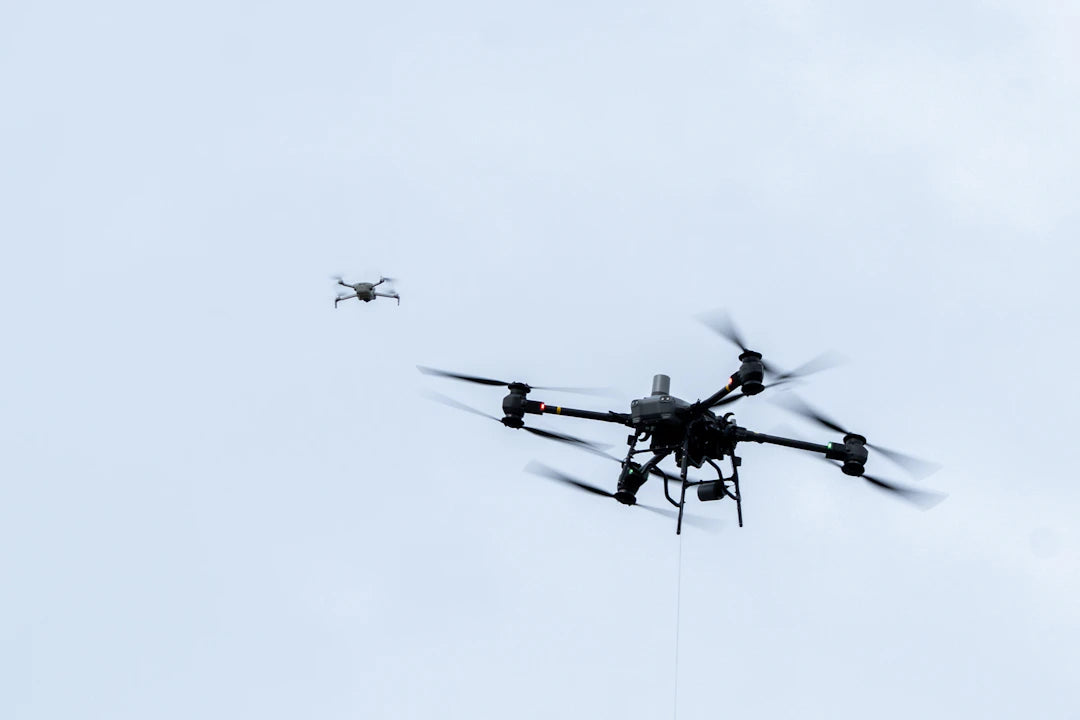
Drones and Privacy Concerns: Finding the Balance
Overview
This article examines the intersection of drone technology and privacy concerns, highlighting the rapid growth of drones across various industries and the implications for personal privacy. Readers will gain insights into the challenges posed by drone surveillance, data collection, and the need for regulatory frameworks, as well as innovative solutions that can help balance the benefits of drone use with the protection of individual rights.
Table of Contents
- The Rise of Drone Technology
- Privacy Concerns Surrounding Drone Use
- Surveillance and Data Collection
- Intrusion into Personal Spaces
- Data Security and Storage
- Establishing Regulatory Frameworks
- Innovative Solutions to Balance Privacy and Drone Use
- Technological Advancements in Privacy Protection
- The Role of Consumers and Drone Operators
- Future Implications and Trends
- Embracing Responsible Drone Use
In today’s digital age, drones have become a ubiquitous technology that significantly enhances various industries, from agriculture to real estate. However, the rapid proliferation of drone technology has sparked a crucial dialogue around privacy concerns. As consumers and businesses alike begin to incorporate drones into their routine operations, the question of how to manage these privacy implications becomes imperative. This article delves into the multifaceted relationship between drones and privacy, exploring innovative solutions to find the balance.
The Rise of Drone Technology
Over the past decade, the drone industry has seen exponential growth. Drones are increasingly being used for diverse applications, such as:
- Aerial photography and videography
- Delivery services
- Agricultural monitoring and crop management
- Search and rescue missions
- Infrastructure inspections, including the use of underwater drones for dock inspections
This surge is mostly attributed to advancements in drone technology, including improved battery life, enhanced flight stability, and sophisticated camera functionalities like the drone thermal camera. Such innovations provide users with powerful tools to fulfill complex tasks.
Privacy Concerns Surrounding Drone Use
As drones become more accessible, they raise significant privacy challenges. These concerns can be categorized into several key areas:
Surveillance and Data Collection
Drones are capable of capturing high-resolution images and videos over large areas. This data can lead to unauthorized surveillance and breaches of privacy, which can be unsettling for individuals. In particular, the use of drones equipped with thermal cameras can detect heat signatures, allowing users to “see” through walls or obscured areas, further complicating privacy matters.
Intrusion into Personal Spaces
While flying a drone, operators may inadvertently invade personal spaces, such as backyards and private properties. This intrusion raises ethical questions regarding consent and individual rights. In many jurisdictions, laws regarding where drones can and cannot fly are still developing, leaving room for potential conflicts.
Data Security and Storage
The collection, storage, and sharing of data collected by drones can pose a security risk. If this data falls into the wrong hands, it could be misused in ways that infringe upon privacy rights. Thus, it is essential to ensure that appropriate measures are taken to secure sensitive information.
Establishing Regulatory Frameworks
To mitigate privacy concerns, regulatory frameworks need to evolve alongside expanding drone technologies. Governments and institutions must establish clear guidelines for drone operators, which include:
- License requirements for commercial drone pilots
- Restricted zones where drone flights are prohibited, especially near schools and residential areas
- Mandatory notification to nearby residents when drones will be in use
- Clear data protection policies governing data collection and usage
Internationally, various countries are taking steps to regulate drone use, but a uniform approach is yet to be established. This inconsistency can lead to confusion among both operators and the public.
Innovative Solutions to Balance Privacy and Drone Use
Finding a balance between utilizing drone technology and ensuring privacy protection is crucial. Here are some innovative solutions to consider:
| Solution | Description |
|---|---|
| Geo-fencing Technology | Using GPS and other tools to create virtual boundaries; drones are programmed not to fly in certain areas automatically. |
| Drone Identification Systems | Implementing systems that signal when a drone is in the vicinity, alerting citizens and increasing transparency. |
| Privacy Impact Assessments | Mandating drone operators to assess the possible impact of drone flights on privacy and to mitigate identified risks. |
| Community Engagement | Involving communities in discussions about drone operations and privacy to build trust and collaboration. |
Technological Advancements in Privacy Protection
As technology continues to advance, new tools emerge to enhance privacy protections for drone users. Innovations in drone design, such as:
- Cameras with advanced privacy settings that allow users to control what data is collected
- Encrypted data transmission to ensure the safety of collected data
- Automatic flight path settings that prevent unauthorized flights over restricted areas
These advancements promise to alleviate some privacy concerns, making it easier for operators to comply with regulations while still utilizing drones for legitimate purposes.
The Role of Consumers and Drone Operators
Consumers need to be educated on their rights regarding drone usage, as well as the potential privacy issues that may arise. Drone operators must also adopt ethical practices to maintain public trust. This includes:
- Obtaining permission from landowners before conducting operations in private areas
- Being transparent about their data collection methods
- Adhering to established regulations and best practices regarding drone flights
Consumer awareness can lead to greater accountability, pushing drone operators to prioritize privacy considerations in their practices.
Future Implications and Trends
As drone technology continues to evolve, how might future trends impact privacy concerns? Potential developments include:
- The integration of artificial intelligence (AI) for automated landscape monitoring while adhering to privacy guidelines
- Improved public awareness campaigns surrounding drone safety and privacy education
- Cross-border cooperation to harmonize drone regulations and privacy protections
It is essential to stay informed about emerging trends to navigate the evolving landscape of drone technology effectively.
Embracing Responsible Drone Use
Achieving a balance between leveraging drone capabilities and safeguarding privacy rights is of paramount importance. As technology closes the gap between innovation and ethical practices, stakeholders on all fronts—government, businesses, and consumers—must collaborate to establish responsible norms for drone use. By fostering an atmosphere of trust, accountability, and respect, we can ensure that drones serve as beneficial tools rather than sources of concern.
Key Takeaways
- Drones are rapidly expanding across various industries, including agriculture, real estate, and emergency services.
- Privacy concerns arise from drones' ability to conduct unauthorized surveillance and capture high-resolution images.
- Operators may inadvertently invade personal spaces, raising ethical questions about consent and individual rights.
- Regulatory frameworks are essential for establishing guidelines on drone operations and protecting privacy rights.
- Innovative solutions like geo-fencing and drone identification systems can help balance privacy with drone usage.
- Consumers and drone operators must prioritize ethical practices and transparency to maintain public trust.
- Future trends may include AI integration and enhanced public awareness campaigns to address privacy issues effectively.
Pros and Cons
| Advantages of Drone Technology | Drawbacks of Drone Technology |
|---|---|
Enhances efficiency in various industries like agriculture and real estate. |
Raises significant privacy concerns, including unauthorized surveillance. |
Facilitates innovative solutions such as aerial photography and delivery services. |
Potential for intrusion into personal spaces, leading to ethical dilemmas. |
Improves data collection capabilities for tasks like infrastructure inspections. |
Data security risks if sensitive information is mishandled. |
Advancements in technology enhance operational capabilities and safety. |
Lack of uniform regulations can create confusion among operators and the public. |
Community engagement can build trust and collaboration regarding drone use. |
Requires ongoing education for consumers and operators about privacy rights. |
Linked Product

Autel Robotics EVO II 640T Thermal and Visual Gimbal Camera
The Autel Robotics EVO II 640T features a thermal camera with ten color palettes and advanced imaging capabilities, making it ideal for various thermal analysis applications. Additionally, its visual camera offers high-resolution photography and video options up to 8K, catering to both professional videographers and photographers. This versatile gimbal camera supports multiple video formats, providing flexibility for a range of creative projects.
View ProductWho It's For (And Not For)
Who It's For
- Drone Enthusiasts: Individuals passionate about technology and looking to explore the capabilities of drones in various applications.
- Businesses in Relevant Industries: Companies in agriculture, real estate, and delivery services that can benefit from drone technology for efficiency and enhanced operations.
- Privacy-Conscious Consumers: Those who are aware of privacy concerns and actively seek solutions to ensure responsible drone usage.
- Regulators and Policymakers: Individuals involved in creating frameworks that govern drone operations and protect privacy rights.
Who It's Not For
- Individuals Opposed to Surveillance: People who are uncomfortable with any form of surveillance or data collection may find drone usage intrusive.
- Those Unfamiliar with Technology: Individuals who lack technical knowledge or interest in drones may struggle to understand their implications and benefits.
- Operators Ignoring Ethical Practices: Drone users who do not prioritize ethical considerations and transparency in their operations may contribute to privacy violations.
- Communities with Strict Privacy Standards: Areas where residents have strong objections to drone usage may not be suitable for drone operations without clear community engagement.
Frequently Asked Questions
1. What are the main applications of drone technology today?
2. What privacy concerns are associated with drone use?
3. How can regulatory frameworks help address privacy issues with drones?
4. What innovative solutions exist to balance drone use and privacy protection?
5. How can consumers and drone operators promote ethical practices regarding privacy?
Glossary
| Term | Meaning |
|---|---|
| Drones | Unmanned aerial vehicles used for various applications. |
| Privacy Concerns | Issues related to unauthorized surveillance and data collection. |
| Geo-fencing | A technology that creates virtual boundaries for drone operations. |
| Thermal Camera | A camera that detects heat signatures, complicating privacy. |
| Data Security | Measures to protect collected data from unauthorized access. |
| Regulatory Frameworks | Guidelines established to govern drone usage and privacy. |
| Community Engagement | Involving the public in discussions about drone operations. |
| Privacy Impact Assessments | Evaluations to identify and mitigate privacy risks from drones. |
| Consumer Awareness | Education on rights and privacy issues related to drones. |
| Ethical Practices | Responsible behaviors by drone operators to maintain trust. |