The Ethics of Drone Use in Modern Society
Overview
Drones are transforming various industries, but their growing use raises important ethical concerns regarding privacy, safety, environmental impact, and accountability. This article explores the benefits and challenges of drone technology, emphasizing the need for comprehensive regulations, community engagement, and innovative solutions to address these issues responsibly.
Table of Contents
- The Rise of Drone Technology
- Benefits of Drone Technology
- Privacy Concerns
- Surveillance and Data Collection
- Safety Risks and Responsibilities
- Accidental Collisions
- Accountability for Failures
- Environmental Impact
- Noise Pollution
- Resource Consumption
- Legal and Regulatory Framework
- Current Regulations
- Future Challenges
- Community Engagement and Ethical Use
- Public Awareness Campaigns
- Innovative Mitigations in Drone Technology
- Looking Towards a Responsible Future
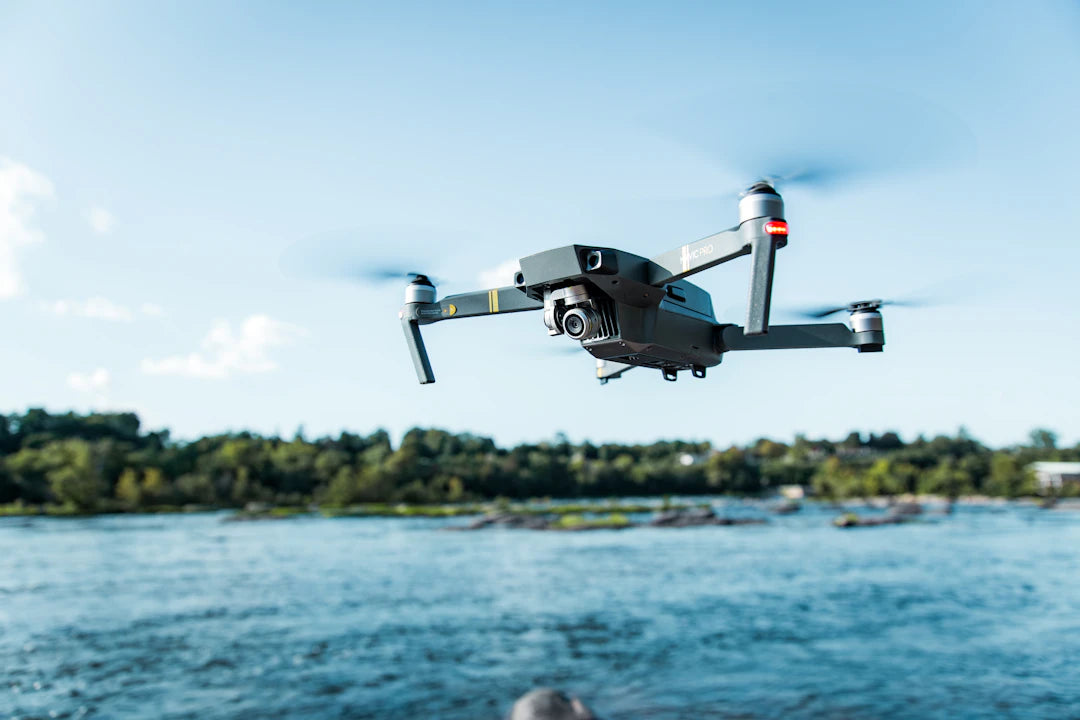
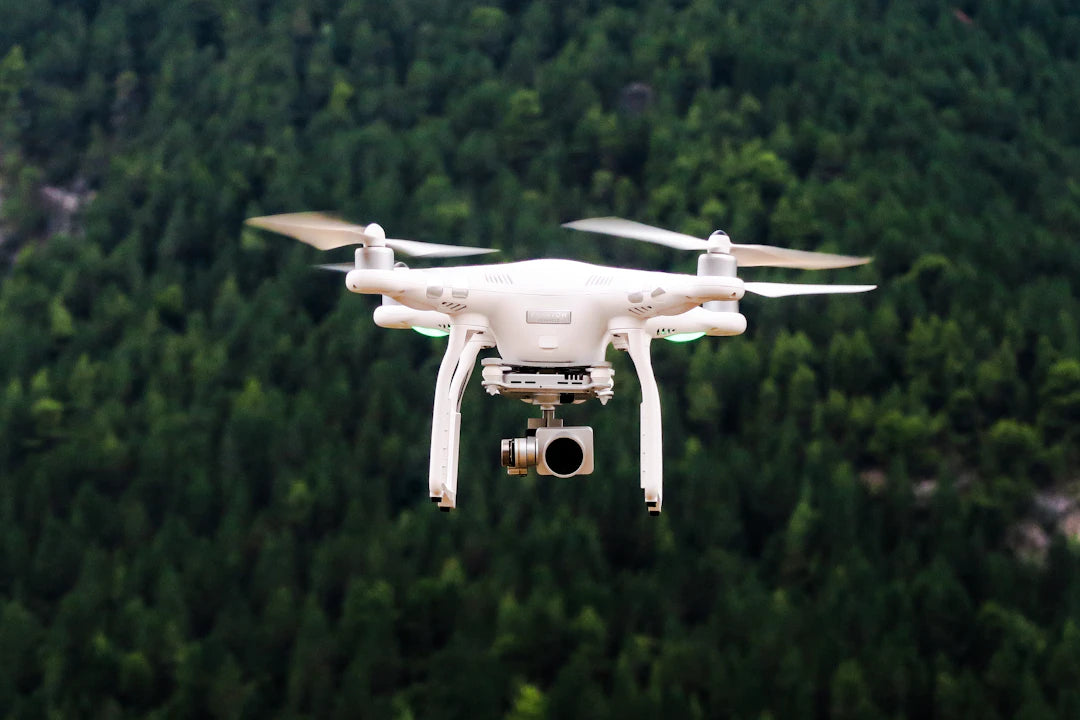
As the use of drones expands across various sectors, from delivering packages to aiding in smart agriculture, the ethical considerations arising from their widespread adoption must be examined. Drones, or unmanned aerial vehicles (UAVs), have revolutionized multiple industries but also create a complex landscape of societal and ethical dilemmas. This article delves into the ethical implications of drone use in society, exploring their benefits, disadvantages, and the moral responsibilities that come with their operation.
The Rise of Drone Technology
The evolution of drone technology has been rapid, leading to their application in a myriad of fields, including:
- Delivery services
- Surveying land and mapping
- Environmental monitoring
- Search and rescue missions with underwater drones
- Smart agriculture
With this growing adoption, ethical considerations are increasingly necessary to ensure the responsible use of drone technology. Let's explore some of the key ethical concerns surrounding drone usage.
Benefits of Drone Technology
Before diving into the ethics, it’s important to understand the various benefits that drones bring to society:
| Benefit | Description |
|---|---|
| Efficiency | Drones can accomplish tasks faster than traditional methods, such as aerial surveys or crop monitoring. |
| Cost-Effectiveness | Using drones often reduces operational costs in industries like agriculture and logistics. |
| Accessibility | Drones can reach hard-to-access areas, making them ideal for search and rescue missions, especially underwater drones. |
| Data Collection | Drones can gather detailed information, facilitating better decision-making in industries like smart agriculture. |
Privacy Concerns
One of the most significant ethical considerations surrounding drone use is privacy. As drones become more common, the potential for surveillance increases, leading to concerns about personal privacy violations. Here are some key points to consider:
Surveillance and Data Collection
The capability of drones to capture high-resolution images and videos raises questions about surveillance. Drones can easily monitor private property without consent, leading to the following ethical dilemmas:
- Infringement on personal privacy rights
- Potential misuse of collected data by governments or corporations
- Chilling effect on free expression, as individuals may alter their behavior if they feel they are being watched
Safety Risks and Responsibilities
While drones have numerous advantages, their operation also comes with safety risks. These risks can impact the general public, operators, and other airspace users. The ethical implications include:
Accidental Collisions
Drones operating in unauthorized spaces can accidentally collide with other aircraft, leading to potential injury or loss of life. To mitigate these risks, drone operators must:
- Adhere to regulatory guidelines for UAV operation
- Engage in regular training and education programs
- Maintain awareness of the airspace and local regulations
Accountability for Failures
When accidents occur, determining accountability can be complicated. Ethical standards need to be in place to establish responsibility, ensuring that users who violate regulations are held liable for their actions. This responsibility extends to operators of smart agriculture drones and underwater drones for search and rescue missions.
Environmental Impact
Drones have the potential to significantly benefit the environment, especially in sectors like agriculture. Nevertheless, there are ethical concerns regarding their environmental impact:
Noise Pollution
The noise generated by drone operations can disturb wildlife and disrupt natural habitats. Companies and individuals must consider the impact of their drone activities on local ecosystems and aim for quieter technologies or better practices.
Resource Consumption
From the manufacturing to operation stages, drones consume resources and energy. The ethical dilemma here is balancing the benefits of drone technology against its environmental cost. It may be essential for drone manufacturers and users to:
- Adopt sustainable production practices
- Use drones judiciously to minimize their carbon footprint
- Advance battery technology to enhance efficiency
Legal and Regulatory Framework
As drone technology continues to evolve, legal and regulatory frameworks must keep pace. This includes addressing the ethical implications of their use:
Current Regulations
Many countries have enacted laws governing drone usage aimed at enhancing safety and protecting privacy. However, these regulations often lag behind technology. Efforts should focus on:
- Establishing comprehensive regulations to cover all drone activities
- Implementing stricter penalties for non-compliance
- Engaging citizens in the legislative process to address public concerns
Future Challenges
As drone technology progresses, new challenges will emerge, such as:
- Regulating autonomous drone operations
- Addressing the ethical use of AI in drones
- Ensuring international cooperation on drone regulations
Community Engagement and Ethical Use
Communities can play a vital role in the ethical discourse around drone use. By fostering open conversations, stakeholders—including businesses, government agencies, and the public—can work towards shared ethical guidelines that govern drone operations.
Public Awareness Campaigns
Awareness campaigns are essential for educating the public about the benefits and risks associated with drone usage. This can include:
- Hosting community workshops on drone technology
- Creating informational materials on drone rights and responsibilities
- Encouraging discussions on ethics and potential regulations
Innovative Mitigations in Drone Technology
Status quo innovations could help counterbalance some of the ethical challenges presented by drones:
- Data Anonymization: Preparing safe data practices for collected data. By anonymizing information collected during drone operation, privacy can be protected.
- Noise-Reducing Technology: Investing in quieter drone technologies can help mitigate noise pollution and minimize disturbance to wildlife.
- AI Regulation Compliance: Implement AI algorithms that inherently respect privacy and social norms, ensuring ethical decisions are made autonomously.
Looking Towards a Responsible Future
The ethical considerations surrounding drone use in society are complex yet critical. As drone technologies evolve, aligning their development and usage with societal values will determine how responsibly we can integrate them into our lives. The conversation around ethical drone use must not only consider the technology's potential but also the profound impact it can have on privacy, safety, and the environment.
Moving forward, the key to a balanced approach lies in comprehensive regulations, community engagement, and technological innovations that prioritize ethical standards. By taking these steps, we can harness the power of drones like smart agriculture drones and underwater drones for search and rescue while minimizing ethical conflicts and ensuring the common good.
Key Takeaways
- Drones are revolutionizing various industries, including delivery services, agriculture, surveying, and search and rescue missions.
- Key benefits of drone technology include increased efficiency, cost-effectiveness, accessibility to hard-to-reach areas, and enhanced data collection capabilities.
- Privacy concerns arise from drones' ability to conduct surveillance, potentially infringing on personal rights and leading to misuse of data.
- Safety risks associated with drones include accidental collisions and the need for operators to adhere to regulations and maintain accountability.
- Environmental impacts of drones include noise pollution and resource consumption, necessitating sustainable practices and quieter technologies.
- Legal and regulatory frameworks must evolve to address ethical implications, ensuring comprehensive regulations and public engagement in the legislative process.
- Community engagement is crucial for fostering ethical discussions around drone use, promoting awareness, and developing shared guidelines for responsible operation.
Pros and Cons
| Advantages of Drone Technology | Drawbacks of Drone Technology |
|---|---|
| Efficiency in task completion, such as surveys and monitoring. | Privacy concerns due to potential surveillance capabilities. |
| Cost-effectiveness in industries like agriculture and logistics. | Safety risks, including accidental collisions with other aircraft. |
| Accessibility to hard-to-reach areas for rescue missions. | Environmental impact, including noise pollution and resource consumption. |
| Enhanced data collection for better decision-making. | Challenges in establishing accountability when accidents occur. |
| Support for innovative practices like smart agriculture. | Lagging legal and regulatory frameworks that may not address current technologies. |
Linked Product

DJI Agras T100 Agriculture Spraying Drone - Ready to Fly Kit
The DJI Agras T100 Agriculture Spraying Drone is designed for large-scale agricultural applications, featuring a 100-liter spraying tank and an impressive maximum payload of 100 kg. It enhances operational efficiency with advanced technologies like LiDAR and a Penta-Vision system for improved obstacle detection and safety. This drone also supports multiple functions, including spraying, spreading, and lifting, making it a versatile tool for various farming tasks.
View ProductWho It's For (And Not For)
Who It's For
- Industry Professionals: Individuals working in sectors such as agriculture, logistics, or emergency services who can leverage drone technology for efficiency and cost-effectiveness.
- Environmental Advocates: Those interested in utilizing drones for environmental monitoring and data collection to promote sustainability.
- Technology Enthusiasts: People who are keen on exploring innovative applications of drone technology and its potential benefits.
- Regulatory Bodies: Organizations involved in creating and enforcing drone regulations to ensure safe and ethical operations.
Who It's Not For
- Privacy Concerns: Individuals who prioritize personal privacy and are uncomfortable with the surveillance capabilities of drones.
- Safety Risk Averse: Those who are concerned about the potential risks associated with drone operations, including accidental collisions and safety violations.
- Environmental Purists: People who are against any technology that may disrupt natural habitats or contribute to noise pollution.
- Regulatory Skeptics: Individuals who doubt the effectiveness of current regulations and are wary of the ethical implications of drone usage.
Frequently Asked Questions
1. What are the main benefits of drone technology?
2. What ethical issues are associated with drone privacy concerns?
3. What safety risks are linked to drone operation?
4. How does drone usage impact the environment?
5. What is the importance of legal and regulatory frameworks for drone technology?
Glossary
| Term | Meaning |
|---|---|
| Drones | Unmanned aerial vehicles used for various applications. |
| Efficiency | Ability of drones to complete tasks faster than traditional methods. |
| Privacy Concerns | Issues related to surveillance and personal privacy violations. |
| Accidental Collisions | Unintended crashes between drones and other aircraft. |
| Noise Pollution | Disruption caused by noise from drone operations affecting wildlife. |
| Legal Framework | Regulations governing drone usage to ensure safety and privacy. |
| Data Anonymization | Process of protecting privacy by anonymizing collected data. |
| Community Engagement | Involvement of local stakeholders in discussions about drone ethics. |
| Smart Agriculture | Use of drones to enhance farming practices and efficiency. |
| Environmental Impact | Effects of drone operations on ecosystems and natural resources. |