The Role of Drones in Agriculture: Enhancing Crop Management
Overview
Drones are transforming agriculture by enhancing crop management through improved data collection, cost efficiency, and real-time monitoring. They come in two types: fixed-wing and multirotor, each suitable for different tasks. Drones help farmers monitor crop health, optimize resources, and implement precision agriculture practices. Despite challenges like regulatory hurdles and initial costs, the integration of AI and advanced imaging technologies is paving the way for a more efficient and sustainable agricultural future.
Table of Contents
- Understanding Drones in Agriculture
- Types of Agricultural Drones
- The Benefits of Using Drones in Crop Management
- How Drones Impact Crop Health Monitoring
- Drones in Precision Agriculture
- Utilizing 4K HDR Video Drones for Agriculture
- Drone Payload Cameras Explained
- Overcoming Challenges in Drone Agriculture
- Navigating the Future of Agricultural Drones
- Your Drone-Enhanced Farming Journey Awaits!
In recent years, technology has revolutionized the agricultural sector. One of the most impactful innovations is the adoption of drones. Agriculture is a field that constantly seeks efficiency and improvement, and drones are increasingly becoming indispensable in modern crop management. With features ranging from the ability to collect high-resolution imagery to advanced data analytics, drones are reshaping the way farmers approach their operations.
Understanding Drones in Agriculture
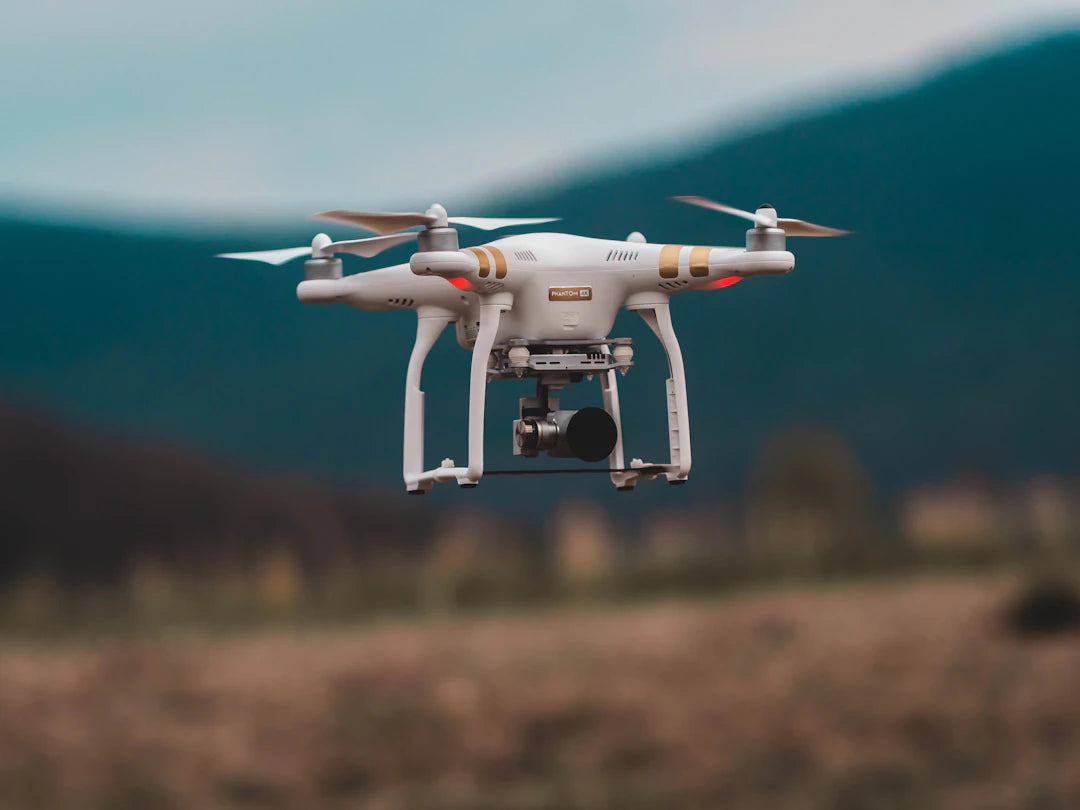
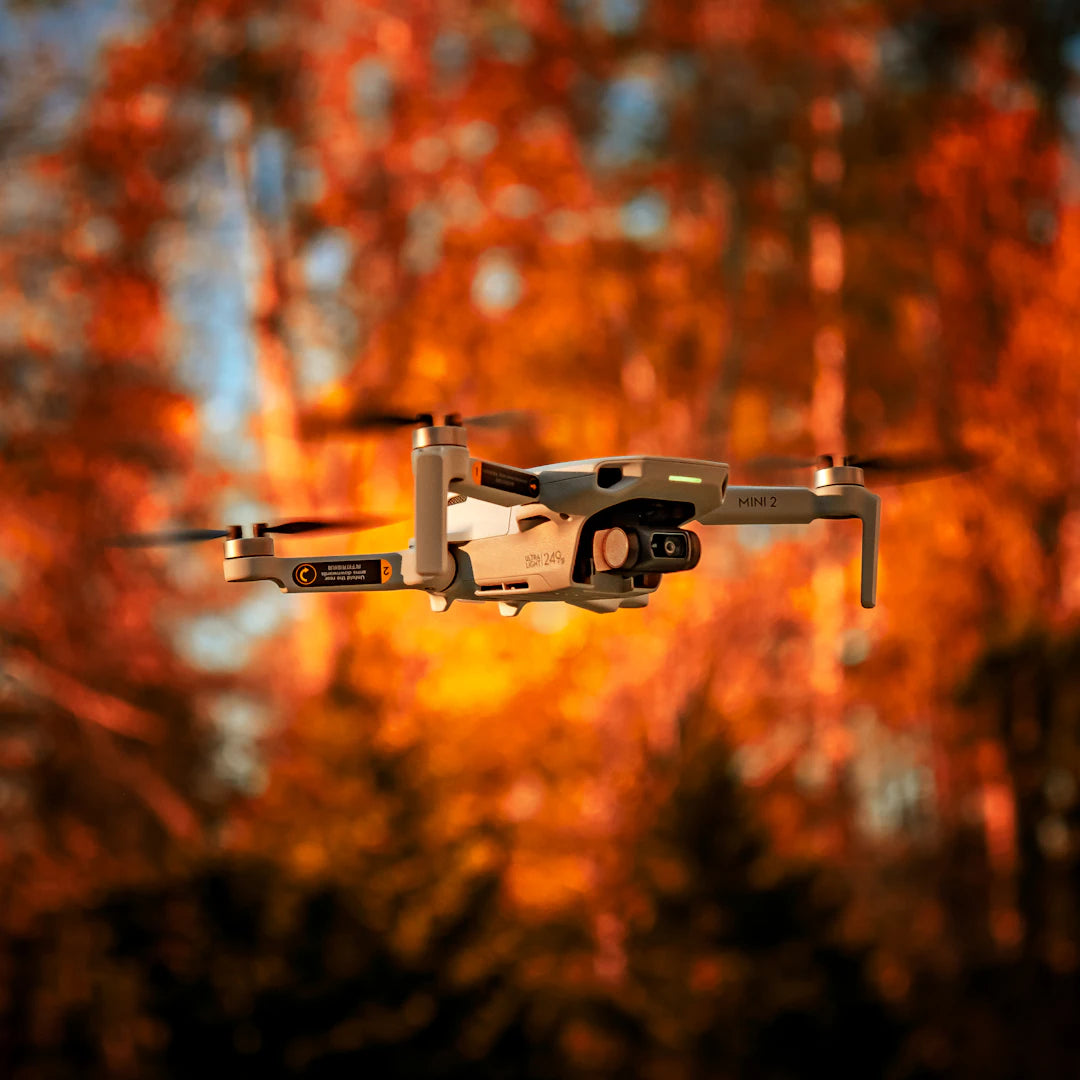
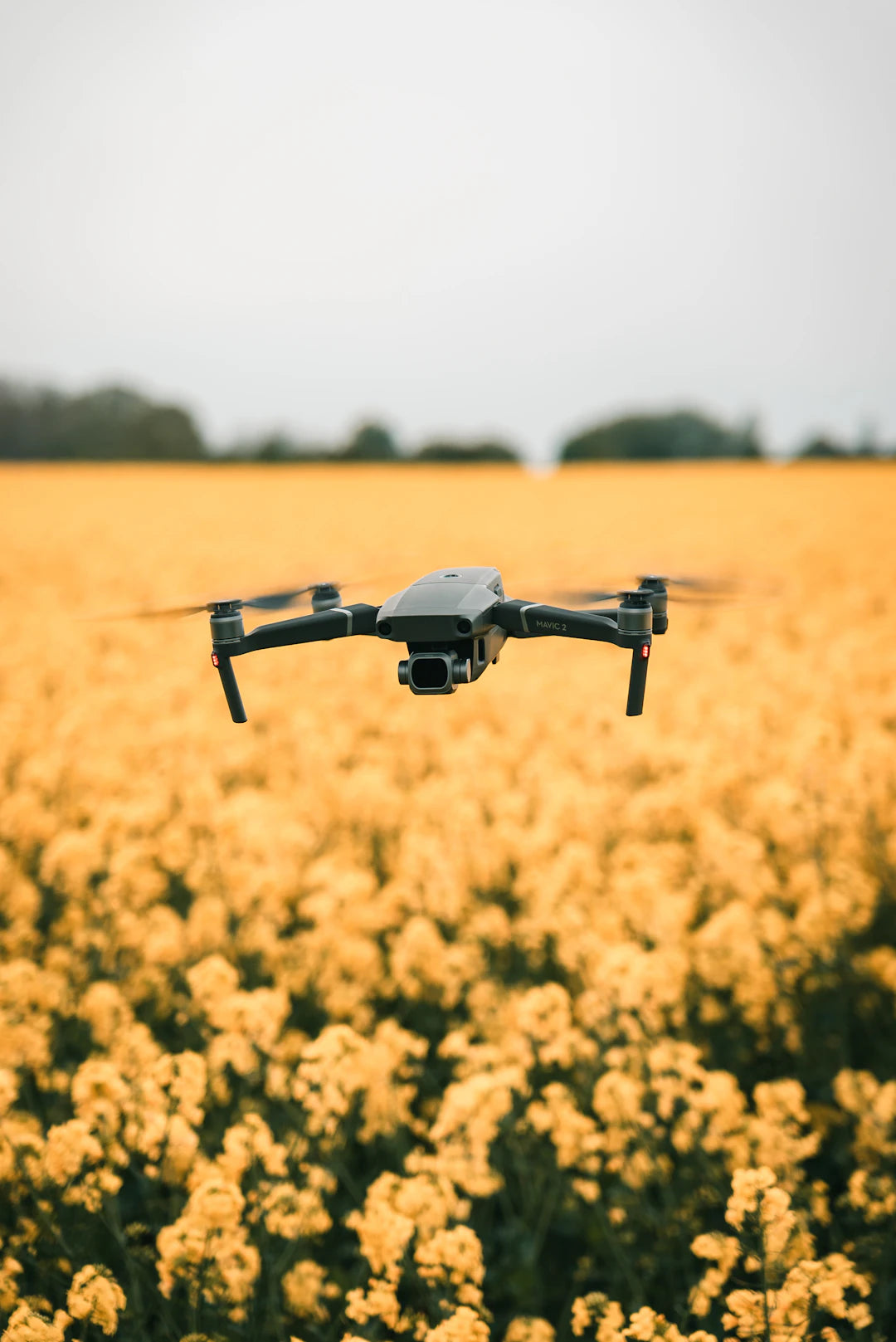
Drones, also known as Unmanned Aerial Vehicles (UAVs), are aircraft that operate without a human pilot on board. In agriculture, they are utilized for various purposes, including monitoring crop health, assessing soil conditions, and even aiding in precision agriculture practices. The integration of drones in agriculture helps farmers make informed decisions, ultimately resulting in enhanced yields and sustainability.
Types of Agricultural Drones
When it comes to agricultural drones, they can be categorized into two primary types:
- Fixed-wing Drones: These drones resemble conventional airplanes and are known for covering large areas quickly. They are excellent for surveying extensive fields and are usually equipped with specialized sensors for data collection.
- Multirotor Drones: These drones have multiple rotors and are highly maneuverable. They are well-suited for tasks that require precise flight paths, such as crop spraying and detailed mapping.
The Benefits of Using Drones in Crop Management
Drones bring numerous advantages to the agricultural sector:
- Enhanced Data Collection: Drones equipped with drone payload cameras can capture detailed imagery of crops from various angles, providing farmers with invaluable insights into plant health and soil conditions.
- Cost Efficiency: Traditional methods of crop monitoring can be time-consuming and costly. Drones allow for quick assessments, reducing labor costs and enhancing operational efficiency.
- Improved Precision: Drones enable precision agriculture, helping farmers apply water, fertilizers, and pesticides more efficiently, thereby reducing waste and environmental impact.
- Real-time Monitoring: With the ability to gather data in real-time, drones enable farmers to make immediate decisions regarding crop health, irrigation needs, and pest management.
How Drones Impact Crop Health Monitoring
Drones can utilize advanced imaging technologies, such as NDVI (Normalized Difference Vegetation Index), to assess plant health. These drones capture images in near-infrared light, which is then analyzed to identify areas of stress within a field. By observing plant health through aerial imagery, farmers can:
- Identify nutrient deficiencies early
- Monitor pest infestations
- Assess uneven growth patterns
This real-time data allows for prompt interventions, increasing crop yields significantly.
Drones in Precision Agriculture
Precision agriculture is all about making farming more efficient, reducing inputs while maximizing outputs. Drones play a pivotal role in this approach. Here’s how:
| Application | Description | Benefits |
|---|---|---|
| Soil Analysis | Drones survey fields to analyze soil types and conditions. | Helps in optimizing planting strategies and resource allocation. |
| Crops Monitoring | Regular aerial surveys to track crop growth over time. | Allows for immediate action on issues detected. |
| Field Mapping | Drones create detailed maps of the fields using aerial imagery. | Improves logistics in planting and harvesting operations. |
Utilizing 4K HDR Video Drones for Agriculture
Another significant development is the use of 4K HDR video drones. These drones offer high-definition imaging capabilities, allowing farmers to capture minute details of their fields. The benefits of using 4K HDR video drones include:
- Clarity: High-definition video quality enables better assessment of crop health and soil status.
- Detailed Analysis: Easy identification of problem areas and pests, leading to precise treatments.
Drone Payload Cameras Explained
The types of cameras used in drones are critical to the quality of data collected. Drone payload cameras are integrated into UAVs to capture high-resolution images and data. These cameras can deliver:
- RGB Cameras: Standard cameras that capture visual imagery.
- Multispectral Cameras: Designed to capture data in multiple wavelengths, critical for vegetation monitoring.
- Thermal Cameras: Useful for detecting water stress and assessing crop irrigation levels.
Choosing the right camera payload can greatly enhance the effectiveness of drone applications in agriculture.
Overcoming Challenges in Drone Agriculture
Despite their potential, drone technology in agriculture does face several challenges:
- Regulatory Hurdles: Drone operation is subjected to government regulations, which can vary by region and may limit operational parameters.
- Initial Costs: The upfront investment for quality agricultural drones and their technology can be a barrier for many farmers.
- Data Management: The data collected by drones requires skilled personnel to analyze and interpret effectively.
Navigating the Future of Agricultural Drones
As drone technology continues to evolve, the future of agriculture is promising. Integration of artificial intelligence and machine learning into drone systems is expected to enhance their decision-making capabilities, leading to more efficient farming practices. Additionally, improvements in battery life and data analytics will continue to make drones an even more invaluable asset to farmers.
Investing in drone technology today means positioning yourself to reap the benefits of tomorrow's agricultural advancements. By embracing these tools, farmers not only increase their productivity but also contribute to a more sustainable and environmentally friendly agricultural landscape.
Your Drone-Enhanced Farming Journey Awaits!
Are you ready to transform your agricultural practices with the power of drone technology? By understanding the role of drones in enhancing crop management, you can take the first step towards a more efficient, data-driven farming approach. The future of agriculture lies in the skies—where precision meets innovation.
Key Takeaways
- Drones are revolutionizing agriculture by enhancing crop management through advanced data collection and real-time monitoring.
- There are two main types of agricultural drones: Fixed-wing drones for large area surveys and multirotor drones for precise tasks like crop spraying.
- Using drones improves cost efficiency by reducing labor costs and time associated with traditional crop monitoring methods.
- Drones enable precision agriculture, allowing farmers to optimize the application of water, fertilizers, and pesticides, minimizing waste.
- 4K HDR video drones provide high-definition imagery that aids in detailed assessments of crop health and soil conditions.
- Choosing the right drone payload cameras (RGB, multispectral, thermal) enhances the effectiveness of agricultural applications.
- Challenges include regulatory hurdles and initial costs, but advancements in technology promise a brighter future for drone use in agriculture.
Pros and Cons
| Advantages of Drones in Agriculture | Drawbacks of Drones in Agriculture |
|---|---|
| Enhanced Data Collection: Drones provide detailed imagery and insights into crop health and soil conditions. | Regulatory Hurdles: Drone operations are subject to varying government regulations that can limit usage. |
| Cost Efficiency: Drones reduce labor costs and improve operational efficiency compared to traditional methods. | Initial Costs: High upfront investment for quality drones and technology can be a barrier for farmers. |
| Improved Precision: Drones enable efficient application of resources, reducing waste and environmental impact. | Data Management: Collected data requires skilled personnel for effective analysis and interpretation. |
| Real-time Monitoring: Drones allow for immediate decision-making regarding crop health and management. | Technical Challenges: Operational issues such as battery life and technology maintenance can arise. |
Linked Product

Potensic ATOM 2 Drone with 8K Camera, AI Track, 10km Video Transmission - FLY MORE COMBO
The Potensic ATOM 2 Drone features an 8K camera and advanced AI tracking technology, making it ideal for capturing high-quality photos and videos in various settings, including low-light environments. With a maximum transmission range of 10km and multiple smart flight modes, this drone offers versatile shooting options for content creators and enhances the overall filming experience. Additionally, the SmartTransfer function allows for quick downloads to your phone, enabling seamless sharing of content on social media.
View ProductWho It's For (And Not For)
Who It's For
- Farmers Seeking Efficiency: If you're looking to enhance your crop management practices and increase productivity, drones can provide the tools you need.
- Tech-Savvy Agricultural Professionals: Those comfortable with technology and data analytics will benefit from the advanced capabilities of drones in monitoring and managing crops.
- Large-Scale Farmers: If you manage extensive fields, fixed-wing drones are ideal for surveying large areas quickly and efficiently.
- Precision Agriculture Advocates: Farmers focused on reducing waste and maximizing outputs will find drones essential for precision agriculture practices.
Who It's Not For
- Small-Scale Farmers: If you operate on a very small scale, the investment in drone technology may not provide a sufficient return on investment.
- Individuals Unfamiliar with Technology: Those who are not comfortable with technology may find it challenging to integrate drones into their farming practices.
- Budget-Conscious Farmers: The initial costs of purchasing quality drones and associated technology can be prohibitive for those with limited budgets.
- Farmers in Highly Regulated Areas: If you are in a region with strict regulations on drone usage, the operational limitations may outweigh the benefits.
Frequently Asked Questions
1. What are drones used for in agriculture?
2. What are the main types of agricultural drones?
3. How do drones improve crop management?
4. What kind of cameras are used in agricultural drones?
5. What challenges do farmers face when using drones in agriculture?
Glossary
| Term | Meaning |
|---|---|
| Drones | Unmanned Aerial Vehicles used for various agricultural tasks. |
| Precision Agriculture | Farming approach aimed at maximizing yields while minimizing resource use. |
| NDVI | Normalized Difference Vegetation Index, a method to assess plant health using infrared imagery. |
| Fixed-wing Drones | Drones resembling airplanes, ideal for covering large areas quickly. |
| Multirotor Drones | Drones with multiple rotors, suited for precise tasks like crop spraying. |
| Drone Payload Cameras | Cameras integrated into drones for capturing high-resolution images. |
| RGB Cameras | Standard cameras capturing visual imagery for analysis. |
| Multispectral Cameras | Cameras capturing data in multiple wavelengths for vegetation monitoring. |
| Thermal Cameras | Cameras used to detect water stress and assess irrigation levels. |
| Real-time Monitoring | Instant data collection enabling immediate decision-making in farming. |