The Evolution of Drones: From Military to Civilian Use
Overview
Drones have evolved from military use to diverse civilian applications across industries like agriculture, real estate, and emergency services. This transition is driven by technological advancements, regulatory changes, and affordability. Key innovations, such as thermal gimbal cameras, enhance their functionality, while challenges like privacy concerns and regulatory hurdles persist. The future of drones looks promising with potential advancements in AI, autonomous navigation, and delivery systems, reshaping logistics and everyday life.
Table of Contents
- The Military Origins of Drones
- The Transition to Civilian Use
- Civilian Applications of Drones
- Innovations in Drone Technology
- Thermal Gimbal Cameras
- Drones in Specialized Fields
- Agricultural Innovations
- Underwater Drone Technologies
- Challenges Facing the Drone Industry
- The Future of Drones
- Reimagining the Skies
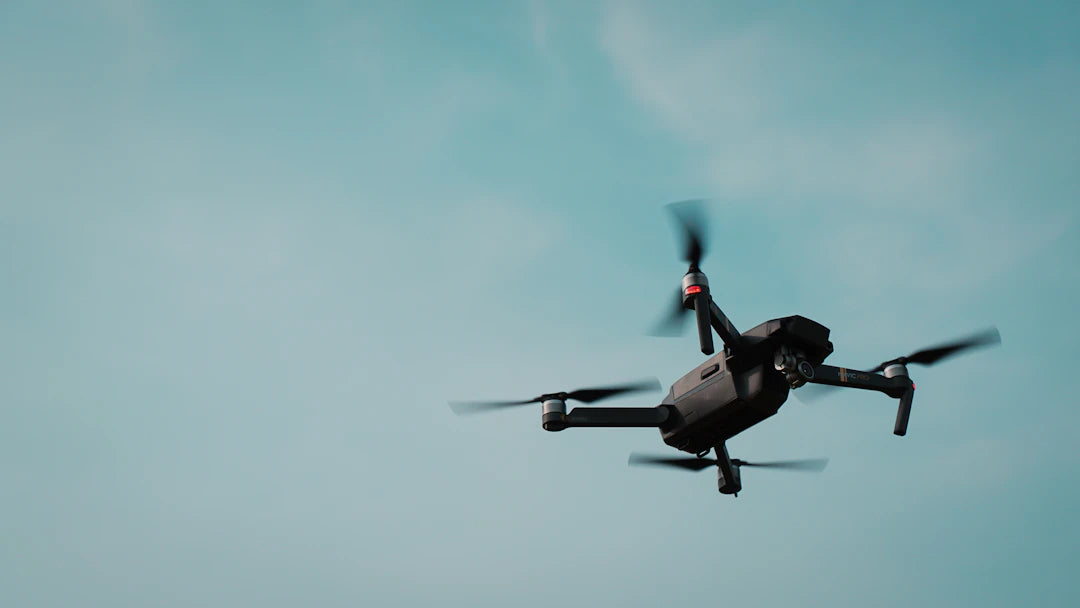
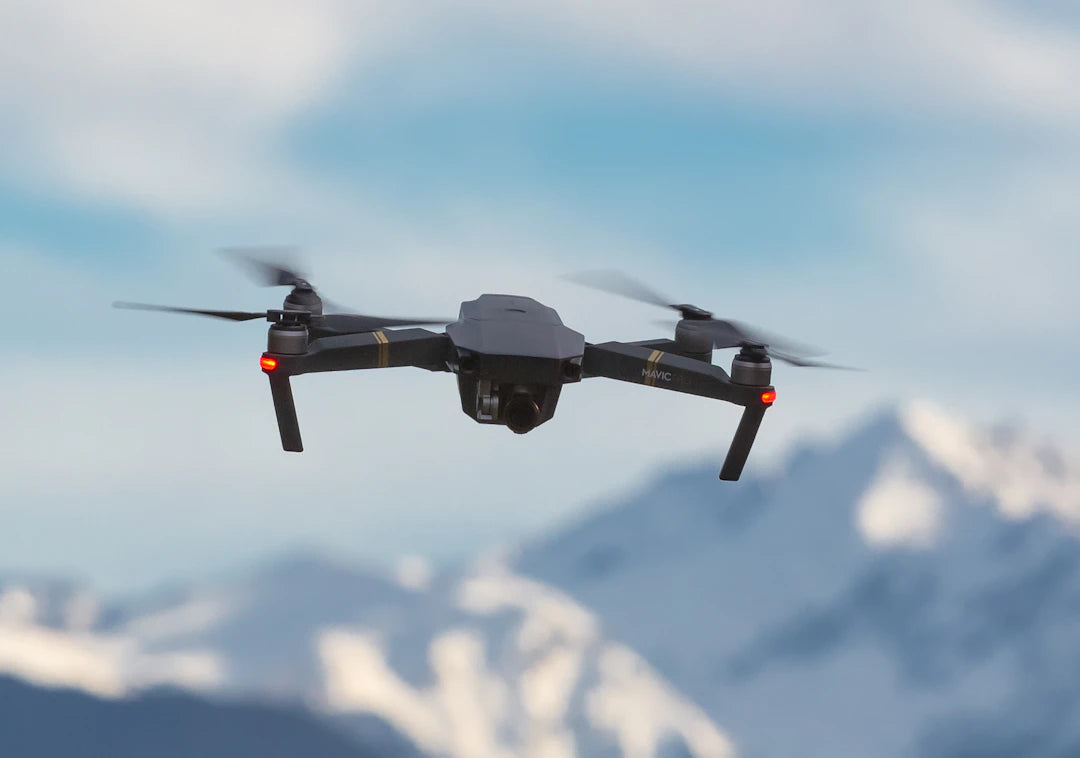
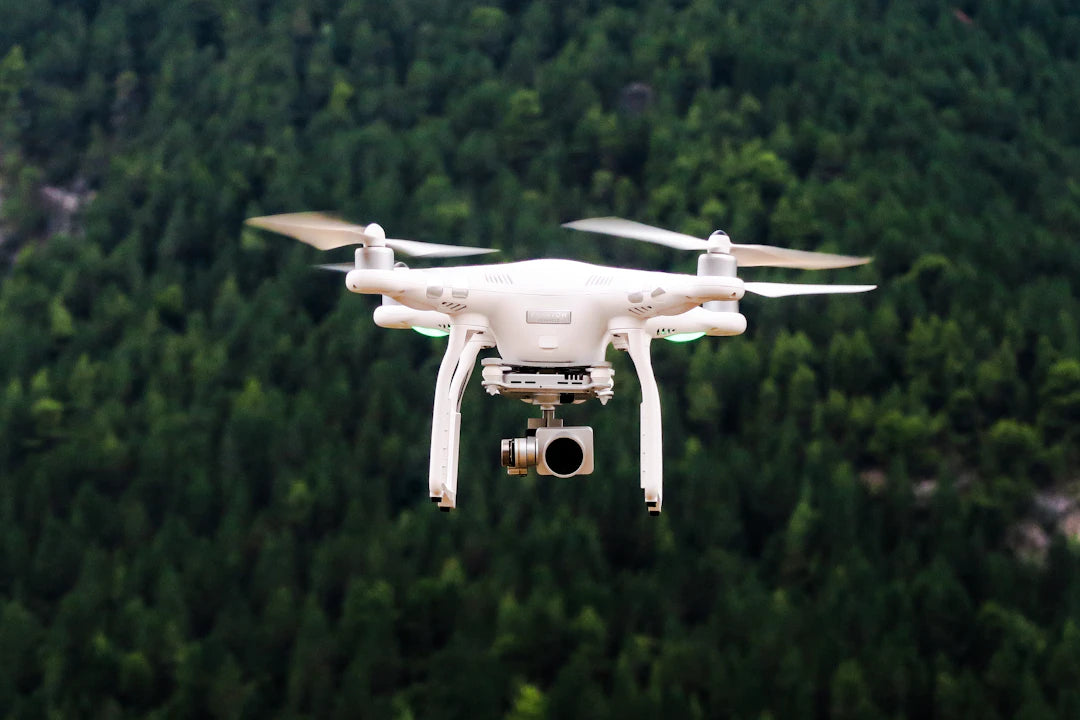
The world of drones has evolved dramatically over the past few decades. Originally developed for military purposes, drones have found their way into various civilian applications, providing innovations across multiple industries. This comprehensive exploration will guide you through the evolution of drones, highlighting their transition from military usage to civilian applications, including their impact on technology, society, and various sectors.
The Military Origins of Drones
Drones, or unmanned aerial vehicles (UAVs), were primarily developed for military use. The earliest military drones were designed for reconnaissance and surveillance. The need for aerial observation during warfare led to the development of these sophisticated devices. Key milestones in military drone history include:
- The Kettering Bug: Developed in 1918, this was one of the first cruise missiles and laid the groundwork for UAV technology.
- Remarkable Growth in the 1990s: Drones such as the Predator were used extensively for reconnaissance in times of conflict.
- Enhanced Surveillance: Military drones expanded their roles to include target acquisition and precision strikes.
The military successfully utilized drones to gather intelligence and conduct airstrikes while minimizing risks to human pilots. As technology advanced, drones became more sophisticated, with features such as high-definition cameras, GPS navigation, and advanced targeting systems, significantly increasing their operational capabilities.
The Transition to Civilian Use
Following their success in military applications, drones soon transitioned into civilian use. This change has opened up various opportunities across multiple sectors, from agriculture to entertainment. Below are some key factors that contributed to this transition:
- Technological Advancements: Rapid developments in battery life, miniaturization of components, and improvements in sensors made drones more accessible.
- Regulatory Changes: Governments worldwide began to recognize the potential of drones, implementing regulations that allowed their civilian use.
- Affordability: As demand grew, manufacturers started producing cost-effective UAVs, making them available to consumers.
Civilian Applications of Drones
Today, drones serve a wide range of civilian purposes. Their versatility allows for a multitude of applications:
| Industry | Application |
|---|---|
| Agriculture | Crop monitoring, precision farming, and aerial spraying |
| Real Estate | Aerial photography and virtual tours of properties |
| Construction | Site surveying, progress monitoring, and safety inspections |
| Emergency Services | Search and rescue operations, disaster response, and fire monitoring |
| Entertainment | Filmmaking, photography, and drone racing |
Innovations in Drone Technology
The evolution of drones has been closely tied to innovations in technology. As drone capabilities have grown, so have their uses. Notably, the integration of advanced features such as thermal gimbal cameras has revolutionized many industries that rely on aerial surveillance and monitoring.
Thermal Gimbal Cameras
Thermal gimbal cameras are becoming increasingly popular in both military and civilian applications. These cameras can detect heat signatures, making them essential for activities like:
- Firefighting: Identifying hotspots for more effective fire suppression.
- Search and Rescue: Locating individuals in challenging conditions, such as dense forests or during nighttime.
- Building Inspections: Detecting heat loss or moisture intrusion in buildings.
Such capabilities can significantly enhance operational efficiency and safety, showcasing how drone technology continues to innovate and adapt for various roles.
Drones in Specialized Fields
Several industries are utilizing drones for specialized purposes to enhance efficiency and precision.
Agricultural Innovations
Precision agriculture has emerged as a significant sector utilizing drones. With the help of drones, farmers can:
- Monitor crop health through aerial imagery.
- Optimize irrigation by assessing soil moisture levels.
- Utilize aerial spraying for pesticides or fertilizers, improving coverage and minimizing chemical use.
Underwater Drone Technologies
As drones expand their horizons beyond the skies, underwater drones have also grown in prominence, notably for marine inspections and research. The Best underwater drones for boat inspections are equipped with advanced imaging and data collection capabilities, providing critical insights into marine environments.
These underwater drones are capable of:
- Inspecting hulls for damage or growth.
- Surveying underwater structures such as pipelines or bridges.
- Conducting environmental monitoring and research.
Challenges Facing the Drone Industry
Despite the numerous advancements, the drone industry does face challenges:
- Regulatory Hurdles: Ensuring that drone operations comply with evolving regulations is essential for safe and legal use.
- Privacy Concerns: The increased visibility of drones in civilian life raises concerns regarding privacy and surveillance.
- Technical Limitations: Battery life and payload capacity continue to be key areas for innovation as users seek longer flight times and more capabilities.
The Future of Drones
As technology continues to advance, the future of drones appears promising. Future innovations may include AI-enhanced drones capable of autonomous navigation, improved sensors for varying applications, and increased collaboration with other technologies, such as IoT devices.
Moreover, the drone delivery system is on the brink of revolutionizing industries such as e-commerce. Companies are exploring drone delivery for packages, food, and medical supplies, dramatically altering logistics as we know it.
Reimagining the Skies
The transformation of drones from military tools to civilian assets illustrates the remarkable adaptability and potential of technology. The drone landscape is continually evolving, presenting new opportunities and challenges. As they become an integral part of our daily lives, it's essential for users to understand their applications, regulations, and the technology that powers them.
Whether used in agriculture, emergency services, underwater inspections, or entertainment, drones are redefining various sectors. As more individuals and businesses adopt this technology, the sky truly is the limit for what drones can accomplish in the future!
Key Takeaways
- Military Origins: Drones were initially developed for military purposes, focusing on reconnaissance and surveillance.
- Civilian Transition: Drones have expanded into civilian applications, enhancing industries such as agriculture, real estate, and emergency services.
- Technological Advancements: Innovations in battery life, miniaturization, and sensor technology have made drones more accessible and versatile.
- Specialized Uses: Drones are utilized for precise tasks like crop monitoring, aerial photography, site surveying, and search and rescue operations.
- Underwater Drones: The emergence of underwater drones has expanded capabilities for marine inspections and environmental monitoring.
- Challenges Ahead: The drone industry faces regulatory hurdles, privacy concerns, and technical limitations that need addressing for future growth.
- Future Innovations: Expected advancements include AI-enhanced drones, improved sensors, and the potential for drone delivery systems in various sectors.
Pros and Cons
| Advantages of Drones | Drawbacks of Drones |
|---|---|
| Enhances efficiency in various industries such as agriculture and construction. | Regulatory hurdles can complicate operations and compliance. |
| Provides innovative solutions like thermal gimbal cameras for search and rescue. | Privacy concerns arise with increased drone visibility in civilian life. |
| Cost-effective options have made drones accessible to consumers. | Technical limitations like battery life and payload capacity need ongoing innovation. |
| Facilitates new applications in entertainment, such as filmmaking and drone racing. | Potential for misuse in surveillance and invasion of privacy. |
Linked Product

Autel Robotics EVO II 640T Thermal and Visual Gimbal Camera
The Autel Robotics EVO II 640T Thermal and Visual Gimbal Camera offers versatile imaging capabilities, featuring both thermal and high-resolution visual cameras. It supports multiple recording formats and resolutions, including up to 8K video, making it suitable for a range of applications from thermal analysis to high-quality photography. With advanced features such as ten thermal color palettes and various photography modes, this camera is ideal for professionals in fields like surveying, search and rescue, and environmental monitoring.
View ProductWho It's For (And Not For)
Who It's For
- Agricultural Professionals: Those looking to enhance crop monitoring and precision farming will find drones invaluable.
- Real Estate Agents: Agents seeking to provide aerial photography and virtual tours can greatly benefit from drone technology.
- Emergency Services: Organizations involved in search and rescue or disaster response will find drones essential for operational efficiency.
- Filmmakers and Photographers: Creative professionals looking to capture unique aerial shots will appreciate the versatility of drones.
- Marine Inspectors: Those conducting underwater inspections can utilize specialized underwater drones for enhanced data collection.
Who It's Not For
- Individuals Unfamiliar with Technology: Those who are not comfortable with operating advanced technology may struggle with drone usage.
- People with Privacy Concerns: Individuals who are apprehensive about surveillance and privacy issues may prefer to avoid drone interactions.
- Casual Hobbyists: Those looking for simple recreational activities may find drones too complex or expensive for their needs.
- Small Businesses with Limited Budgets: Companies that cannot afford the investment in drone technology may find it impractical.
- Individuals Living in Highly Regulated Areas: Those in regions with strict drone regulations may face limitations that deter usage.
Frequently Asked Questions
1. What are drones and what were their original purpose?
2. How did drones transition from military to civilian use?
3. What are some current civilian applications of drones?
4. What are thermal gimbal cameras and how are they used?
5. What challenges does the drone industry face?
Glossary
| Term | Meaning |
|---|---|
| Drones | Unmanned aerial vehicles used for various applications. |
| UAVs | Acronym for Unmanned Aerial Vehicles, synonymous with drones. |
| Reconnaissance | Military observation to gather intelligence. |
| Thermal Gimbal Cameras | Cameras that detect heat signatures for various uses. |
| Precision Agriculture | Farming management using drones for efficiency. |
| Regulatory Changes | Government policies that facilitate civilian drone use. |
| Underwater Drones | Drones designed for underwater inspections and research. |
| AI-enhanced Drones | Drones equipped with artificial intelligence for autonomous tasks. |
| Drone Delivery | Using drones to transport packages and goods. |
| Privacy Concerns | Issues related to surveillance and personal privacy from drones. |