Ethical Drone Use in Public Spaces: Navigating the Skies
Overview
Drones are becoming more prevalent, raising ethical concerns about privacy, safety, and environmental impact. Responsible operation involves understanding drone types, adhering to local regulations, and engaging with the community. Ethical practices can enhance public trust and acceptance of drone technologies while promoting safer and more effective use.
Table of Contents
- The Growing Popularity of Drones
- Understanding Drone Types: A Brief Overview
- Key Ethical Considerations for Drone Use
- Privacy and Surveillance
- Safety and Security
- Environmental Impact
- Local Regulations and Compliance
- Enhancing Public Engagement Through Ethical Practices
- The Benefits of Ethical Drone Use
- Moving Towards a Collective Understanding
As drones become increasingly common in our daily lives, they present a unique set of challenges, particularly concerning ethical considerations for their use in public spaces. The integration of technology such as thermal imaging drones and underwater drone lighting systems requires a thoughtful approach to ensure responsible operation. This article explores the ethical implications surrounding drone usage while offering insights into best practices for operators.
The Growing Popularity of Drones
Drone technology has exploded in popularity over the last decade. Businesses are leveraging drones for various applications, from aerial photography to infrastructure inspections and even thermal imaging for surveillance. However, with such rapid adoption comes the need to understand the ethical limitations and societal impacts of their operation in public spaces. Ensuring that drones are flown responsibly is imperative to maintain public trust and safety.
Understanding Drone Types: A Brief Overview
To better appreciate the ethical considerations surrounding drone technology, it's essential to understand the different types of drones commonly used and their specific purposes. Here’s a brief overview:
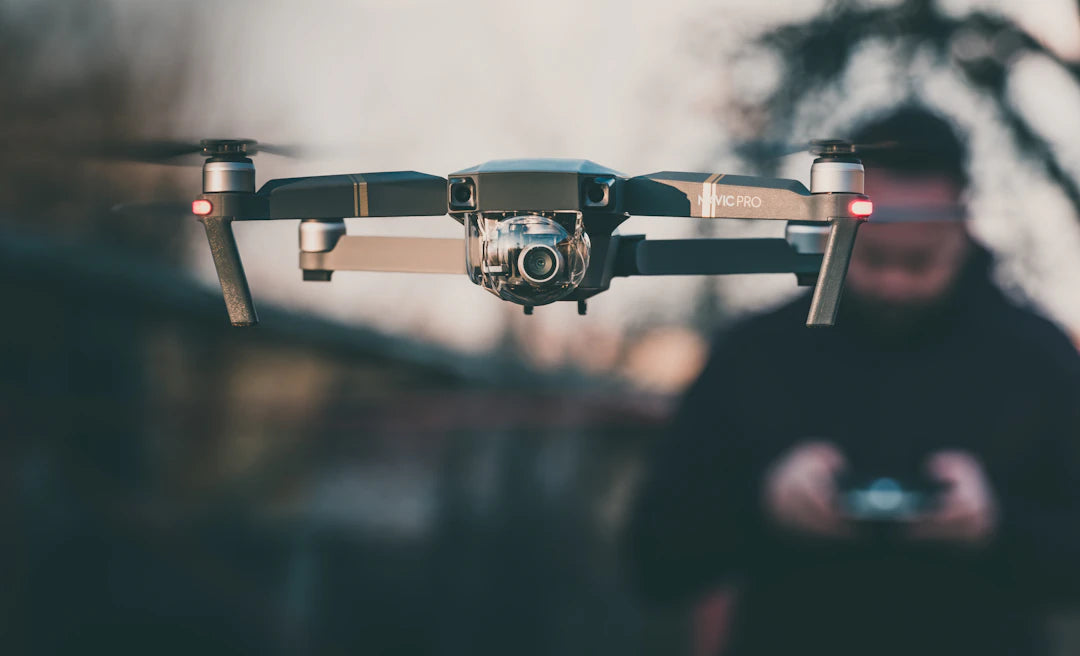
- Quadcopters: These are the most popular type due to their stability and ease of use, making them ideal for recreational flying and aerial videography.
- Fixed-Wing Drones: Suitable for longer flights, these drones cover more ground and are often used in mapping and surveying.
- Thermal Imaging Drones: Equipped with thermal cameras, these drones are invaluable for search and rescue operations, agricultural monitoring, and security purposes.
- Underwater Drones: Equipped with underwater drone lighting systems, these are specialized for underwater exploration and inspection tasks.
Key Ethical Considerations for Drone Use
When flying drones in public spaces, operators must be aware of several key ethical considerations. To maintain a responsible drone operation, individuals and organizations should take into account the following factors:
Privacy and Surveillance
One of the most pressing ethical issues in drone operation is privacy. Drones equipped with high-resolution cameras and thermal imaging capabilities can easily infringe upon individuals' right to privacy. Operators should respect personal boundaries and ensure that their activities do not inadvertently violate privacy laws.
Safety and Security
Safety must always be a priority when operating drones in populated areas. Accidental collisions with people, animals, or property can lead to serious injuries or damage. Therefore, drone operators should follow strict safety guidelines, including:
- Maintaining visual line of sight.
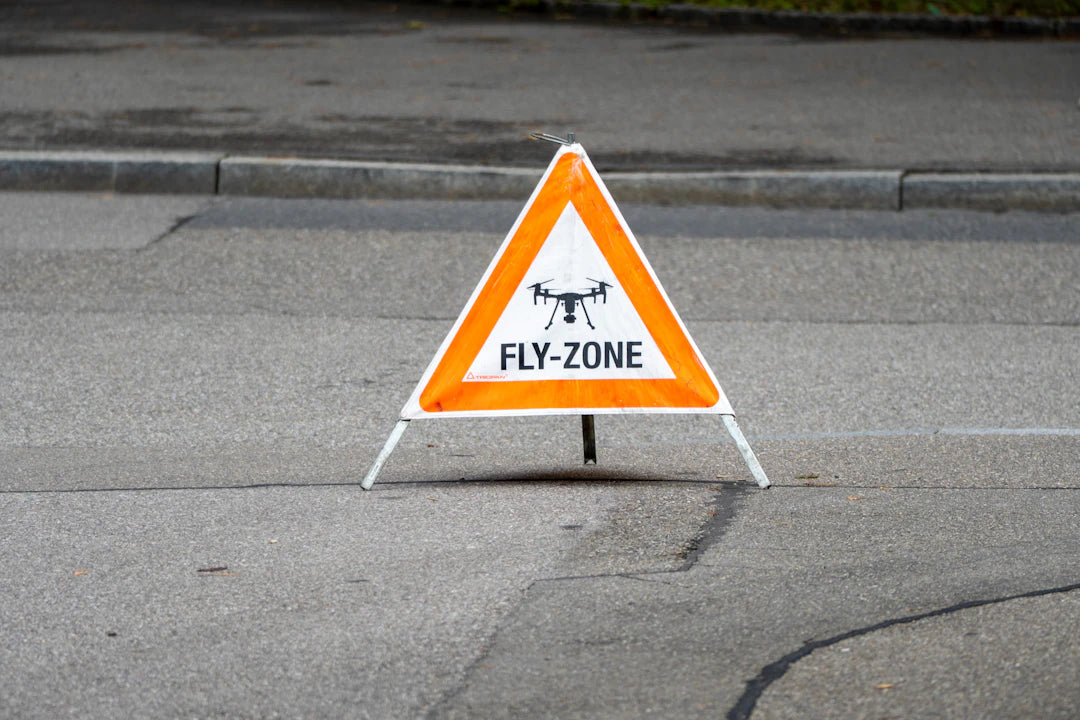
- Observing no-fly zones.
- Understanding local laws and regulations governing drone flight.
Environmental Impact
The environmental impact of drone usage can also not be overlooked. While drones can promote efficiency in tasks like environmental monitoring, they can also disturb wildlife and natural habitats during operation. Operators should be mindful of where they fly and avoid areas where wildlife is likely to be disturbed. Additionally, adopting energy-efficient drones contributes to a smaller ecological footprint.
Local Regulations and Compliance
Understanding and adhering to local regulations is essential for ethical drone operation. Laws vary widely by location but typically address privacy concerns, safety protocols, and airspace restrictions. Drone operators should educate themselves on these regulations before flying, engaging with local authorities as necessary. Compliance ensures not only personal safety but also fosters trust with the communities in which they operate.
Enhancing Public Engagement Through Ethical Practices
Engaging the public about drone usage is crucial for fostering a responsible flying culture. Operators can enhance community understanding and acceptance of drones by adopting the following practices:
- Transparency: Inform the public about the purpose of drone flights and data collection methods.
- Community Involvement: Invite community input regarding when and where drones are flown, which can help build trust.
- Education: Offer workshops or informational sessions to educate the public about drone technology and ethical use.
The Benefits of Ethical Drone Use
Responsible drone operation not only protects public interests but also offers substantial benefits to operators and communities alike. People are more likely to embrace drone technologies when they see evidence of ethical practices. Here are some advantages of ethical drone use:
| Benefits | Description |
|---|---|
| Increased Trust | Establishing a positive reputation strengthens public confidence in drone technologies. |
| Regulatory Support | Compliance with laws leads to more favorable legislation and support for drone operations. |
| Community Support | Positive engagement leads to community acceptance and lowers resistance to drone initiatives. |
| Better Data Collection | Ethical considerations often improve the quality of data collected, fostering more responsible usage. |
Moving Towards a Collective Understanding
The integration of drones into our everyday lives comes with immense potential but also imposing responsibilities. As we’ve explored, ethical considerations include privacy rights, safety, environmental impact, compliance with local regulations, and community engagement. Promoting responsible drone use is vital for building trust between operators and society. With continued education and awareness, drone technology can thrive while respecting the ethical boundaries imposed by our shared reality.
In navigating the complex skies of drone operation, maintaining a focus on ethics will ultimately lead to a better understanding and acceptance of this technology. The synergy between advanced technologies like thermal imaging drones and underwater drone lighting systems can revolutionize our interaction with the environment and society, but must always be approached with caution and respect.
Key Takeaways
- Privacy Concerns: Operators must respect individuals' privacy rights and adhere to laws to avoid infringing on personal boundaries.
- Safety Protocols: Prioritize safety by maintaining visual line of sight and observing no-fly zones to prevent accidents.
- Environmental Awareness: Be mindful of the ecological impact of drone operations, especially on wildlife and natural habitats.
- Regulatory Compliance: Familiarize yourself with local laws governing drone use to ensure ethical and legal operations.
- Community Engagement: Foster public trust by being transparent about drone activities and involving the community in decision-making.
- Education Initiatives: Conduct workshops to inform the public about drone technology and responsible usage practices.
- Benefits of Ethical Use: Ethical drone operations enhance public trust, regulatory support, and community acceptance, leading to better data collection.
Pros and Cons
| Advantages of Ethical Drone Use | Drawbacks of Drone Usage |
|---|---|
| Increased Trust: Builds public confidence in drone technologies. | Privacy Concerns: Drones can infringe on individuals' privacy rights. |
| Regulatory Support: Compliance leads to favorable legislation for operations. | Safety Risks: Potential for accidents with people, animals, or property. |
| Community Support: Positive engagement fosters acceptance of drone initiatives. | Environmental Impact: Drones may disturb wildlife and natural habitats. |
| Better Data Collection: Ethical practices enhance the quality of collected data. | Complex Regulations: Navigating local laws can be challenging for operators. |
Linked Product

Autel Robotics EVO Lite 640T Enterprise Premium Package 7.9" RC
The Autel Robotics EVO Lite 640T Enterprise Premium Package is a compact drone that excels in delivering high-quality thermal and visible-light imaging for critical operations such as search and rescue, law enforcement, and firefighting. Its dual-gimbal system features a 640x512 infrared thermal camera and a 48MP visible-light camera, allowing for precise heat detection and detailed visual data capture. With advanced SLAM technology for stable flight in challenging environments and a long flight endurance, this drone is designed for reliability and efficiency in a variety of mission scenarios.
View ProductWho It's For (And Not For)
Who It's For
- Drone Operators: Individuals or businesses looking to utilize drones for commercial purposes such as aerial photography, surveillance, or environmental monitoring.
- Ethical Enthusiasts: Those who prioritize ethical considerations and are committed to responsible drone operation, respecting privacy and safety.
- Community Engagers: Operators who wish to involve the community in their drone activities, promoting transparency and education about drone use.
- Regulatory Compliant Users: Individuals who are willing to educate themselves on local laws and adhere to regulations governing drone flights.
Who It's Not For
- Irresponsible Users: Individuals who are not willing to follow safety guidelines or respect privacy while operating drones.
- Non-Compliant Operators: Those who disregard local regulations and do not engage with authorities regarding drone usage.
- Environmental Neglecters: Operators who are indifferent to the environmental impact of their drone activities and do not consider wildlife disturbances.
- Privacy Violators: Individuals who intend to use drones for invasive surveillance or activities that infringe on the rights of others.
Frequently Asked Questions
1. What are the ethical considerations for drone use in public spaces?
2. What types of drones are commonly used and what are their purposes?
3. How can drone operators ensure privacy while operating their drones?
4. What safety guidelines should drone operators follow?
5. What are the benefits of ethical drone use for operators and communities?
Glossary
| Term | Meaning |
|---|---|
| Drone | A remote-controlled or autonomous flying device. |
| Quadcopter | A four-rotor drone known for stability and ease of use. |
| Thermal Imaging | Technology that detects heat signatures, useful in various applications. |
| Underwater Drone | A drone designed for exploration and inspection underwater. |
| Privacy | The right of individuals to control their personal information. |
| Safety Guidelines | Rules to ensure safe operation of drones in populated areas. |
| Environmental Impact | The effect of drone operations on wildlife and natural habitats. |
| Local Regulations | Rules governing drone use that vary by location. |
| Community Engagement | Involving the public in discussions about drone usage. |
| Ethical Practices | Responsible behaviors that respect privacy and safety in drone operations. |