The Impact of Government Regulations on Drone Usage
Overview
Understanding drone regulations is essential for both hobbyists and professionals as the industry evolves. Key points include registration requirements, flight restrictions, and privacy laws, which vary by region. Staying informed about local and international regulations, recent changes, and future trends is crucial for responsible drone usage and compliance.
Table of Contents
- Understanding Drone Regulations
- The Role of Regulatory Bodies
- Key Regulations Affecting Drone Users
- International Regulations
- Navigating the Regulations
- Recent Changes in Regulations
- The Future of Drone Regulations
- Impact on the Drone Industry
- Conclusion of Insights: Soaring Towards Responsible Drone Usage
As the use of drones continues to soar in both commercial and recreational sectors, understanding the various government regulations and policies surrounding these flying machines is crucial. Whether you're a hobbyist or looking for a professional drone for sale, it is essential to be aware of the legal landscape and the implications it has on drone usage. This article explores how regulations influence the drone industry, the specifics of these laws, and the future landscape of drone regulations. Let’s dive deeper into the sky-high world of drone governance.
Understanding Drone Regulations
Government regulations governing drone usage have evolved significantly over the past decade. Originally, the rules were few and far between, leading to both innovation and chaos in the drone market. Today, these regulations aim to provide safety, privacy, and accountability in the sky.
The Role of Regulatory Bodies
In the United States, the primary authority regulating drone usage is the Federal Aviation Administration (FAA). However, local and state governments can also implement their own regulations, making it vital for drone users to understand the specific laws in their area. Various countries have different regulatory bodies responsible for oversight, such as the European Union Aviation Safety Agency (EASA) for EU member states.
Key Regulations Affecting Drone Users
Let’s look at some of the crucial regulations impacting drone usage today:
- Registration Requirements: In many countries, drones above a certain weight limit must be registered with the appropriate governmental agency.
- Flight Restrictions: Drones are usually restricted from flying in controlled airspace without special permissions.
- Altitude Limits: Most regulations set height restrictions, usually around 400 feet above ground level.
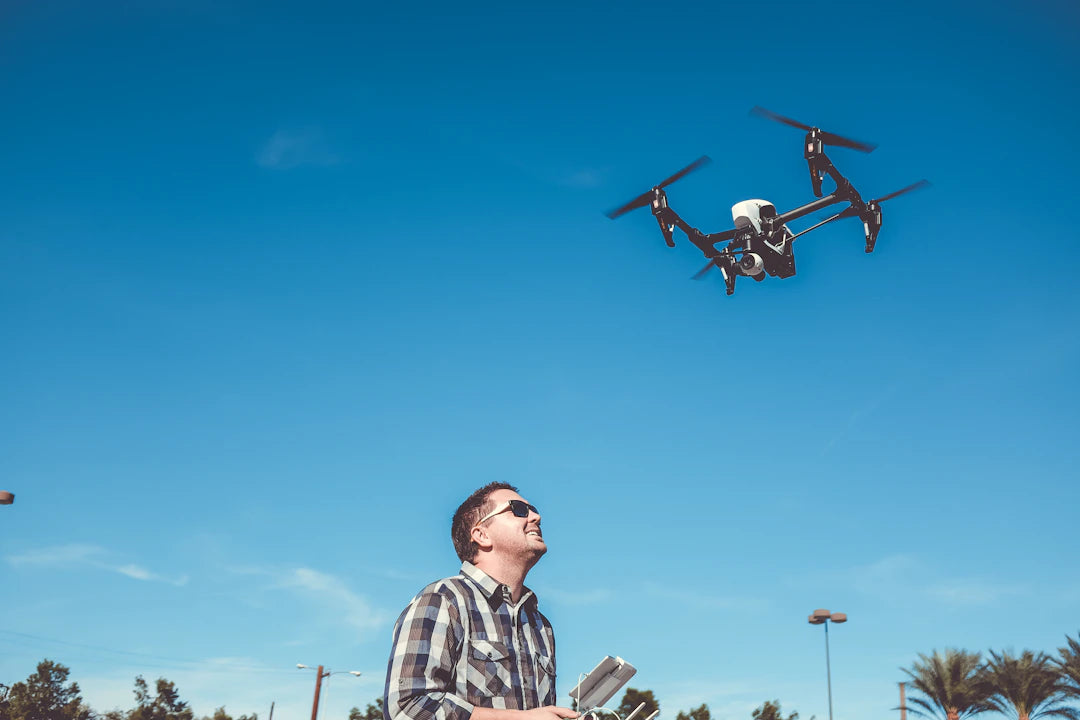
- Visual Line of Sight: Pilots are generally required to keep their drones within their line of sight during flight.
- Privacy Laws: Many jurisdictions incorporate privacy protections concerning how and where drones can be used to capture images and videos.
International Regulations
The global drone landscape is not uniform, and regulations can vary widely by country. Here’s a comparison of regulations across different regions:
| Region | Main Regulatory Body | Registration Requirement | Weight Limit for Registration |
|---|---|---|---|
| United States | FAA | Yes | 0.55 lbs (250 grams) |
| Europe | EASA | Yes | 0.55 lbs (250 grams) |
| Australia | CASA | Yes | 0.55 lbs (250 grams) |
| Canada | Transport Canada | Yes | 0.55 lbs (250 grams) |
Navigating the Regulations
If you're considering a dual gimbal drone or any other type of drone, it is essential to navigate the maze of regulations effectively. Here are some expert tips:
- Stay Updated: Follow news from your local aviation authority for the latest updates on drone regulations.
- Get Educated: Consider taking a course that includes information on the legal aspects of drone operation.
- Join a Community: Engage with local drone enthusiasts or online forums for shared insights and experiences regarding regulations.
- Consult Experts: If unsure, consult a legal expert specializing in aviation law for personalized advice.
Recent Changes in Regulations
In recent years, we have seen a significant shift toward stricter regulations aimed at ensuring safety and responsibility in drone operations. Some notable changes include:
The Future of Drone Regulations
The future of drone regulations is expected to evolve, especially as technology advances and drone applications proliferate. Here are some predictions:
Greater Autonomy: As drones become more automated, regulations will likely adapt to cover complex operations such as drone delivery and urban air mobility.
Integration with Other Air Traffic: As more drones take to the skies, there is a pressing need for integration with manned aircraft operations to ensure safety.
Impact on the Drone Industry
The implications of these regulations trickle down into the commercial sector, affecting product offerings and customer needs. For example, consumers looking for a professional drone for sale will be more informed about which models comply with the latest regulations. Moreover, manufacturers must ensure that their models meet regulatory standards to avoid legal challenges.
Conclusion of Insights: Soaring Towards Responsible Drone Usage
Understanding government regulations and policies impacting drone usage is crucial for anyone wanting to explore this field. As laws continue to evolve and adapt to technological advancements, staying informed will be key to maintaining compliance and reaping the benefits of drone technology. Whether you're seeking to purchase a dual gimbal drone or looking for other options in the drone market, knowledge of regulations will enable responsible and engaged use of these innovative technological wonders. So gear up, stay educated, and take to the skies responsibly!
Key Takeaways
- Know the Regulatory Bodies: The FAA is the primary authority in the U.S., while other regions have their own governing bodies like EASA in Europe.
- Registration is Mandatory: Drones over 0.55 lbs (250 grams) must be registered in many countries, including the U.S. and EU.
- Adhere to Flight Restrictions: Drones cannot fly in controlled airspace without special permissions and must typically stay below 400 feet.
- Maintain Visual Line of Sight: Pilots must keep their drones within their line of sight during operation for safety.
- Be Aware of Privacy Laws: Regulations often include privacy protections regarding the capture of images and videos with drones.
- Stay Informed: Regularly check updates from local aviation authorities to remain compliant with changing regulations.
- Consult Experts: If uncertain about regulations, seek advice from legal professionals specializing in aviation law.
Pros and Cons
| Advantages of Drone Regulations | Drawbacks of Drone Regulations |
|---|---|
| Enhances safety for drone pilots and the public. | Can limit creativity and innovation in drone design and usage. |
| Protects privacy by regulating where drones can capture images. | Complexity of regulations can be confusing for users. |
| Establishes accountability for drone operators. | May impose additional costs for registration and compliance. |
| Encourages responsible use of drone technology. | Varying regulations across regions can complicate operations for travelers. |
Linked Product

Autel Robotics EVO Lite 640T Enterprise Premium Package
The Autel Robotics EVO Lite 640T Enterprise Premium Package is designed for professional use in various applications, including law enforcement and emergency rescue, thanks to its dual gimbal system featuring both visible light and thermal imaging cameras. With intelligent features such as AI target recognition and a user-friendly flight app, it enables efficient single-person deployment while ensuring data security through encrypted storage and privacy protection. Its lightweight design, impressive flight time of up to 40 minutes, and high-definition video transmission capabilities make it a versatile tool for complex mission scenarios.
View ProductWho It's For (And Not For)
Who It's For
- Hobbyists: Individuals who enjoy flying drones for recreational purposes and want to understand the legal requirements to ensure safe and responsible flying.
- Commercial Operators: Businesses or professionals seeking to utilize drones for commercial purposes, needing to navigate regulations to operate legally and efficiently.
- Drone Enthusiasts: People interested in the latest drone technology and innovations, who want to stay updated on regulatory changes that may affect their hobby or business.
- Educators and Students: Those involved in teaching or studying drone technology, who need to understand the regulatory landscape for academic or practical applications.
Who It's Not For
- Casual Users: Individuals who are not committed to learning about regulations and may fly drones without regard for legal compliance.
- Uninformed Buyers: Consumers looking to purchase a drone without considering how regulations affect their choices and usage.
- Reckless Operators: Those who intend to operate drones in restricted areas or violate privacy laws, as this will lead to legal repercussions.
- Individuals Seeking Quick Solutions: People looking for shortcuts or easy ways to operate drones without understanding the necessary regulations and responsibilities involved.
Frequently Asked Questions
1. What are the main government regulations surrounding drone usage?
2. Who regulates drone usage in the United States?
3. What are the registration requirements for drones in different regions?
4. How can drone users stay informed about regulations?
5. What does the future hold for drone regulations?
Glossary
| Term | Meaning |
|---|---|
| Drone | A remote-controlled flying device, often equipped with cameras. |
| FAA | The Federal Aviation Administration, the main regulatory body for drones in the U.S. |
| EASA | The European Union Aviation Safety Agency, overseeing drone regulations in Europe. |
| Registration Requirement | Mandatory process for drones above a certain weight to be registered with authorities. |
| Flight Restrictions | Rules limiting where drones can fly, especially in controlled airspace. |
| Altitude Limits | Height restrictions for drone flights, typically around 400 feet. |
| Visual Line of Sight | Requirement for pilots to keep drones within their sight during operation. |
| Privacy Laws | Regulations protecting individuals' privacy regarding drone use for capturing images. |
| Remote ID | A system for identifying and tracking drones in the airspace for safety compliance. |
| Urban Air Mobility | Future concept involving the use of drones for transport in urban environments. |