Drones and the Media: Transforming News Coverage
Overview
Drones are revolutionizing journalism by providing unique aerial perspectives, access to hard-to-reach areas, and cost-effective reporting options. While they enhance storytelling and real-time coverage, ethical concerns such as privacy and safety risks pose challenges. As drone technology evolves, it will play an increasingly vital role in media, requiring new training for journalists and adaptations in regulations. Embracing drones responsibly can redefine how news is reported and enhance audience engagement.
Table of Contents
- The Evolution of News Coverage
- Historical Context
- How Drones Enhance Journalism
- The Ethical Considerations and Challenges
- Privacy Concerns
- Regulatory Framework
- Safety Risks
- Case Studies: Drones in Action
- The Role of Drones in Investigative Journalism
- Documenting Environmental Violations
- Insight into Complicated Scenarios
- Innovations in Drone Technology
- The Future of Drones in Journalism
- Training the Next Generation of Journalists
- Regulatory Evolution
- To Infinity and Beyond: The Next Frontier
In recent years, the landscape of journalism has seen a radical transformation, largely due to the rise of drone technology. Drones have emerged as powerful tools that enhances media coverage, allowing for dynamic storytelling and a bird's-eye view of events like never before. This article delves into how drones are influencing the media, changing the way news is gathered and portrayed, and what this means for the future of journalism.
The Evolution of News Coverage
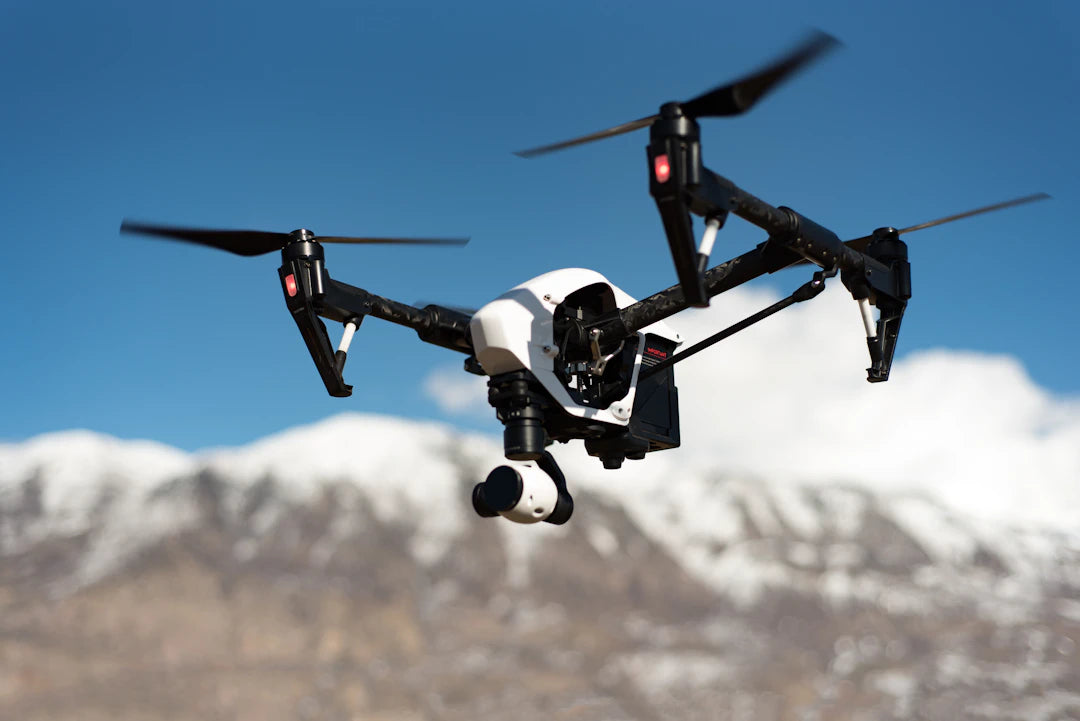
The field of journalism has always been about adapting to new technologies. From the printing press to the internet, these innovations have continually changed how news is reported. Drones represent the latest evolution, providing unique perspectives that were previously impossible to achieve. They are not just flying cameras; they are game-changers in how stories are told.
Historical Context
The introduction of drones into media coverage can be traced back to the early 2000s, when hobbyists began using them for aerial photography. As technology improved, the potential for news applications flourished. By 2014, major news outlets started experimenting with drones, capturing stunning footage of natural disasters, protests, and large-scale events.
How Drones Enhance Journalism
Drones bring a wealth of benefits and capabilities to journalism that traditional methods simply cannot match. Here are some key enhancements:
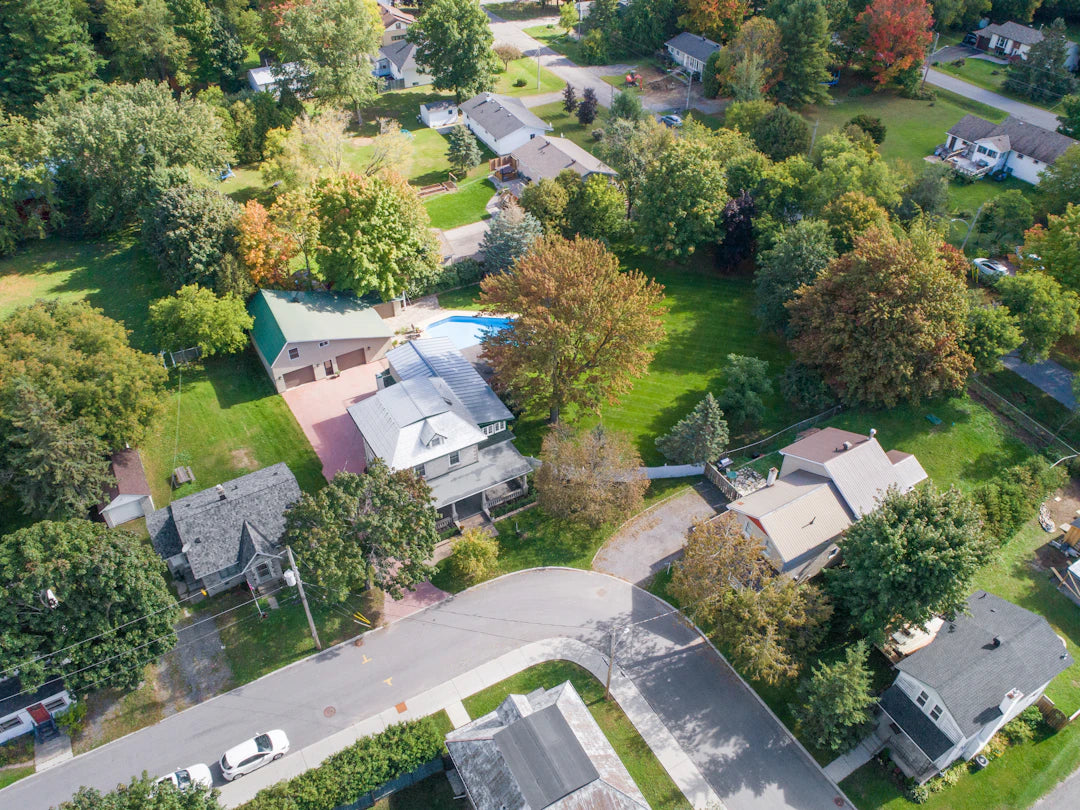
- Aerial Perspectives: Drones offer high-resolution imagery from elevations that leave ground-based reporting in the dust.
- Access to Hard-to-Reach Areas: Drones can easily reach remote locations, capturing footage where reporters might not be able to go safely or quickly.
- Reduced Costs: Compared to traditional helicopter aerial shots, drones are significantly more cost-effective, providing quality footage at a fraction of the cost.
- Real-time Reporting: Drones can be deployed quickly, allowing for immediate coverage of breaking news, whether it be accidents, weather events, or social movements.
- Engagement and Storytelling: The unique visuals captured by drones can create a more engaging viewing experience, helping to attract and retain audiences.
The Ethical Considerations and Challenges
While drones certainly offer incredible capabilities, they also bring ethical dilemmas and challenges to the fore. Issues surrounding privacy, safety, and regulations must be carefully considered.
Privacy Concerns
With the ability to capture footage from above, drones can inadvertently invade the privacy of individuals. This has raised concerns over how media organizations choose to utilize aerial footage, often leading to questions about consent and the right to privacy.
Regulatory Framework
In the United States, the Federal Aviation Administration (FAA) has established regulations for drone usage that journalists must adhere to. These regulations encompass operational limits, airspace restrictions, and licensing requirements, which can complicate quick reporting efforts. Adhering to these guidelines ensures not only the safety of the public but also the credibility of the media.
Safety Risks
While drones are generally safe, their integration into crowded situations can pose real risks. Journalists operating drones must mitigate these risks, ensuring they do not endanger themselves or the public while covering unfolding events.
Case Studies: Drones in Action
Numerous media organizations have successfully leveraged drones to enhance their news coverage. Here are a few noteworthy examples:
- Hurricane Coverage: During hurricanes, news outlets like The Weather Channel have used drones to capture real-time footage of storm impacts, offering viewers a unique perspective on the devastation and urgency of the situation.
- Environmental Reporting: Various news agencies have utilized drones to monitor deforestation, illegal fishing, and pollution in hard-to-reach locations. For instance, the "Best Underwater Drones for Aquaculture" category highlights innovative uses of drone technology in marine environments.
- Protests and Social Movements: Drones have been deployed during large protests to provide an aerial overview of gatherings, showcasing both the scale and intensity of movements like Black Lives Matter.
The Role of Drones in Investigative Journalism
Investigative journalism requires in-depth research and sometimes, unconventional methods to unveil the truth. Drones serve as powerful allies in this regard:
Documenting Environmental Violations
With their high-resolution cameras, drones can effectively document environmental violations, such as illegal dumping and unauthorized deforestation. This visual evidence can be invaluable when reporting on environmental concerns, helping to hold corporations and authorities accountable.
Insight into Complicated Scenarios
Drone footage can often provide insights into complex stories that require an understanding of context. Showing how communities interact with their environments or how urban settings can affect social dynamics, drones offer a unique lens to through which journalists can frame their stories.
Innovations in Drone Technology
As technology progresses, so do the capabilities of drones, which has a direct impact on media coverage. Here are some promising advancements in drone technology:
| **Innovation** | **Description** | |----------------------------------|------------------------------------------------------------------------------------------------------------------------------------------------------| | AI Integration | Drones equipped with AI can analyze footage in real time, identifying critical elements in a story and providing journalists with instant insights. | | Enhanced Battery Life | Improvements in battery technology allow drones to fly longer, expanding their capability to gather more extensive footage in a single outing. | | Advanced Stabilization | Modern drones come equipped with sophisticated stabilization technology, offering sharper, more stable imagery even in windy conditions. | | Live Streaming Capabilities | Many drones now support live streaming, allowing news outlets to broadcast live events as they are happening from the sky. |The Future of Drones in Journalism
As drones continue to evolve, their role in media and journalism is likely to grow. New applications will emerge as creative ways to tell stories are explored. Innovations like the “Freefly Astro Map Drone Kit” can enable journalists to gather comprehensive data on events, making the pursuit of truth more versatile and engaging.
Training the Next Generation of Journalists
Educational programs are beginning to incorporate drone operation into their journalism curricula, preparing future generations for these advancements. Understanding how to ethically and effectively use drones will become an essential skill for budding journalists.
Regulatory Evolution
As drone usage becomes more mainstream, regulations will likely evolve to accommodate the growing need for responsible reporting without compromising safety or privacy. This evolution will help maintain the integrity of journalistic practices in an increasingly digital world.
To Infinity and Beyond: The Next Frontier
As we stand on the brink of a new era in journalism, driven by the power and potential of drones, it’s essential for media outlets to embrace this technology responsibly and innovatively. The challenges that accompany this change will require reporting skills that are as dynamic as the tools being used. With drones poised to become a mainstay in news coverage, the possibilities for storytelling are as vast as the skies themselves. Embracing this frontier will not only redefine how news is reported but will also challenge journalists to adhere to their highest ethical standards, ensuring that the information shared is both accurate and impactful.
Key Takeaways
- Drones revolutionize journalism by providing unique aerial perspectives and enhancing storytelling capabilities.
- Cost-effective reporting is achieved through drones, which offer high-quality footage at a fraction of the cost of traditional methods.
- Real-time coverage enables journalists to respond quickly to breaking news events, improving the immediacy of news reporting.
- Ethical considerations regarding privacy and safety must be addressed as drones become more integrated into news coverage.
- Innovative applications of drone technology include environmental monitoring and documenting social movements, providing crucial visual evidence.
- Future training for journalists will include drone operation to prepare them for evolving media landscapes.
- Regulatory frameworks are likely to adapt as drone usage becomes more prevalent in journalism, balancing safety and responsible reporting.
Pros and Cons
| Advantages of Drones in Journalism | Drawbacks of Drones in Journalism |
|---|---|
| Provides unique aerial perspectives for storytelling. | Potential invasion of privacy for individuals. |
| Access to hard-to-reach areas for comprehensive coverage. | Strict regulatory framework complicates quick reporting. |
| Cost-effective alternative to traditional aerial photography. | Safety risks in crowded environments during operation. |
| Real-time reporting capabilities enhance news delivery. | Ethical dilemmas regarding consent and footage usage. |
| Engaging visuals attract and retain audience attention. | Dependence on technology may lead to technical failures. |
Linked Product

Freefly Astro Map Drone Kit With Sony a7R IV Camera with Pilot Pro (Herelink RF)
The Freefly Astro Map Drone Kit is designed for high-quality aerial mapping and photography, featuring a 61MP Sony a7R IV camera and a flexible open-interface for various payloads. With centimeter-level RTK accuracy and advanced LTE connectivity, it is well-suited for commercial applications requiring reliable data collection and processing. The included Astro Base ensures that users have all necessary components for seamless operation in demanding environments.
View ProductWho It's For (And Not For)
Who It's For
- Innovative Journalists: Those who are eager to embrace new technologies and explore creative storytelling methods will find drones to be a valuable asset in their reporting toolkit.
- Environmental Reporters: Journalists focused on environmental issues can utilize drones to capture compelling visuals and document violations effectively.
- Breaking News Coverage: Reporters who need to provide real-time updates on unfolding events will benefit from the speed and efficiency of drone deployment.
- Media Organizations: News outlets looking to enhance their visual storytelling and engage audiences through unique aerial perspectives should consider integrating drones into their coverage.
Who It's Not For
- Traditionalists: Journalists who prefer conventional methods of reporting and storytelling may find it challenging to adapt to the technological shift that drones represent.
- Privacy-Conscious Individuals: Those who are concerned about privacy issues may not feel comfortable using drones in their reporting, given the ethical dilemmas involved.
- Under-Resourced Outlets: Smaller media organizations that lack the budget or expertise to operate drones effectively may struggle to implement this technology.
- Regulatory Noncompliance: Journalists unwilling to adhere to FAA regulations and safety guidelines should refrain from using drones, as compliance is essential for responsible reporting.
Frequently Asked Questions
1. How are drones changing journalism?
2. What are some ethical concerns regarding drone usage in journalism?
3. What advancements in drone technology are impacting media coverage?
4. Can you give examples of drones being used in news coverage?
5. How are journalism education programs adapting to the rise of drone technology?
Glossary
| Term | Meaning |
|---|---|
| Drones | Unmanned aerial vehicles used for capturing images and video from above. |
| Aerial Perspectives | Unique viewpoints provided by drones that enhance visual storytelling. |
| Real-time Reporting | Immediate coverage of events as they unfold, facilitated by drone technology. |
| Privacy Concerns | Issues related to the potential invasion of personal privacy by drone footage. |
| Regulatory Framework | Set of rules established by authorities governing drone usage in journalism. |
| Environmental Reporting | Use of drones to monitor and document environmental issues and violations. |
| AI Integration | Incorporation of artificial intelligence in drones for enhanced data analysis. |
| Live Streaming | Capability of drones to broadcast live events directly to audiences. |
| Investigative Journalism | In-depth reporting that often uses drones to uncover hidden truths. |
| Training Programs | Educational initiatives teaching future journalists how to operate drones responsibly. |