Navigating the Legal Landscape of Drone Usage
Overview
Navigating the legal landscape of drone operation is essential for anyone looking to utilize this technology effectively. Understanding federal, state, and local regulations, along with best practices for compliance, can help operators avoid legal pitfalls and maximize their drone's potential. This guide provides practical insights into the necessary certifications, insurance considerations, and industry-specific regulations to ensure safe and responsible drone usage.
Table of Contents
- Understanding Federal Regulations
- Part 107 Regulations
- State and Local Regulations
- Researching Local Laws
- Specialized Use and Industry Considerations
- Enterprise Thermal Drone Usage
- Marine Inspection Drones
- Insurance and Liability Considerations
- Best Practices for Compliance
- Navigating Drone Regulations Internationally
- Advocacy and Future Regulations
- Your Checklist for Drone Compliance
- Launch into the Skies Responsibly
The use of drones has skyrocketed in recent years, revolutionizing various industries, including agriculture, construction, and emergency response. However, with the rapid proliferation of drone technology comes a complex legal landscape that operators must navigate to ensure compliance and safety. In this comprehensive guide, we’ll explore the various legal considerations surrounding drone usage, including federal, state, and local regulations, as well as best practices to follow.
Understanding Federal Regulations
The Federal Aviation Administration (FAA) is the primary regulatory body overseeing drone usage in the United States. To fly a drone legally, operators must understand and comply with various federal regulations, primarily focused on the safety and efficiency of national airspace.
Part 107 Regulations
Most commercial drone operations fall under the FAA's Part 107 regulations, which were enacted to facilitate the safe integration of drones into the national airspace. The key requirements include:
- Certification: Pilots must obtain a Remote Pilot Certificate by passing an Aeronautical Knowledge Test.
- Drone Registration: All drones used for commercial purposes must be registered with the FAA.
- Weight Restrictions: Drones must weigh less than 55 pounds to operate under Part 107.
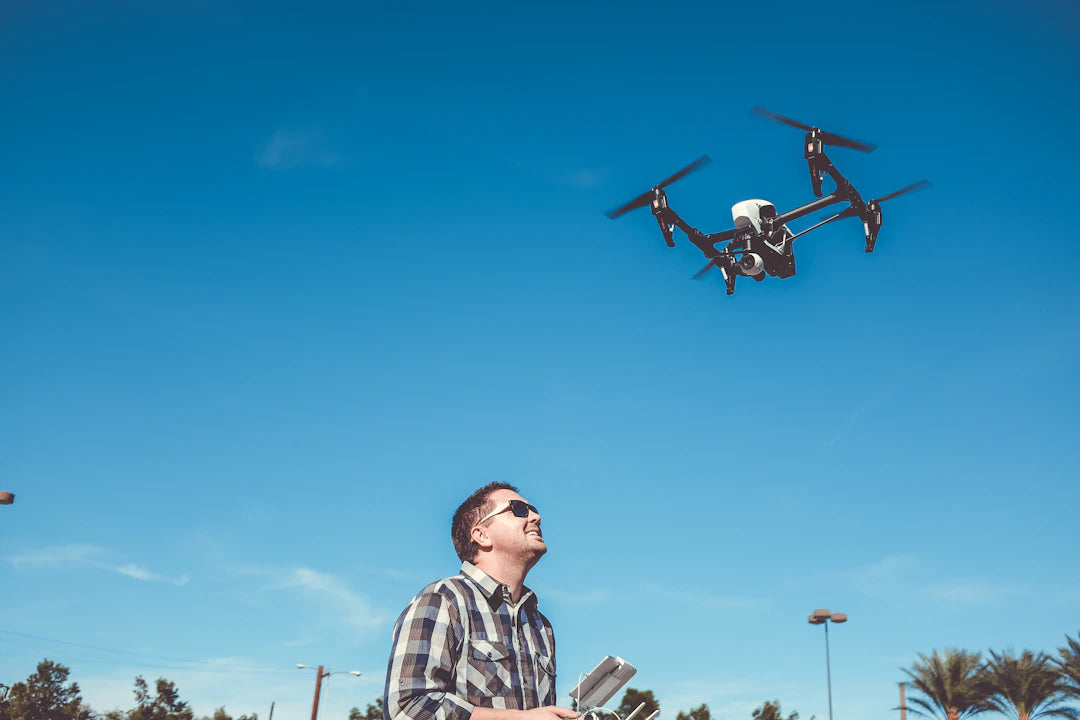
- Visual Line of Sight: Pilots must keep the drone within their visual line of sight at all times.
- Operational Restrictions: Night operations are allowed but require additional lighting, and flying over people is restricted without a waiver.
Part 107 also outlines specific rules regarding airspace restrictions, including prohibited areas around airports and other sensitive locations. Failing to adhere to these regulations can lead to substantial fines and legal penalties.
State and Local Regulations
Beyond federal guidelines, drone operators must also consider state and local laws that can vary widely. Many states have enacted their own laws governing drone usage, including:
- Privacy Laws: Some states have established laws to protect citizens' privacy from unauthorized drone surveillance.
- No-Fly Zones: States can designate specific areas as no-fly zones beyond federal restrictions, particularly around critical infrastructure or sensitive events.
- Liability Regulations: Operators may be held liable for damage caused by their drones, necessitating adequate insurance coverage.
Researching Local Laws
Before flying a drone, it is crucial to check local regulations, which can generally be found on municipal websites or through local law enforcement agencies. Some cities may require permits for commercial operations, and failure to obtain these can lead to hefty fines or cessation of drone activities.
Specialized Use and Industry Considerations
Drone technology has applications across various industries, including photography, agriculture, and inspection services. Each of these industries may be subject to specific regulations:
Enterprise Thermal Drone Usage
With the rise of enterprise thermal drones, operators must understand the unique regulatory considerations associated with these specialized drones. Thermal imaging captures sensitive data, which may invoke privacy concerns. For instance, using thermal drones for inspection can benefit industries such as construction and roofing, but operators need to:
- Ensure compliance with local privacy laws.
- Obtain consent for thermal imaging in residential areas.
- Understand liability issues associated with any aerial inspections conducted.
Marine Inspection Drones
Marine inspection drones have become essential in the shipping and oil industry for inspecting ships, oil rigs, and underwater infrastructure. Regulations specific to this type of drone include:
- Understanding maritime safety regulations and their application to aerial inspections.
- Complying with Coast Guard regulations if operating near waterways.
- Ensuring drones are equipped to handle environmental challenges like wind and water conditions.
Insurance and Liability Considerations
Insurance is a critical component for any drone operation, providing financial protection against accidents, injuries, and property damage. When purchasing insurance, operators must consider various aspects, including:
- Liability Insurance: This coverage protects against damages or injuries caused by the drone.
- Hull Insurance: This coverage protects against damage to the drone itself.
- Specialized Coverage: Additional coverage options are available for specific industries, such as commercial photography or thermal inspections.
Best Practices for Compliance
To ensure a smooth operation and stay compliant with regulations, drone operators should adopt the following best practices:
- Stay Informed: Regularly check for updates or changes in FAA regulations, state laws, and local ordinances.
- Create a Flight Plan: Before each flight, prepare a detailed plan that outlines the mission, planned route, and any potential hazards.
- Maintain Proper Documentation: Keep all registration and certification documents up to date and readily available.
- Conduct Pre-Flight Checks: Ensure the drone is in good working order, properly calibrated, and that all safety equipment is in place.
- Be Aware of Surroundings: Always be vigilant during flight, keeping an eye out for other aircraft and potential obstacles.
Navigating Drone Regulations Internationally
As drone usage expands globally, operators planning to fly internationally must familiarize themselves with regulations in other countries. Each country has its own set of laws governing drones, and understanding these differences is crucial to avoid legal complications. Key considerations include:
- Registration requirements for foreign drones.
- Permits needed for commercial operations.
- Local enforcement agencies and their regulations.
It’s essential to conduct thorough research or consult with a local expert before flying a drone in another country.
Advocacy and Future Regulations
As drone technology continues to evolve, so do the laws and regulations surrounding it. Many drone operators advocate for more streamlined regulations that can foster innovation while ensuring safety. Engaging with advocacy groups can provide insights into upcoming changes and allow drone operators to voice their opinions regarding future policies.
Your Checklist for Drone Compliance
To help ensure that all legal aspects of drone operation are covered, here’s a handy checklist.
| Action Item | Status (Complete/Incomplete) |
|---|---|
| Obtain Remote Pilot Certificate | Incomplete |
| Register drone with FAA | Complete |
| Review local regulations | Complete |
| Set up insurance coverage | Incomplete |
| Conduct equipment checks | Complete |
| Create flight plan | Incomplete |
Launch into the Skies Responsibly
Operating a drone offers numerous benefits, from enhanced efficiency in inspections to capturing unique aerial perspectives. However, ensuring compliance with the complex legal framework surrounding drone usage is essential for minimizing risks and maximizing the potential of this technology. By staying informed, conducting thorough research, and following best practices, drone operators can navigate the legal landscape effectively and responsibly.
As the industry continues to grow and adapt, fostering a culture of safety and compliance will pave the way for innovation, ensuring drones can be utilized effectively and legally across various sectors. Happy flying!
Key Takeaways
- Understand FAA Regulations: Familiarize yourself with Part 107 regulations, including pilot certification, drone registration, and operational restrictions.
- Check State and Local Laws: Research specific state and local regulations that may impose additional restrictions or requirements on drone operations.
- Insurance is Essential: Obtain liability and hull insurance to protect against accidents and damage caused by your drone.
- Follow Best Practices: Stay informed about regulatory changes, create detailed flight plans, and conduct pre-flight checks to ensure compliance and safety.
- Consider Specialized Regulations: Be aware of unique regulations for specialized drone uses, such as thermal imaging and marine inspections.
- Research International Regulations: If flying drones internationally, understand each country's registration and operational requirements to avoid legal issues.
- Engage in Advocacy: Stay connected with advocacy groups to keep updated on potential regulatory changes and contribute to the conversation around drone policies.
Pros and Cons
| Advantages of Drone Usage | Drawbacks of Drone Usage |
|---|---|
| Enhanced efficiency in inspections and operations. | Complex legal landscape with numerous regulations to navigate. |
| Ability to capture unique aerial perspectives for photography and surveying. | Potential fines and penalties for non-compliance with regulations. |
| Applications across various industries, including agriculture and construction. | Liability concerns and the need for adequate insurance coverage. |
| Advancements in technology leading to innovative uses. | Variability in state and local laws complicating operation. |
| Opportunities for data collection and analysis. | Privacy issues related to drone surveillance and data capture. |
Linked Product

DJI Matrice 30T M30T Enterprise Thermal Drone (No Batteries)
The DJI Matrice 30T M30T Enterprise Thermal Drone is designed for commercial drone pilots, featuring advanced environmental adaptability with IP55 protection and a wide operational temperature range. With powerful flight performance, including a maximum flight time of 41 minutes and robust wind resistance, this drone facilitates reliable aerial data capture across various conditions. Its compact and portable design, along with enhanced transmission capabilities, makes it suitable for efficient mission management and team communication.
View ProductWho It's For (And Not For)
Who It's For
- Commercial Operators: If you plan to use drones for commercial purposes, understanding the legal landscape is crucial for compliance and safety.
- Industry Professionals: Those in fields such as agriculture, construction, or photography will benefit from knowing the specific regulations that apply to their industry.
- Safety-Conscious Individuals: If you prioritize safety and responsibility in your operations, this guide will help you navigate the necessary regulations.
- Insurance Seekers: Operators looking for guidance on insurance and liability considerations will find valuable information here.
Who It's Not For
- Casual Users: If you intend to fly drones for personal enjoyment without commercial intent, the detailed legal considerations may be less relevant.
- Uninformed Operators: Those who are unwilling to invest time in understanding regulations and best practices may struggle with compliance and safety.
- Non-Serious Enthusiasts: If you are not serious about following laws or ensuring the safety of your drone operations, this guide may not align with your approach.
- Individuals Seeking Quick Solutions: If you prefer shortcuts over thorough understanding, you may find the comprehensive nature of this guide overwhelming.
Frequently Asked Questions
1. What are the primary federal regulations for drone operation in the U.S.?
2. What is required for commercial drone operators under FAA regulations?
3. How do state and local regulations impact drone operation?
4. What types of insurance should drone operators consider?
5. What best practices should drone operators follow to ensure compliance?
Glossary
| Term | Meaning |
|---|---|
| Drone | A remote-controlled or autonomous flying vehicle. |
| FAA | The Federal Aviation Administration, responsible for regulating civil aviation. |
| Part 107 Regulations | FAA rules governing commercial drone operations. |
| Remote Pilot Certificate | A certification required to operate drones commercially. |
| No-Fly Zones | Designated areas where drone flights are prohibited. |
| Liability Insurance | Insurance covering damages or injuries caused by drone operations. |
| Visual Line of Sight | Requirement for pilots to keep drones within their sight during flight. |
| Thermal Imaging | A technology used to capture heat signatures from objects. |
| Pre-Flight Checks | Inspections performed to ensure drone safety before takeoff. |
| Advocacy Groups | Organizations that promote specific interests related to drone regulations. |