The Impact of Drones on Modern Filmmaking
Overview
Drones have transformed filmmaking by providing affordable, versatile, and high-quality aerial shots, enabling both amateurs and professionals to enhance storytelling. Key benefits include cost efficiency, accessibility to challenging terrains, and advanced camera technology. However, filmmakers must navigate regulatory compliance, safety concerns, and battery management. Future trends include AI integration and live streaming capabilities, making drones an essential tool for modern filmmakers.
Table of Contents
- The Rise of Drone Technology in Filmmaking
- The Technology Behind Drones
- Camera Quality
- Stabilization Systems
- Flight Time and Performance
- A New Era of Filmmaking Techniques
- Aerial Cinematography
- Dynamic Tracking Shots
- Wide Angle Vantage Points
- Understanding the Impact on Different Genres
- Challenges and Considerations
- Regulatory Compliance
- Safety Concerns
- Battery Management
- Future Trends in Drone Filmmaking
- AI Integration
- Live Streaming Capabilities
- Extreme Conditions Adaptability
- Maximizing Your Drone Filmmaking Experience
Drones have revolutionized the filmmaking industry, offering filmmakers an innovative way to capture stunning aerial shots and breathtaking landscapes that were once only possible through expensive rigging and traditional cinematography methods. The introduction of drones has empowered both amateur filmmakers and seasoned professionals to create cinematic masterpieces while enhancing their storytelling capabilities. In this article, we explore the influence of drones on filmmaking, the technology behind them, and how to make the most of this transformative tool.
The Rise of Drone Technology in Filmmaking
In recent years, drones have become an integral part of modern filmmaking. With advancements in technology, the availability of affordable and compact drones has allowed a wider range of filmmakers to access this powerful tool. From independent filmmakers to major studios, drones have changed the landscape of visual storytelling. According to industry experts, the demand for aerial shots has surged and continues to inspire creativity in filmmaking. Here’s why drones are essential for the modern filmmaker:
- Cost-efficiency: Traditional aerial filming required helicopters or cranes, which could be prohibitively expensive. Drones offer a budget-friendly alternative without sacrificing quality.
- Accessibility: Drones can easily navigate through challenging terrains, providing filmmakers with access to hard-to-reach areas that can enhance storytelling.
- Versatility: Drones are suitable for a variety of shots, from sweeping landscapes to close-up shots, making them incredibly versatile for film projects.
The Technology Behind Drones
The modern drone is equipped with sophisticated technology that greatly enhances its filming capabilities. Here are some key features that contribute to the cinematographic potential of drones:
Camera Quality
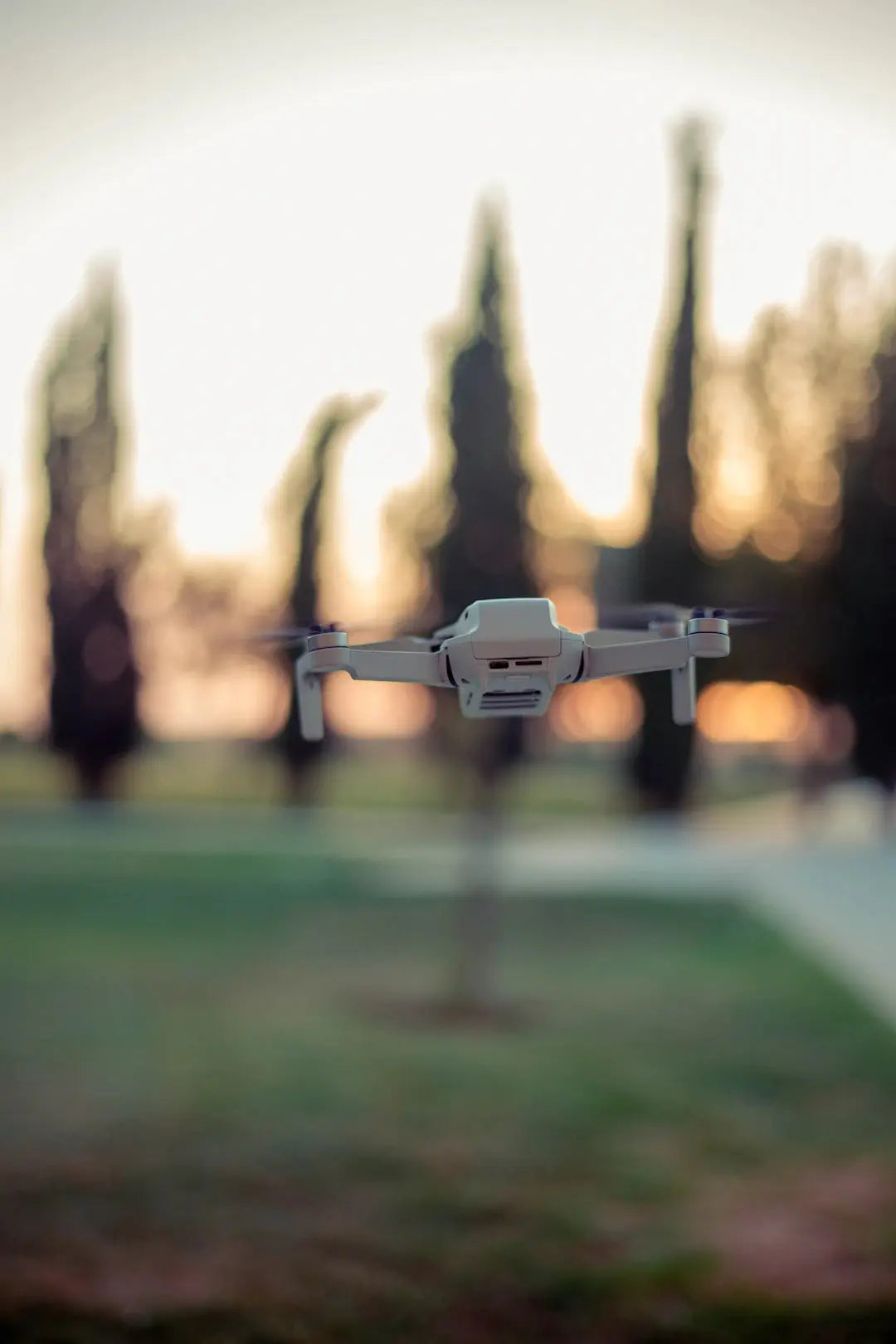
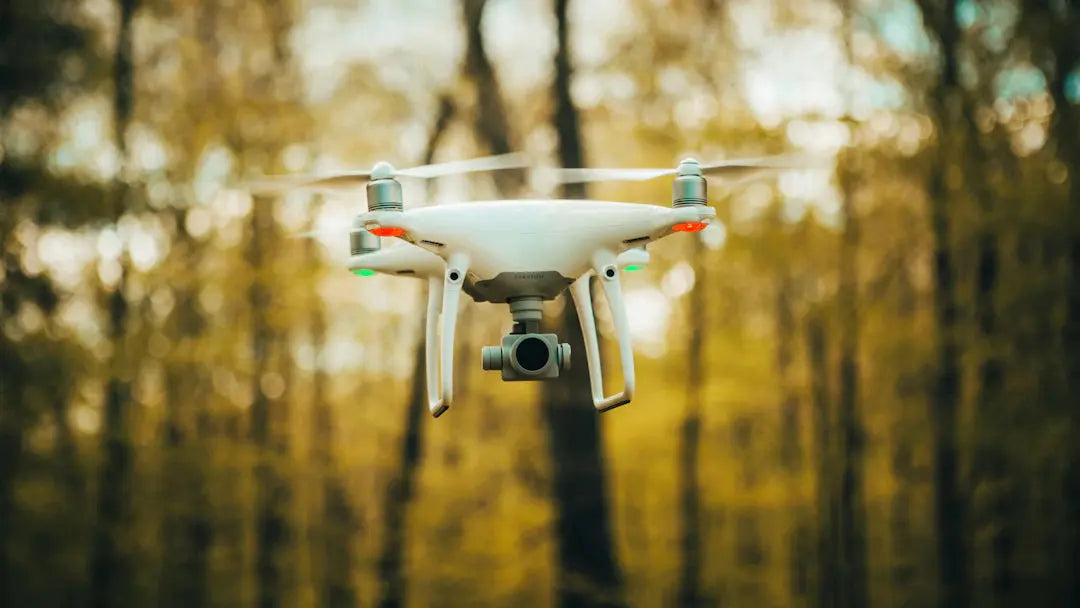
Most high-end drones come with HD cameras that can capture stunning footage. The resolution and quality of the camera are crucial for filmmakers looking to produce high-quality content. Some drones can even integrate with professional camera systems, allowing filmmakers to use their preferred equipment.
Stabilization Systems
Drone technology has improved significantly in terms of stabilization. Gimbals and advanced stabilization systems allow filmmakers to capture smooth and stable footage even during fast movements. This technology is crucial for maintaining high production value in films.
Flight Time and Performance
Factors like battery life and performance play an essential role in drone filmmaking. For instance, models that come with a robust Autel Robotics battery can provide extended flight times, enabling longer shooting sessions without interruptions, which is especially beneficial for capturing dynamic scenes.
A New Era of Filmmaking Techniques
Thanks to drones, filmmakers can explore various techniques that were previously considered challenging or impossible. Below are some prominent filmmaking techniques that have been greatly influenced by drone technology:
Aerial Cinematography
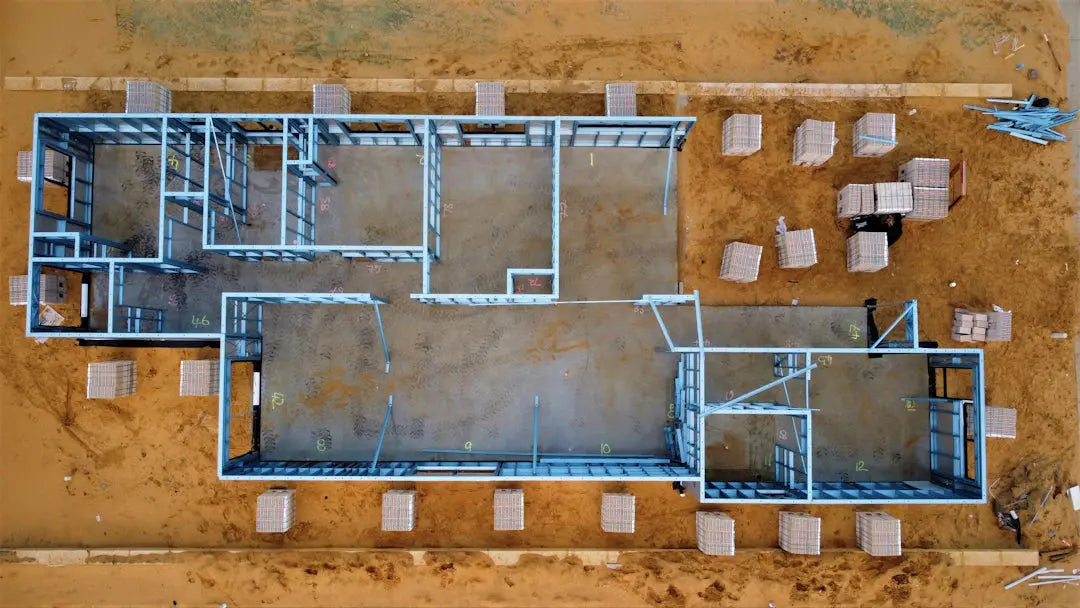
Drones enable filmmakers to capture breathtaking aerial shots that provide a unique perspective. These sweeping views not only enhance the visual appeal but also add dramatic context to various scenes.
Dynamic Tracking Shots
Drones can seamlessly follow subjects, creating dynamic tracking shots that add energy and excitement to the story. This technique is especially useful in action sequences and sports filmmaking, where movement is essential to the narrative.
Wide Angle Vantage Points
Filmmakers can create an emotional impact by framing their stories from wide angles that convey a sense of scale. Drones easily hover and pan to capture these expansive shots, inviting audiences into the larger narrative.
Understanding the Impact on Different Genres
Drones have been embraced across various film genres, each leveraging the technology in unique ways. Here’s how drones are influencing some popular genres:
| Genre | Drone Use Case |
|---|---|
| Documentary | Aerial shots of landscapes enhance storytelling and context. |
| Action | Dynamic tracking shots intensify chase scenes. |
| Romance | Wide shots capture beautiful settings for intimate moments. |
| Nature Films | Stunning vistas and wildlife can be documented like never before. |
Challenges and Considerations
While drones offer many advantages in filmmaking, they also come with their own set of challenges. Here are a few considerations filmmakers should keep in mind:
Regulatory Compliance
Drones are subject to several regulations that vary by country and region. Filmmakers must ensure compliance with local laws and obtain the necessary permits before shooting.
Safety Concerns
Safety is paramount when operating drones, especially in crowded areas or near people. Filmmakers must be trained and knowledgeable about safe drone operation to minimize risks during filming.
Battery Management
Understanding battery life and efficient management is crucial to maintain uninterrupted shooting. Utilizing high-quality batteries like the Autel Robotics battery can significantly enhance reliability during shoots.
Future Trends in Drone Filmmaking
As technology continues to evolve, the potential for drones in filmmaking is boundless. Here are a few future trends to keep an eye on:
AI Integration
Artificial Intelligence (AI) is likely to play a significant role in making drone filming smarter. With AI, drones will be able to assess environments and make real-time decisions, potentially enhancing capturing accuracy and footage quality.
Live Streaming Capabilities
Live streaming from drones is gaining popularity for several applications, including events and breaking news. This technology provides an immediate way to share views and footage with audiences worldwide.
Extreme Conditions Adaptability
We will see advancements that enable drones to operate in extreme environments, further expanding their application in filmmaking. These developments could allow capturing scenes in harsh weather, underwater, or in challenging terrains.
Maximizing Your Drone Filmmaking Experience
To get the most out of your drone filmmaking experience, consider the following tips:
- Plan Your Shots: Pre-plan your shots to ensure you maximize both time and battery life.
- Choose the Right Drone: Invest in the best drones for fishing and other activities to expand the creative opportunity of your shoots.
- Practice Safety: Always prioritize safety measures to protect both your crew and your equipment.
- Understand Lighting: Lighting can significantly affect your shots. Learn to capture footage during the golden hour for the best results.
- Experiment: Don’t be afraid to try new angles and techniques; experimentation can lead to stunning results.
Embrace the Evolution of Filmmaking
Drones are reshaping the filmmaking landscape, empowering creators to elevate their storytelling from mere concept to visual powerhouses. As technology evolves, it opens even more doors for potential and creativity in cinema. Whether you are just starting as a filmmaker or a seasoned professional, embracing this technology can take your craft to new heights. So gear up, charge that Autel Robotics battery, and let your imagination take flight!
Key Takeaways
- Drones enhance filmmaking: They provide innovative ways to capture aerial shots and landscapes previously only achievable through expensive methods.
- Cost-effective solution: Drones offer a budget-friendly alternative to traditional aerial filming, significantly reducing production costs.
- Advanced technology: Modern drones come equipped with high-definition cameras and stabilization systems, ensuring high-quality, smooth footage.
- Versatile shooting techniques: Drones enable dynamic tracking shots and wide-angle perspectives, enhancing storytelling across various film genres.
- Regulatory compliance is crucial: Filmmakers must adhere to local laws and obtain necessary permits when operating drones.
- Future trends: Anticipate advancements in AI integration, live streaming capabilities, and adaptability to extreme conditions in drone filmmaking.
- Maximize your experience: Plan shots, prioritize safety, and experiment with angles and lighting to elevate your drone filmmaking.
Pros and Cons
| Advantages of Drones in Filmmaking | Drawbacks of Drones in Filmmaking |
|---|---|
| Cost-efficient alternative to traditional aerial filming methods. | Subject to regulatory compliance and local laws. |
| Provides access to hard-to-reach areas for enhanced storytelling. | Safety concerns when operating near people or in crowded areas. |
| Highly versatile for various types of shots and techniques. | Battery management is crucial to avoid interruptions during shoots. |
| Improved stabilization technology for smooth footage. | Potential for technical malfunctions or equipment failure. |
| Enables innovative filmmaking techniques like dynamic tracking shots. | Requires training and knowledge for safe operation. |
Linked Product

Autel Robotics Battery for Lite Series Orange
The Autel Robotics Battery for Lite Series in orange is designed for EVO Lite Drones, providing up to 40 minutes of flight time when fully charged. This battery is ideal for filmmakers looking to extend their flight duration, whether replacing a damaged unit or expanding their equipment inventory.
View ProductWho It's For (And Not For)
Who It's For
- Amateur Filmmakers: If you're just starting out and looking to enhance your storytelling with stunning aerial shots, drones provide an accessible and cost-effective solution.
- Independent Creators: For those working on a budget, drones offer a way to achieve high-quality footage without the need for expensive equipment like helicopters or cranes.
- Action and Adventure Filmmakers: If your projects involve dynamic tracking shots or require capturing expansive landscapes, drones can elevate your visual storytelling.
- Documentary Filmmakers: Drones can help you capture breathtaking aerial views that add depth and context to your narratives.
Who It's Not For
- Filmmakers Unwilling to Learn: If you're not interested in understanding the regulations, safety protocols, and technical aspects of drone operation, this technology may not be suitable for you.
- Those Focused on Traditional Techniques: If you prefer sticking to conventional filmmaking methods and are not open to experimenting with new technologies, drones might not align with your approach.
- Filmmakers with Limited Resources: If you lack the time or budget to invest in training and maintaining drone equipment, it may be better to explore other filmmaking options.
- High-Pressure Environments: If your filming situations are often crowded or involve significant safety risks, operating a drone may pose challenges that outweigh its benefits.
Frequently Asked Questions
1. How have drones changed the filmmaking industry?
2. What are the key advantages of using drones in filmmaking?
3. What important technology features do modern drones have?
4. What are some filmmaking techniques that have been influenced by drones?
5. What challenges should filmmakers consider when using drones?
Glossary
| Term | Meaning |
|---|---|
| Drones | Unmanned aerial vehicles used for capturing aerial footage. |
| Aerial Cinematography | Filming from the air to provide unique perspectives. |
| Stabilization Systems | Technology that ensures smooth footage during flight. |
| Dynamic Tracking Shots | Shots that follow moving subjects for added excitement. |
| Battery Management | Strategies for optimizing drone battery life during shoots. |
| Regulatory Compliance | Adhering to laws and regulations governing drone use. |
| AI Integration | Using artificial intelligence to enhance drone filming capabilities. |
| Live Streaming | Broadcasting footage in real-time from a drone. |
| Golden Hour | Optimal time for shooting due to favorable lighting conditions. |
| Versatility | Ability of drones to capture a wide range of shots. |