The Future of Learning: Drones in Education
Overview
Drones are transforming education by enhancing student engagement, providing hands-on learning experiences, and preparing them for future careers. They can be integrated into various subjects such as science, math, technology, and engineering, offering real-world applications and skill development. While there are challenges like regulatory compliance and budget constraints, schools can successfully implement drone technology through research, curriculum development, and workshops, ultimately inspiring the next generation of innovators.
Table of Contents
- Why Drones? The Benefits of Using Drones in Education
- Drones in the Curriculum: Subjects Benefiting from Drone Technology
- Hands-On Learning: Practical Applications of Drones in Schools
- Drone Demonstrations and Workshops
- STEM Projects
- Field Trips with a Twist
- Career Preparation
- Challenges of Using Drones in Education
- Getting Started: Steps to Implement Drones in the Classroom
- Inspiring the Next Generation
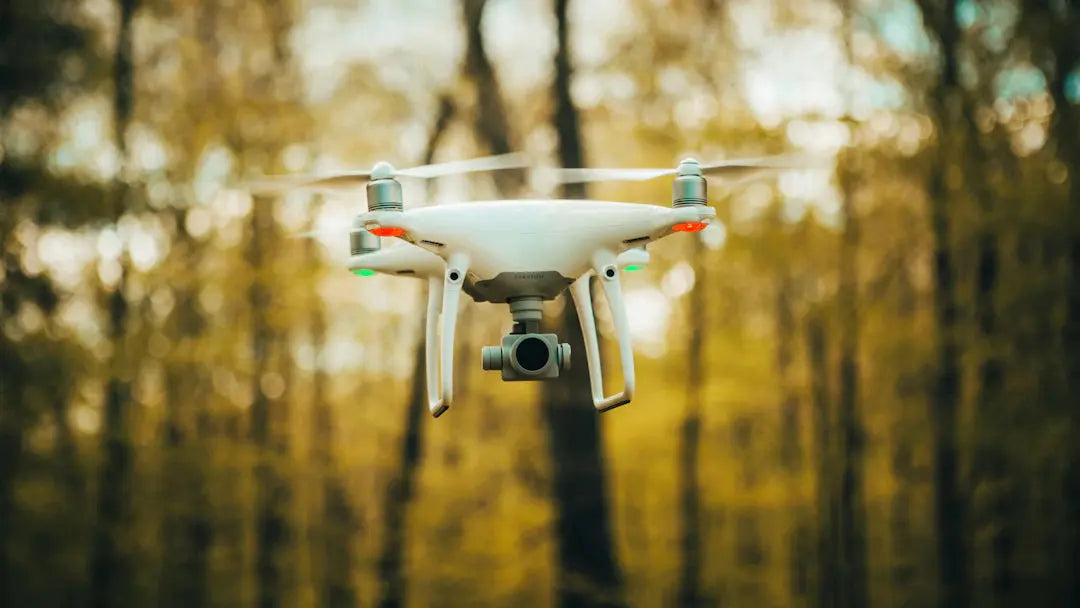
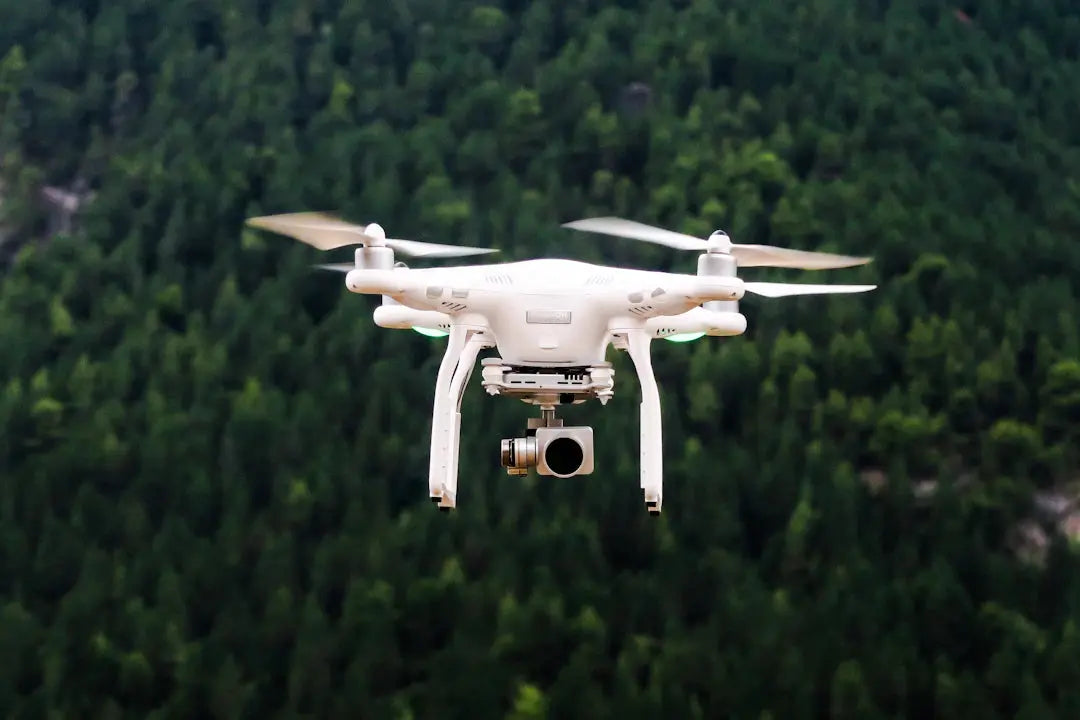
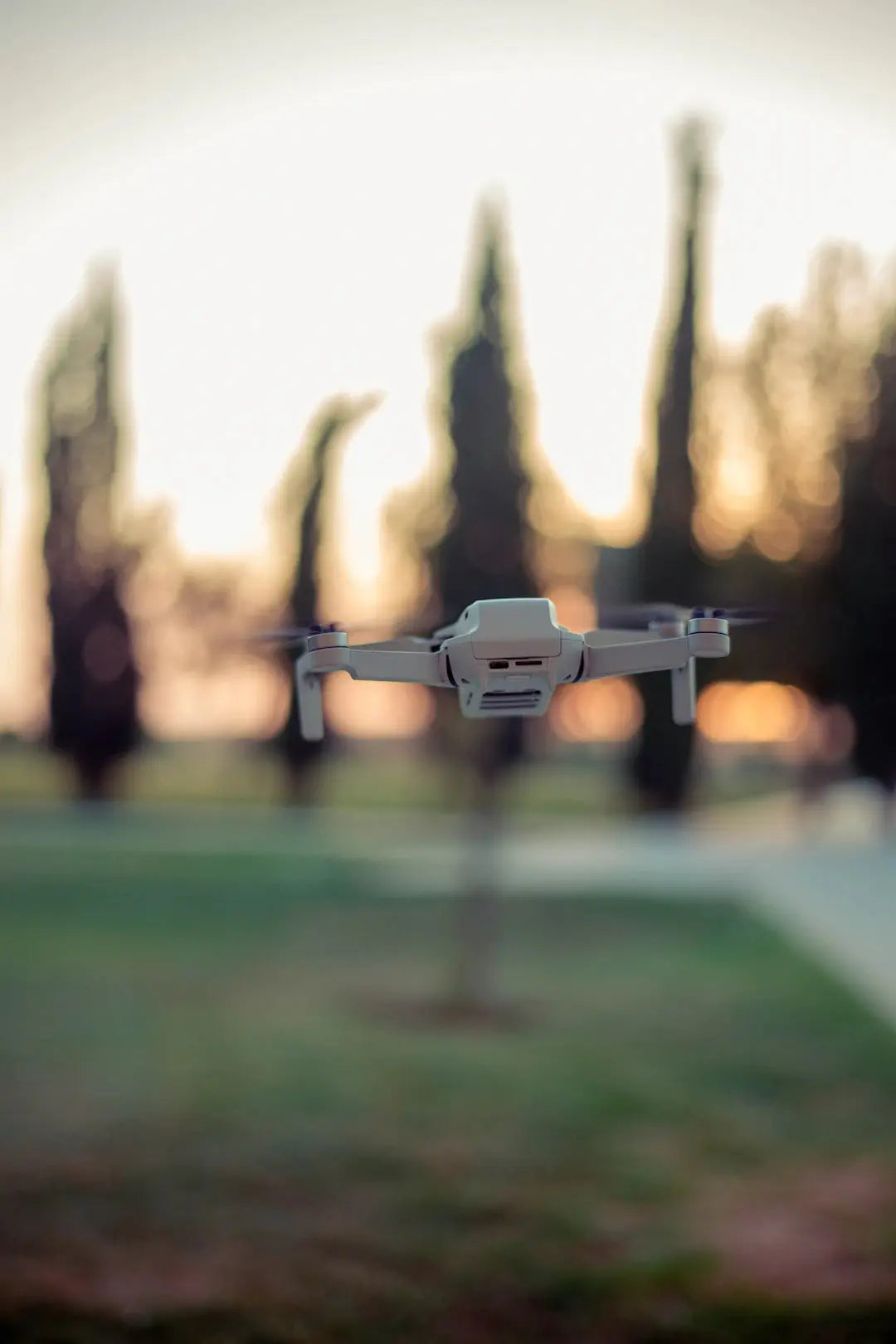
In recent years, the integration of technology in educational settings has revolutionized the way students learn and interact with their surroundings. Among the most exciting innovations has been the use of drones in schools. These aerial devices provide a variety of educational uses that engage students, enhance their learning experiences, and prepare them for future careers in technology, engineering, and other fields. This article explores the educational uses of drones in schools, their benefits, and how they can be effectively implemented in classrooms.
Why Drones? The Benefits of Using Drones in Education
Drones offer unique benefits that can enrich the educational experience. They can be used across various subjects, providing hands-on learning opportunities that traditional teaching methods may lack. Here are some of the key benefits:
- Enhanced Engagement: Drones capture students' interest and encourage them to participate actively in lessons.
- Real-World Applications: Students learn by applying theoretical knowledge in practical scenarios, such as scientific experiments and engineering projects.
- Skill Development: Flying drones requires coordination and technical skills, promoting STEM education.
- Collaboration: Classroom drone projects foster teamwork and communication among students.
- Future Preparedness: Familiarity with drones positions students to enter burgeoning fields that increasingly utilize this technology.
Drones in the Curriculum: Subjects Benefiting from Drone Technology
Drones can be effectively incorporated into a range of subjects, enhancing the learning experience in exciting ways. Here's a breakdown of how drones can be utilized across various academic disciplines:
| Subject | Application | Benefits |
|---|---|---|
| Science | Conducting geological surveys and environmental monitoring | Hands-on experiments and data collection in real-time |
| Mathematics | Flight path calculations and distance measurements | Real-world applications of geometry and algebra |
| Technology | Programming drones for various tasks | Encourages coding skills and logical thinking |
| Engineering | Designing and building drone prototypes | Promotes innovation and critical problem-solving abilities |
| Geography | Mapping and surveying lands | Enhances spatial understanding and land use analysis |
Hands-On Learning: Practical Applications of Drones in Schools
The most impactful aspect of using drones in education is the hands-on learning experience they facilitate. Below are a few practical applications that schools can implement:
Drone Demonstrations and Workshops
Hosting workshops where students can fly drones and learn about their mechanics is a fantastic introduction to drone technology. Classes can be organized to teach students how to operate drones safely and effectively, making use of models like the *Inspired Flight IF800*, known for its reliability and advanced features.
STEM Projects
Encouraging students to create and conduct their own STEM projects using drones can stimulate creativity and innovation. For instance, students can design experiments to test the impact of weather on drone stability or programming drones to complete specific tasks, such as dropping materials at designated locations.
Field Trips with a Twist
Drones can be used during field trips to provide students with a bird's-eye view of their surroundings. For example, students can photograph environmental changes with drones, providing insight into ecological impacts directly from the air.
Career Preparation
Incorporating drones into the curriculum also familiarizes students with potential career paths. Courses focused on drone technology can serve as a stepping stone to careers in cinematography, agriculture, and even roof inspection, where drones are increasingly used for safety and efficiency.
Challenges of Using Drones in Education
While the benefits of using drones in education are substantial, there are challenges that schools must address to ensure successful implementation. The following are some common challenges:
- Regulatory Compliance: Schools must understand and comply with FAA regulations governing drone use, especially in public spaces.
- Safety Concerns: Educators must prioritize safety, providing proper training and supervision while students handle drones.
- Budget Constraints: Investing in drone technology can be costly, requiring schools to look for funding opportunities, grants, or collaborations with local businesses.
- Technical Difficulties: Schools need to ensure that they have the right technical support and infrastructure to integrate drones into the learning environment smoothly.
Getting Started: Steps to Implement Drones in the Classroom
For schools interested in incorporating drones into their curriculum, the following steps can serve as a guideline:
- Research and Training: Educators should familiarize themselves with drone technology and regulations. Consider attending drone training courses.
- Develop a Curriculum: Collaborate with other educators to create lesson plans that incorporate drones across various subjects.
- Procure Drones: Invest in quality drones, such as the *Inspired Flight IF800*, which are safe and easy for students to operate.
- Conduct Workshops: Organize workshops to teach students about drone operation, safety, and basic aerodynamics.
- Monitor and Adapt: Continuously monitor students’ progress and experiences, adjusting the curriculum as necessary to enhance learning.
Inspiring the Next Generation
The educational use of drones is not just about flying gadgets; it's about inspiring students and creating opportunities for hands-on learning experiences that broaden their understanding of the world. By effectively integrating drones into classrooms, educators equip students with the skills necessary for tomorrow's technological landscape, empowering them to pursue careers in fields that use innovative tools like *drones for roof inspection*, environmental monitoring, and much more.
As drones become more accessible and their applications in education continue to grow, the potential to foster creativity, collaboration, and critical thinking becomes limitless. Let’s take to the skies and inspire the next generation of thinkers, creators, and innovators!
Key Takeaways
- Enhanced Engagement: Drones capture students' interest, promoting active participation in lessons.
- Real-World Applications: Students apply theoretical knowledge through practical scenarios, enhancing learning.
- Skill Development: Operating drones fosters coordination and technical skills, promoting STEM education.
- Collaboration: Classroom projects involving drones encourage teamwork and communication among students.
- Curriculum Integration: Drones can be utilized in subjects like science, math, technology, engineering, and geography.
- Career Preparation: Familiarity with drones opens pathways to careers in various fields such as cinematography and agriculture.
- Implementation Challenges: Schools must address regulatory compliance, safety concerns, and budget constraints when integrating drones.
Pros and Cons
| Advantages of Drones in Education | Drawbacks of Drones in Education |
|---|---|
| Enhanced engagement and interest in lessons. | Compliance with FAA regulations can be complex. |
| Real-world applications that bridge theory and practice. | Safety concerns require careful training and supervision. |
| Development of technical skills and coordination. | High initial investment and budget constraints. |
| Encourages collaboration and teamwork among students. | Technical difficulties may hinder smooth integration. |
| Prepares students for future careers in emerging fields. | Need for ongoing monitoring and curriculum adaptation. |
Linked Product

Inspired Flight IF800 Quadcopter with GS-ONE Ground Control Station
The Inspired Flight IF800 Quadcopter paired with the GS-ONE Ground Control Station offers a robust solution for educational institutions looking to incorporate drone technology into their curriculum. With an impressive flight time of up to 54 minutes and a payload capacity of 6.6 lbs, it is suitable for various applications, including aerial photography and data collection. The system's NDAA compliance ensures reliability and security, making it a valuable tool for teaching students about advanced technology and operational protocols in a controlled environment.
View ProductWho It's For (And Not For)
Who It's For
- Educators seeking innovative teaching methods: If you are a teacher looking to engage students in a hands-on way, incorporating drones can enhance your lessons significantly.
- Schools focused on STEM education: Institutions aiming to promote science, technology, engineering, and mathematics can benefit from the practical applications of drones.
- Students interested in technology and engineering: Learners who are curious about technology and want to explore career paths in related fields will find drones to be an exciting tool.
- Schools willing to invest in resources: If your school has the budget and support to invest in drone technology, you can create engaging learning experiences.
Who It's Not For
- Schools with strict budget constraints: If your institution cannot allocate funds for drone technology or related training, it may not be feasible to implement this program.
- Educators uncomfortable with technology: Teachers who are not tech-savvy or reluctant to learn new tools may find it challenging to integrate drones into their curriculum.
- Schools with limited space: If your school lacks adequate outdoor space for drone flying or demonstrations, using drones may not be practical.
- Institutions not focused on hands-on learning: If your educational philosophy does not prioritize experiential learning or practical applications, the use of drones may not align with your goals.
Frequently Asked Questions
1. What are the benefits of using drones in education?
2. How can drones be integrated into different subjects?
3. What are some practical applications of drones in schools?
4. What challenges do schools face when implementing drones?
5. What steps should schools take to start using drones in the classroom?
Glossary
| Term | Meaning |
|---|---|
| Drones | Aerial devices used for various educational purposes. |
| STEM | Education focused on Science, Technology, Engineering, and Mathematics. |
| Regulatory Compliance | Adhering to laws governing drone usage, particularly by the FAA. |
| Hands-On Learning | Learning through direct experience and practical activities. |
| Collaboration | Working together in teams to achieve educational goals. |
| Field Trips | Educational excursions that enhance learning outside the classroom. |
| Technical Support | Assistance with technology integration in educational settings. |
| Curriculum Development | Creating lesson plans that incorporate new teaching tools like drones. |
| Workshops | Structured sessions to teach skills, such as drone operation. |
| Career Preparation | Equipping students with skills for future job opportunities. |