Drone Photography: Tips for Stunning Aerial Shots
Overview
Drone photography is a powerful way to capture stunning aerial images. Key tips include understanding your drone's capabilities, mastering flight techniques, choosing optimal times to shoot (like golden hour), optimizing composition using rules like the rule of thirds, and enhancing photos in post-processing. Engaging with online communities can also provide inspiration and feedback to improve your skills.
Table of Contents
- Understanding Your Drone's Capabilities
- Exploring the Features of the Autel EVO II Pro 6K
- Mastering Drone Flight Techniques
- Choosing the Best Time for Aerial Photography
- Golden Hour Photography
- Avoiding Harsh Midday Sun
- Optimizing Composition for Stunning Results
- Rule of Thirds
- Leading Lines
- Consider Unique Perspectives
- Post-Processing Your Aerial Images
- Adjusting Lighting and Color
- Creative Cropping
- Understanding the Importance of Drone Inspection Systems
- Community and Sharing Your Work
- Join Online Communities
- Participate in Contests
- Your Journey Towards Mastering Aerial Photography
In today’s fast-paced digital world, drone photography has emerged as a remarkable way to capture stunning aerial shots. With advancements in technology, including models like the Autel EVO II Pro 6K, capturing breathtaking images from the sky has never been easier. Whether you're a beginner or an experienced pilot, understanding some essential tips can elevate your drone photography to new heights. In this post, we'll share valuable insights and practical tips to help you take incredible aerial photos.
Understanding Your Drone's Capabilities
Before diving into the world of drone photography, it's important to understand the capabilities of your specific drone model. Each drone offers different features, sensors, and camera settings that can greatly affect your photos.
Exploring the Features of the Autel EVO II Pro 6K
The Autel EVO II Pro 6K is one of the most advanced drones available, featuring a large 1-inch sensor that captures high-resolution images and videos in stunning detail. Here are some specifications that make this drone a standout choice:
| Feature | Description |
|---|---|
| Camera Resolution | 6K video, 20 MP stills |
| Flight Time | Up to 40 minutes |
| Obstacle Avoidance | 360-degree sensing |
| Transmission Range | Up to 9 km |
Knowing your drone’s specifications will help you utilize it better for aerial photography. Always take time to familiarize yourself with the camera settings, flight modes, and battery life to avoid mishaps during your shoot.
Mastering Drone Flight Techniques
Flying a drone isn’t just about maneuvering it through the air; it’s about mastering techniques that can significantly impact your photography results. Here are some tips to enhance your flying skills:
- Practice Basic Maneuvers: Before attempting complex shots, spend time mastering basic movements such as hovering, turning, and ascending.
- Use the Right Flight Modes: Many drones come equipped with flight modes that can aid your photography. Utilize modes like ‘Tripod Mode’ for stable shots.
- Altitude Awareness: Be mindful of your altitude. Higher altitudes can offer different perspectives, but you’ll lose details in the foreground.
Choosing the Best Time for Aerial Photography
The timing of your shoot can greatly influence the mood and quality of your photos. Here are some suggestions for choosing the best time to fly:
Golden Hour Photography
The golden hour, which occurs shortly after sunrise and before sunset, is a prime time for photography. The soft, diffused light during this time creates stunning contrasts and vivid colors, making it an ideal window for aerial shots. Here are a few tips to make the most of this time:
- Arrive early to configure your drone.
- Scout your location beforehand to identify the best spots for capturing the light.
- Experiment with different angles to see how the light enhances your composition.
Avoiding Harsh Midday Sun
While flying at noon can give you more time for shots, the harsh sunlight can result in images with overexposed highlights and underexposed shadows. If you must fly during this time, consider these techniques:
- Utilize ND filters to reduce light entering the camera.
- Look for compositions that minimize direct sunlight on your subject.
Optimizing Composition for Stunning Results
Composition is the backbone of any photograph and is just as crucial in drone photography. Here’s how to optimize your aerial shots:
Rule of Thirds
The rule of thirds suggests dividing your frame into a 3x3 grid. Placing your subject along these lines or intersections can create a more engaging image. Here’s how to use it effectively:
- Enable grid lines on your drone's camera settings.
- Frame your subjects and lines based on the grid for improved balance.
Leading Lines
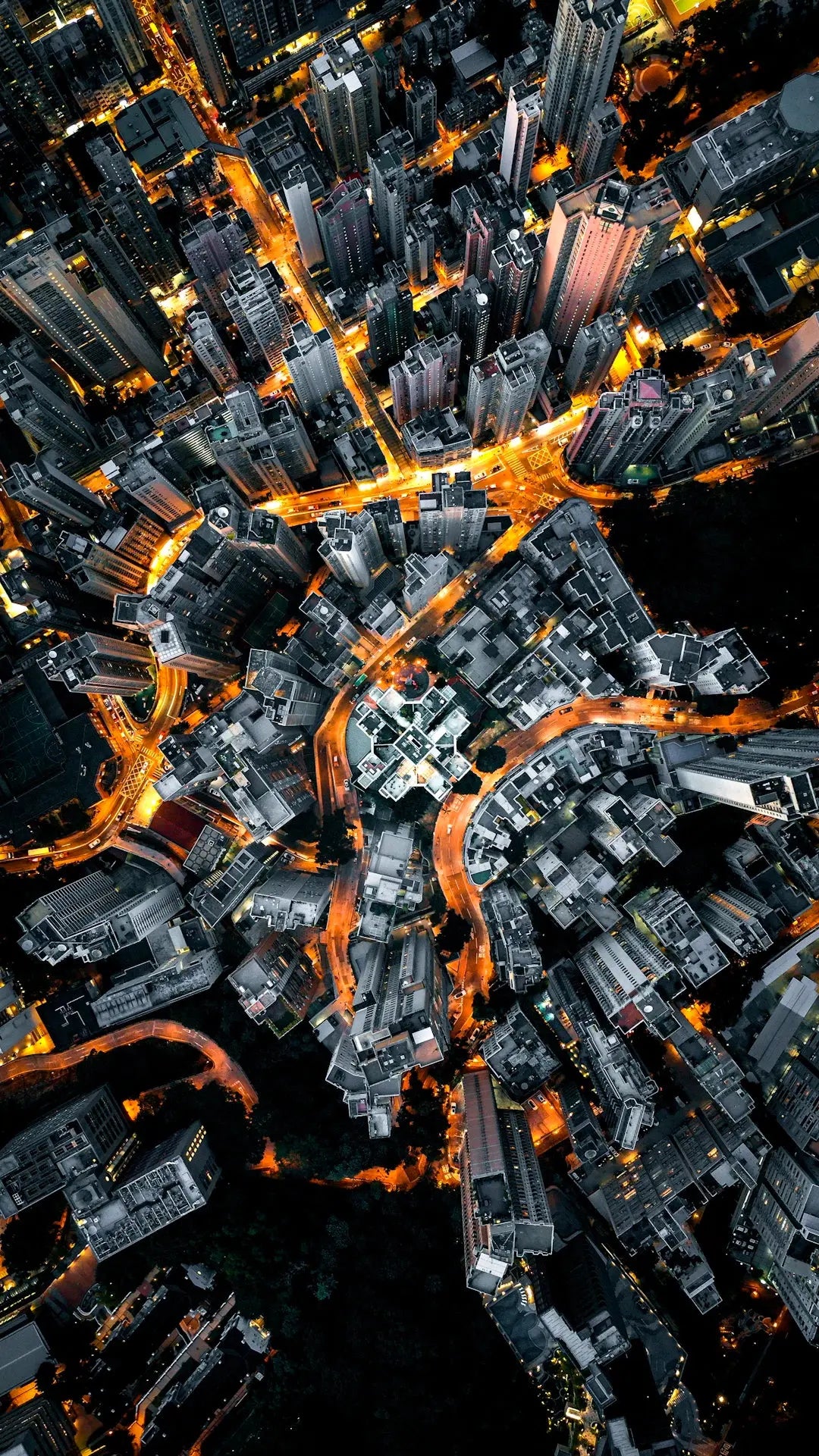
Incorporating leading lines into your shots can guide viewers’ eyes throughout the image. Look for roads, rivers, or pathways from your aerial perspective that can create a natural flow in the photo.
Consider Unique Perspectives
Think outside the box! Drone photography allows you to capture scenes from heights that were previously inaccessible. Keep these tips in mind:
- Experiment with various altitudes; sometimes, going lower can yield interesting details.
- Use creative angles that add depth and interest.
Post-Processing Your Aerial Images
Once you've captured the perfect aerial shots, post-processing is key to bringing out their full potential. Here are some essential tips for editing your drone photography:
Adjusting Lighting and Color
Adjust the lighting and colors to enhance your images. Here are a few aspects to focus on:
- Exposure: Correct any overexposed or underexposed areas.
- Contrast: Enhance contrast to add depth to your images.
- Saturation: Increase saturation mildly to ensure colors pop without appearing unnatural.
Creative Cropping
Consider cropping your images to fit a better composition or framing. Don't hesitate to experiment more in this stage to see how different crop ratios affect the overall aesthetics.
Understanding the Importance of Drone Inspection Systems
In commercial scenarios, understanding how to incorporate a drone inspection system can be invaluable. Whether you’re capturing images for construction, real estate, or environmental surveys, drone inspections help provide precise data and stunning visuals that can significantly enhance your presentations. Here’s why they are important:
- Efficiency: Drones can cover large areas quickly, providing vast amounts of data in a short time.
- Safety: Drones reduce the need for human inspection in hazardous areas.
- Detail: High-resolution cameras offer unparalleled detail, making inspections more effective.
Community and Sharing Your Work
The excitement of capturing a stunning aerial shot can be greatly enhanced by sharing your work with a community of fellow drone enthusiasts. Engaging with others who share your passion can also lead to valuable feedback, collaboration, and inspiration for future projects.
Join Online Communities
Platforms such as forums, social media groups, and dedicated photography websites offer opportunities to connect, share your work, and gain advice from experienced drone pilots and photographers. Consider joining these platforms:
- Facebook Groups focused on drone photography
- Reddit communities such as r/drones
- Photography forums with a section for drone enthusiasts
Participate in Contests
Many online photography sites and magazines host competitions that celebrate aerial photography. Participating not only promotes your work but can also provide a platform to showcase your unique perspective.
Your Journey Towards Mastering Aerial Photography
Embarking on the journey of mastering drone photography can be exhilarating and rewarding. By utilizing the tips and techniques discussed in this post, you're sure to capture awe-inspiring images that leave a lasting impression. Whether you’re using the powerful Autel EVO II Pro 6K or exploring other models, honing your skills, understanding your equipment, and engaging with a community will set you up for success. So splash your creativity across the skies, and let your drone take you to places where your imagination can soar!
Key Takeaways
- Understand Your Drone: Familiarize yourself with your drone's features, specifications, and camera settings to optimize your aerial photography.
- Master Flight Techniques: Practice basic maneuvers and utilize specific flight modes, like 'Tripod Mode', for better stability and control.
- Timing is Key: Shoot during the golden hour for the best lighting conditions and avoid harsh midday sun to prevent overexposed images.
- Optimize Composition: Use the rule of thirds and incorporate leading lines to create more engaging aerial shots.
- Post-Processing Matters: Enhance your images by adjusting lighting, color, and experimenting with cropping to improve overall aesthetics.
- Drone Inspection Systems: In commercial use, drones provide efficient, safe, and detailed inspections for various industries.
- Engage with the Community: Join online forums and participate in contests to share your work and gain valuable feedback from fellow enthusiasts.
Pros and Cons
| Advantages of Drone Photography | Drawbacks of Drone Photography |
|---|---|
| Captures stunning aerial shots that provide unique perspectives. | Requires understanding of drone capabilities and settings. |
| Advanced models like Autel EVO II Pro 6K offer high-resolution images. | Can be challenging to master flight techniques for optimal results. |
| Golden hour photography enhances image quality with soft light. | Harsh midday sun can lead to overexposed images. |
| Engaging with a community can provide feedback and inspiration. | Post-processing can be time-consuming and requires skill. |
| Drones can cover large areas quickly for inspections and surveys. | Legal regulations and restrictions may limit flying locations. |
Linked Product

Autel Robotics EVO II Pro 6K Rugged Bundle V3
The Autel Robotics EVO II Pro 6K Rugged Bundle V3 is designed for exceptional aerial photography, featuring a powerful Moonlight Algorithm 2.0 for improved low-light performance. With a maximum flight speed of 45 mph and up to 40 minutes of flight time, it enables users to capture stunning images from various angles. The 360-degree obstacle avoidance system enhances safety during flight, making it suitable for both amateur and professional photographers.
View ProductWho It's For (And Not For)
Who It's For
- Photography Enthusiasts: If you love photography and want to explore new perspectives, drone photography offers a unique way to capture stunning images.
- Tech-Savvy Individuals: Those who enjoy technology and are comfortable learning about new gadgets will find drone photography exciting and rewarding.
- Outdoor Adventurers: If you frequently explore nature or travel, using a drone can enhance your experience by capturing breathtaking aerial views.
- Creative Individuals: If you enjoy experimenting with composition and angles, drone photography allows for creative expression in ways traditional photography may not.
Who It's Not For
- Complete Beginners: If you have no experience with photography or flying drones, you may find the learning curve steep without prior knowledge.
- Individuals Uninterested in Technology: If you prefer simpler forms of photography and are not keen on learning about drone features and settings, this may not be the right fit for you.
- Those with Limited Time: If you have a busy schedule and cannot dedicate time to practice flying and mastering techniques, you might find it challenging to enjoy drone photography.
- People in Urban Areas with Restrictions: If you live in areas with strict drone regulations or limited flying zones, it may hinder your ability to practice and capture images.
Frequently Asked Questions
1. What is drone photography?
2. What are the key features of the Autel EVO II Pro 6K?
3. When is the best time to shoot aerial photography?
4. How can I improve my drone flight techniques?
5. Why is post-processing important in drone photography?
Glossary
| Term | Meaning |
|---|---|
| Drone Photography | Capturing images or videos from an aerial perspective using drones. |
| Autel EVO II Pro 6K | A high-end drone known for its 6K video and 20 MP still photography capabilities. |
| Golden Hour | The period shortly after sunrise and before sunset, ideal for photography due to soft lighting. |
| ND Filters | Neutral density filters used to reduce light entering the camera, helping to manage exposure. |
| Rule of Thirds | A composition guideline that divides an image into thirds to create balanced photos. |
| Leading Lines | Elements in a photo that guide the viewer's eye through the image. |
| Post-Processing | Editing images after capture to enhance their quality and visual appeal. |
| Drone Inspection | Using drones to assess and gather data in various fields like construction and environmental surveys. |
| Flight Modes | Pre-set settings on drones that assist in achieving specific flying styles or stability. |
| Altitude Awareness | Understanding the impact of flying height on photo quality and detail. |