Innovative Drone Applications Revolutionizing Construction
Overview
Drones are transforming the construction industry by enhancing efficiency, safety, and project management. They enable quick site surveys, real-time progress monitoring, and cost savings while reducing the need for hazardous inspections. As technology advances, drones will integrate more automation and AI, further revolutionizing construction practices. Compliance with evolving regulations is essential for effective usage.
Table of Contents
- The Rise of Drones in Construction
- Benefits of Using Drones in Construction
- Drone Applications Transforming the Industry
- Site Inspection and Monitoring
- Project Progress Tracking
- Mapping and Surveying
- Marketing and Showcasing Projects
- Changing Regulations and Considerations
- Key Regulations for Construction Drones
- Streamlining Project Management with Drones
- Real-time Data Utilization
- Drones vs. Traditional Methods: A Comparative Table
- The Future of Drones in Construction
- Innovative Features to Look For
- Igniting Construction with Innovation
Drones have changed the face of various industries, most notably construction. With advancements in technology, they now offer innovative solutions to enhance efficiency, safety, and project management. In this post, we’re diving deep into how drones are revolutionizing construction practices, paving the way for a modern approach that integrates automation and real-time data collection.
The Rise of Drones in Construction
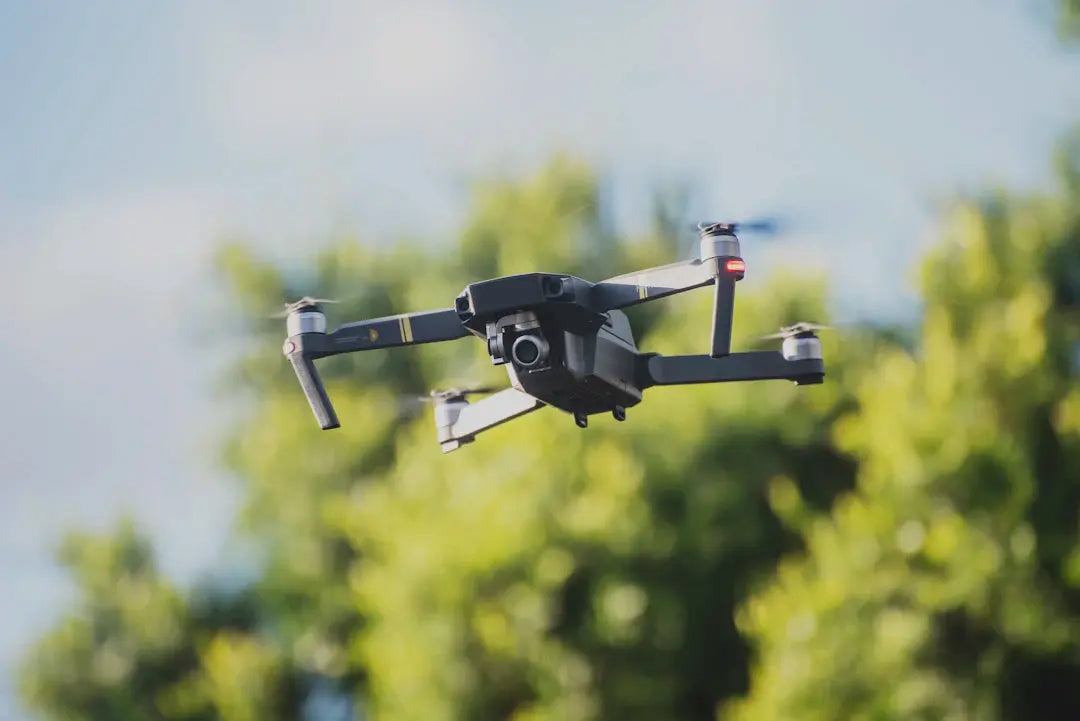
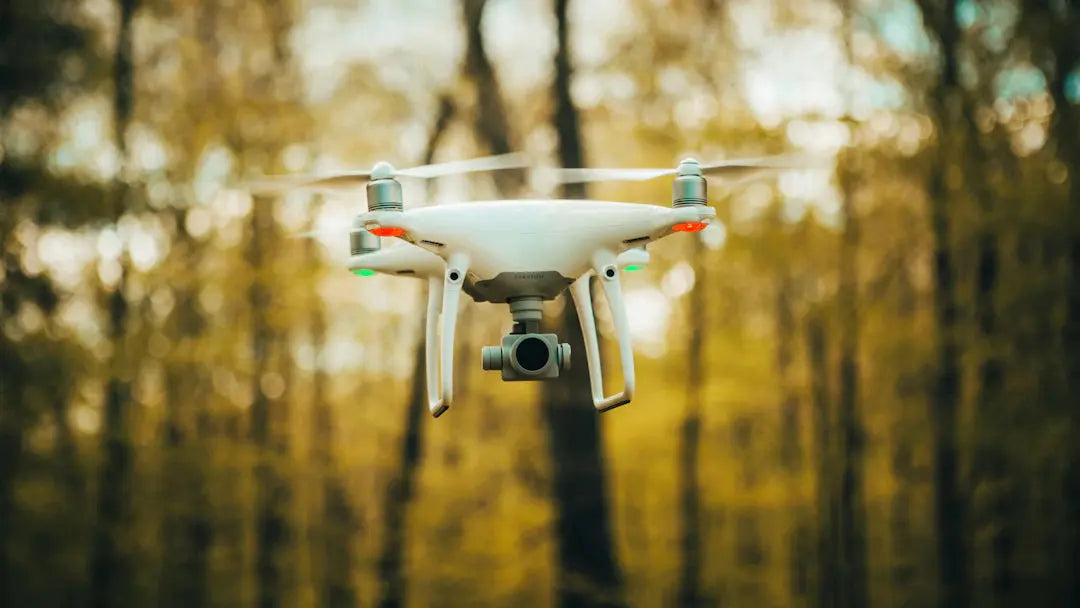
Construction firms are increasingly adopting drone technology as a vital part of their operations. The integration of these aerial vehicles facilitates various tasks, including site surveying, mapping, inspections, and progress monitoring. With drones, construction companies can save time, reduce costs, and improve overall workflow. This technology also boosts safety by minimizing the need for workers to perform risky inspections at heights.
Benefits of Using Drones in Construction
- Efficient Site Surveys: Drones can quickly gather data across expansive areas, allowing for real-time assessments and planning.
- Enhanced Safety: Drones reduce the need for workers to conduct hazardous inspections, mitigating potential accidents.
- Cost Savings: By streamlining processes and improving accuracy, drones can significantly cut project costs.
- Real-time Monitoring: Drones provide up-to-date information about project progress, allowing for immediate adjustments.
- High-resolution Imagery: Drones capture detailed images and videos, assisting in precise decision-making.
Drone Applications Transforming the Industry
Site Inspection and Monitoring
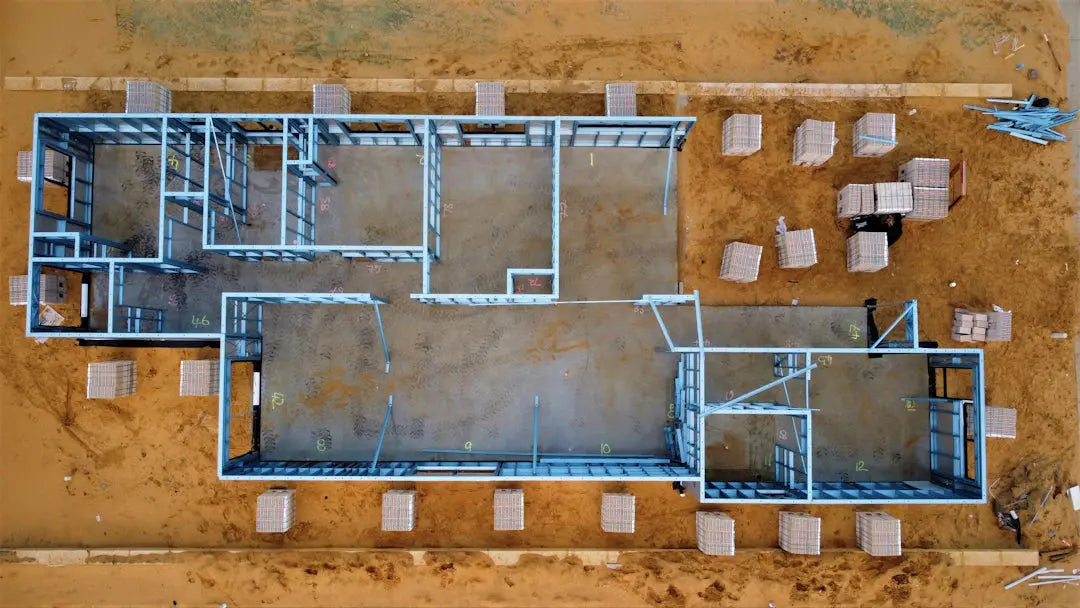
Drones equipped with high-resolution cameras can efficiently conduct site inspections. These inspections are crucial for identifying issues early on in the construction process. With 3D mapping capabilities, firms can create comprehensive visualizations of sites, making it easier for project managers to visualize progress and spot potential problems.
Project Progress Tracking
Real-time monitoring of ongoing projects is made simple with drones. They allow managers to compare planned versus actual progress through visually compelling data. This capability fosters proactive management, enabling teams to make informed decisions quickly and maintain project timelines.
Mapping and Surveying
Drones can perform aerial surveys that traditionally take days to complete, all in a matter of hours. Utilizing advanced photogrammetry software, drones create accurate 3D models of the terrain, which can be used for landscape design, earthwork calculations, and environmental impact assessments.
Marketing and Showcasing Projects
Construction companies are also using drones for marketing purposes. By providing stunning aerial footage of completed projects, they can effectively showcase their work to potential clients. Using drones for promotional media grants businesses a competitive edge while demonstrating their capabilities.
Changing Regulations and Considerations
As drone applications expand within construction, understanding the regulations surrounding the use of drones becomes critical. Regulatory frameworks are evolving, particularly in areas like aerial photography or inspections, to accommodate new technologies while ensuring safety and privacy. For example, when considering underwater applications, companies must also navigate Underwater Drone Regulations in the US, which outline guidelines to follow for safety and compliance.
Key Regulations for Construction Drones
When operating drones for construction purposes, businesses must comply with several Federal Aviation Administration (FAA) regulations. Here’s a list of some key guidelines:
- Drones must be registered with the FAA.
- Operators must obtain a Remote Pilot Certificate.
- Flights must be conducted in visual line of sight.
- No flying over people unless specific exemptions apply.
- Drone operation is prohibited in restricted airspace without proper authorization.
Streamlining Project Management with Drones
Drones can integrate with project management tools, allowing teams to seamlessly share data and updates across platforms. By consolidating data from site surveys or inspections, stakeholders can make decisions based on accurate information, enhancing collaboration and communication throughout the project lifecycle.
Real-time Data Utilization
Utilizing drones enables companies to gather real-time data, which is vital for effective project management. Through data analytics and reporting, construction teams can utilize insights to make predictions, assess risk, and optimize resource allocation. This not only improves the quality of work but also directly impacts the bottom line by minimizing delays and reducing costs.
Drones vs. Traditional Methods: A Comparative Table
| Aspect | Drones | Traditional Methods |
|---|---|---|
| Speed of Data Collection | Hours | Days or Weeks |
| Cost | Lower Long-term Investment | Higher Long-term Costs |
| Safety | High; reduces risk to workers | Moderate; involves on-site inspections |
| Accuracy | High; sophisticated mapping tools | Variable; dependent on human skill |
| Environmental Impact | Minimal, efficient flying | Potentially high due to machinery |
The Future of Drones in Construction
As technology continues to evolve, the applications of drones in the construction industry are becoming increasingly sophisticated. Future advancements may include automation features that enable drones to operate without direct human control, thanks to Artificial Intelligence (AI) and machine learning. Moreover, as regulations adapt to the growing presence of drones in this sector, companies could see even broader applications across the construction landscape.
Innovative Features to Look For
Some exciting features that the future of drones may bring to construction include:
- Automated Crop Spraying Drones: Similar efficiency techniques used in agriculture may be adapted for construction materials application.
- AI-driven Analysis: Machine learning could allow drones to analyze and predict site conditions during inspections.
- Enhanced Communication Systems: Drones may integrate with IoT devices to facilitate efficient communication and task assignment.
Igniting Construction with Innovation
In conclusion, drones offer groundbreaking changes to the construction industry, elevating efficiency, peak safety, and streamlined operations. As technology continues to progress, embracing innovations from drone technology not only secures a competitive advantage but also enhances project outcomes. For those in the construction sector, staying informed and adapting to these advancements will be the key to success in an ever-evolving landscape.
Key Takeaways
- Rapid Data Collection: Drones can conduct site surveys and inspections in hours, significantly faster than traditional methods which may take days or weeks.
- Improved Safety: By minimizing the need for workers to perform dangerous inspections at heights, drones enhance overall safety on construction sites.
- Cost Efficiency: Drones streamline processes and improve accuracy, leading to substantial cost savings for construction projects.
- Real-time Project Monitoring: Drones provide up-to-date information, enabling project managers to make immediate adjustments and stay on schedule.
- High-Resolution Imaging: Drones capture detailed visuals that aid in precise decision-making and effective marketing of completed projects.
- Regulatory Compliance: Construction firms must adhere to FAA regulations, including drone registration and obtaining a Remote Pilot Certificate.
- Future Innovations: Advancements may include AI-driven analysis and automation features, further enhancing the capabilities of drones in construction.
Pros and Cons
| Advantages of Drones in Construction | Drawbacks of Drones in Construction |
|---|---|
| Efficient site surveys can be completed in hours. | Initial investment costs for drone technology can be high. |
| Enhanced safety by reducing hazardous inspections. | Operators must obtain certification and comply with regulations. |
| Real-time monitoring allows for immediate project adjustments. | Technical issues or malfunctions can disrupt operations. |
| High-resolution imagery aids in precise decision-making. | Privacy concerns may arise with aerial footage. |
| Cost savings through streamlined processes and improved accuracy. | Limited battery life can restrict operational time. |
Linked Product

DJI Agras T100 Agriculture Spraying Drone - Ready to Fly Kit
The DJI Agras T100 Agriculture Spraying Drone is designed for large-scale agricultural applications, featuring a maximum payload capacity of 100 kg and operational efficiencies that support spraying, spreading, and lifting tasks. Its advanced safety systems, including LiDAR and a Penta-Vision system, ensure precise obstacle detection and navigation, making it suitable for diverse environments. With options for customizable spraying and spreading configurations, the T100 enhances productivity and versatility in agricultural operations.
View ProductWho It's For (And Not For)
Who It's For
- Construction Companies: Firms looking to enhance efficiency and safety in their operations will greatly benefit from integrating drone technology.
- Project Managers: Those responsible for overseeing project progress can utilize real-time data from drones to make informed decisions and maintain timelines.
- Surveyors and Inspectors: Professionals who need to conduct site surveys and inspections will find drones to be an invaluable tool for accurate and efficient data collection.
- Marketing Teams: Construction companies aiming to showcase their projects through stunning aerial footage can leverage drones for effective promotional media.
Who It's Not For
- Small Businesses with Limited Budgets: Companies that cannot invest in the initial costs of drone technology and training may find it challenging to adopt this innovation.
- Firms Unfamiliar with Technology: Organizations not ready to embrace technological advancements may struggle to integrate drones into their existing workflows.
- Businesses Operating in Restricted Airspace: Companies that frequently work in areas with strict regulations may face significant operational limitations when using drones.
- Companies Not Focused on Safety Improvements: Organizations that do not prioritize enhancing worker safety may not see the value in reducing hazardous inspections through drone technology.
Frequently Asked Questions
1. How are drones used in the construction industry?
2. What benefits do drones provide for construction projects?
3. What regulations must construction companies follow when using drones?
4. How do drones compare to traditional construction methods?
5. What is the future of drones in construction?
Glossary
| Term | Meaning |
|---|---|
| Drones | Unmanned aerial vehicles used for various tasks in construction. |
| Site Surveying | Process of assessing land to gather data for construction projects. |
| Real-time Monitoring | Continuous tracking of project progress using live data. |
| High-resolution Imagery | Detailed images captured by drones for accurate analysis. |
| FAA Regulations | Federal guidelines governing drone operations in the U.S. |
| 3D Mapping | Creation of three-dimensional representations of terrain using drones. |
| Cost Savings | Reduction in expenses achieved through efficient drone operations. |
| Automation | Use of technology to perform tasks without human intervention. |
| Data Analytics | Analysis of gathered data to inform project decisions. |
| Promotional Media | Aerial footage used for marketing construction projects. |