
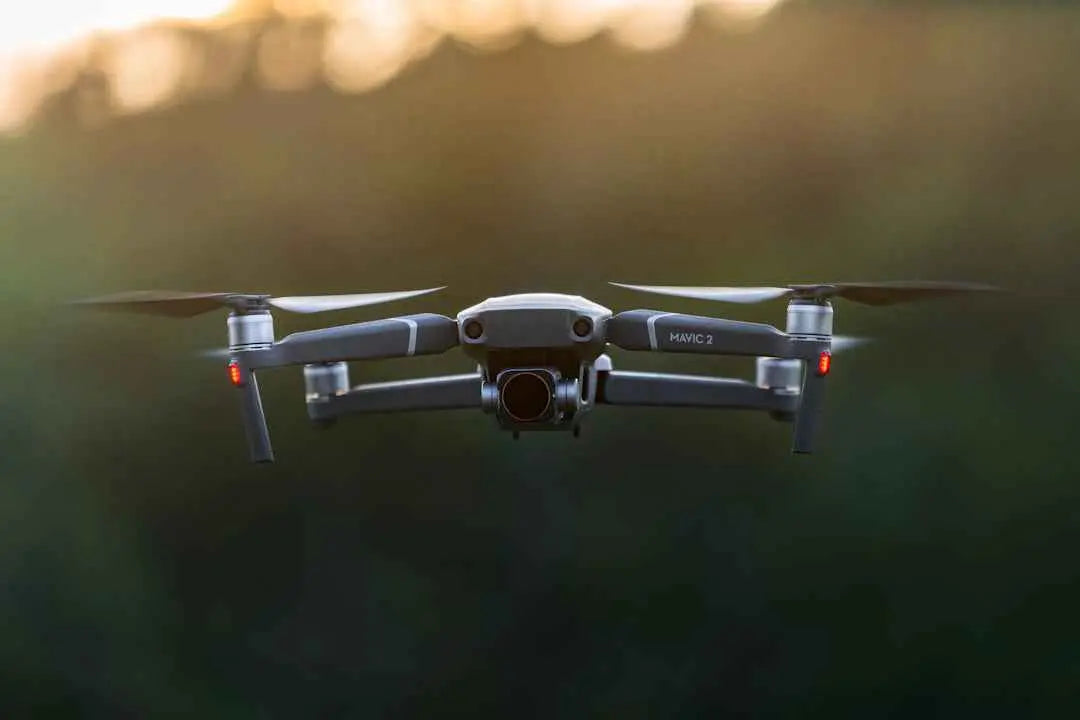
Understanding Drone Technology: A Beginner’s Guide
Overview
Drones, or Unmanned Aerial Vehicles (UAVs), have evolved from military use to essential tools in agriculture, filmmaking, and logistics. This beginner's guide covers drone types, key components, how they work, and their applications. It also highlights the benefits of drone technology, factors to consider before buying, and future trends. Understanding drone technology equips you to make informed decisions whether for recreational or professional use.
Table of Contents
- What is a Drone?
- Key Components of a Drone
- Types of Drones
- 1. Consumer Drones
- 2. Racing Drones
- 3. Commercial Drones
- 4. Professional Drones
- 5. Military Drones
- How Drones Work
- Applications of Drone Technology
- Agriculture
- Filmmaking and Photography
- Delivery Services
- Public Safety and Search & Rescue
- Geospatial Applications
- The Benefits of Drone Technology
- Things to Consider Before Buying a Drone
- Getting Started with Drone Technology
- The Future of Drones
- Final Thoughts: Embrace the Sky with Drones
Key Takeaways
- Drones are versatile tools used in various sectors including agriculture, filmmaking, logistics, and public safety.
- Key components of drones include the frame, propellers, motors, flight controller, batteries, and optional cameras.
- Types of drones range from consumer and racing drones to commercial and military models, each designed for specific applications.
- Understanding drone functionality involves knowing about control systems, sensors, autonomous software, and GPS technology.
- Drone technology offers benefits such as cost-effectiveness, access to remote areas, real-time data collection, and operational flexibility.
- Before purchasing a drone, consider your intended purpose, budget, local regulations, and desired features.
- The future of drones includes advancements like increased autonomy, enhanced battery life, and broader applications across industries.
Pros and Cons
| Advantages of Drone Technology | Drawbacks of Drone Technology |
|---|---|
| Cost-effective for aerial surveys and inspections. | Initial investment can be high for professional models. |
| Access to remote and hard-to-reach areas safely. | Regulatory compliance can be complex and time-consuming. |
| Real-time data collection enhances decision-making. | Weather conditions can impact flying capabilities. |
| Versatile applications across multiple industries. | Learning curve for new users may hinder immediate use. |
| Innovative solutions for agriculture and logistics. | Privacy concerns regarding surveillance and data collection. |
Who It's For (And Not For)
Who It's For
- Hobbyists: Individuals interested in recreational flying, photography, or videography.
- Agricultural Professionals: Farmers looking to enhance crop monitoring and soil assessment.
- Filmmakers: Creatives seeking unique aerial perspectives for their projects.
- Businesses: Companies exploring drone technology for delivery, surveying, or inspections.
- Tech Enthusiasts: Those eager to stay updated with the latest advancements in drone technology.
Who It's Not For
- Casual Users: Individuals who only want occasional use without a deeper interest in technology.
- Budget-Conscious Buyers: Those unwilling to invest in higher-end models that offer advanced features.
- Individuals Uninterested in Regulations: People who are not willing to familiarize themselves with local drone laws and guidelines.
- Non-Tech Savvy Individuals: Those who may struggle with understanding drone technology and operation.
- People Seeking Instant Results: Individuals who do not want to invest time in training or practice before flying.
Welcome to the vast and exhilarating world of drone technology! Over the last decade, drones have transitioned from military applications to becoming an essential tool in various sectors, including agriculture, filmmaking, and logistics. As the demand for recreational and commercial drones continues to rise, understanding their technology becomes vital, especially for those considering purchasing a professional drone for sale. In this beginner’s guide, we’ll deconstruct drone technology into digestible insights that will equip you with the knowledge you need to navigate this fast-paced industry.
What is a Drone?
A drone, also known as an Unmanned Aerial Vehicle (UAV), is an aircraft without a human pilot on board. Controlled remotely or autonomously through software, drones have found applications across several fields, including:
- Photography and videography
- Geospatial mapping
- Agriculture
- Delivery services
- Search and rescue operations
The versatility of drones allows them to be utilized in numerous industries, especially in the realm of geospatial applications drone, where they excel in data collection and imagery.
Key Components of a Drone
Understanding drone technology also requires a look at the key components of a drone. Most drones share similar basic parts, which include:
| Component | Description |
|---|---|
| Frame | The structural body of the drone that holds all other components together. |
| Propellers | These create lift for the drone; the number of propellers may differ by model. |
| Motors | Electric motors power the propellers and dictate the flight of the drone. |
| Flight Controller | The brain of the drone, regulating balance and flight commands. |
| Batteries | Power source for the drone, influencing its flight time and operational range. |
| Camera (optional) | Allows for aerial photography and videography; some drones come with high-resolution options. |
Types of Drones
Drones come in various types, each designed for specific tasks and functionalities. Here are the most common types of drones currently available:
1. Consumer Drones
These are typically used for recreational purposes, including hobbyist aerial photography and videography.
2. Racing Drones
A specialized type of consumer drone designed for drone racing enthusiasts, featuring high speed and agility.
3. Commercial Drones
Used across various industries for applications like delivery, surveying, and inspections.
4. Professional Drones
Similar to commercial drones but equipped with advanced features, these drones are ideal for specialized applications. If you're in the market for a professional drone for sale, these models offer enhanced capabilities and superior quality.
5. Military Drones
Utilized primarily for surveillance and reconnaissance, these drones have sophisticated technology for military operations.
How Drones Work
Understanding how drones function gives you insight into the technology behind them. The basic mechanism involves:
- Control System: The pilot uses a remote controller or smartphone app to send signals to the drone.
- Sensors: Equipped with vertical, horizontal, and altitude sensors that provide feedback about the drone's position.
- Autonomous Software: Many drones come with preprogrammed flight paths, allowing for autonomous operation.
- GPS Technology: This ensures precise location tracking, enhancing safe navigation.
Applications of Drone Technology
The applications of drone technology are vast and continue to grow as advancements are made. Here’s a breakdown of popular uses across diverse sectors:
Agriculture
Drones aid in crop monitoring, irrigation planning, and soil assessment. Farmers can analyze their fields using geospatial applications drone to maximize yield and minimize waste.
Filmmaking and Photography
Drones have revolutionized cinematography by providing unique aerial shots and perspectives that were previously challenging to achieve.
Delivery Services
Companies are exploring drone delivery to expedite shipping times for packages, especially in urban areas.
Public Safety and Search & Rescue
Drones are instrumental in locating missing persons, assessing disaster-stricken areas, and monitoring public gatherings, enhancing safety and efficiency.
Geospatial Applications
As previously noted, drones are prominent in geospatial data collection; they facilitate mapping, surveying, and environmental monitoring, proving invaluable in urban planning and natural resource management.
The Benefits of Drone Technology
Investing in drone technology offers numerous advantages, both for individuals and organizations:
- Cost-effectiveness: Drones reduce the time and labor needed for aerial surveys and inspections, which translates into cost savings.
- Access to remote areas: Drones can reach hard-to-access locations without risking human safety.
- Real-time data collection: Many drones are equipped with advanced sensors that gather data efficiently and swiftly, providing timely information.
- Flexibility: Drones can be used in various conditions and for different applications, making them versatile tools for any industry.
Things to Consider Before Buying a Drone
As you ponder purchasing a drone, consider the following factors to ensure you make an informed decision:
- Purpose: Define what you will primarily use the drone for – whether it’s for recreation, professional services, or commercial activity.
- Budget: Decide how much you are willing to spend, remembering that higher-end models will have greater capabilities.
- Regulations: Familiarize yourself with local laws and regulations surrounding drone usage to ensure compliance.
- Features: Look into specifications like camera quality, battery life, range, and ease of use.
Getting Started with Drone Technology
Once you decide to dive into the world of drone technology, here’s how to kickstart your journey:
- Research: Investigate different types of drones suitable for your needs and budget.
- Training: Consider taking a drone operation course to understand flying techniques and safety measures.
- Practice: Begin flying in open areas to hone your skills and build confidence.
- Stay Updated: The drone industry is rapidly evolving, so keep abreast of new developments, regulations, and emerging technology.
The Future of Drones
As drone technology continues to evolve, we can expect some exciting developments on the horizon:
- Increased Autonomy: Future drones may require less pilot input, using AI to navigate and avoid obstacles independently.
- Enhanced Battery Life: Innovations in battery technology will allow drones to fly longer distances and complete more complex tasks.
- More Affordable Options: As technology advances, we may see high-quality drones become more affordable and accessible to the average consumer.
- Greater Applications: With continued advancements, drones will find new roles in industries that have not yet fully embraced their potential.
Final Thoughts: Embrace the Sky with Drones
Drones represent a transformative leap in technology, offering innovative solutions across multiple sectors. Whether you’re exploring their potential in agriculture, looking for ways to enhance your photography, or intrigued by their utility in professional settings, understanding drone technology empowers you to make informed choices. With the right knowledge and tools, you can harness the capabilities of drones to elevate your projects and experiences to new heights. Get ready to embrace the sky with drones! Remember to check out our store for great insights into professional drones for sale and take your first step into this exciting realm.
Frequently Asked Questions
1. What is a drone?
2. What are the key components of a drone?
3. What are the different types of drones available?
4. How do drones work?
5. What should I consider before buying a drone?
Glossary
| Term | Meaning |
|---|---|
| Drone | An unmanned aerial vehicle (UAV) controlled remotely or autonomously. |
| Propellers | Blades that create lift for the drone during flight. |
| Flight Controller | The main computer that manages the drone's flight operations. |
| Consumer Drones | Drones designed for recreational use, such as photography. |
| Commercial Drones | Drones used for business applications, like delivery and surveying. |
| GPS Technology | Global positioning system used for accurate location tracking. |
| Autonomous Software | Programs that enable drones to fly predefined paths without manual control. |
| Geospatial Applications | Uses of drones for mapping and data collection in various fields. |
| Battery Life | The duration a drone can operate before needing a recharge. |
| Regulations | Local laws governing the operation and use of drones. |
Linked Product

DJI Matrice 4E Flagship Intelligent Multi-Sensor Compact Drone
The DJI Matrice 4E is a compact, intelligent multi-sensor drone designed specifically for geospatial applications like surveying, mapping, construction, and mining. It features advanced capabilities such as a laser range finder for precise measurements, a rapid interval shooting mode for efficient aerial surveying, and enhanced night vision for operations in low-light conditions. With its AI-driven smart detection and tracking features, the Matrice 4E supports a variety of enterprise use cases, ensuring reliable performance in diverse environments.
View Product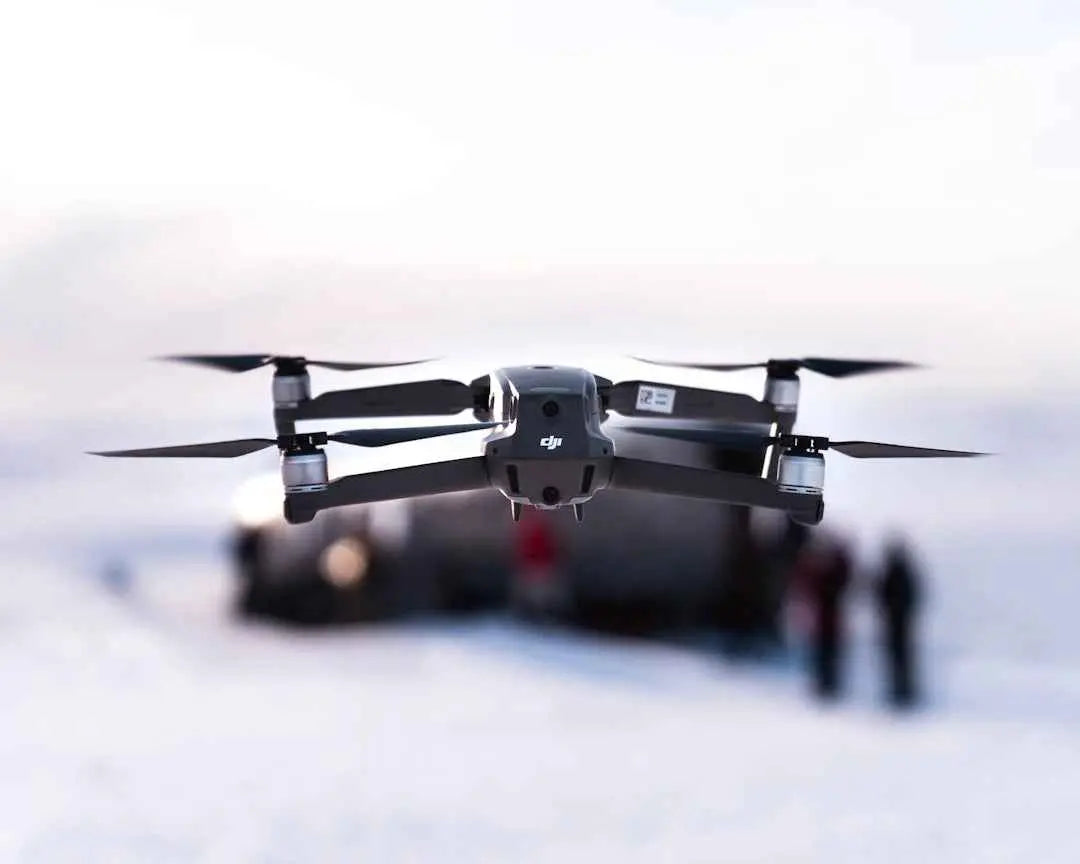
,%20have%20evolved%20from%20military%20use%20to%20essential%20tools%20in%20agriculture,%20filmmaking,%20and%20logistics.%20This%20beginner's%20guide%20covers%20drone%20types,%20key%20compo...)