The Evolution of Drones: A Historical Perspective
Overview
Drones have evolved from military tools in the early 20th century to widely used devices across various industries today. This blog explores their historical development, modern applications in fields like agriculture and filmmaking, the emergence of underwater drones, regulatory challenges, and future trends such as AI integration and drone delivery services. Embracing responsible practices is crucial for maximizing the benefits of this technology.
Table of Contents
- The Birth of Drones: Early Innovations
- World War II and the Rise of Military Drones
- The Cold War Era: Drones Gain Traction
- Commercial Use Begins
- The Modern Drone Era: Advances in Technology
- Integration into Everyday Life
- Exploring Advanced Drone Capabilities
- Key Features of Underwater Drones
- The Regulatory Landscape of Drones
- Education and Responsibility
- The Future of Drone Technology
- Emerging Trends to Watch
- Final Thoughts: Soaring to New Heights
In recent years, drones have transformed from a niche technology to a widely used tool for various industries, from agriculture to filmmaking. The evolution of drones is a fascinating journey through time, showcasing innovation, technological advancements, and a glimpse into the future. This article provides an in-depth historical perspective on the development of drones, making it an essential read for enthusiasts and professionals alike.
The Birth of Drones: Early Innovations
The concept of unmanned aerial vehicles (UAVs) dates back to the early 20th century. The first recorded use of a drone-like device occurred during World War I, when the U.S. military experimented with radio-controlled aircraft. These early inventions were primarily meant for target practice and reconnaissance, laying the foundation for what drones would become in the decades to follow.
World War II and the Rise of Military Drones
During World War II, advancements in drone technology continued as the military sought ways to enhance their aerial capabilities. The Radioplane OQ-2, developed by actor and inventor Howard Hughes, marked the first mass-produced drone. It was primarily used for training purposes, allowing pilots to practice shooting down aircraft without human casualties. This period signaled the military's potential interest in using drones for strategic advantages.
The Cold War Era: Drones Gain Traction
As the Cold War unfolded, so did the role of drones in military operations. The development of more sophisticated UAVs became vital for reconnaissance and intelligence gathering. Notable innovations included the Ryan Firebee, which provided long-range surveillance capabilities. These models could fly significant distances and gather crucial information without putting pilots in harm's way.
Commercial Use Begins
While drones served military purposes, the concept of commercial applications began to take shape in the late 20th century. As technology advanced, the barriers to entry for drone manufacturing decreased, paving the way for commercial exploration. With this shift, various sectors started to delve into the potential of drones.
The Modern Drone Era: Advances in Technology
The turn of the 21st century heralded a new era for drones, characterized by rapid technological advancements. The introduction of GPS technology, high-resolution cameras, and advanced sensors changed how drones operated. One standout example of this evolution is the Inspired Flight IF800. This advanced UAV features long-range capabilities, precise navigation, and the ability to carry complex payloads, showcasing the potential for drones in commercial industries.
Integration into Everyday Life
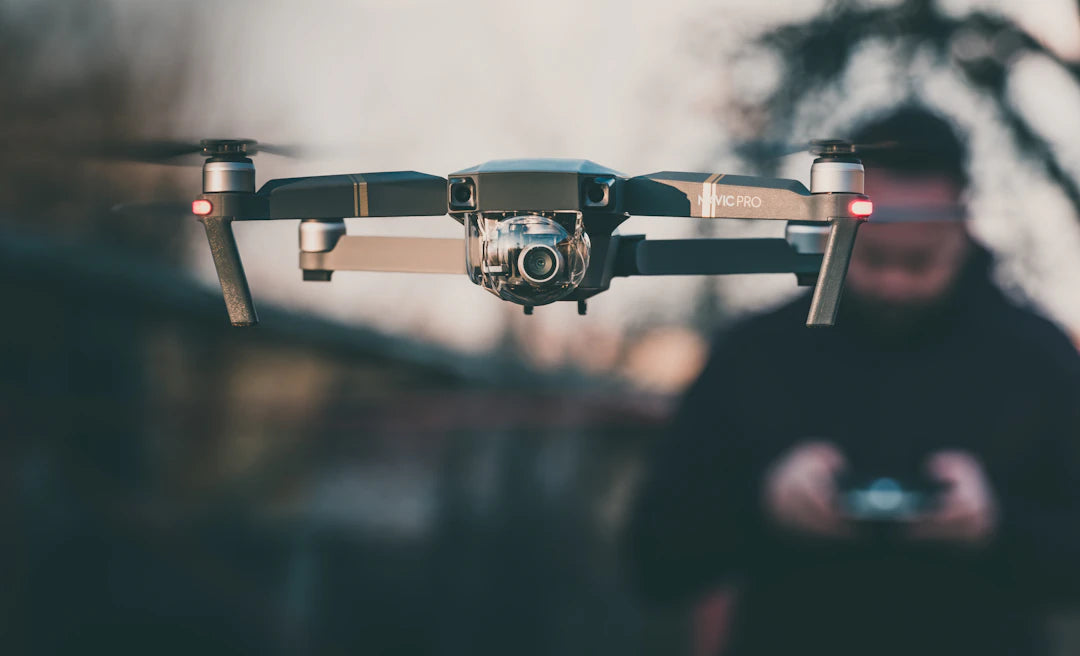
As drones became more accessible to the public, diverse applications emerged. Hobbyists embraced drones for personal enjoyment, while industries began integrating UAVs for professional use, such as:
- Aerial photography and videography
- Search and rescue operations
- Agricultural monitoring and crop management
- Infrastructure inspections
The wide array of applications demonstrates how drones have integrated into everyday life, transforming industries, and creating new business opportunities.
Exploring Advanced Drone Capabilities
As drones evolved, their functionalities expanded beyond traditional aerial applications. One particularly interesting area of development is underwater drones. Understanding how underwater drones work is essential for appreciating their role in industries such as marine research and underwater exploration. These devices function using similar technology to aerial drones but are specially designed to withstand the pressures of deep-sea environments.
Key Features of Underwater Drones
Underwater drones, often referred to as ROVs (Remotely Operated Vehicles), are equipped with several features that distinguish them from their airborne counterparts. Here’s a breakdown:
| Feature | Description |
|---|---|
| Depth Rating | Ability to operate at specified depths, often several hundred to thousands of feet. |
| Camera Quality | High-definition cameras with low-light capabilities to capture detailed underwater images. |
| Stabilization Systems | Advanced stabilization to maintain proper orientation and prevent drift. |
| Manipulator Arms | Ability to pick up and manipulate objects, aiding in scientific research and recovery missions. |
This table provides just a glimpse into the capabilities that make underwater drones valuable in exploring and studying our oceans.
The Regulatory Landscape of Drones
With the proliferation of drone technology, regulatory frameworks began to emerge to ensure safe and responsible use. Governments worldwide implemented rules dictating where and how drones could be flown. In the United States, the Federal Aviation Administration (FAA) plays a crucial role in overseeing commercial drone operations, creating guidelines to maximize safety.
Education and Responsibility
As drone technology evolves, so does the importance of educating users about responsible flying. It's essential for drone enthusiasts and professionals to understand the regulations governing drone usage to avoid violating laws or jeopardizing safety. Furthermore, educating the public on drone technology’s benefits helps foster a more positive perception of UAVs.
The Future of Drone Technology
The future of drone technology is filled with exciting possibilities. As innovation continues, we can expect enhanced capabilities, increased automation, and integration with emerging technologies like artificial intelligence and 5G networks. Drones of the future may even participate in delivering goods, conducting operations in hazardous environments, and providing real-time data collection for various industries.
Emerging Trends to Watch
Here are some emerging trends in drone technology that are poised to shape the landscape:
- Increased collaboration between drones and AI for data analysis
- Expansion of drone delivery services across urban areas
- Enhanced battery life and energy efficiency
- Development of hybrid drones capable of air and underwater operations
Final Thoughts: Soaring to New Heights
The evolution of drones showcases an incredible journey from their origins in military use to their diverse applications in various industries today. As technology continues to advance, drones promise to reshape our skies and oceans, paving the way for greater exploration and innovation. By embracing the potential of drones while adhering to responsible practices and regulations, we can ensure a bright future for this fascinating technology.
Key Takeaways
- Drones have evolved from military tools to versatile instruments used across various industries.
- The first mass-produced drone, the Radioplane OQ-2, was developed during World War II for pilot training.
- Technological advancements in the 21st century, including GPS and high-resolution cameras, have significantly enhanced drone capabilities.
- Underwater drones, or ROVs, are emerging as valuable tools for marine research, equipped with features like depth ratings and manipulator arms.
- Regulatory frameworks, particularly from the FAA in the U.S., are crucial for ensuring safe and responsible drone operations.
- The future of drones includes potential applications in delivery services, hazardous environment operations, and real-time data collection.
- Education on responsible drone usage is essential for fostering a positive perception and safe integration into society.
Pros and Cons
| Advantages of Drones | Drawbacks of Drones |
|---|---|
| Enhanced efficiency in various industries, such as agriculture and filmmaking. | Privacy concerns related to unauthorized surveillance. |
| Ability to access hard-to-reach areas for inspections and monitoring. | Regulatory challenges and restrictions on drone usage. |
| Rapid technological advancements improve functionality and capabilities. | Potential for misuse in illegal activities or safety violations. |
| Increased automation and integration with AI enhance data collection. | High initial costs for advanced drone models and equipment. |
| Support for search and rescue operations, improving safety outcomes. | Environmental concerns regarding noise pollution and wildlife disturbance. |
Linked Product

Inspired Flight IF800 Quadcopter with GS-ONE Ground Control Station
The Inspired Flight IF800 Quadcopter, paired with the GS-ONE Ground Control Station, is designed for professional use in demanding missions, offering advanced flight performance and operational ease. With a flight time of up to 54 minutes and a payload capacity of 6.6 lbs, it can effectively support various sensors for enhanced data collection. Its NDAA compliance ensures security and reliability, making it suitable for organizations that require a dependable aerial solution.
View ProductWho It's For (And Not For)
Who It's For
- Technology Enthusiasts: If you have a passion for technology and innovation, this article provides a comprehensive overview of the evolution of drones.
- Industry Professionals: Those working in fields like agriculture, filmmaking, or marine research will find valuable insights into how drones can enhance their operations.
- Hobbyists: Individuals interested in flying drones for personal enjoyment will appreciate the historical context and advancements in drone technology.
- Regulatory Bodies: Professionals involved in creating or enforcing drone regulations can benefit from understanding the development of drone technology and its implications.
Who It's Not For
- Casual Readers: If you are looking for light reading or entertainment, the technical depth of this article may not suit your interests.
- Individuals Uninterested in Technology: Those who do not have an interest in technological advancements or their applications may find this article less engaging.
- People Seeking Immediate Practical Guidance: This article focuses on historical context rather than providing step-by-step instructions or practical tips for drone operation.
- Non-Professionals: If you're not involved in any industry that utilizes drones, you may not find the content relevant to your needs.
Frequently Asked Questions
1. What are drones primarily used for today?
2. When were the first drone-like devices used?
3. What advancements occurred during World War II regarding drones?
4. How have underwater drones evolved compared to aerial drones?
5. What are some emerging trends in drone technology?
Glossary
| Term | Meaning |
|---|---|
| Drone | An unmanned aerial vehicle (UAV) used for various applications. |
| UAV | Unmanned Aerial Vehicle, a type of drone operated without a pilot on board. |
| ROV | Remotely Operated Vehicle, a type of underwater drone. |
| GPS | Global Positioning System, technology for navigation and location tracking. |
| FAA | Federal Aviation Administration, the U.S. government agency regulating drone usage. |
| Payload | The cargo or equipment a drone can carry during its operation. |
| Stabilization Systems | Technologies that maintain a drone's orientation and prevent drift. |
| Aerial Photography | Using drones to capture images or videos from the air. |
| Commercial Applications | Uses of drones in business sectors beyond military purposes. |
| Automation | The use of technology to perform tasks with minimal human intervention. |