Transforming Agriculture: Drones for the Future
Overview
Drones are revolutionizing agriculture by enhancing crop monitoring, soil analysis, and livestock management. They offer cost efficiency, real-time data, and precision farming, leading to higher yields and better sustainability practices. As drone technology advances, integrating AI and IoT will further optimize farm operations. Despite challenges like regulations and initial costs, the future of farming with drones looks promising, paving the way for increased productivity and resource management.
Table of Contents
- The Rise of Farming Drone Technology
- Why Drones Are Essential in Modern Agriculture
- Applications of Drones in Agriculture
- Crop Monitoring
- Soil Analysis
- Livestock Management
- The Future of Drone Technology in Agriculture
- Data Analytics for Better Decision Making
- Integration with Other Technologies
- Challenges Ahead
- Embracing the Future with Drones
- The Bottom Line: A Bright Future Awaits
As farming becomes increasingly reliant on technology, the incorporation of farming drone technology has reshaped the agricultural landscape. From crop monitoring to precision farming, drones are offering innovative solutions to age-old challenges. In this article, we delve into how drones are revolutionizing agriculture, exploring the most significant uses and the anticipated future trends, including a glance at the underwater drone market trends and their possible impact on farming practices.
The Rise of Farming Drone Technology
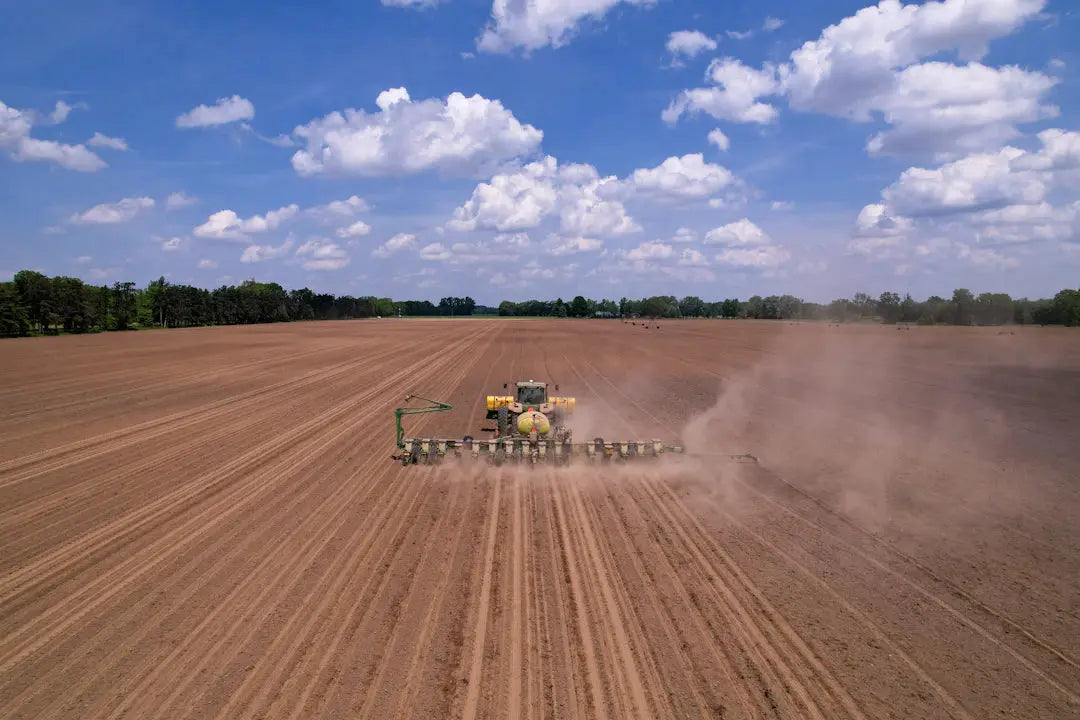
The agricultural sector has long been marked by its reliance on traditional methods. However, with the advent of farming drone technology, farmers are now equipped to streamline operations and enhance productivity like never before. Designed to assist with everything from crop inspections to livestock monitoring, these advanced systems feature cutting-edge capabilities including aerial imagery, data analytics, and more.
Why Drones Are Essential in Modern Agriculture
Drones offer numerous advantages in agricultural applications, significantly optimizing the efficiency and efficacy of farming practices. Below are a few compelling reasons why farmers are integrating drone technology into their operations:
- Cost Efficiency: Drones reduce the need for manual labor and extensive equipment, leading to cost savings.
- Real-time Data: Drones provide instant access to important data regarding crop health, soil conditions, and more.
- Precision Agriculture: Targeted approaches result in higher yields through efficient resource allocation, including water and fertilizers.
- Time-Saving: Drones can cover large areas quickly, providing farmers with timely insights.
- Environmental Monitoring: Enhanced tracking of environmental factors allows for better sustainability practices.
Applications of Drones in Agriculture
Drones are transforming various aspects of agriculture, making them a valuable tool for farmers. Here are some prominent applications:
Crop Monitoring
One of the primary uses of drones is crop monitoring. Equipped with advanced cameras and sensors, drones can gather extensive data about crop health. Farmers can identify problem areas in their fields, such as pest infestations or nutrient deficiencies, and take appropriate action swiftly, thus salvaging their crops and optimizing yields.
Soil Analysis
Before planting, thorough soil analysis is crucial. Drones can collect data on soil composition and moisture levels, helping farmers make informed decisions about crop selection and resource allocation. This data-driven approach is fundamentally changing the way farmers engage with their fields.
Livestock Management
Drones enable more efficient livestock management. Utilizing drones equipped with thermal cameras, farmers can monitor herd movements, check on animal health, and locate strayed animals easily, ensuring optimum welfare and minimizing losses.
The Future of Drone Technology in Agriculture
As we look toward the future, the advancement of farming drone technology is expected to accelerate. Here are some of the key trends shaping the potential future of drones in agriculture:
Data Analytics for Better Decision Making
The ability to gather data is crucial for modern farming. As drones become smarter, they will leverage artificial intelligence and machine learning to analyze data comprehensively. Farmers will not only access data but also gain actionable insights for better decision-making processes.
Integration with Other Technologies
Drones are now being integrated with other technologies like IoT (Internet of Things), satellite imagery, and AI to create comprehensive farming solutions. This integration allows for seamless operation management and maximizes productivity.
| Drone Technology | Application | Benefits |
|---|---|---|
| Multi-Spectral Imaging | Crop Health Monitoring | Early detection of pests and diseases |
| Thermal Imaging | Livestock Monitoring | Enhanced animal health tracking |
| LiDAR (Light Detection and Ranging) | Soil and Field Mapping | Accurate topographical analysis |
| Autonomous Drones | Automated Spraying | Targeted pesticide application |
Challenges Ahead
While the benefits of drones in agriculture are evident, there are challenges that need addressing:
- Regulations: Navigating the legal landscape can be complicated, as farmers must ensure adherence to local regulations regarding drone usage.
- Initial Investment: The upfront cost of acquiring sophisticated drones may deter some farmers.
- Technical Expertise: Farmers must be educated on how to use drone technology effectively, which may require additional training.
Embracing the Future with Drones
Despite the challenges, the potential of drone technology in agriculture cannot be overstated. As farmers continue to embrace innovation, the future of agriculture looks promising. In addition to applications in conventional farming practices, advancements such as the underwater drone market trends can offer new possibilities for aquaculture and water management. These trends exemplify how technology can foster efficiency and sustainability across various domains within agriculture. The key to success is staying informed and willing to adapt to new technologies as they emerge.
The Bottom Line: A Bright Future Awaits
Farmers that integrate drone technology into their methodologies stand to benefit significantly. As drone capabilities expand, the advantages of using drones in agriculture will only grow, presenting opportunities for increased productivity, efficiency, and sustainability. In a world increasingly focused on food security and resource management, investing in farming drone technology will not only shape the future of farming but also pave the way for a more sustainable agricultural practice that benefits everyone involved. Seize the opportunity and be part of this transformative journey today!
Key Takeaways
- Cost Efficiency: Drones minimize labor costs and equipment expenses, enhancing overall profitability.
- Real-time Data Collection: Instant access to critical information on crop health and soil conditions improves decision-making.
- Precision Agriculture: Targeted resource allocation leads to higher crop yields and optimized input usage.
- Enhanced Crop Monitoring: Drones provide detailed insights into crop conditions, enabling swift intervention for issues like pests.
- Livestock Management: Drones facilitate efficient monitoring of animal health and movements, reducing losses.
- Future Trends: Integration of AI and IoT with drones will enhance data analytics for better agricultural outcomes.
- Challenges to Address: Farmers must navigate regulations, initial investments, and the need for technical training to fully leverage drone technology.
Pros and Cons
| Advantages of Farming Drones | Drawbacks of Farming Drones |
|---|---|
| Cost Efficiency: Reduces labor and equipment costs. | Initial Investment: High upfront costs for advanced drones. |
| Real-time Data: Provides instant insights into crop health and conditions. | Regulations: Complex legal requirements for drone usage. |
| Precision Agriculture: Enhances resource allocation for higher yields. | Technical Expertise: Requires training for effective use. |
| Time-Saving: Covers large areas quickly for timely data collection. | Maintenance: Ongoing upkeep and potential repair costs. |
| Environmental Monitoring: Supports sustainable farming practices. | Data Privacy: Concerns over data security and privacy issues. |
Linked Product

DJI AGRAS T50 Agricultural Drone Ready to Fly Kit
The DJI AGRAS T50 Agricultural Drone Ready to Fly Kit is designed to enhance precision in agricultural operations, capable of carrying significant payloads for spraying and spreading tasks. Its advanced Dual Atomizing Spraying System ensures efficient and uniform application of liquids, while the integrated surveying capabilities allow for detailed mapping and obstacle detection. With features like high signal stability and multidirectional obstacle sensing, the DJI AGRAS T50 is well-suited for a variety of agricultural scenarios, including terrain following in challenging environments.
View ProductWho It's For (And Not For)
Who It's For
- Agricultural Innovators: Farmers looking to modernize their practices and embrace technology for improved efficiency and productivity.
- Data-Driven Decision Makers: Those who value real-time data and analytics to make informed decisions about crop health and resource allocation.
- Cost-Conscious Farmers: Individuals seeking to reduce labor costs and optimize resource use through precision agriculture.
- Livestock Managers: Farmers who need effective monitoring solutions for herd management and animal health tracking.
Who It's Not For
- Traditionalists: Farmers who prefer conventional farming methods and are hesitant to adopt new technology.
- Budget-Constrained Individuals: Those unable to invest in the initial costs associated with purchasing and maintaining drone technology.
- Technologically Averse: Farmers who are uncomfortable with technology and may struggle to learn how to operate drones effectively.
- Regulation-Sensitive Operators: Individuals concerned about navigating the complex legal landscape surrounding drone usage in agriculture.
Frequently Asked Questions
1. What is the role of farming drone technology in agriculture?
2. What are the advantages of using drones in farming?
3. How do drones assist in crop monitoring?
4. What future trends are anticipated in drone technology for agriculture?
5. What challenges do farmers face when implementing drone technology?
Glossary
| Term | Meaning |
|---|---|
| Farming Drone Technology | Use of drones to enhance agricultural practices and productivity. |
| Crop Monitoring | Tracking crop health using drones to identify issues quickly. |
| Precision Agriculture | Optimizing resource use for higher crop yields. |
| Real-time Data | Instant access to critical information about farming conditions. |
| Multi-Spectral Imaging | Using different wavelengths to assess crop health. |
| Thermal Imaging | Monitoring livestock health and movements through temperature differences. |
| LiDAR | Mapping fields accurately using laser technology. |
| Autonomous Drones | Drones that operate without human intervention for tasks like spraying. |
| Data Analytics | Using collected data for informed decision-making in farming. |
| Integration with IoT | Combining drones with Internet of Things for enhanced farming solutions. |