The Rise of Drones: Transforming Industries Forever
Overview
Drones are transforming various industries by enhancing efficiency and innovation. Key sectors impacted include agriculture, construction, logistics, and entertainment. They enable precision farming, streamline construction processes, improve delivery times, and enhance cinematic experiences. As technology advances and regulations evolve, the potential for drones continues to grow, making them essential tools for modern industries.
Table of Contents
- Understanding Drones
- The Agricultural Drone Revolution
- Case Studies of Agricultural Drones in Action
- Drones in Construction and Infrastructure
- Impact on Project Management
- Drones in Logistics and Delivery
- The Future of Drone Deliveries
- Entertainment and Drones
- The Shift Towards Regulation
- Diving Deep – Underwater Drones
- Applications of Underwater Drones
- The Road Ahead
Drones have rapidly emerged as powerful tools transforming various industries, bringing efficiency and innovation to traditional practices. From agriculture and construction to entertainment and logistics, these aerial machines are paving the way for new technological advancements. This article explores the influence of drones on various sectors and assesses their future potential.
Understanding Drones
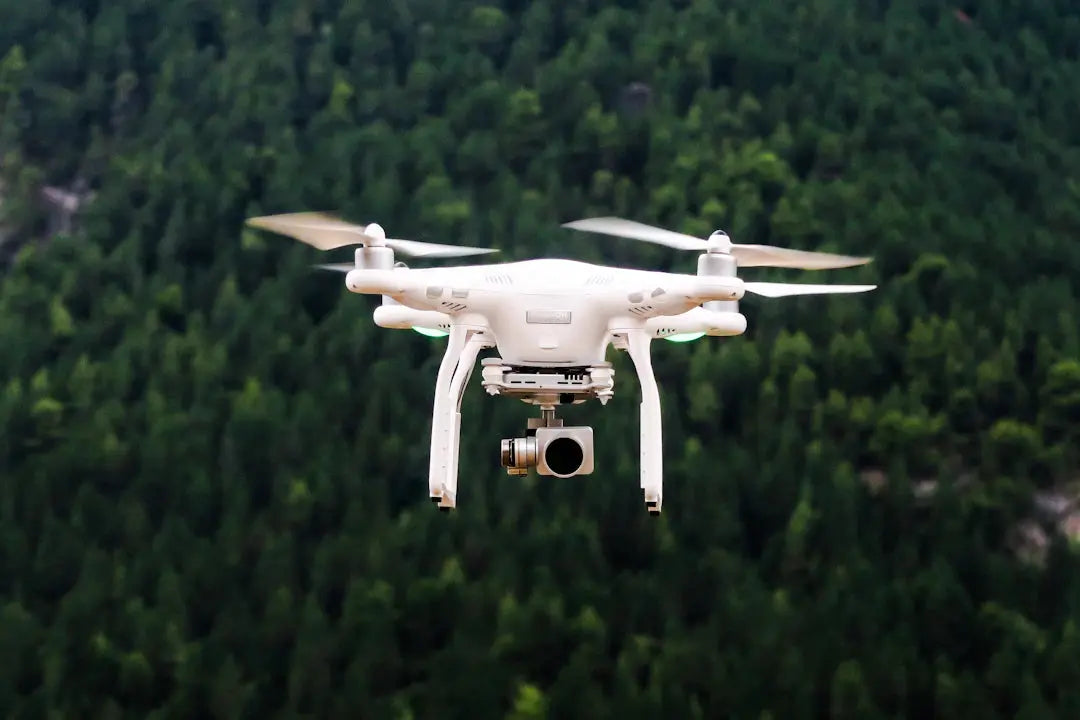
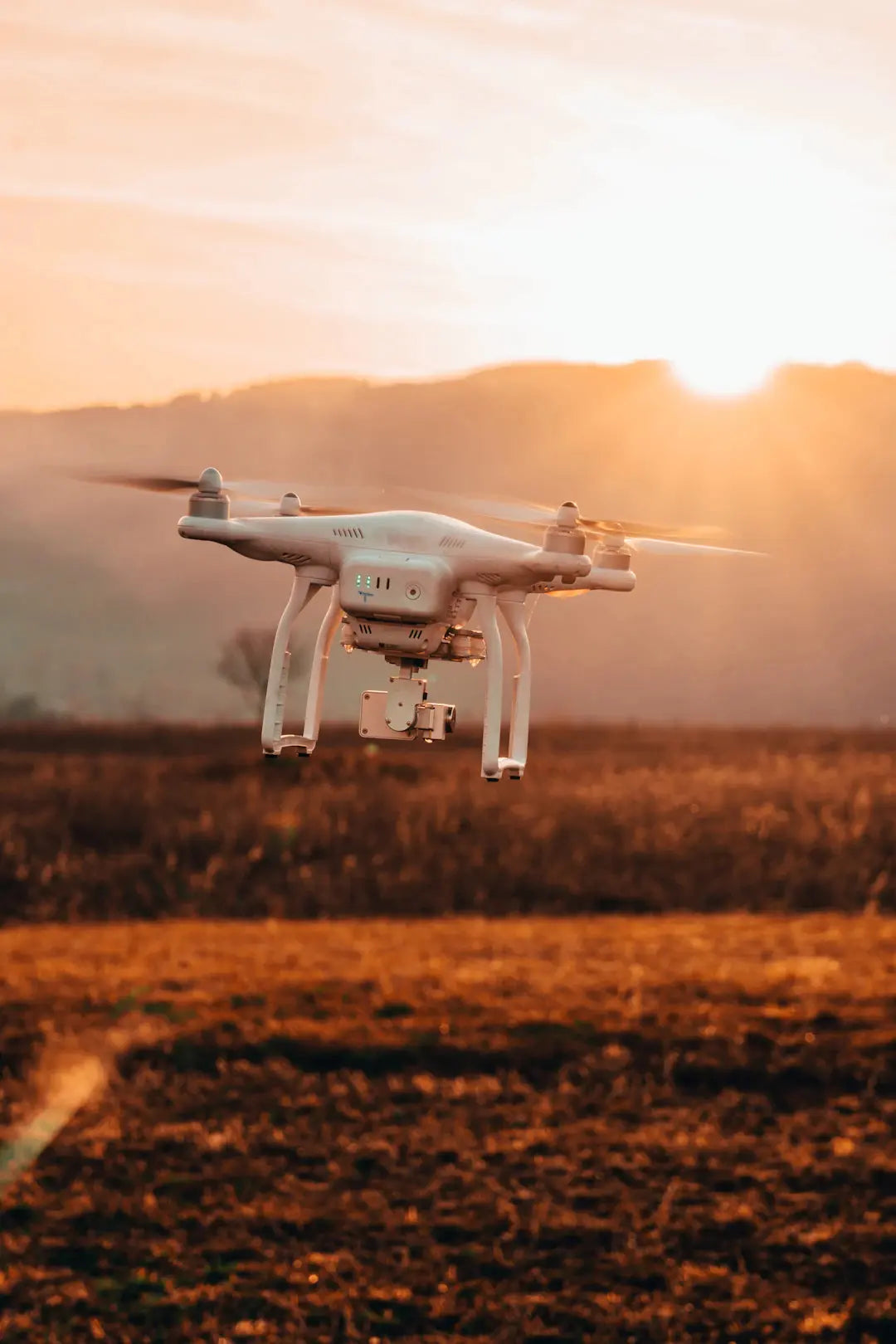
Drones, also known as unmanned aerial vehicles (UAVs), are aircraft that operate without a human pilot onboard. Utilizing remote controls or autonomous systems, drones can navigate and execute tasks with precision. Drones come in various forms, including fixed-wing and multi-rotor models, each tailored for specific applications. As technology progresses, these vehicles get smarter, more efficient, and increasingly versatile.
The Agricultural Drone Revolution
One of the most significant impacts of drones has been in agriculture. The advent of the agricultural drone has revolutionized farming operations, making them more efficient and sustainable. Here are some key benefits of using agricultural drones:
- Precision Farming: Drones allow farmers to survey crops and collect data on soil health, moisture levels, and crop density. This data helps optimize irrigation and fertilizer use, leading to a healthier yield.
- Cost-Effectiveness: Implementing drones in agriculture reduces labor costs and the time spent on traditional surveying methods. This efficiency translates to increased productivity.
- Real-Time Monitoring: Drones equip farmers with real-time visuals, allowing them to detect issues like pest infestations or plant diseases early on.
- Enhanced Imaging: Using infrared sensors and cameras, agricultural drones can capture high-resolution images of fields, helping to assess crop health accurately.
Case Studies of Agricultural Drones in Action
Several agricultural sectors have already reported significant benefits from drone implementation. For instance, the use of drones in vineyards has led to improved monitoring of grape health, ultimately enhancing wine quality. Similarly, large-scale farmers can now deploy drones to cover substantial acreage in a fraction of the time it would take using traditional methods.
Drones in Construction and Infrastructure
The construction industry has also seen substantial advancements due to drone technology. Drones can survey land, monitor construction sites, and create detailed 3D maps and models. Their usage offers several measurable advantages:
| Drone Use Case | Benefits |
|---|---|
| Site Surveying | Fast mapping and assessment of land, reducing project timeframes. |
| Progress Monitoring | Regular aerial imagery can provide stakeholders with real-time updates on progress. |
| Safety Inspection | Drones can inspect hard-to-reach areas, reducing the need for dangerous scaffolding. |
Impact on Project Management
With the ability to acquire topographical data and build detailed 3D models, drones are revolutionizing project management in construction. Managers can now make informed decisions based on real data collected from the sites. This not only ensures project efficiency but also promotes safety standards.
Drones in Logistics and Delivery
The logistics industry has begun exploring drone technology for delivery services. Major companies are researching and implementing drones to deliver parcels, food, and other goods swiftly and efficiently. The effects this could have on the industry may be profound:
- Reduced Delivery Times: Drones can bypass road traffic, significantly shortening delivery routes.
- Lower Operating Costs: Automating deliveries with drones reduces reliance on vehicular traffic and fuel consumption.
- Environmental Benefits: Drones are often electric and can reduce carbon footprints throughout the logistics sector.
The Future of Drone Deliveries
Many cities are now trialing drone delivery services, aiming to provide faster, affordable, and convenient delivery options to customers. As regulations evolve and infrastructure is created, the possibilities for logistics using drones seem practically limitless.
Entertainment and Drones
The entertainment industry has also embraced the capabilities of drones. Filmmakers are leveraging drones to capture breathtaking aerial shots that were previously difficult to achieve. Some notable advancements in this sector include:
- Enhanced Cinematic Experiences: Drones provide unique perspectives and angles, enhancing storytelling in films and entertainment.
- Live Event Coverage: Drones are now used to cover large events like concerts and sports games, offering spectators an exclusive view.
- Photography and Videography: Creative individuals utilize drones for stunning aerial photography, contributing to new art forms.
The Shift Towards Regulation
With the rise of drones in the entertainment industry, there are growing calls for regulatory frameworks to ensure safe usage in urban environments. Striking a balance between allowing creativity and ensuring safety will be crucial as the industry expands.
Diving Deep – Underwater Drones
While most discussions around drones focus on aerial applications, underwater drones are a growing field as well. So, how deep can underwater drones go? The depth capabilities of underwater drones vary greatly based on the design and purpose. While some models can only reach shallow depths of around 10 meters, professional-grade underwater drones can dive up to 1000 meters!
Applications of Underwater Drones
Underwater drones are being used in various industries, from marine research and environmental monitoring to underwater exploration and rescue missions. Some key uses include:
- Marine Research: Scientists use drones to study marine life, monitor coral reefs, and gather environmental data.
- Ocean Mapping: Drones can help create detailed maps of underwater terrains and habitats.
- Inspection: Industries leverage underwater drones to inspect pipelines, boats, and other submerged structures.
The Road Ahead
The rise of drone technology presents immeasurable potential for innovation across various sectors. As regulations continue to catch up with rapidly advancing technology, the boundaries of what drones can achieve are being pushed each day. With industries adapting and integrating drones into their service offerings, it’s imperative for businesses to stay ahead of the curve.
In summary, drones are not just a novelty; they are rapidly becoming an essential part of modern industries. The transformative power of drones inspires new methods, ideas, and efficiencies. For anyone just beginning to explore the world of drone technology, there has never been a better time to engage with these innovations!
Key Takeaways
- Drones are revolutionizing industries: They enhance efficiency and innovation across sectors like agriculture, construction, logistics, and entertainment.
- Precision farming benefits: Agricultural drones enable farmers to optimize irrigation and fertilizer use through real-time data collection on crop health.
- Construction advancements: Drones facilitate site surveying, progress monitoring, and safety inspections, improving project management and reducing timeframes.
- Logistics efficiency: Drones can reduce delivery times and operating costs while offering environmental benefits by lowering carbon footprints.
- Entertainment enhancements: Drones provide unique aerial perspectives for filmmakers and event coverage, transforming visual storytelling.
- Emerging underwater technology: Underwater drones are being used for marine research, ocean mapping, and inspections, expanding the applications of drone technology.
- Future potential: As regulations evolve, the integration of drones into various sectors will continue to grow, paving the way for innovative solutions.
Pros and Cons
| Advantages of Drones | Drawbacks of Drones |
|---|---|
| Increased efficiency in various industries, such as agriculture and construction. | Regulatory challenges and restrictions on drone usage in urban areas. |
| Cost-effective solutions that reduce labor and operational costs. | Privacy concerns related to aerial surveillance and data collection. |
| Real-time monitoring and data collection for informed decision-making. | Potential for technical malfunctions or crashes, posing safety risks. |
| Environmental benefits through reduced carbon footprints in logistics. | Need for specialized training and skills to operate advanced drone systems. |
Linked Product

DJI AGRAS T50 Agricultural Drone Ready to Fly Kit
The DJI AGRAS T50 Agricultural Drone is designed for precision agricultural operations, offering capabilities such as surveying, spraying, and spreading in a single unit. With its Dual Atomizing Spraying System and advanced obstacle sensing technology, the drone ensures efficient and safe operations while handling substantial payloads. Its integration with smart agriculture tools allows for enhanced data collection and mapping, supporting optimized farm management practices.
View ProductWho It's For (And Not For)
Who It's For
- Agricultural Professionals: Farmers looking to enhance crop monitoring and increase yield efficiency through precision farming.
- Construction Managers: Those who need to streamline project management and improve safety standards with real-time site surveying and monitoring.
- Logistics Companies: Businesses aiming to reduce delivery times and operating costs by adopting drone technology for parcel delivery.
- Filmmakers and Content Creators: Individuals seeking innovative ways to capture stunning aerial shots and enhance storytelling in visual media.
- Marine Researchers: Scientists interested in utilizing underwater drones for environmental monitoring and marine exploration.
Who It's Not For
- Small-Scale Farmers: Individuals who may not have the resources or need for advanced drone technology in their farming operations.
- Traditional Construction Firms: Companies resistant to adopting new technologies and preferring conventional methods over drone capabilities.
- Urban Areas with Strict Regulations: Locations where drone usage is heavily regulated or restricted, limiting their practicality for businesses.
- Individuals with Limited Technical Skills: Those who may struggle with operating drone technology or integrating it into their existing workflows.
- Businesses with Stable Delivery Methods: Companies that already have efficient logistics systems in place and do not see the need for drone integration.
Frequently Asked Questions
1. What are drones and how do they operate?
2. What impact have drones had on agriculture?
3. How are drones used in the construction industry?
4. What benefits do drones offer in logistics and delivery?
5. What are some applications of underwater drones?
Glossary
| Term | Meaning |
|---|---|
| Drones | Unmanned aerial vehicles (UAVs) that operate without a human pilot. |
| Precision Farming | Using drones to collect data for optimizing crop management. |
| Site Surveying | Mapping and assessing land quickly with drone technology. |
| Real-Time Monitoring | Using drones to provide immediate visuals of agricultural conditions. |
| Logistics | The management of the flow of goods, which drones are beginning to enhance. |
| Underwater Drones | Drones designed for exploration and tasks beneath the water's surface. |
| Environmental Benefits | Advantages of using drones that reduce carbon footprints and pollution. |
| 3D Mapping | Creating detailed three-dimensional representations of land and structures. |
| Autonomous Systems | Technologies that allow drones to operate independently without human control. |
| Enhanced Imaging | High-resolution visuals captured by drones for better analysis. |