Drones for Precision Agricultural Monitoring and Management
Overview
Drones are transforming agriculture by improving crop monitoring, field assessments, and resource optimization. Key features to consider include payload capacity, flight time, image quality, and automation. Highlighted models like the DJI AGRAS T50, Autel EVO Max RTK, HOVERAir X1 PRO, and Potensic ATOM offer unique benefits for efficient farm management. Choosing the right drone can enhance productivity and sustainability in farming practices.
Table of Contents
- Advanced Agricultural Drones: Key Features
- Spotlight on Top Agricultural Drones
- DJI AGRAS T50 Agricultural Drone Ready to Fly Kit
- Autel Robotics EVO Max RTK Module
- HOVERAir X1 PRO 4K Flying Camera Drone
- Potensic ATOM Drone with 4K Camera - STANDARD KIT
- How to Choose the Right Agricultural Drone
- Conclusion
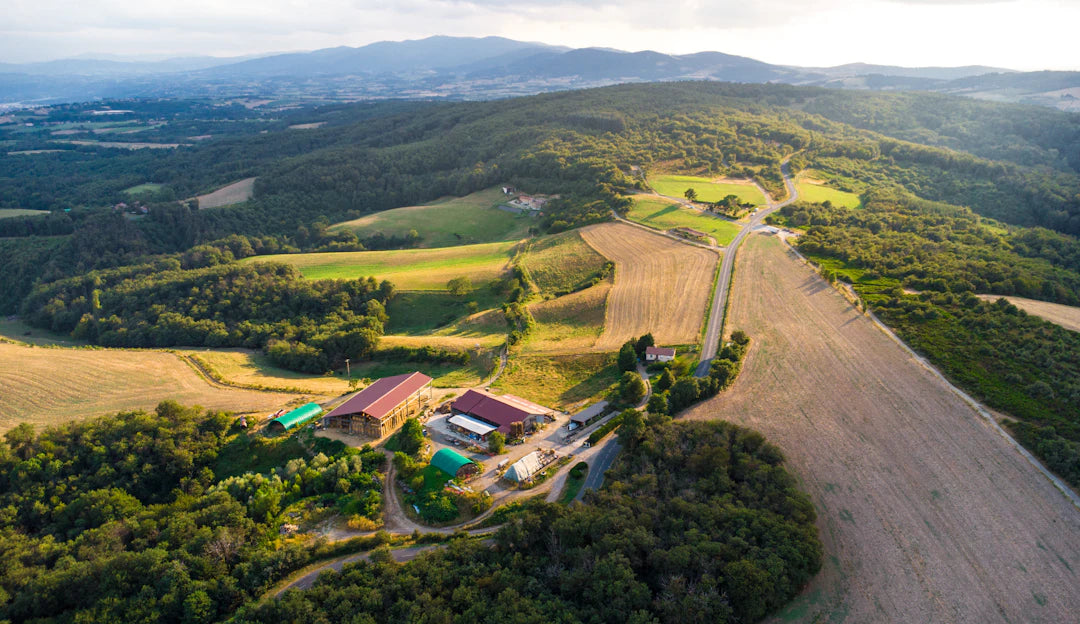
In recent years, drones have revolutionized agricultural practices, providing farmers with advanced tools for monitoring crop health, assessing field conditions, and optimizing resource use. With capabilities ranging from high-resolution aerial imagery to precise spraying systems, agricultural drones have become indispensable in maximizing yields and ensuring sustainable practices. In this article, we'll explore some of the most innovative drones tailored for agricultural applications, focusing on their unique features and benefits for efficient farm management.
Advanced Agricultural Drones: Key Features
The agricultural drones available today are equipped with cutting-edge technology that enhances their performance across various tasks. Here are some of the most critical features to consider when selecting a drone for agricultural purposes:
- Payload Capacity: Essential for carrying various sensors and equipment, including spraying systems.
- Flight Time: Longer flight durations allow for larger areas to be covered in a single trip.
- Image Quality: High-resolution cameras and thermal imaging capabilities provide detailed information about crop health.
- Automation Features: Automated flight plans and obstacle avoidance systems ensure safety and efficiency during operations.
Spotlight on Top Agricultural Drones
Now let's dive into some specific models that stand out in the agricultural drone market, showcasing their capabilities and how they can aid in farming operations.
DJI AGRAS T50 Agricultural Drone Ready to Fly Kit

The DJI AGRAS T50 is an exceptional drone tailored for agricultural applications. It boasts a robust coaxial twin-rotor propulsion system and a split-type torque-resistant structure, allowing it to carry payloads of up to 40 kg for spraying and 50 kg for spreading. This drone’s capabilities extend to a Dual Atomizing Spraying System, which enables a high flow rate of up to 16 L/min, ensuring efficient and uniform coverage across large fields.
Equipped with advanced sensors, including Front and Rear Phased Array Radars and a Binocular Vision System, the T50 excels in obstacle avoidance, making it reliable for complex agricultural landscapes. Whether you're surveying crop health or executing precise spraying tasks, the DJI AGRAS T50 provides unmatched performance with a coverage of 21 hectares per hour.
Autel Robotics EVO Max RTK Module

The Autel Robotics EVO Max RTK Module is designed to improve the precision of aerial data collection. RTK (Real-Time Kinematic) technology allows for centimeter-level positioning, making it ideal for tasks such as mapping, surveying, and inspecting crop health. This drone is perfect for farmers looking to gain detailed insights into their fields, allowing for more informed decision-making regarding fertilization and pest control.
HOVERAir X1 PRO 4K Flying Camera Drone

The HOVERAir X1 PRO stands out with its compact design and 4K camera capabilities, making it an excellent choice for capturing high-definition aerial footage. With vertical video resolution up to 2.7K60 and a flight time of up to 16 minutes, this drone offers excellent performance for visual inspections of crops, making it easier to identify issues such as pest infestations or nutrient deficiencies quickly.
Moreover, its automated flight functions and palm takeoff feature make it user-friendly, ensuring that even novice operators can utilize this drone effectively. The onboard storage of 32GB and the ability to shoot up to 12MP still photos further enhance its utility for agricultural monitoring.
Potensic ATOM Drone with 4K Camera - STANDARD KIT

The Potensic ATOM Drone combines ease of use with outstanding performance. Featuring a 4K camera with high-quality imaging capabilities, this drone provides 32 minutes of flight time and a transmission range of up to 6 km. Additionally, its level 5 wind resistance ensures steady flights in varying conditions, making it suitable for different agricultural environments.
With features such as visual tracking and interval timer shooting, the Potensic ATOM allows farmers to monitor crops effectively over time, leading to better assessments of growth and health trends.
How to Choose the Right Agricultural Drone
Selecting the appropriate drone for agricultural purposes can be overwhelming given the variety of options available. Here are some essential factors to consider when making your choice:
- Define Your Needs: Determine the main purpose of the drone — do you need it for crop monitoring, spraying, or mapping?
- Evaluate Payload Requirements: Assess the weight and type of sensors or equipment you need to carry.
- Consider Flight Range and Battery Life: Look for drones that can cover the area of your farm efficiently.
- Check Camera Quality: High-resolution cameras and thermal imaging capabilities are crucial for detailed inspections.
- Look for User-Friendly Features: Automated flight capabilities and mobile app integrations can make operations easier.
Conclusion
As the agricultural industry continues to embrace technology, drones have emerged as powerful tools for enhancing productivity and sustainability. The DJI AGRAS T50, Autel Robotics EVO Max RTK Module, HOVERAir X1 PRO, and Potensic ATOM Drone each offer unique features that can significantly enhance agricultural monitoring and management practices. By choosing the right drone, farmers can not only improve efficiency but also make better-informed decisions, ultimately leading to more sustainable farming operations.
Key Takeaways
- Drones Transform Agriculture: Drones provide advanced tools for monitoring crop health and optimizing resource use, leading to improved yields and sustainable practices.
- Key Features to Consider: Important drone features include payload capacity, flight time, image quality, and automation capabilities for efficient operations.
- DJI AGRAS T50: This drone is ideal for large crop spraying, with a payload capacity of up to 40 kg and coverage of 21 hectares per hour.
- Autel EVO Max RTK Module: Enhances accuracy in data collection with centimeter-level positioning, perfect for mapping and crop health inspections.
- HOVERAir X1 PRO: Compact with a 4K camera, it offers 16 minutes of flight time and automated functions, making it user-friendly for visual crop inspections.
- Potensic ATOM Drone: Features a 4K camera, 32 minutes of flight time, and level 5 wind resistance, ideal for monitoring crops in various conditions.
- Choosing the Right Drone: Assess your specific needs, payload requirements, flight range, camera quality, and user-friendly features before selecting a drone.
Pros and Cons
| Advantages of Agricultural Drones | Drawbacks of Agricultural Drones |
|---|---|
| Enhances crop monitoring and health assessment. | High initial investment cost for advanced models. |
| Increases efficiency in resource usage, such as water and fertilizers. | Requires training for effective operation and maintenance. |
| Provides high-resolution imagery for detailed analysis. | Weather conditions can limit operational capabilities. |
| Automated features reduce the risk of human error. | Regulatory restrictions may apply in certain areas. |
| Facilitates quick identification of issues like pest infestations. | Battery life may limit flight duration for large fields. |
Who It's For (And Not For)
Who It's For
- Farmers Seeking Efficiency: If you are looking to optimize your farming operations and improve crop yields, agricultural drones can provide advanced monitoring and spraying capabilities.
- Tech-Savvy Operators: Those comfortable with technology and looking to utilize automation features for tasks like mapping and data collection will benefit from these drones.
- Large Scale Farmers: If you manage extensive fields and require high payload capacities for spraying or monitoring, drones like the DJI AGRAS T50 are ideal.
- Detail-Oriented Growers: Farmers who prioritize detailed crop assessments and health monitoring will find high-resolution imaging capabilities essential for informed decision-making.
Who It's Not For
- Small Scale Farmers: If your farming operations are limited in size, investing in advanced drones may not be cost-effective compared to simpler monitoring methods.
- Those Uncomfortable with Technology: If you prefer traditional farming methods and are not interested in learning to operate high-tech equipment, agricultural drones may not be suitable for you.
- Budget-Conscious Farmers: For those with tight budgets, the initial investment in advanced drones may be prohibitive, especially if the return on investment is unclear.
- Farmers with Limited Needs: If your farming activities do not require extensive monitoring or precision spraying, simpler tools may suffice without the complexity of drones.
Comparison at a Glance
| Option | Best for | Strengths | Trade-offs |
|---|---|---|---|
| DJI AGRAS T50 Agricultural Drone Ready to Fly Kit | Large crop spraying | High payload capacity, efficient spraying system, advanced obstacle avoidance | Higher cost, requires more space for operation |
| Autel Robotics EVO Max RTK Module | Precision aerial data collection | Centimeter-level positioning, excellent for mapping and surveying | Limited payload capacity, may require additional setup |
| HOVERAir X1 PRO 4K Flying Camera Drone | High-quality visual inspections | Compact design, 4K camera, user-friendly features | Shorter flight time, less suitable for large areas |
| Potensic ATOM Drone with 4K Camera - STANDARD KIT | Versatile crop monitoring | Excellent flight time, high-quality imaging, good wind resistance | Moderate payload capacity, may not have advanced features |
Frequently Asked Questions
1. What are the key features to consider when selecting an agricultural drone?
2. What is the DJI AGRAS T50 Agricultural Drone known for?
3. How does the Autel Robotics EVO Max RTK Module enhance agricultural tasks?
4. What advantages does the HOVERAir X1 PRO offer for agricultural monitoring?
5. How can farmers choose the right agricultural drone for their needs?
Glossary
| Term | Meaning |
|---|---|
| Drones | Unmanned aerial vehicles used for various tasks, including agriculture. |
| Payload Capacity | The maximum weight a drone can carry, including sensors and equipment. |
| Flight Time | The duration a drone can operate before needing to recharge or land. |
| Image Quality | Resolution and clarity of images captured by the drone's camera. |
| Automation Features | Technologies that enable drones to operate with minimal human intervention. |
| RTK Technology | Real-Time Kinematic technology for precise positioning in aerial data collection. |
| Thermal Imaging | Capturing images based on heat emitted by objects, useful for assessing crop health. |
| Visual Tracking | A feature that allows drones to follow and monitor specific subjects automatically. |
| Obstacle Avoidance | Technology that helps drones navigate safely by detecting and avoiding obstacles. |
| 4K Camera | A high-resolution camera capable of capturing ultra-clear images and videos. |