The Role of Drones in Agriculture: Precision Farming Insights
Overview
Agricultural drones are revolutionizing farming by enhancing precision agriculture through crop monitoring, data collection, and efficiency improvements. They help farmers optimize operations, reduce costs, and promote sustainability. Despite challenges like regulatory barriers and the need for skilled operators, the future of drones in agriculture looks promising with potential advancements in technology integration. Now is the time for farmers to adopt this innovative technology to improve productivity.
Table of Contents
- Understanding Agricultural Drones
- The Different Types of Agricultural Drones
- Precision Farming with Drones
- Key Benefits of Using Drones in Precision Agriculture
- Crop Monitoring: The Eye in the Sky
- How Drones Monitor Crop Health
- Drones and Sustainable Agriculture
- Real-Time Monitoring and Data Collection
- The Future of Drones in Agriculture
- Integration with Other Technologies
- Challenges and Considerations
- Education and Training
- Learn from Diverse Applications
- Taking the Leap: Drones in Your Farming Practice
As technology continues to evolve, the agricultural industry is transforming alongside it. Drones, particularly agricultural drones, have emerged as a game-changer for farmers and agronomists alike. These unmanned aerial vehicles offer innovative solutions for precision farming and crop monitoring, allowing agricultural professionals to optimize their operations and mitigate losses. This article dives into the multifaceted role of drones in modern agriculture, including their applications, benefits, and future trends.
Understanding Agricultural Drones
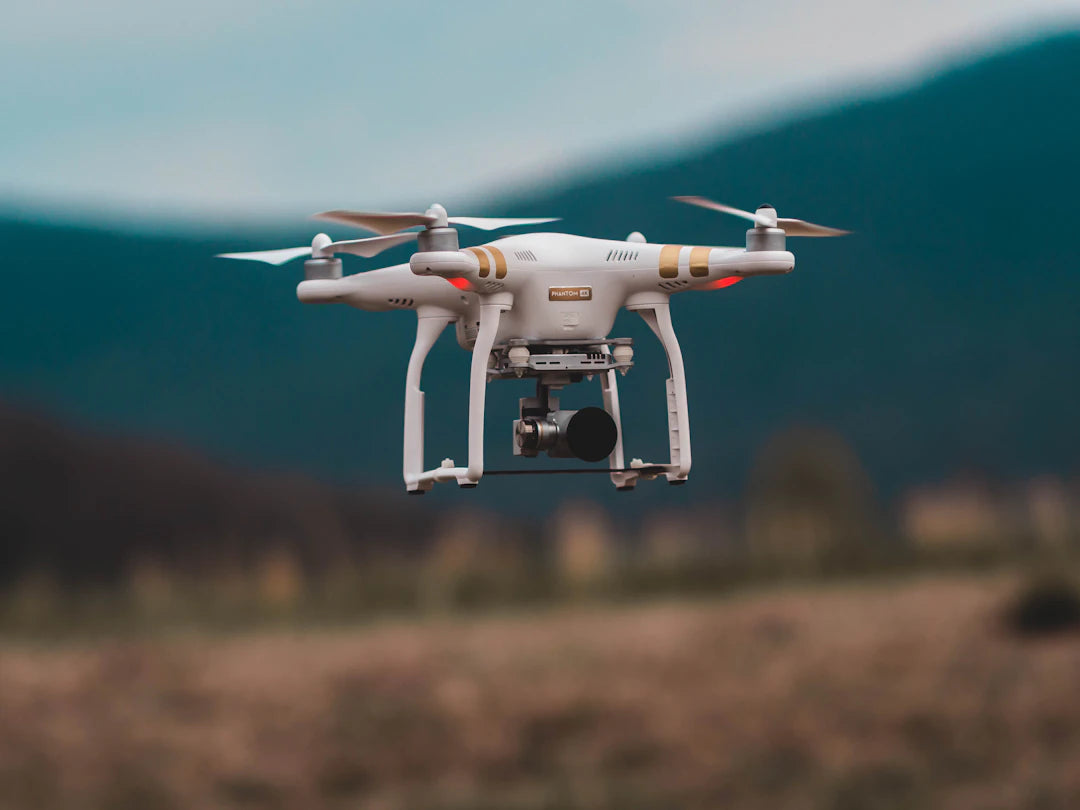
At their core, agricultural drones are specialized UAVs designed to assist in various farming tasks. They are equipped with advanced sensors and imaging technology that enable them to gather crucial data about crop health, soil quality, and overall field conditions. By harnessing the power of drones, farmers can significantly enhance their productivity and efficiency.
The Different Types of Agricultural Drones
There are several types of drones used for agricultural purposes, each designed for specific tasks. Here’s a quick overview of the primary types:
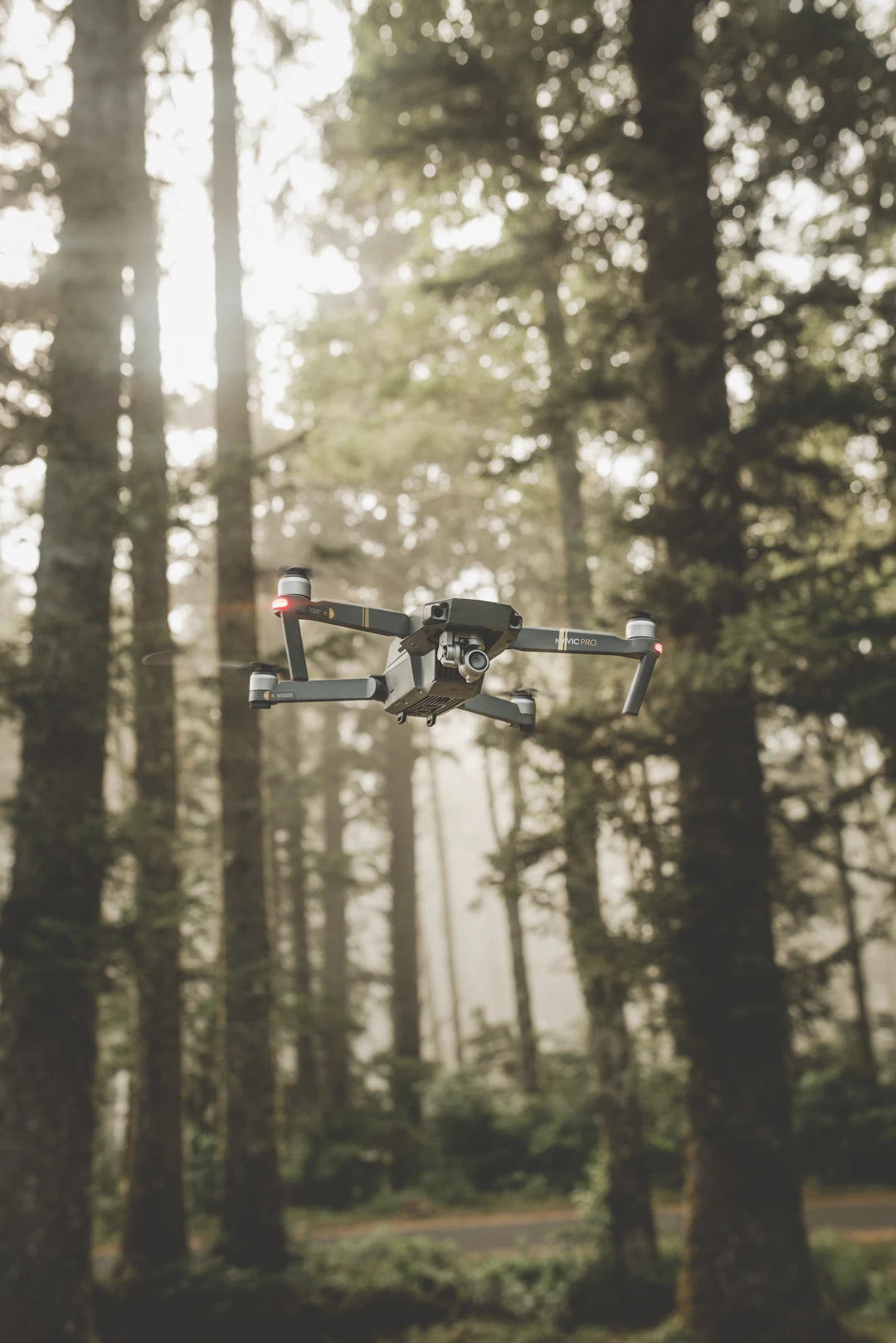
- Multirotor Drones: Ideal for small fields and detailed inspection tasks. They offer excellent maneuverability and can hover in place.
- Fixed-Wing Drones: Best suited for large areas, these drones cover more ground quickly and can stay in the air for extended periods.
- Hybrid Drones: Combining features of both multirotor and fixed-wing drones, these offer versatility for various agricultural tasks.
Precision Farming with Drones
Precision farming refers to a farming management concept utilizing information technology to ensure crops and soil receive exactly what they need. Here's where agricultural drones shine. By leveraging drone technology, farmers can collect precise data on crop health, detect pest infestations, and monitor irrigation systems.
Key Benefits of Using Drones in Precision Agriculture
The advantages of integrating drones into agricultural practices are immense. Here are a few notable benefits:
- Efficiency: Drones cover large areas in a fraction of the time compared to traditional methods, leading to time and labor savings.
- Cost Reduction: By pinpointing issues before they become critical, farmers can avoid unnecessary expenditures on fertilizers and pesticides.
- Data-Driven Decisions: Drones collect valuable data that can aid in making informed agricultural decisions, thereby improving crop yield.
- Enhanced Monitoring: Continuous aerial surveys enable farmers to monitor crop conditions and detect irregularities quickly.
Crop Monitoring: The Eye in the Sky
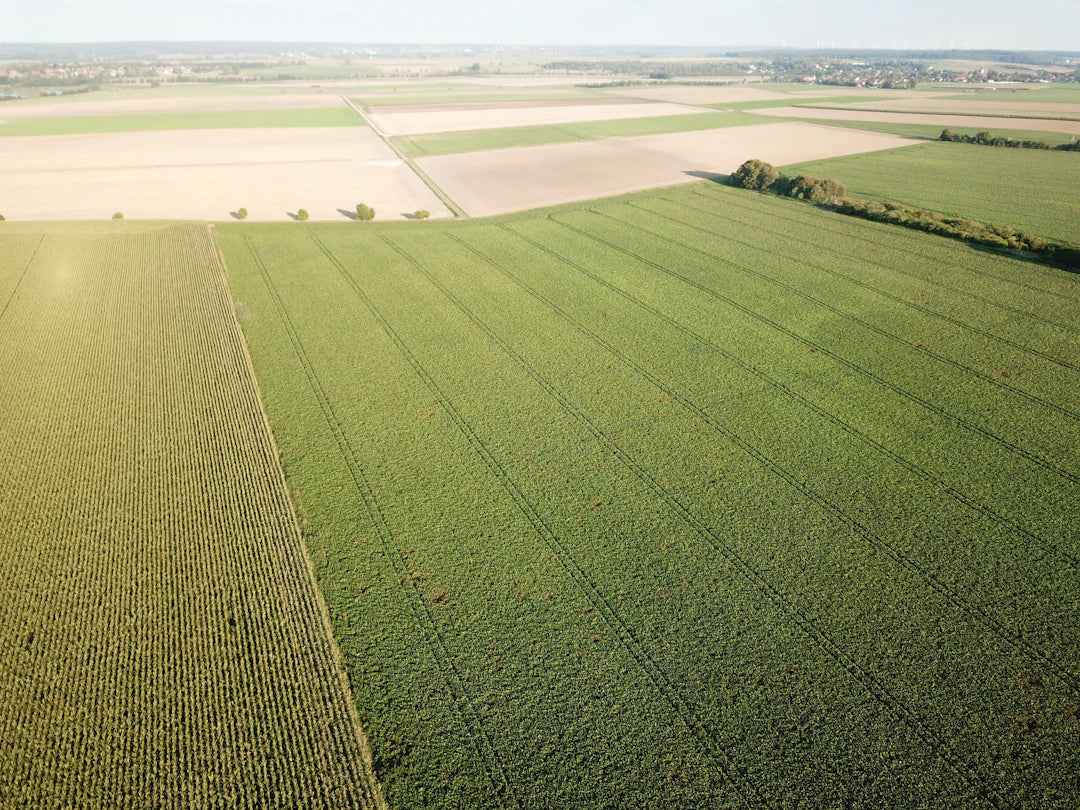
Drones provide farmers with a bird’s eye view of their fields, allowing for detailed crop monitoring. This capability is crucial for early detection of problems, which can save entire harvests.
How Drones Monitor Crop Health
Using advanced imaging technologies, agricultural drones can assess crop health in several ways:
| Imaging Technology | Application | Benefits |
|---|---|---|
| NDVI (Normalized Difference Vegetation Index) | Assessing plant health by evaluating light reflectance. | Early detection of crop stress and disease. |
| Thermal Imaging | Identifying temperature differences in crops. | Precise water management and irrigation planning. |
| Multispectral Imaging | Collecting data across various wavelengths. | Enhanced analysis of crop growth stages. |
Drones and Sustainable Agriculture
As we face global challenges such as climate change and food security, incorporating drones into agriculture can promote sustainability. Agricultural drones enable farmers to adopt environmentally friendly practices by optimizing inputs and reducing wastage. This not only benefits the environment but also contributes to the bottom line by enhancing productivity.
Real-Time Monitoring and Data Collection
One of the standout features of agricultural drones is their ability to provide real-time data. This instant access to information allows farmers to react promptly to crises, whether it's a sudden outbreak of pests or unexpected changes in soil conditions. Such agility can significantly improve crop resilience and yield quality.
The Future of Drones in Agriculture
Looking ahead, the role of drones in agriculture is set to expand even further. Innovations in technology and new applications are on the horizon, creating exciting possibilities for farmers. For instance, coupled with AI and machine learning, drones can analyze data more holistically, leading to predictive insights that could revolutionize farming.
Integration with Other Technologies
Future advancements may lead to more integration between drones and other agricultural technologies, such as:
- Internet of Things (IoT): Drones can work alongside IoT devices for a comprehensive view of agricultural operations.
- Remote Sensing and GIS: Combining drone data with geographic information systems ensures even deeper insights into land use.
- Automation: With further automation, drones may perform tasks autonomously, further streamlining operational efficiency.
Challenges and Considerations
While the benefits of using agricultural drones are clear, there are challenges that farmers must consider. Regulatory barriers, technological costs, and the need for skilled operators can hinder widespread adoption. Additionally, farmers must stay informed about changing regulations surrounding drone use for agricultural applications.
Education and Training
Investing in education and training for operators is crucial for maximizing the benefits of drones. Familiarity with the technology and understanding how to interpret data effectively can help farmers fully realize the potential of agricultural drones.
Learn from Diverse Applications
Interestingly, the technology utilized in agricultural drones has broader applications beyond farming. For example, How Underwater Drones Are Used for Ship Hull Inspections has garnered attention recently, illustrating how drone technology can cross industry borders. This serves as a reminder that as a rapidly evolving field, drone technology holds more promise than just precision agriculture.
Taking the Leap: Drones in Your Farming Practice
With the proven advantages and future potential of agricultural drones, now is the perfect time for farmers to consider incorporating this technology into their practices. Whether you're scaling your farming operations or optimizing existing ones, drones can provide innovative solutions to enhance your productivity and sustainability efforts.
Embracing the future of agriculture is no longer a choice but a necessity. With agricultural drones transforming traditional farming methods and giving rise to precision farming, there has never been a better moment to harness the power of technology in your fields. The time to soar above and improve your agricultural practices is now!
Key Takeaways
- Agricultural drones are specialized UAVs that assist in various farming tasks, enhancing productivity and efficiency.
- There are three main types of agricultural drones: multirotor for small fields, fixed-wing for large areas, and hybrid for versatility.
- Precision farming utilizes drone technology to collect data on crop health, soil quality, and irrigation, enabling informed decision-making.
- Key benefits of drones include efficiency in covering large areas, cost reduction by detecting issues early, and enhanced monitoring of crop conditions.
- Drones promote sustainable agriculture by optimizing inputs and reducing waste, benefiting both the environment and farmers' profitability.
- Future advancements may integrate drones with technologies like IoT and automation, enhancing operational efficiency and data analysis.
- Investing in education and training for drone operators is essential to maximize the benefits and effectively interpret data.
Pros and Cons
| Advantages of Agricultural Drones | Drawbacks of Agricultural Drones |
|---|---|
| Increased efficiency in monitoring large areas. | High initial investment costs for equipment. |
| Data-driven decision making enhances crop yield. | Requires skilled operators for effective use. |
| Early detection of crop health issues. | Regulatory barriers can complicate usage. |
| Supports sustainable agricultural practices. | Technology may quickly become outdated. |
| Real-time monitoring allows for quick responses to crises. | Maintenance and repair can be costly and time-consuming. |
Linked Product

DJI AGRAS T50 Agricultural and Farming Drone (Drone Only)
The DJI AGRAS T50 Agricultural Drone is designed for precision farming, capable of surveying, spraying, and spreading across various agricultural scenarios. With its Dual Atomizing Spraying System, it offers high flow rates and customizable droplet sizes, ensuring efficient application of chemicals. Equipped with advanced obstacle sensing technology and terrain following capabilities, the AGRAS T50 enhances operational safety while maximizing productivity in the field.
View ProductWho It's For (And Not For)
Who It's For
- Farmers Seeking Efficiency: If you're looking to save time and labor in your farming operations, agricultural drones can cover large areas quickly and efficiently.
- Agronomists Focused on Data: Those who prioritize data-driven decision-making will benefit from the valuable insights that drones provide regarding crop health and soil conditions.
- Environmentally Conscious Farmers: If sustainability is a key concern for you, drones can help optimize inputs and reduce waste, promoting eco-friendly practices.
- Tech-Savvy Operators: If you are comfortable with technology and willing to invest in training, you can maximize the benefits of drone usage in agriculture.
Who It's Not For
- Farmers with Limited Budgets: If you are unable to invest in the initial costs of drones and necessary training, this technology may not be feasible for you at the moment.
- Those Unfamiliar with Technology: If you prefer traditional farming methods and are not open to learning new technologies, agricultural drones may not align with your practices.
- Farmers in Strict Regulatory Areas: If you operate in regions with stringent regulations regarding drone usage, the challenges of compliance may outweigh the benefits.
- Small Scale Farmers: If your farming operations are on a very small scale, the benefits of drone technology may not justify the investment compared to traditional methods.
Frequently Asked Questions
1. What are agricultural drones?
2. What are the different types of agricultural drones?
3. How do drones contribute to precision farming?
4. What are the benefits of using drones in agriculture?
5. What does the future hold for drones in agriculture?
Glossary
| Term | Meaning |
|---|---|
| Agricultural Drones | UAVs designed for farming tasks, equipped with sensors for data collection. |
| Precision Farming | Farming management concept that uses technology to optimize crop and soil health. |
| Multirotor Drones | Drones ideal for small fields and detailed inspections, offering high maneuverability. |
| Fixed-Wing Drones | Drones suited for large areas, covering ground quickly and staying airborne longer. |
| NDVI | Index used to assess plant health through light reflectance measurements. |
| Thermal Imaging | Technology to identify temperature variations in crops for better water management. |
| Data-Driven Decisions | Making informed agricultural choices based on data collected by drones. |
| Real-Time Monitoring | Instant data access that allows farmers to respond quickly to agricultural issues. |
| IoT Integration | Collaboration of drones with Internet of Things devices for enhanced agricultural insights. |
| Education and Training | Investing in knowledge for operators to maximize the benefits of drone technology. |