Article: Evolution of Drones: A Historical Overview
Evolution of Drones: A Historical Overview
Overview
Drones have evolved from military tools to essential devices in various industries, particularly in aerial photography and videography, with the rise of 4K drones. This article explores the evolution of drones through their historical development, current applications, and future potential, highlighting advancements in technology, regulations, and community support that continue to shape the drone industry.
Table of Contents
- The Humble Beginnings of Drones
- World War I: The First Unmanned Aircraft
- World War II and Beyond
- From Military to Modern Day: The Drone Renaissance
- Commercial Use and Multirotor Designs
- The Rise of the 4K Drone
- Impact on Media and Content Creation
- Benefits in Agriculture and Infrastructure
- The Role of Regulations and Safety
- Understanding Drone Regulations
- Safety Measures and Best Practices
- The Future of Drones
- Technological Advancements
- Integration with Emerging Technologies
- Community and Collaboration
- Support from Educational Institutions
- The Growing Drone Industry
- Unleashing Creativity with Drones
- Inspiring Future Generations
- The Endless Sky: Embracing the Future
Key Takeaways
- Drones have evolved from military tools to vital devices across various industries.
- The first unmanned aerial vehicle (UAV), the Kettering Bug, was developed during World War I.
- The introduction of 4K drones has revolutionized aerial photography and videography.
- 4K drones are increasingly utilized in agriculture for crop monitoring and management.
- Regulations by the FAA govern drone operations to ensure safety in the airspace.
- Educational programs are emerging to train future professionals in drone technology and operations.
- The drone industry is creating new job opportunities across various sectors, driven by technological advancements.
Drones have transformed from military tools to essential devices for various industries, sparking a technological revolution. As they become increasingly mainstream, understanding their evolution can provide insight into their future. In this article, we'll explore the fascinating trajectory of drones, from their early beginnings to technological advancements and current applications. We’ll also highlight how the rise of the 4K drone has redefined aerial photography and videography.
The Evolution of Drones
The concept of unmanned aerial vehicles (UAVs) dates back to the early 20th century. It was primarily fueled by military applications during World War I, where the need for reconnaissance led to the first trials of remote-controlled aircraft.
World War I: The First Unmanned Aircraft
The development of drones began with the Kettering Bug, the first instance of a UAV funded by the United States military. Though it was designed for bombing missions, it never saw operational use. However, the concept sparked interest and set the stage for future advancements.
World War II and Beyond
After World War I, drone technology experienced minimal changes until World War II, when military interest surged again. The Radioplane OQ-2, developed by actor and inventor Howard Hughes, became the first mass-produced UAV. During this era, drones were primarily used for target practice for fighter pilots, showcasing their potential in combat situations.
From Military to Modern Day: The Drone Renaissance
Fast forward to the late 20th century, drone technology advanced significantly. With improvements in electronics, batteries, and computing technology, the late 90s and early 2000s brought a wave of commercial activities centered around drones.
Commercial Use and Multirotor Designs
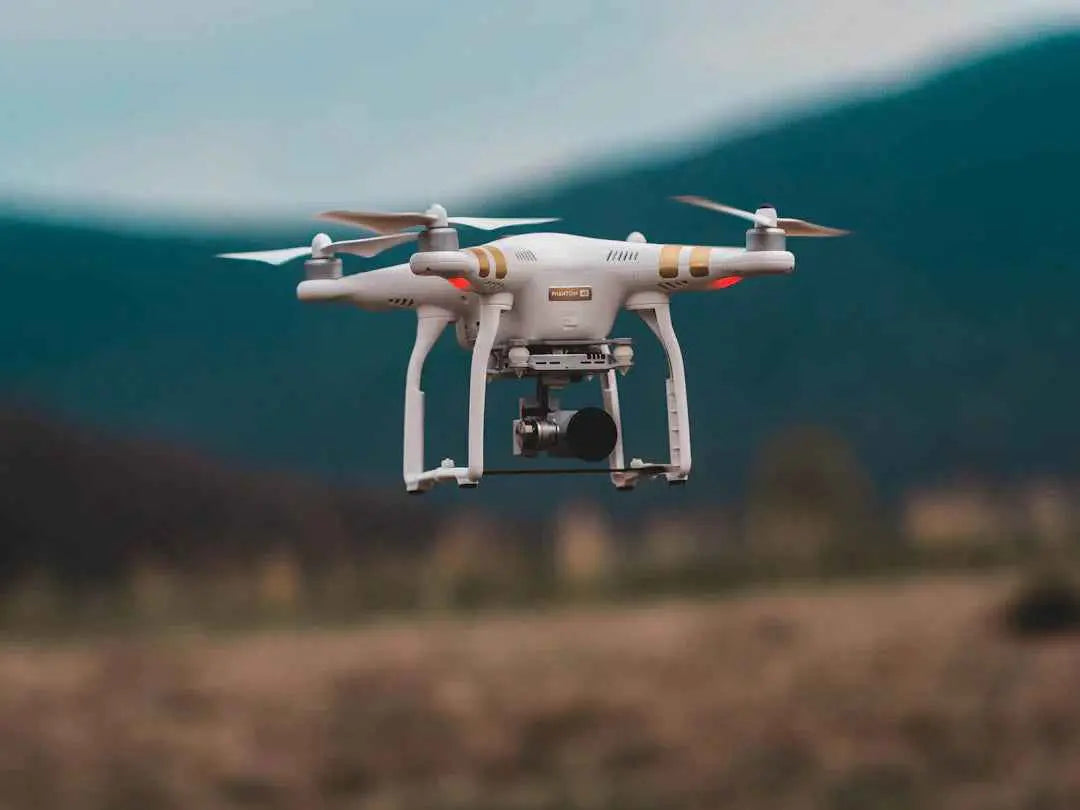
The introduction of quadcopters and multirotors revolutionized the drone market. Their comparatively simple designs and improved stability made them suitable for various applications, from agriculture to aerial photography.
The advent of consumer-friendly drones marked a significant turning point in the industry. Brands began to offer multifunctional drones equipped with high-definition cameras, paving the way for enthusiasts and professionals alike to capture breathtaking aerial shots. The high-quality imaging capabilities of the 4K drone played a pivotal role in this transformation, allowing anyone to produce stunning content.
The Rise of the 4K Drone
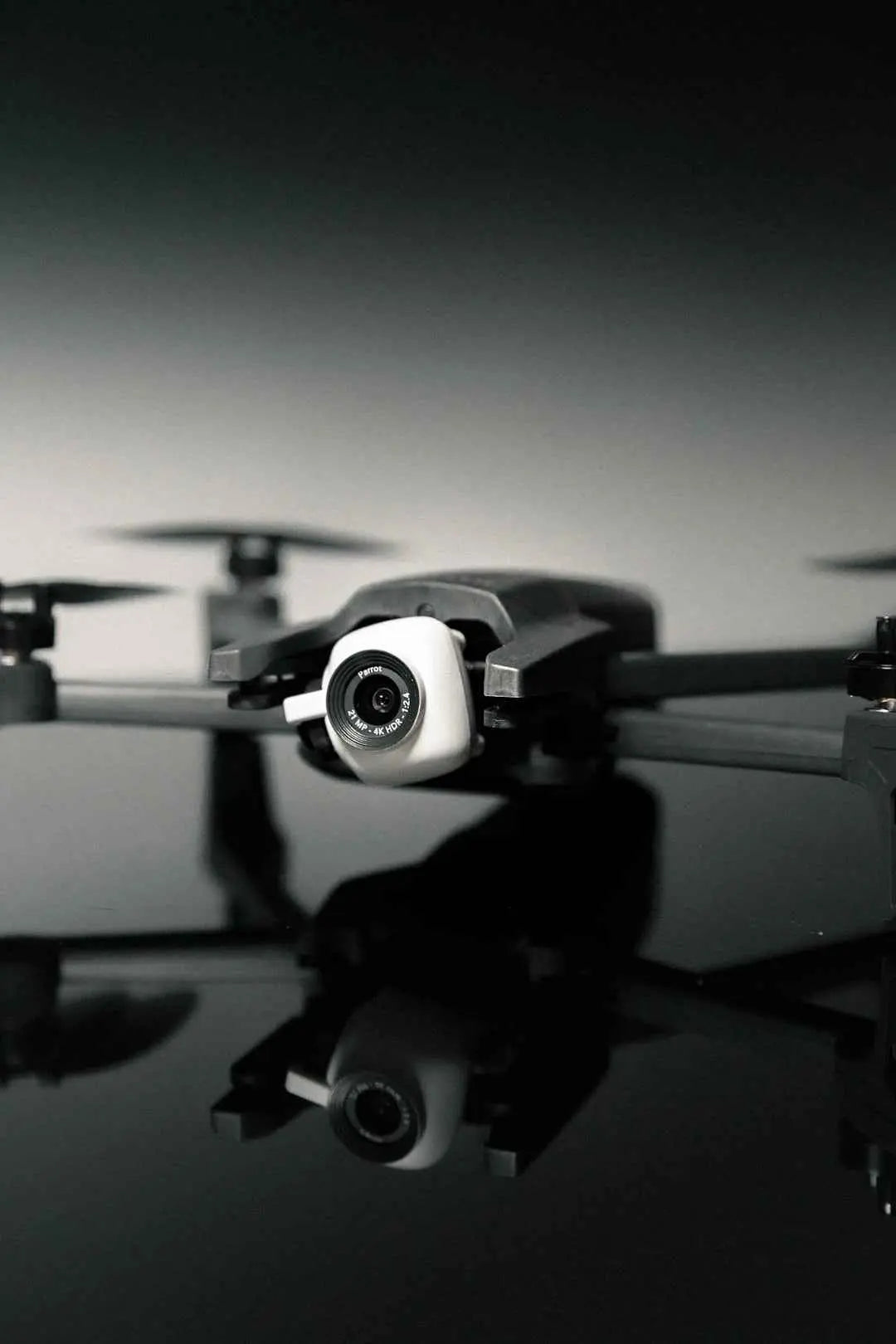
In the past decade, the introduction of the 4K drone has further solidified the integration of aerial technology across various sectors. These drones not only provide high-resolution video quality but also enhance user experience by combining affordability and accessibility.
Impact on Media and Content Creation
The 4K drone has opened new opportunities in fields such as filmmaking, advertising, and social media content creation. The vibrant imagery allows filmmakers to capture cinematic shots without the need for cumbersome equipment. Plus, the affordability of these drones enables aspiring creatives to explore aerial cinematography.
Benefits in Agriculture and Infrastructure
Drones equipped with 4K cameras are not limited to artistic expression. In agriculture, they facilitate efficient crop monitoring and management. Farmers can capture extensive aerial imaging to track crop health, plan irrigation, and assess land productivity. Similarly, in infrastructure, 4K drones assist in inspections, offering comprehensive overviews of difficult-to-reach places.
The Role of Regulations and Safety
As drone usage continues to grow, the significance of regulations and safety cannot be understated. Agencies worldwide are developing frameworks to manage drone operations while ensuring safety in the skies.
Understanding Drone Regulations
In the United States, the Federal Aviation Administration (FAA) governs the use of UAVs. They have established rules for drone flying, including registration requirements and operational limits such as altitude restrictions. As the drone market diversifies with products like the 4K drone, these regulations are essential to maintaining airspace safety.
Safety Measures and Best Practices
Drone operators must be trained and aware of safety practices. Best practices include pre-flight checks, understanding weather conditions, and respecting other people's privacy. In addition, users of 4K drones must secure permission when capturing sensitive areas or events.
The Future of Drones
The current trajectory indicates that drones will become even more integrated into daily life. The advancements in artificial intelligence, machine learning, and new materials indicate significant changes ahead.
Technological Advancements
With the continual evolution of technology, we can expect drones to feature autonomous flying capabilities, improved batteries for longer flight time, and even more sophisticated imaging technology than the already impressive 4K drone capabilities.
Integration with Emerging Technologies
Furthermore, the integration of drones with other emerging technologies, such as Internet of Things (IoT), presents exciting opportunities. Drones may soon work in conjunction with smart devices, leading to pathways that enhance logistics and inventory management across numerous sectors.
Community and Collaboration
The drone community is fostering collaboration among enthusiasts, developers, and researchers. Many online forums and social media groups exist for sharing information and innovative ideas. Educational platforms allow those interested in UAV technology to expand their knowledge and skills.
Support from Educational Institutions
With more universities and educational programs highlighting drone technology, the workforce is evolving. Institutions are offering courses that cover aerodynamics, flight operation, data analysis, and drone design. The focus on these areas ensures that future innovators will continue to push the limits of what drones can achieve.
The Growing Drone Industry
The drone industry's growth is also resulting in numerous job opportunities. From engineers to pilots, new pathways are emerging. The expansion of sectors utilizing 4K drones will further drive the demand for skilled professionals, making it an increasingly attractive field to enter.
Unleashing Creativity with Drones
Drones have unlocked a treasure trove of creative possibilities. From breathtaking aerial shots to innovative marketing campaigns, the potential is limitless. The fusion of creativity and technology continues to generate fresh content that captivates audiences. With tools like the 4K drone at our disposal, the art of storytelling has reached new heights.
Inspiring Future Generations
The story of drones is one of creativity, innovation, and progress. As we continue to explore this transformational technology, it is essential to communicate its benefits to future generations. Whether through education, community initiatives, or social platforms, the message must resonate — drones have the power to change our world.
The Endless Sky: Embracing the Future
As we conclude our journey through the history of drones, it's clear that their evolution is far from over. The combination of cutting-edge technology, innovative applications, and a passionate community ensures an exciting future ahead. So take to the skies, explore new horizons, and embrace the incredible capabilities of drones — the sky is truly the limit!
Frequently Asked Questions
1. What are drones and how have they evolved over time?
Drones, or unmanned aerial vehicles (UAVs), have evolved from military tools used for reconnaissance in World War I to essential devices used across various industries today, including agriculture and content creation.
2. What was the significance of the Kettering Bug in drone history?
The Kettering Bug was the first UAV funded by the U.S. military during World War I, marking the beginning of drone technology, despite it never being operational.
3. How have 4K drones impacted aerial photography and videography?
4K drones have revolutionized aerial photography and videography by providing high-resolution video quality, making it accessible and affordable for both enthusiasts and professionals.
4. What regulations govern drone usage in the United States?
In the United States, the Federal Aviation Administration (FAA) regulates drone operations, including registration requirements and altitude restrictions to ensure safety in the airspace.
5. What is the future outlook for drone technology and its applications?
The future of drones is promising, with advancements in AI, machine learning, and integration with emerging technologies likely to enhance their capabilities and applications across various sectors.
Glossary
Term Meaning Drones Unmanned aerial vehicles used for various applications. UAVs Unmanned Aerial Vehicles; another term for drones. 4K Drone A drone capable of capturing high-resolution 4K video. Quadcopter A drone with four rotors, known for stability and ease of use. FAA Federal Aviation Administration; regulates drone operations in the U.S. Crop Monitoring Using drones to assess the health and productivity of crops. Aerial Photography Capturing images from an elevated perspective using drones. Regulations Rules governing the safe operation of drones in airspace. Autonomous Flying Drones that can fly without human intervention using AI. Community Collaboration Engagement among drone enthusiasts for knowledge sharing.
Linked Product

AeroVigil M4 Pro Foldable 4K Drone
The AeroVigil M4 Pro Foldable 4K Drone offers a combination of precision and portability, making it ideal for creators, inspectors, and enthusiasts. Its lightweight, foldable design and advanced features, such as tri-directional obstacle sensing and a dual-lens 4K camera, enhance both safety and imaging capabilities during flight. With a flight time of up to 35 minutes and smart modes for automated shooting, this drone is well-suited for a variety of aerial photography and inspection tasks.
View Product