The Benefits of Utilizing Drones for Delivery Services
Overview
Drone delivery services are rapidly transforming logistics by offering faster, cost-effective, and environmentally friendly solutions. With advancements in technology, drones are increasingly used for various applications, including healthcare, retail, and construction. While they present challenges like regulatory hurdles and weather impacts, the future looks promising with innovations in battery technology and autonomous operations. Businesses adopting drone delivery can enhance customer satisfaction and reduce operational costs.
Table of Contents
- Understanding Drone Delivery Services
- The Rise of Drones in Delivery Services
- Key Benefits of Drone Delivery
- How Drones are Transforming Logistics
- Improving Delivery Efficiency
- Reducing Delivery Costs
- Rapid Deployment of Services
- Drones in Specialized Delivery Sectors
- Regulations and Challenges
- Understanding Regulatory Requirements
- Navigating Challenges
- Future Innovations in Drone Delivery Services
- Joining the Drone Delivery Revolution
As the world continues to evolve through technology, drone delivery services are fast becoming an innovative solution in various industries. With advancements in commercial drones and their growing popularity, businesses are exploring new ways to streamline their delivery methods. This article explores the numerous benefits of using drones for delivery services, how they are transforming the logistics landscape, and their future potential.
Understanding Drone Delivery Services
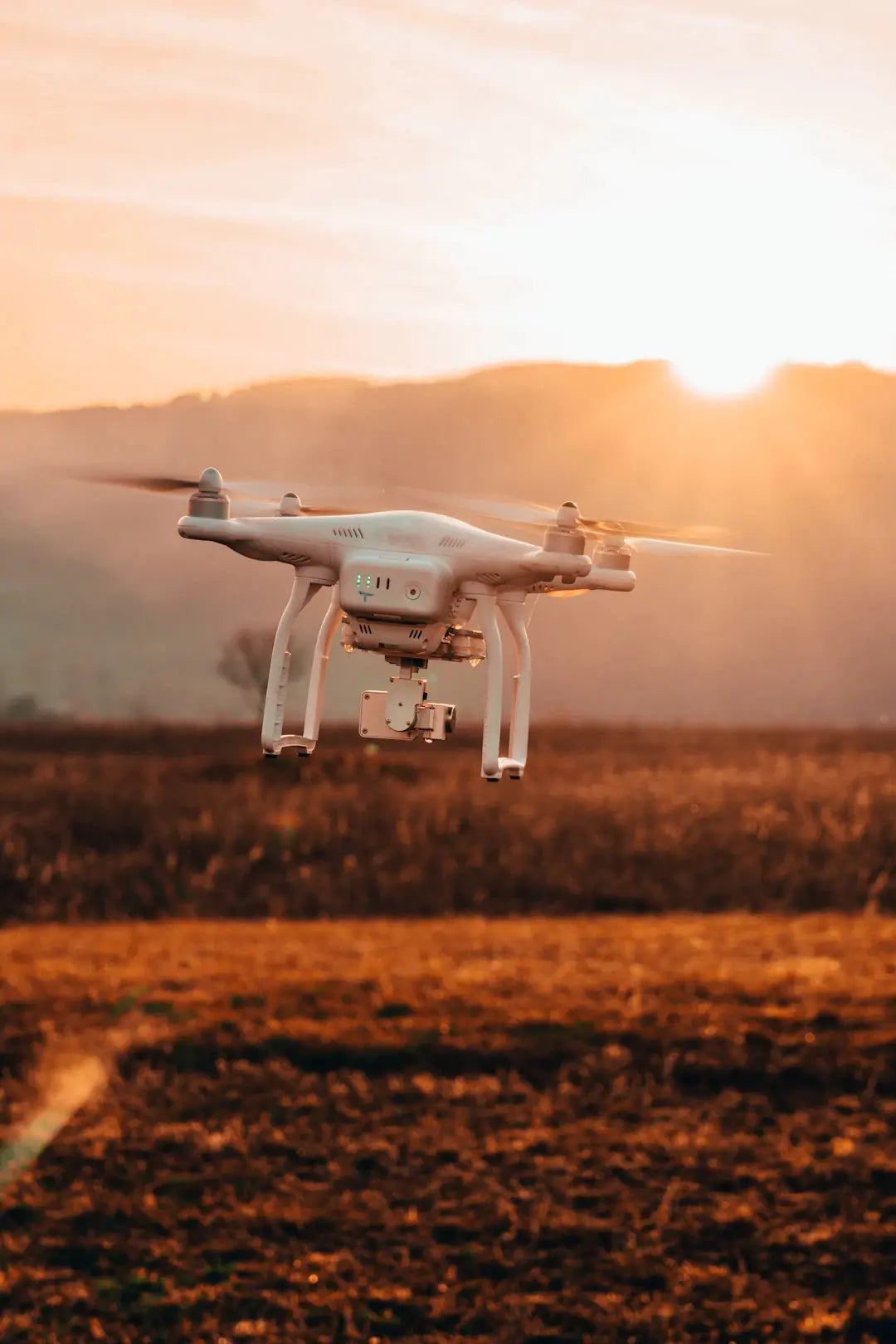
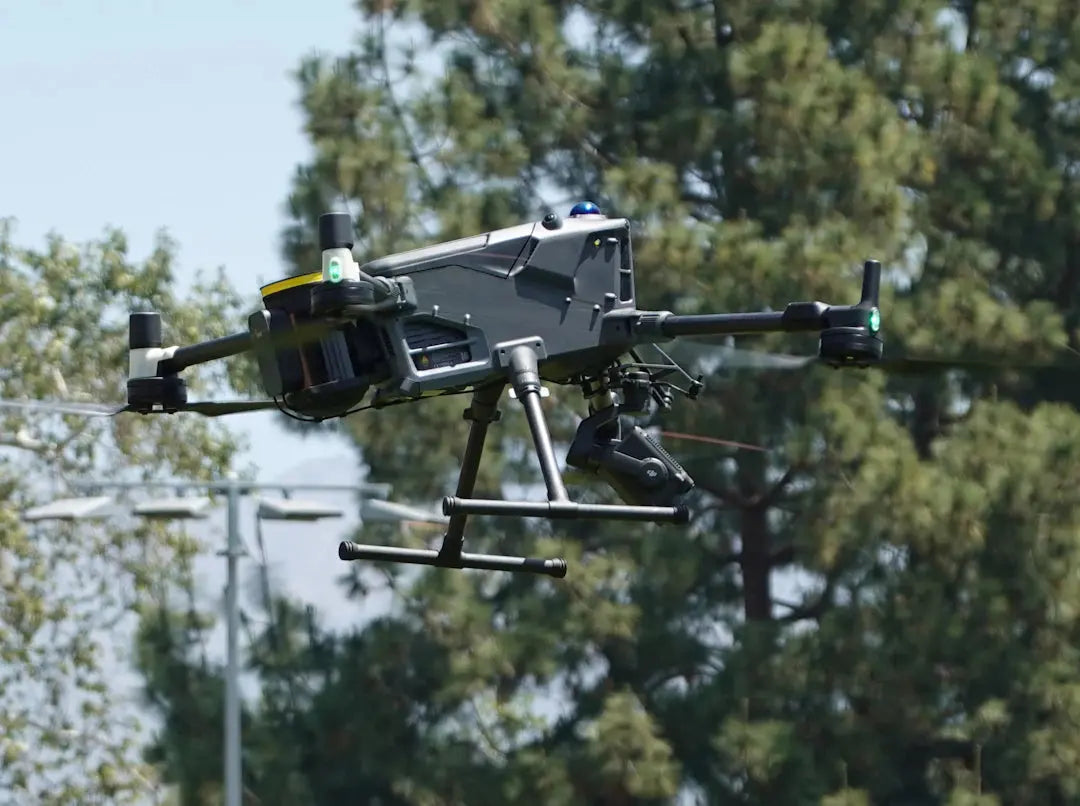
Drone delivery services utilize unmanned aerial vehicles (UAVs) to transport goods from one location to another. These services harness the power of commercial drones, which are designed for various applications including logistics, photography, and thermal inspections. With the increasing demand for faster delivery, particularly in urban settings, using drones presents a viable option to meet those needs efficiently.
The Rise of Drones in Delivery Services
The commercial use of drones began to gain significant traction in the last decade. Various companies have trialed and implemented drone delivery systems, paving the way for broader acceptance. Advances in technology have delivered improved flight capabilities, robust safety features, and optimized navigation systems that enhance the reliability of drone deliveries.
Key Benefits of Drone Delivery
Implementing drone delivery services brings forth an array of benefits that cater to both businesses and consumers alike. Below are some critical advantages:
- Speed: Drones can significantly reduce delivery times, capable of delivering packages in a fraction of the time compared to traditional delivery methods.
- Cost-Effectiveness: Drones operate at a lower cost than traditional delivery vehicles, reducing overall logistics expenses for businesses.
- Access to Remote Areas: Drones can reach hard-to-access locations, delivering directly to customers who may otherwise experience delays.
- Environmental Impact: Drones are more energy-efficient, producing fewer emissions than traditional delivery vehicles, contributing to greener logistics.
- Enhanced Customer Experience: With faster delivery times, customer satisfaction levels are likely to rise, resulting in repeat business.
How Drones are Transforming Logistics
In the logistics sector, drones are redefining how businesses operate. Here’s how:
Improving Delivery Efficiency
Traditional delivery logistics are often hindered by traffic congestion, inclement weather, and varying customer availability. Drones bypass these obstacles by flying directly to the destination, ensuring a high level of efficiency. The streamlined process allows businesses to handle a higher volume of deliveries per day without compromising on quality.
Reducing Delivery Costs
When accounting for fuel, maintenance, and labor costs associated with traditional delivery methods, utilizing commercial drones can lead to substantial savings. Drones require minimal maintenance, consume less power, and eliminate the need for drivers, significantly lowering overhead costs.
Rapid Deployment of Services
In emergency situations or during pandemics, drone services can be rapidly deployed for urgent deliveries. Medical supplies, food, or essential goods can be delivered swiftly and precisely, demonstrating drones' capacity to support critical needs during crises.
Drones in Specialized Delivery Sectors
While general delivery usage is burgeoning, certain sectors leverage drone delivery with specialized applications:
| Sector | Drone Application | Example Uses |
|---|---|---|
| Healthcare | Medical Drone Delivery | Delivering vaccines, blood samples, and medications |
| Retail | Parcel Delivery | Delivering consumer goods directly to customers |
| Construction | Material Supply | Transporting tools and materials to remote job sites |
| Inspection | Thermal Inspection Drone | Conducting inspections for equipment and infrastructure |
Regulations and Challenges
As promising as drone delivery services are, they do face regulatory challenges. Governments around the world are implementing rules to ensure safety, privacy, and airspace management.
Understanding Regulatory Requirements
Businesses looking to implement drone delivery must comply with regulations set forth by aviation authorities. This often includes obtaining necessary permits, ensuring pilot certifications, and adhering to flight zone restrictions to maintain safety standards.
Navigating Challenges
Despite their advantages, drone deliveries are not without their challenges. Weather conditions can impact flight reliability, while battery life and payload capacity currently limit the range and volume of items that can be delivered. Additionally, public acceptance and trust in drone technology are ongoing hurdles that must be addressed.
Future Innovations in Drone Delivery Services
The future for drone delivery services looks bright, with continuous innovations on the horizon. Here are a few anticipated advancements:
- Improved Battery Technologies: Innovations can lead to longer flight times and greater payload capacities, making drones even more effective for delivery.
- Autonomous Flights: Enhancements in AI and machine learning may allow drones to operate autonomously with minimal human intervention.
- Integration with E-commerce: Seamless adaptation into e-commerce platforms will facilitate smoother ordering and delivery processes.
- Advanced Safety Measures: The development of more advanced safety systems will decrease risks associated with drone operations.
Joining the Drone Delivery Revolution
The benefits of incorporating drone delivery services are clear. By investing in this innovative technology, businesses can stay ahead of the curve, providing enhanced service while reducing operational expenditures. As the commercial use of drones continues to expand, those who adapt early will reap the rewards.
No longer an idea reserved for the future, drone delivery services are swiftly becoming a reality. As technology progresses, these aerial solutions may redefine logistics and supply chain management, empowering businesses and delighting customers.
Key Takeaways
- Speed: Drones can deliver packages significantly faster than traditional methods, enhancing efficiency.
- Cost-Effectiveness: Operating drones reduces logistics costs due to lower fuel and maintenance expenses.
- Access to Remote Areas: Drones can reach difficult locations, ensuring timely deliveries to underserved customers.
- Environmental Impact: Drones produce fewer emissions, contributing to more sustainable logistics practices.
- Improved Delivery Efficiency: Drones navigate obstacles like traffic and weather, optimizing delivery processes.
- Rapid Deployment: Drones can be quickly mobilized for urgent deliveries during emergencies or crises.
- Future Innovations: Advances in technology promise enhanced battery life, autonomous flights, and improved safety measures.
Pros and Cons
| Advantages of Drone Delivery Services | Drawbacks of Drone Delivery Services |
|---|---|
| Significantly reduces delivery times. | Weather conditions can affect flight reliability. |
| Lower operational costs compared to traditional delivery methods. | Limited battery life and payload capacity. |
| Access to remote and hard-to-reach areas. | Regulatory challenges and compliance requirements. |
| More environmentally friendly with fewer emissions. | Public acceptance and trust in technology are ongoing hurdles. |
| Enhances customer satisfaction through faster service. | Potential risks associated with safety and airspace management. |
Linked Product

DJI Mavic 3 Enterprise Drone
The DJI Mavic 3 Enterprise Drone is designed for efficient commercial use, featuring a mechanical shutter and a 56x zoom camera that enhance mapping and inspection capabilities. Its compact design allows for easy transport and quick deployment, making it suitable for both novice and experienced pilots. With advanced features like RTK precision and thermal imaging options, the Mavic 3 Enterprise is ideal for applications such as search and rescue, firefighting, and detailed inspections.
View ProductWho It's For (And Not For)
Who It's For
- Businesses Seeking Efficiency: Companies looking to streamline their delivery processes and reduce operational costs will greatly benefit from implementing drone delivery services.
- Urban Retailers: Retailers in urban areas where quick delivery is crucial can leverage drones to meet customer demands for faster service.
- Healthcare Providers: Organizations in the healthcare sector that require rapid delivery of medical supplies and equipment can utilize drones for timely service.
- Environmental Advocates: Businesses aiming to reduce their carbon footprint will find drone delivery to be a more energy-efficient option compared to traditional vehicles.
Who It's Not For
- Businesses in Rural Areas: Companies located in remote regions where drone access is limited may not benefit from drone delivery services due to logistical challenges.
- Organizations with Heavy Payloads: Businesses that require the transport of large or heavy items may find current drone technology insufficient for their needs.
- Companies Unprepared for Regulation: Businesses unwilling to navigate the regulatory landscape surrounding drone operations may face significant barriers to implementation.
- Customers Lacking Trust: Consumers who are skeptical about drone technology or have privacy concerns may not embrace drone delivery services.
Frequently Asked Questions
1. What are drone delivery services?
2. What are the main benefits of using drones for delivery?
3. How do drones improve logistics efficiency?
4. What challenges do drone delivery services face?
5. What future innovations can we expect in drone delivery services?
Glossary
| Term | Meaning |
|---|---|
| Drone Delivery Services | Utilization of drones to transport goods directly to customers. |
| UAV | Unmanned Aerial Vehicle used for various applications. |
| Cost-Effectiveness | Lower operational costs compared to traditional delivery methods. |
| Environmental Impact | Reduced emissions and energy consumption from drone usage. |
| Delivery Efficiency | Improved speed and reliability in delivering packages. |
| Regulatory Requirements | Rules set by authorities for safe drone operations. |
| Autonomous Flights | Drones operating with minimal human intervention. |
| Battery Technologies | Innovations that enhance flight duration and payload capabilities. |
| Specialized Delivery Sectors | Industries using drones for specific delivery needs. |