Your Guide to Soaring High: How to Get Started with Drone Flying
Overview
Get started with drone flying by understanding the basics, choosing the right type for your needs, and learning essential flying skills. Familiarize yourself with drone components, safety regulations, and best practices. Enhance your experience with upgrades and stay informed through resources like forums and tutorials. Happy flying!
Table of Contents
- Understanding the Basics of Drone Flying
- Choosing the Right Drone for Your Needs
- Essential Components of a Drone
- 1. Frame
- 2. Flight Controller
- 3. Propellers
- 4. Motors
- 5. Battery (Including Smart Battery)
- Learning to Fly Your Drone
- 1. Start Indoors
- 2. Master the Basic Controls
- 3. Utilize Flight Simulators
- 4. Learn About Flight Modes
- 5. Always Check the Weather Conditions
- Safety First: Regulations and Best Practices
- Upgrading Your Drone Experience
- 1. Additional Batteries
- 2. Gimbals and Stabilizers
- 3. FPV Goggles
- 4. Smartphone Apps
- 5. Adjust Your Camera Settings
- Resources for Drone Aficionados
- Embarking on Your Drone Adventures
Are you ready to take to the skies and explore the thrilling world of drone flying? Whether you’re a tech enthusiast, a budding filmmaker, or simply looking to have some fun, drones offer limitless possibilities. In this comprehensive guide, we'll walk you through everything you need to know to get started with drone flying, including insights on smart batteries and the best underwater drone cameras.
Understanding the Basics of Drone Flying
Before you start piloting your very own drone, it's crucial to understand some foundational concepts. Here are the main categories of drones:
- Hobby Drones: Developed for leisure and recreational use.
- Racing Drones: High-speed machines designed for competitive flying.
- Camera Drones: Equipped with advanced cameras for aerial photography and videography.
- Underwater Drones: Specialized for underwater exploration and observation.
Choosing the Right Drone for Your Needs
With various types of drones available, selecting the right one for your needs is crucial. Here’s a quick comparison table to help you decide:
| Type of Drone | Best For | Price Range | Special Features |
|---|---|---|---|
| Hobby Drones | Recreation | Under $500 | Easy to fly, beginner-friendly |
| Racing Drones | Competitive Racing | Varies, typically $200 - $2,000 | High speed, agility |
| Camera Drones | Aerial Photography | $500 - $3,000+ | High-resolution cameras, stabilization |
| Best Underwater Drone Cameras | Underwater Exploration | $1,000 - $4,000 | Submersible, remote control |
Essential Components of a Drone
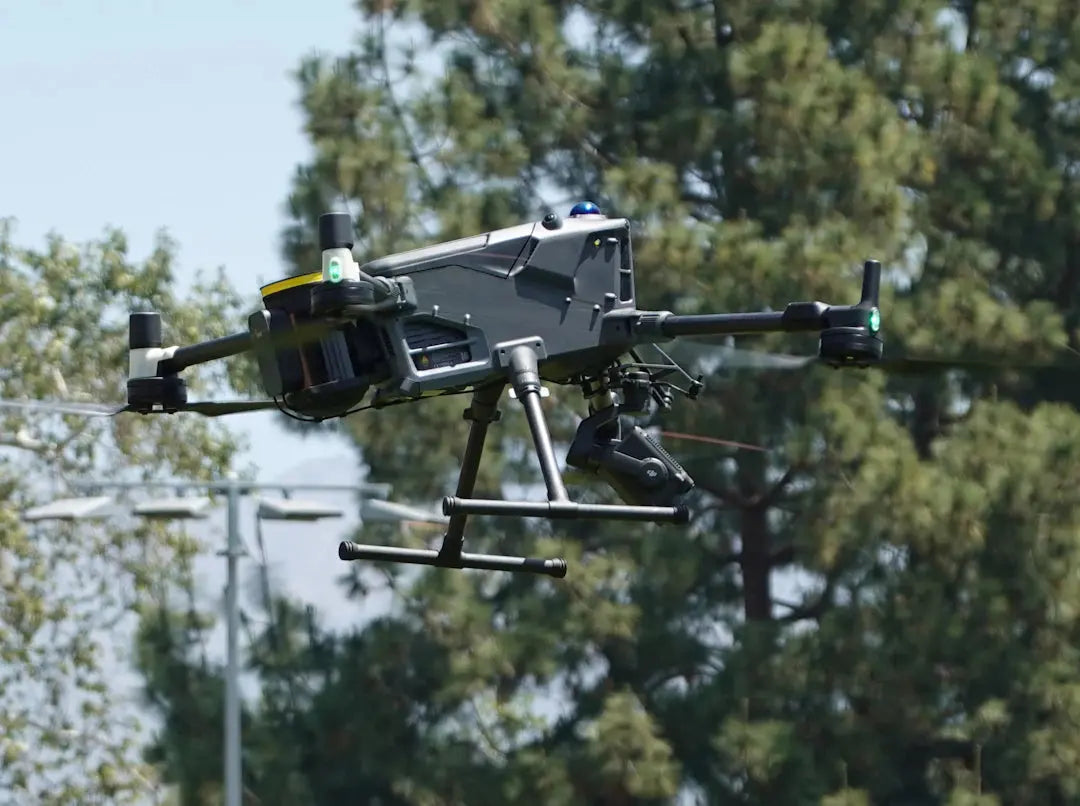
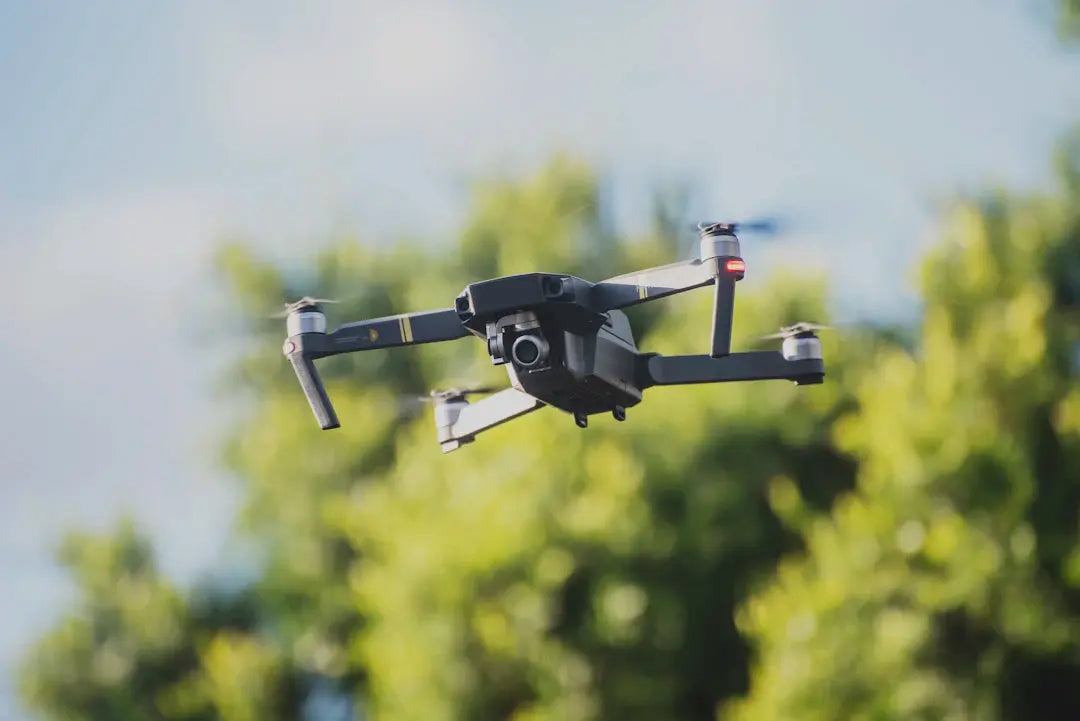
Every drone comprises several essential components. Familiarizing yourself with these parts will enhance your flying experience and maintenance skills:
1. Frame
The frame is the structure that holds all the components together. It's essential for stability and durability.
2. Flight Controller
This is the brain of your drone. It processes information from the sensors and keeps the drone stable during flight.
3. Propellers
Propellers are crucial for generating lift and control. The size and type of propeller can impact flight performance.
4. Motors
Powerful motors drive the propellers. The motor type and size directly influence flight performance and speed.
5. Battery (Including Smart Battery)
The battery supplies power to all components. Smart batteries have built-in technology that helps in monitoring power levels and optimizing performance, ensuring you always have enough energy for your flight.
Learning to Fly Your Drone
Once you've selected your drone and understood its components, it's time to learn how to fly it. Here are some beginner tips to get you started:
1. Start Indoors
Begin practicing in a controlled indoor environment to develop your flying skills without the challenges that outdoor conditions can present.
2. Master the Basic Controls
Familiarize yourself with the remote control. Practice moving the drone up, down, left, and right. Use gentle inputs to avoid crashes.
3. Utilize Flight Simulators
Flight simulators can be a great way to practice flying without any risk to your drone. Many apps and online platforms offer realistic flying experiences.
4. Learn About Flight Modes
Many drones come with different flight modes such as GPS mode, altitude hold, and sport mode. Understanding when to use each mode will help you fly more efficiently.
5. Always Check the Weather Conditions
Windy or rainy weather can significantly affect your drone's performance. Always check the forecast before flying.
Safety First: Regulations and Best Practices
Flying a drone comes with responsibilities. To keep yourself and others safe, here are some essential regulations and best practices:
- Register Your Drone: In many regions, drones over a specific weight must be registered with aviation authorities.
- Know the No-Fly Zones: Familiarize yourself with places where flying is prohibited, such as near airports or crowded areas.
- Keep Your Drone in Sight: Always maintain a visual line of sight with your drone while flying.
- Respect Privacy: Avoid flying over private property without permission.
- Follow Local Laws: Be aware of your local drone regulations and stay informed about any changes.
Upgrading Your Drone Experience
Enhancing your drone experience can be done through various upgrades and accessories. Check out some of the following options:
1. Additional Batteries
Investing in spare batteries can significantly extend your flying time, allowing you to do more with your drone on any given day.
2. Gimbals and Stabilizers
For those interested in aerial photography, adding a gimbal can provide smoother, more professional-looking footage.
3. FPV Goggles
First-Person View (FPV) goggles can immerse you in the flying experience, giving you the sensation of being in the cockpit.
4. Smartphone Apps
Many drones have companion apps that offer additional features like real-time telemetry, waypoint navigation, and access to exclusive content or settings.
5. Adjust Your Camera Settings
Learn to change your camera settings to optimize for various environments, especially if you're using one of the best underwater drone cameras for breathtaking underwater shots.
Resources for Drone Aficionados
Staying up-to-date with the latest trends, tutorials, and drone regulations is essential for any drone enthusiast. Here are some valuable resources:
- Online Forums: Communities like DronesXchange or the Drone U offer a wealth of shared knowledge.
- YouTube Channels: Channels dedicated to drone reviews, tutorials, and flying tips can be incredibly helpful.
- Drone Events: Attending local drone meet-ups or racing events can enhance your skills and introduce you to like-minded individuals.
- Blogs and Newsletters: Subscribe to reputable drone blogs to receive updates on the latest drone technologies and regulations.
Embarking on Your Drone Adventures
Your journey into the exciting world of drone flying awaits! With the right preparation, equipment, and knowledge, you're well on your way to capturing stunning aerial images, exploring landscapes from above, and enjoying the thrill of flight. Remember to always fly responsibly, respect others' privacy, and follow all regulatory guidelines.
As you take off into the sky, don’t forget to leverage innovations like smart batteries to extend your adventures and consider exploring the depths with the best underwater drone cameras for extraordinary underwater experiences. Embrace your new venture, and happy flying!
Key Takeaways
- Understand Drone Categories: Familiarize yourself with the main types of drones: hobby, racing, camera, and underwater drones.
- Choose the Right Drone: Select a drone based on your needs, considering factors like purpose, price range, and special features.
- Learn Essential Components: Know the key parts of a drone, including the frame, flight controller, propellers, motors, and battery.
- Practice Flying Techniques: Start indoors, master basic controls, utilize flight simulators, and understand different flight modes.
- Follow Safety Regulations: Register your drone, know no-fly zones, maintain visual contact, respect privacy, and stay informed on local laws.
- Upgrade Your Experience: Enhance your drone use with additional batteries, gimbals, FPV goggles, and smartphone apps.
- Stay Informed: Engage with online forums, YouTube channels, drone events, and subscribe to blogs for the latest trends and regulations.
Pros and Cons
| Advantages of Drone Flying | Drawbacks of Drone Flying |
|---|---|
| Offers limitless possibilities for creativity and exploration. | Can be expensive, especially for high-quality models. |
| Provides opportunities for aerial photography and videography. | Requires understanding of regulations and safety practices. |
| Enhances skills through practice and technology (e.g., flight simulators). | Weather conditions can significantly affect flying performance. |
| Community support through online forums and events. | Maintenance and upgrades can be time-consuming and costly. |
| Fun and engaging hobby for tech enthusiasts and adventurers alike. | Potential privacy concerns when flying over private property. |
Linked Product

HOVERAir X1 PRO Smart Battery
The HOVERAir X1 PRO Smart Battery offers a capacity of 1920 mAh, allowing for up to 16 minutes of flight time. Its intelligent Battery Management System (BMS) optimizes battery health and enhances lifespan, while safety features like overcharge protection and short-circuit protection ensure safe usage and storage. This battery is designed to provide reliable power for your drone flying experience.
View ProductWho It's For (And Not For)
Who It's For
- Tech Enthusiasts: If you love gadgets and technology, drone flying will be an exciting hobby for you.
- Budding Filmmakers: Those interested in capturing stunning aerial footage will find camera drones particularly beneficial.
- Adventure Seekers: If you enjoy exploring new environments, underwater drones will enhance your adventures.
- Competitive Individuals: Racing drones are perfect for those who thrive on speed and competition.
- Beginners: If you're new to flying, hobby drones are designed to be beginner-friendly and easy to operate.
Who It's Not For
- People Seeking Simplicity: If you prefer low-maintenance hobbies that don’t require much technical knowledge, drone flying may not be for you.
- Individuals with Limited Time: Those who cannot dedicate time to learn and practice flying may find drones frustrating.
- Environmental Concerns: If you are uncomfortable with the idea of flying over natural habitats or private properties, this hobby may not align with your values.
- Budget-Conscious Shoppers: Drones can be expensive, and if you're on a tight budget, you might want to reconsider.
- Those Uninterested in Technology: If you don’t enjoy learning about new tech or gadgets, drone flying might not be appealing.
Frequently Asked Questions
1. What are the main categories of drones?
2. What should I consider when choosing a drone?
3. What are some beginner tips for learning to fly a drone?
4. What regulations should I follow when flying a drone?
5. How can I enhance my drone flying experience?
Glossary
| Term | Meaning |
|---|---|
| Hobby Drones | Drones designed for recreational use. |
| Racing Drones | High-speed drones built for competitive racing. |
| Camera Drones | Drones equipped with cameras for photography and videography. |
| Underwater Drones | Drones designed for exploring underwater environments. |
| Flight Controller | The drone's brain that stabilizes flight. |
| Propellers | Components that generate lift for the drone. |
| Smart Battery | A battery with technology to optimize power usage. |
| FPV Goggles | Goggles that provide a first-person view while flying. |
| Flight Simulators | Apps or programs to practice flying without risk. |
| No-Fly Zones | Areas where drone flying is prohibited. |