Navigate the Skies: Key Legal Considerations for Drone Use
Overview
Drones are revolutionizing various industries, but operating them comes with legal responsibilities. Key considerations include obtaining FAA Part 107 certification for commercial use, registering drones over 0.55 pounds, understanding airspace restrictions, and adhering to privacy laws. Insurance is essential for risk management, and flight planning must ensure compliance with regulations. Regular maintenance and awareness of evolving laws are crucial for safe drone operation.
Table of Contents
- Understanding Regulatory Frameworks
- Privacy Laws and Drone Usage
- Local and State Regulations
- Insurance: A Safety Net for Drone Operators
- Flight Planning: Ensuring Compliance With Legal Parameters
- Technical Compliance: Maintenance of Equipment
- Drones for Commercial Use: Additional Considerations
- Operational Limitations
- Future of Drone Regulations
- Thriving in the New Drone Economy
Drones have transformed industries, offering new, innovative solutions for a wide range of applications from filmmaking to agriculture. However, as the use of these advanced flying machines increases, so do the legal considerations that come with operating them. This post will guide you through the essential legal aspects of drone operations, ensuring you stay compliant while enjoying the full potential of your drone, whether you’re utilizing an EVO II Pro Enterprise Bundle or any cinematic drone camera.
Understanding Regulatory Frameworks
Before you take to the skies, it's crucial to understand the local, national, and even international regulations that govern drone usage. The Federal Aviation Administration (FAA) in the United States sets the standard for drone operations. Here are the main regulations you need to be aware of:
- Part 107 Certification: If you plan to use your drone for commercial purposes, you will need to obtain a Part 107 certification by passing a knowledge test about regulations, air space, weather, and drone operation.
- Registration: All drones weighing more than 0.55 pounds must be registered with the FAA. Registration lasts for three years and comes with a small fee.
- Airspace Restrictions: Familiarize yourself with the types of airspace around you. Some areas, like near airports or military installations, have significant restrictions.
Privacy Laws and Drone Usage
Privacy is a significant concern when operating drones. Depending on where you fly, there may be laws regarding where and how high you can fly your drone, especially in residential areas. Here are some privacy considerations:
Local and State Regulations
While the FAA regulates airspace, individual states or municipalities may have their rules concerning privacy and drone usage. Here’s what to keep in mind:
| State/Local Law | Key Considerations |
|---|---|
| California | Strict laws against invasion of privacy, especially in residential areas. |
| Texas | Specific laws prevent capturing images or recordings of individuals without permission. |
| Florida | Public perception matters; clear public intent may be required. |
Insurance: A Safety Net for Drone Operators
Just like cars and other vehicles, drones can also lead to accidents. Being adequately insured is an essential aspect of legal compliance and risk management. Here’s what you should consider regarding insurance:
- General Liability Insurance: Protects you in the event of property damage or bodily injury caused by your drone.
- Hull Insurance: Covers loss or damage to your drone, helping you mitigate financial loss if your drone is damaged or lost.
- Payload Insurance: If you're carrying valuable equipment—like a cinematic drone camera—you should ensure that it is insured against potential accidents.
Flight Planning: Ensuring Compliance With Legal Parameters
Successful drone operations require diligent planning to ensure compliance with all relevant regulations. Consider the following steps as part of your flight planning:
- Check Airspace: Always verify the airspace classification before you fly. Tools like the FAA’s B4UFLY app can help you check flight restrictions in real-time.
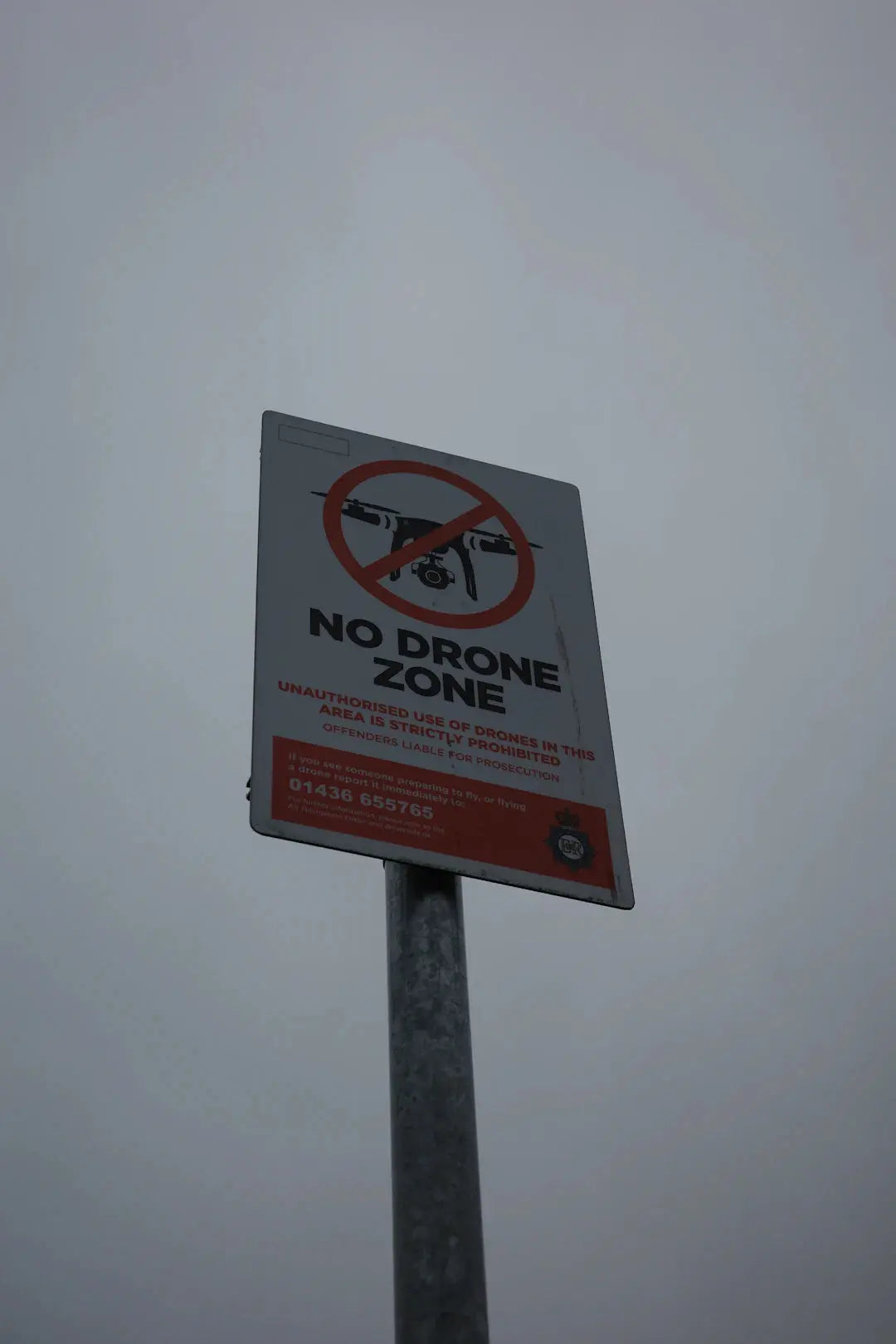
- Identify No-Fly Zones: Understand where you are legally prohibited from flying, such as national parks, schools, and areas near critical infrastructure.
- Maintain Visual Line of Sight: Ensure you can see your drone at all times while flying, as required by FAA regulations.
Technical Compliance: Maintenance of Equipment
The maintenance and technical compliance of drone equipment fall under legal scrutiny as well. This applies to any device you’re flying, including your EVO II Pro Enterprise Bundle. Regular checking for airworthiness and ensuring all software is updated are crucial actions. Here are some technical considerations:
- Pre-Flight Checklist: Develop a pre-flight checklist that includes battery levels, camera functionality, GPS signal strength, and tampered components.
- Software Updates: Manufacturers regularly release firmware updates that can fix bugs or improve the drone's functionality.
- Battery Maintenance: Regularly inspect drone batteries for swelling or signs of wear and ensure they are charged based on the manufacturer’s specifications.
Drones for Commercial Use: Additional Considerations
For those looking to utilize drones commercially, there are additional regulatory requirements and licenses that must be obtained. Consider the following:
Operational Limitations
Commercial operators must adhere to specific limitations, including:
- Flying only during daylight hours unless specifically approved by the FAA.
- Prohibitions against flying over people unless the drone is equipped with specific safety measures.
- Maintenance of a minimum visibility requirement during flight.
Future of Drone Regulations
The landscape of drone regulations is constantly changing as technology advances and more stakeholders enter the arena. Here are some potential upcoming trends:
| Potential Trend | Description |
|---|---|
| Increased Autonomy | As drones become more autonomous, regulations will need to adapt to account for semi-automated and fully automated flights. |
| UAS Traffic Management | Development of UTM systems to manage increasing numbers of drones in shared airspace. |
| Remote Identification Regulations | New laws emerging to enhance tracking of UAVs in shared airspace will require identifying information to be transmitted. |
Thriving in the New Drone Economy
Navigating through the legal landscape of drone operations can be daunting, but it’s essential for a safe and legal flying experience. Whether you're using your drone for breathtaking aerial cinematography, like with a cinematic drone camera, or leveraging the functionalities of an EVO II Pro Enterprise Bundle, being aware and compliant with laws and regulations will not only protect your investment but also enhance your operational effectiveness.
Embrace the future of technology with a sense of responsibility and legal awareness. With the right approach, your drone can be a gateway to new opportunities and perspectives while ensuring you stay on the right side of the law. The sky is the limit—fly smart, fly safe!
Key Takeaways
- Understand Regulations: Familiarize yourself with FAA regulations, including obtaining a Part 107 certification for commercial use.
- Register Your Drone: All drones over 0.55 pounds must be registered with the FAA, valid for three years.
- Privacy Considerations: Be aware of local and state laws regarding privacy when operating drones, especially in residential areas.
- Insurance Coverage: Consider general liability, hull, and payload insurance to protect against potential accidents and losses.
- Flight Planning: Always check airspace classifications and identify no-fly zones before flying your drone.
- Technical Compliance: Maintain your drone's airworthiness with regular checks and software updates.
- Commercial Use Regulations: Adhere to operational limitations, including flying only during daylight and maintaining visibility requirements.
Pros and Cons
| Advantages of Drone Usage | Drawbacks of Drone Usage |
|---|---|
| Innovative solutions across various industries, enhancing efficiency. | Complex legal regulations can be challenging to navigate. |
| Ability to capture stunning aerial footage for filmmaking and marketing. | Privacy concerns may arise, leading to potential legal issues. |
| Commercial opportunities in sectors like agriculture and real estate. | Insurance and registration costs can add to operational expenses. |
| Advanced technology allows for increased automation and efficiency. | Maintenance requirements can be time-consuming and costly. |
| Facilitates data collection for research and environmental monitoring. | Airspace restrictions limit operational flexibility in certain areas. |
Linked Product

Autel Robotics EVO II Pro 6K Enterprise Bundle V3
The Autel Robotics EVO II Pro 6K Enterprise Bundle V3 is designed for versatile drone operations, featuring advanced capabilities such as the Moonlight Algorithm 2.0 for improved low-light shooting. Its Smart Controller V3 offers a bright display and stable HD video transmission over long distances, enhancing user experience in various weather conditions. With 360-degree obstacle avoidance and the ability to detect nearby manned aircraft, this drone prioritizes safety while providing flexibility for both aerial imaging and mapping applications.
View ProductWho It's For (And Not For)
Who It's For
- Commercial Operators: If you plan to use drones for business purposes, understanding legal requirements like Part 107 certification is essential.
- Aerial Filmmakers: Those interested in capturing stunning visuals will benefit from knowing the regulations to avoid legal issues.
- Agricultural Professionals: Using drones for crop monitoring requires compliance with specific regulations to ensure safe operations.
- Hobbyists: Individuals flying drones for leisure should still understand local laws to enjoy their hobby responsibly.
Who It's Not For
- Reckless Operators: If you have no intention of following regulations or prioritizing safety, drone flying is not suitable for you.
- Individuals Uninterested in Legal Compliance: Those who do not want to learn about the legal aspects of drone operation should reconsider using drones.
- Casual Users Without Responsibility: If you prefer a carefree approach without considering privacy and airspace laws, drones may not be for you.
- People Unwilling to Invest in Insurance: If you are not prepared to protect yourself and your equipment through insurance, you should avoid operating drones.
Frequently Asked Questions
1. What regulations govern drone operations in the United States?
2. Do I need insurance for my drone?
3. What should I include in my flight planning?
4. Are there privacy laws I need to be aware of when flying my drone?
5. What are the additional considerations for commercial drone use?
Glossary
| Term | Meaning |
|---|---|
| Drone | An unmanned aerial vehicle used for various applications. |
| FAA | Federal Aviation Administration, the governing body for U.S. drone regulations. |
| Part 107 Certification | A certification required for commercial drone operators in the U.S. |
| Airspace Restrictions | Regulations limiting where drones can be flown based on airspace type. |
| Privacy Laws | Regulations governing the use of drones in relation to individual privacy. |
| General Liability Insurance | Insurance protecting against damages or injuries caused by drone operations. |
| No-Fly Zones | Areas where drone flights are legally prohibited. |
| Pre-Flight Checklist | A list of checks to perform before flying a drone to ensure safety. |
| UAS Traffic Management | Systems being developed to manage drone traffic in shared airspace. |
| Remote Identification Regulations | Upcoming laws requiring drones to transmit identifying information. |