The Impact of Drones on Environmental Monitoring Today
Overview
Drones are transforming environmental monitoring by providing innovative solutions for wildlife conservation, climate data collection, and pollution tracking. Their ability to capture high-resolution images and gather data in real-time enhances decision-making and promotes sustainable resource management. As technology evolves, drones will play an even more critical role in protecting our ecosystems and addressing environmental challenges.
Table of Contents
- Understanding Drones in Environmental Monitoring
- The Importance of Environmental Monitoring
- Applications of Drones in Environmental Monitoring
- Wildlife Monitoring
- Habitat Assessment
- Soil and Water Conservation
- Forest Management
- Benefits of Using Drones for Environmental Monitoring
- Challenges in Implementing Drone Technology
- Regulatory Issues
- Data Management
- Maintenance and Technical Skills
- The Future of Drones in Environmental Conservation
- Encouraging Collaboration for Sustainable Solutions
- Governments
- Research Institutions
- Non-Governmental Organizations (NGOs)
- Private Sector
- Final Thoughts on Drones and Environmental Monitoring
As technology advances, the utilization of drones for environmental monitoring has revolutionized the way we assess and manage our ecosystems. From monitoring wildlife to assessing climate change impacts, drones have become invaluable tools in the realm of conservation and environmental protection. In this blog post, we'll delve into the critical role that drones play in environmental monitoring, how they enhance data collection and decision-making, and the future potential of these aerial devices.
Understanding Drones in Environmental Monitoring
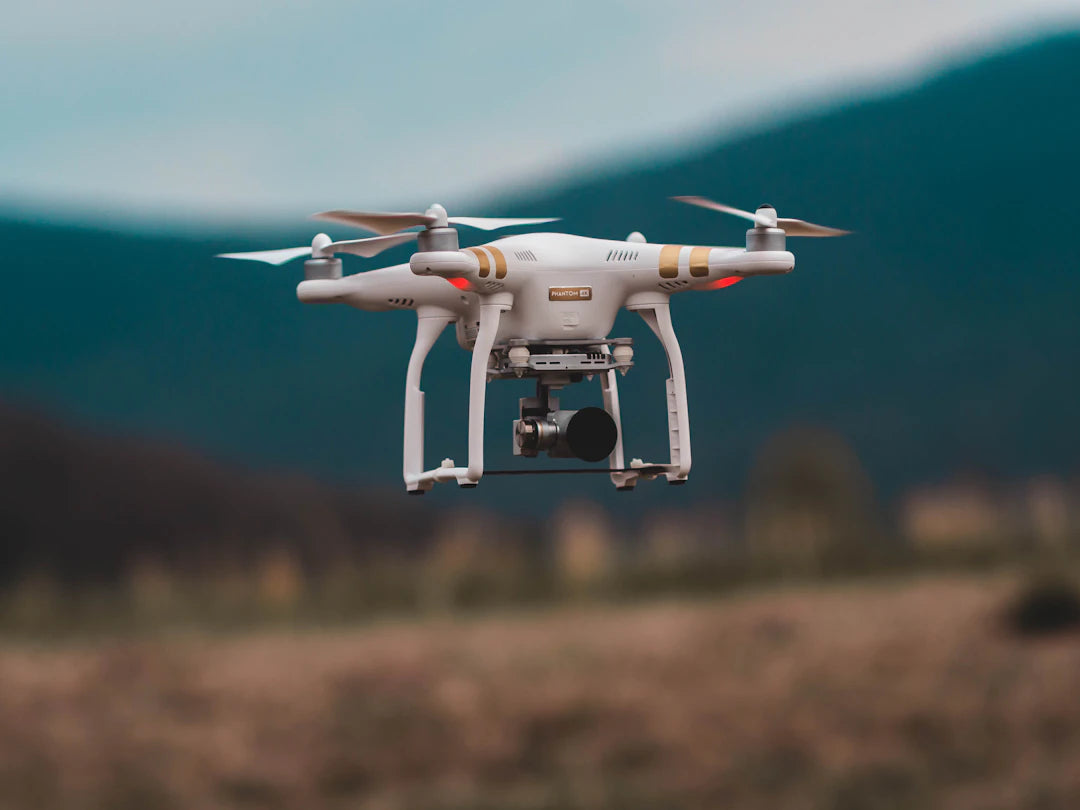
Drones, also known as Unmanned Aerial Vehicles (UAVs), are aircraft that operate without a human pilot on board. They are equipped with various sensors and cameras, enabling them to capture high-resolution images and videos from above. Their application in environmental monitoring is diverse and growing rapidly.
The Importance of Environmental Monitoring
Environmental monitoring is essential for various reasons:
- Wildlife Conservation: Monitoring animal populations and their habitats helps in protecting endangered species.
- Climate Data Collection: Drones can gather climatic data over extensive areas, assisting researchers in understanding climate change.
- Pollution Tracking: Identifying sources of pollution in air, land, and water is critical for environmental health.
- Resource Management: Monitoring natural resources ensures sustainable management and avoids depletion.
Applications of Drones in Environmental Monitoring
Various industries, including conservation, agriculture, and urban planning, are utilizing environmental assessment drones for multiple applications. Let’s explore some of these applications in detail:
Wildlife Monitoring
Drones equipped with thermal imaging cameras can survey vast areas, locating and monitoring wildlife populations without disturbing their natural habitat. This non-intrusive method is essential for studying animal behavior, migration patterns, and habitat changes.
Habitat Assessment
For conservation purposes, drones facilitate habitat assessments by providing detailed maps and data of ecosystems. They can easily gather information on vegetation health, land use changes, and even spot invasive species. By using drones, conservationists can make data-driven decisions that promote biodiversity.
Soil and Water Conservation
Drones can capture images that help identify soil erosion and water quality. They can monitor sediment transport, agricultural runoff, and even irrigation patterns, ensuring that conservation efforts are effective and sustainable.
Forest Management
In forest management, drones are instrumental in analyzing tree health and detecting pest infestations. Utilizing UAVs reduces the manual labor involved in forest surveys while enhancing accuracy and creating 3D maps of forest cover.
Benefits of Using Drones for Environmental Monitoring
| Benefits | Description |
|---|---|
| Cost-Effective | Drones reduce the cost of data collection compared to traditional methods, which often require manned aircraft or extensive fieldwork. |
| High Data Accuracy | Advanced sensors on drones provide high-resolution imagery and data, increasing the precision of environmental assessments. |
| Accessibility | Drones can easily access hard-to-reach areas, making them ideal for remote and rugged terrains. |
| Real-Time Data Collection | With drones, information can be collected and analyzed in real-time, allowing for timely decision-making. |
Challenges in Implementing Drone Technology
While the advantages of using drones for environmental monitoring are clear, there are challenges that organizations must navigate:
Regulatory Issues
As drones become more popular, regulations surrounding their use are also evolving. Compliance with local laws is crucial to avoid penalties and ensure that monitoring efforts are conducted ethically. Organizations must keep abreast of changing regulations to successfully integrate drones into their environmental monitoring strategies.
Data Management
The vast amounts of data collected by drones require robust management systems. Organizations need to invest in data analysis software and ensure proper training for personnel to interpret the data effectively.
Maintenance and Technical Skills
To operate drones efficiently, personnel must be adequately trained. Also, drones require regular maintenance to ensure optimal performance, adding to operational costs.
The Future of Drones in Environmental Conservation
The future of drone conservation in environmental monitoring looks promising. As technology advances, drones are expected to become even more sophisticated, with capabilities such as:
- Advanced AI Integration: The integration of artificial intelligence will allow drones to recognize patterns and anomalies in data automatically.
- Improved Battery Life: Longer flight times will enable drones to cover larger areas, increasing their effectiveness in monitoring.
- Better Sensor Technologies: Innovations in sensor technologies will enhance data collection, enabling drones to gather even more comprehensive information.
Encouraging Collaboration for Sustainable Solutions
For drones to be effectively integrated into environmental monitoring, collaboration among various stakeholders is essential. This includes:
Governments
Regulatory bodies can create supportive frameworks that facilitate the research and implementation of drone technologies in conservation efforts.
Research Institutions
Academic institutions can play a vital role by conducting studies that highlight the benefits and advancements in drone technologies.
Non-Governmental Organizations (NGOs)
NGOs focusing on conservation can collaborate with drone companies to pilot projects that demonstrate the effectiveness of drones in real-world scenarios.
Private Sector
Partnerships between technology companies and environmental organizations can foster innovation, leading to new drone applications and solutions.
Final Thoughts on Drones and Environmental Monitoring
As we move forward, the integration of drones in environmental monitoring is poised to transform the landscape of conservation and ecological management. With their ability to provide precise data, enhance operational efficiency, and offer real-time insights, drones are becoming essential allies in our quest to protect the environment. By embracing this technology and working collaboratively, we can pave the way towards sustainable solutions for the greater health of our planet. As we continue to innovate and adapt, the possibilities for drone applications in environmental monitoring are boundless!
Key Takeaways
- Drones are revolutionizing environmental monitoring by providing tools for wildlife conservation, climate data collection, pollution tracking, and resource management.
- High-resolution imagery captured by drones enables accurate assessments of ecosystems, helping conservationists make informed decisions.
- Cost-effective and accessible, drones reduce the need for expensive manned aircraft and can reach remote areas easily.
- Real-time data collection allows for timely decision-making, crucial for effective environmental management.
- Challenges include regulatory issues, data management, and the need for trained personnel to operate and maintain drones.
- The future of drones in conservation looks promising with advancements in AI, battery life, and sensor technologies enhancing their capabilities.
- Collaboration among stakeholders—governments, research institutions, NGOs, and the private sector—is essential for successful integration of drone technology in environmental efforts.
Pros and Cons
| Advantages of Drones in Environmental Monitoring | Drawbacks of Drones in Environmental Monitoring |
|---|---|
| Cost-effective data collection compared to traditional methods. | Regulatory issues that require compliance with evolving laws. |
| High data accuracy with advanced sensors. | Need for robust data management systems to handle large datasets. |
| Accessibility to hard-to-reach and rugged terrains. | Requirement for personnel training and regular maintenance. |
| Real-time data collection enables timely decision-making. | Potential operational costs associated with maintenance and training. |
Linked Product

DJI Matrice 30T M30T Complete Ready to Fly Kit (2 Batteries, No Care)
The DJI Matrice 30T M30T Complete Ready to Fly Kit is designed for commercial drone pilots, offering powerful flight performance with a maximum flight time of 41 minutes and a service ceiling of 7000 meters. This drone features advanced environmental adaptability, with IP55 protection allowing operation in diverse weather conditions, and includes dual-vision and ToF sensors for enhanced safety during missions. Equipped with integrated cameras and a laser rangefinder, the M30T captures a variety of aerial data, making it suitable for environmental monitoring and other critical applications.
View ProductWho It's For (And Not For)
Who It's For
- Environmental Researchers: Those involved in wildlife conservation, climate studies, or pollution tracking will find drones invaluable for their data collection needs.
- Conservation Organizations: NGOs focused on protecting endangered species and habitats can utilize drones to enhance their monitoring capabilities.
- Agricultural Professionals: Farmers and agronomists can benefit from drones for soil and water conservation efforts, improving resource management.
- Urban Planners: Individuals in urban development can leverage drones for habitat assessment and environmental impact studies.
Who It's Not For
- Organizations with Limited Budgets: Those unable to invest in drone technology, including maintenance and training, may struggle to implement effective monitoring.
- Individuals Unfamiliar with Technology: Those lacking technical skills or knowledge about drone operation and data analysis may find it challenging to utilize drones effectively.
- Areas with Strict Regulations: Organizations operating in regions with stringent drone regulations may face barriers that hinder their ability to use drones for environmental monitoring.
- Short-Term Projects: Those looking for quick, temporary solutions may not benefit from the long-term investment required for drone technology.
Frequently Asked Questions
1. What role do drones play in environmental monitoring?
2. How do drones enhance data collection in environmental assessments?
3. What are some challenges in using drones for environmental monitoring?
4. What are the benefits of using drones over traditional environmental monitoring methods?
5. What does the future hold for drone technology in environmental conservation?
Glossary
| Term | Meaning |
|---|---|
| Drones | Unmanned Aerial Vehicles (UAVs) used for various applications. |
| Environmental Monitoring | The process of assessing ecosystems to manage and protect them. |
| Wildlife Conservation | Efforts to protect endangered species and their habitats. |
| Climate Data Collection | Gathering data on climate conditions to understand changes. |
| Pollution Tracking | Identifying pollution sources in air, land, and water. |
| Habitat Assessment | Evaluating ecosystems to inform conservation strategies. |
| Real-Time Data Collection | Gathering and analyzing data instantly for quick decisions. |
| Regulatory Issues | Legal considerations surrounding drone usage and compliance. |
| AI Integration | Using artificial intelligence for improved data analysis. |
| Collaborative Solutions | Partnerships among stakeholders to enhance drone applications. |