How Drones Are Transforming Industries Like Never Before
Overview
Drones are transforming industries by enhancing efficiency, cutting costs, and improving safety across various sectors. From agriculture's precision farming to construction's streamlined site management, these unmanned aerial vehicles are proving invaluable. Understanding their diverse applications can help businesses leverage drone technology for significant operational benefits and stay competitive in an evolving marketplace.
Table of Contents
- The Rise of Drones in Various Sectors
- Key Industries Embracing Drones
- Diving Deeper into Drone Applications
- Agricultural Innovation with Drones
- Construction Site Management
- Enhancing Real Estate Marketing
- Commercial Drone Benefits
- The Future of Drone Technology
- Emerging Technologies and Their Impact
- Impact on Workforce Dynamics
- Overcoming Challenges
- Can Drones Revolutionize Your Business?
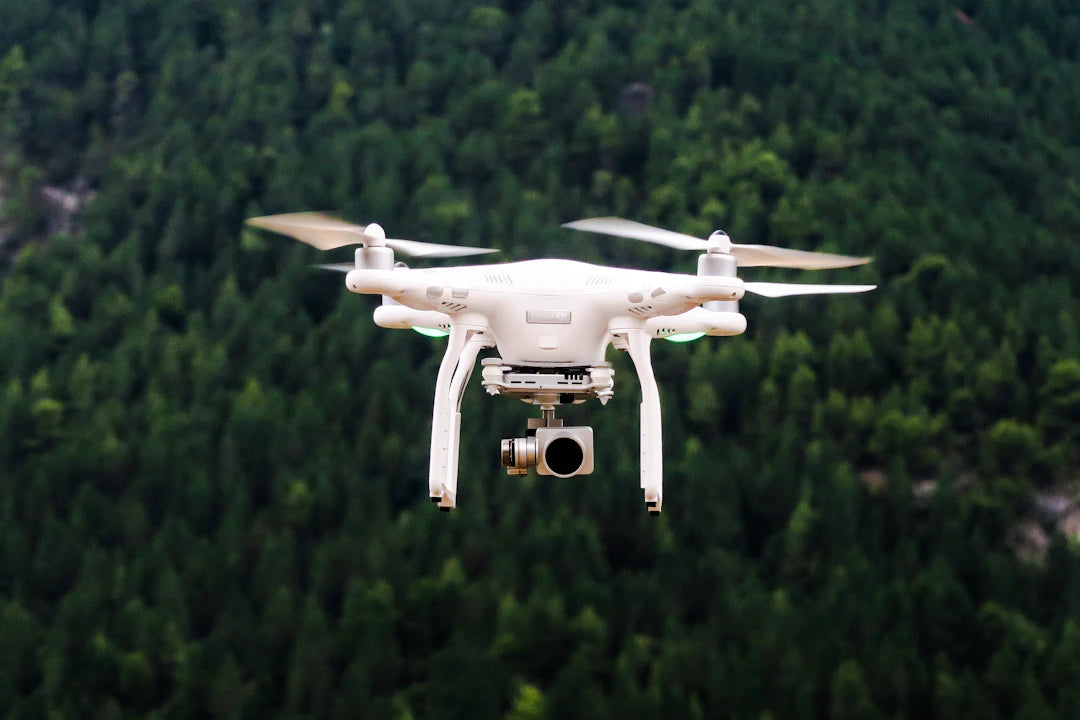
The world of technology is in constant flux, and one of the most exciting developments in recent years has been the rise of drones in industry. These unmanned aerial vehicles (UAVs) are revolutionizing various sectors, paving the way for enhanced efficiency, reduced costs, and improved safety. From agriculture to construction, the applications of drones are vast and diverse, and understanding them can unveil substantial commercial drone benefits. In this blog, we’ll delve into how drones are transforming industries, explore different drone applications, and highlight the significant impact they're making today.
The Rise of Drones in Various Sectors
Initially viewed as toys for hobbyists, drones have evolved into powerful tools for numerous industries. According to recent estimates, the commercial drone market is expected to reach $43 billion by 2024, reflecting their growing acceptance and applicability across various fields.
Key Industries Embracing Drones
Let’s take a closer look at some key industries where drones are making waves:
- Agriculture: Drones are being used for crop monitoring, soil analysis, and precision agriculture techniques.
- Construction: Site surveying, monitoring construction progress, and safety inspections are all enhanced through drone technology.
- Real Estate: Aerial photography and videography provide stunning visual content that attracts potential buyers.
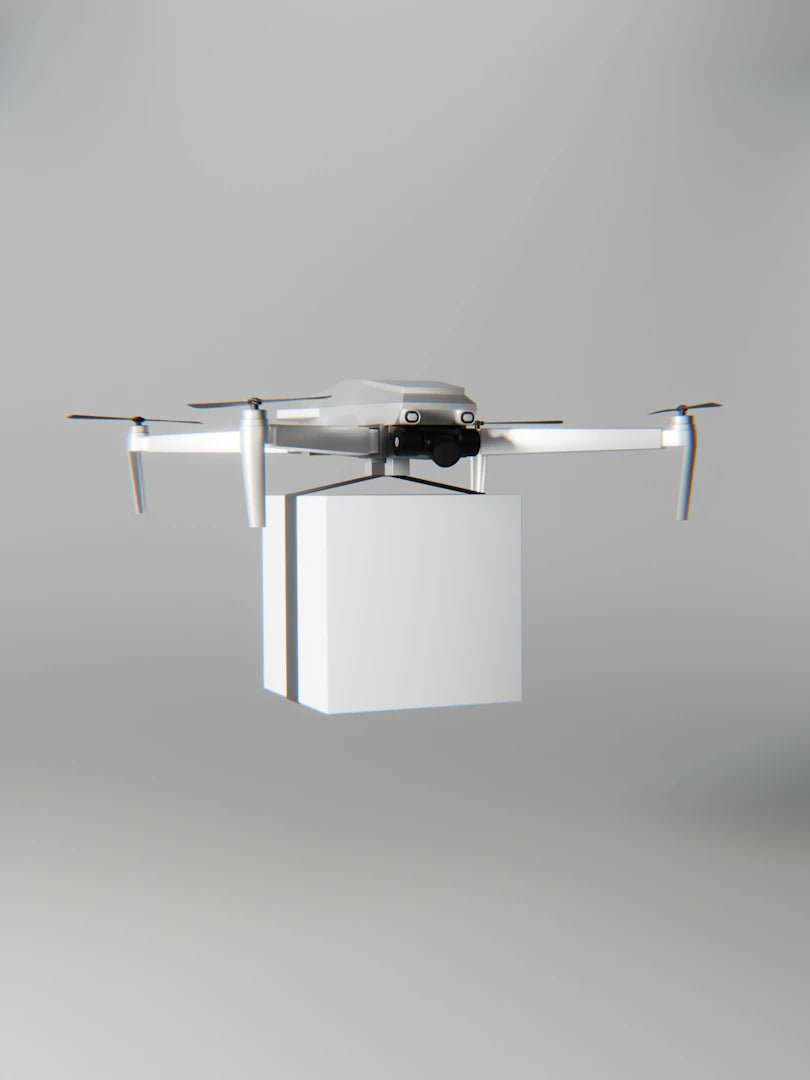
- Logistics: Drones are revolutionizing delivery systems and optimizing supply chains.
- Emergency Services: Search and rescue operations and disaster management have seen efficiency improvements thanks to drone technology.
Diving Deeper into Drone Applications
With the drone industry growing rapidly, various drone applications have emerged that demonstrate their transformative potential across different fields. Each application harnesses the unique abilities of drones, resulting in increased operational efficiency and better resource management.
Agricultural Innovation with Drones
Agriculture has significantly benefited from drone technology through various applications:
- Crop Monitoring: Drones equipped with high-resolution cameras and sensors can quickly survey vast fields, providing real-time data on crop health.
- Precision Spraying: Advanced agricultural drones, such as the DJI Agras T100, showcase the ability to cover large areas with precision spraying technology, optimizing resource use.
- Soil Analysis: Drones can analyze soil health, helping farmers to make informed decisions about crop management.
Construction Site Management
The construction industry has transformed its workflows with drone technology:
- Site Surveys: Quick aerial assessments can reduce the time and cost traditionally required for land surveys.
- Progress Tracking: Drones can monitor project progress in real time, allowing for timely adjustments and minimizing delays.
- Safety Inspections: Routine safety checks can now be performed without putting workers at risk in high or hard-to-reach locations.
Enhancing Real Estate Marketing
Drones have also become invaluable in the real estate sector:
- Aerial Photography: High-quality aerial images allow real estate agents to showcase properties from unique angles.
- Virtual Tours: Drones enable the creation of immersive virtual tour experiences, captivating potential buyers.
Commercial Drone Benefits
The implementation of drones across various industries has led to several commercial drone benefits, making them an attractive option for businesses looking to innovate:
| Benefit | Description |
|---|---|
| Cost Efficiency | Reduction in manpower and equipment costs through automation of tasks. |
| Time Savings | Faster data collection and task completion enhance operational timelines. |
| Enhanced Safety | Minimizing human risk by using drones for hazardous inspections. |
| Data Collection | High-resolution imagery and data can improve decision-making processes. |
| Versatility | Drones can be equipped with various sensors to adapt to multiple applications. |
The Future of Drone Technology
The potential of drones in industry is only beginning to be realized. With advancements in AI and machine learning, drones will continue to evolve, becoming more autonomous and intelligent:
Emerging Technologies and Their Impact
As drones become increasingly integrated with other technologies, their functionalities will expand. Here are some emerging trends to watch:
- AI Integration: AI algorithms will enhance drone decision-making, making them smarter in performing tasks.
- Cloud Technology: Data collected by drones will be easily accessible in real-time through cloud-based platforms.
- Increased Regulatory Frameworks: Governments are working on regulation policies specific to drone usage that will allow safe integration into airspaces.
Impact on Workforce Dynamics
The adoption of drones will also influence workforce dynamics in several aspects:
- New Job Roles: As drone technology proliferates, new job roles in drone operation, data analysis, and maintenance will arise.
- Skill Development: Workers will need to acquire new skills related to drone operation and data interpretation.
Overcoming Challenges
While the benefits of drones in industries are substantial, there are challenges that need addressing:
- Regulatory Issues: Legal restrictions can hinder the deployment of drones in certain areas.
- Technical Limitations: Battery life, payload capacity, and range limitations are ongoing challenges.
- Public Perception: Addressing concerns around privacy and security is crucial to broader acceptance.
Can Drones Revolutionize Your Business?
As organizations seek to enhance efficiency and cut costs, the incorporation of drone technology can serve as a game-changer. Evaluating how various drone applications can meet specific business needs is a strategic move towards growth.
Continuous innovation in drone technology means that businesses willing to adapt will gain competitive advantages, thereby thriving in their respective industries. The marketplace for drones is expanding rapidly, creating an exciting future ahead.
To learn more about drone technology and how it can enhance your business operations, explore our extensive resources at Dronez Technologies.
Key Takeaways
- Drones are transforming industries: Key sectors like agriculture, construction, real estate, logistics, and emergency services are leveraging drone technology for improved efficiency and safety.
- Commercial drone market growth: The market is projected to reach $43 billion by 2024, indicating widespread acceptance and utilization.
- Enhanced agricultural practices: Drones facilitate crop monitoring, precision spraying, and soil analysis, leading to better resource management for farmers.
- Construction site advancements: Drones streamline site surveys, progress tracking, and safety inspections, reducing time and costs.
- Real estate marketing benefits: Aerial photography and virtual tours created by drones attract potential buyers and enhance property showcases.
- Future technological integration: AI and cloud technology will further enhance drone capabilities, making them smarter and more efficient.
- Workforce implications: The rise of drones will create new job roles and necessitate skill development in drone operation and data analysis.
Pros and Cons
| Advantages of Drones in Industry | Drawbacks of Drones in Industry |
|---|---|
| Enhanced efficiency in operations, reducing time and costs. | Regulatory issues can limit where and how drones can be used. |
| Improved safety by minimizing human risk in hazardous inspections. | Technical limitations such as battery life and payload capacity. |
| High-quality data collection for better decision-making. | Public perception issues regarding privacy and security concerns. |
| Versatility in applications across various industries. | Need for workforce skill development to operate and manage drones. |
| Cost efficiency through automation of tasks. | Potential job displacement in traditional roles due to automation. |
Linked Product

DJI Agras T100 Agriculture Spraying Drone - Ready to Fly Kit
The DJI Agras T100 Agriculture Spraying Drone is designed for efficient large-scale agricultural applications, featuring a 100 L spraying tank and advanced dual atomizing centrifugal sprinklers for enhanced coverage and operational efficiency. With capabilities for spraying, spreading, and lifting, it can handle a maximum payload of 100 kg, making it suitable for diverse tasks in orchards and large fields. Its industry-leading safety systems and intelligent operational features ensure reliable performance and precise obstacle detection during use.
View ProductWho It's For (And Not For)
Who It's For
- Businesses in Agriculture: Companies looking to enhance crop monitoring and precision agriculture techniques.
- Construction Firms: Organizations needing efficient site surveying, progress tracking, and safety inspections.
- Real Estate Agents: Professionals aiming to improve property marketing through aerial photography and virtual tours.
- Logistics Companies: Businesses interested in optimizing delivery systems and supply chain management.
- Emergency Services: Agencies that require improved efficiency in search and rescue operations or disaster management.
Who It's Not For
- Businesses with Strict Regulatory Constraints: Organizations operating in areas with heavy drone restrictions may find deployment challenging.
- Industries Lacking Technological Adaptability: Companies that are not open to adopting new technologies may struggle to benefit from drone applications.
- Small Businesses with Limited Budgets: Organizations that cannot afford the initial investment in drone technology may not see immediate value.
- Firms Unconcerned with Efficiency Gains: Businesses that do not prioritize cost reduction and operational efficiency may not find drones beneficial.
Frequently Asked Questions
1. What are the main industries using drones?
2. How do drones benefit agriculture?
3. What advantages do drones offer to the construction industry?
4. How do drones affect marketing in real estate?
5. What are some challenges associated with drone technology?
Glossary
| Term | Meaning |
|---|---|
| Drone | An unmanned aerial vehicle used for various applications. |
| UAV | Short for Unmanned Aerial Vehicle, another term for drones. |
| Aerial Photography | Taking photographs from an elevated position using drones. |
| Precision Agriculture | Using technology to optimize farming practices and crop management. |
| Site Survey | Aerial assessment of land to gather data for construction projects. |
| Virtual Tours | Immersive online experiences showcasing properties using drone footage. |
| Cost Efficiency | Reduction in expenses through automation and improved processes. |
| AI Integration | Incorporating artificial intelligence to enhance drone functionality. |
| Cloud Technology | Using cloud platforms for real-time data access and management. |
| Regulatory Frameworks | Government policies governing the safe use of drones. |