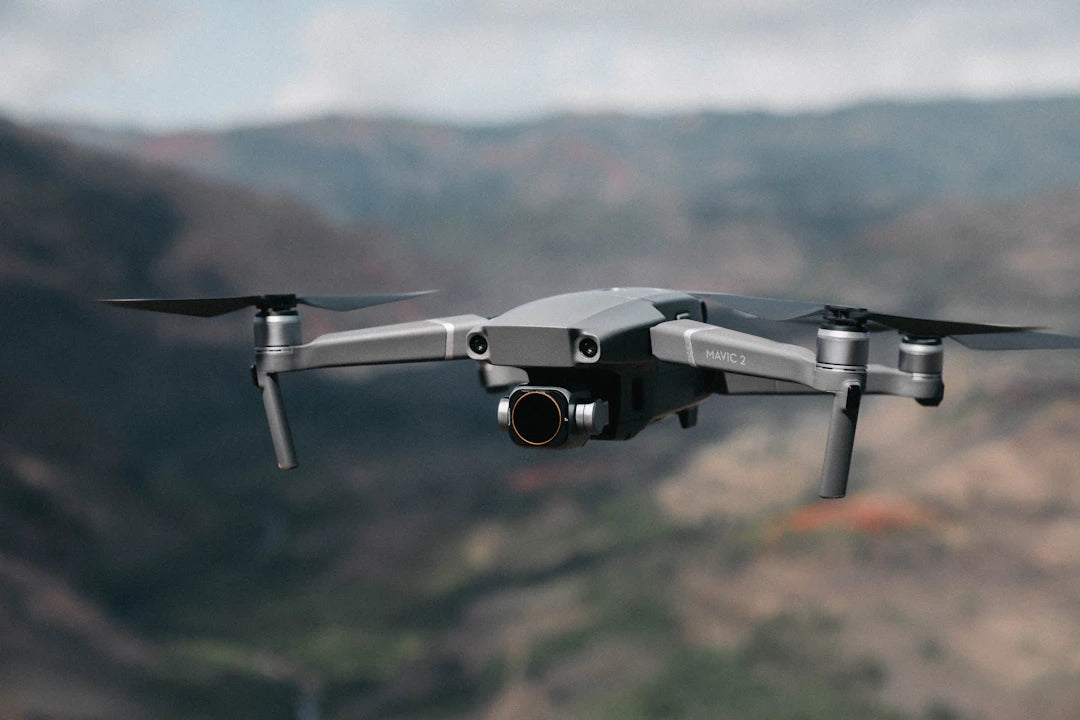
How Drones Are Revolutionizing Crime Prevention Today
Overview
This article delves into the transformative role of drones in law enforcement, highlighting their benefits for crime prevention and public safety. Readers will learn how various types of drones are utilized by police departments, the technology that powers them, and the legal and ethical considerations surrounding their use. Additionally, the article addresses the challenges of implementation and offers insights into the future of drone technology in policing.
Table of Contents
- The Rise of Drones in Law Enforcement
- Reasons for Integration into Policing
- Types of Drones Used by Law Enforcement
- 1. Surveillance Drones
- 2. Inspection Drones
- 3. Search and Rescue Drones
- 4. Data Analysis Drones
- Technology Behind Law Enforcement Drones
- Case Studies: Successful Drone Operations
- Case Study 1: The Los Angeles Police Department (LAPD)
- Case Study 2: Miami-Dade Police Department
- Case Study 3: Broward County Sheriff’s Office
- The Legal and Ethical Considerations
- Challenges of Drone Implementation
- 1. Technical Limitations
- 2. Public Resistance
- 3. Training Requirements
- The Future of Drones in Law Enforcement
- Final Thoughts: Embracing the Future of Policing
In recent years, law enforcement agencies have turned to cutting-edge technology to enhance public safety and improve crime prevention strategies. One of the most impactful innovations in this area has been the adoption of drones. These remarkable flying machines have transformed how police departments monitor communities, assess situations, and respond to emergencies. In this article, we will explore how law enforcement agencies are utilizing drones for crime prevention, the benefits they provide, and some of the vital technology behind them.
The Rise of Drones in Law Enforcement
The use of drones in law enforcement is a relatively new phenomenon, but it has gained significant traction over the last decade. With advancements in drone technology and decreases in their costs, police departments nationwide have started incorporating these unmanned aerial vehicles (UAVs) into their operations. Drones offer a versatile aerial perspective, providing law enforcement officers with valuable situational awareness during incidents.
Reasons for Integration into Policing
Several reasons explain why law enforcement agencies have embraced drones as essential tools:
- Cost-Effectiveness: Drones are significantly cheaper alternatives compared to traditional helicopter surveillance.
- Enhanced Surveillance: Equipped with high-resolution cameras, including infrared thermal cameras, drones can monitor large areas from above, making surveillance more efficient.
- Rapid Response: Drones can be deployed quickly to crisis situations, allowing law enforcement agencies to gather intelligence instantly.
- Documenting Evidence: Aerial footage can provide crucial documentation of crime scenes, facilitating investigations.
- Reduced Risk: Using drones minimizes the risk to officers while gathering critical information.
Types of Drones Used by Law Enforcement
Various drones are used in law enforcement operations, each tailored for specific tasks and missions. A few notable types include:
1. Surveillance Drones
These drones are equipped with high-definition cameras for real-time monitoring. Often utilized during large public events or demonstrations, they help ensure public safety from above.
2. Inspection Drones
Inspection drones are specifically designed to aid in assessing certain situations, including building inspections or evaluating crime scenes. Inspection drone for sale options are expanding as this technology matures.
3. Search and Rescue Drones
Equipped with specialized sensors and cameras, these drones assist in locating missing persons or providing surveillance during natural disasters and emergencies.
4. Data Analysis Drones
These drones gather data that can be analyzed to identify crime trends and hotspots, helping law enforcement agencies proactively address crime prevention.
Technology Behind Law Enforcement Drones
The technology that powers these drones is nothing short of remarkable. Features that maximize their effectiveness for law enforcement missions include:
| Technology Feature | Description | |----------------------------------|-----------------------------------------------------------------------------------| | High-Resolution Cameras | Drones can capture detailed footage to aid in investigations and evidence collection. | | Infrared Thermal Cameras | Drones equipped with infrared thermal cameras can operate in low-light conditions, making them invaluable for nighttime surveillance or searching in obscured environments. | | Advanced Flight Systems | These ensure precise navigation and stability, making it easier for officers to focus on monitoring rather than piloting. | | Real-Time Data Transmission | Drones can relay live video feeds to officers on the ground, enhancing situational awareness. |Case Studies: Successful Drone Operations
Several law enforcement agencies have successfully incorporated drones into their operations, producing beneficial outcomes:
Case Study 1: The Los Angeles Police Department (LAPD)
The LAPD has deployed drones for various purposes, including monitoring large crowds at events and assessing dangerous situations such as standoffs. The deployment of drones has allowed them to maintain a safe distance while gathering crucial live information.
Case Study 2: Miami-Dade Police Department
In Miami, police utilized drones equipped with infrared thermal cameras to locate a missing child at night. The drone's capabilities significantly shortened the search time, providing the child’s whereabouts swiftly.
Case Study 3: Broward County Sheriff’s Office
Broward County’s law enforcement has effectively used drones during incidents such as natural disasters. By utilizing aerial surveillance, the agency was able to document damage assessments, aiding in further resource allocation quickly.
The Legal and Ethical Considerations
While the benefits of drones in law enforcement are immense, they also raise several legal and ethical concerns. The deployment of drones must adhere to regulations to ensure privacy rights are upheld. Key considerations include:
- Data Privacy: Agencies must ensure that the collected footage does not infringe on the privacy of citizens.
- Usage Regulations: Establishing clear policies regarding when and how drones can be deployed is essential to prevent misuse.
- Transparency: Keeping the community informed about drone usage can help build trust and understanding.
Challenges of Drone Implementation
Despite the advantages, the integration of drones into law enforcement is not without hurdles. Some key challenges include:
1. Technical Limitations
Weather conditions, battery life, and limited range can affect drone performance during critical missions.
2. Public Resistance
Awareness and understanding of drone technology can vary among the public, with some individuals expressing apprehension about privacy violations.
3. Training Requirements
For officers to operate drones effectively and safely, extensive training is required, which can be resource-intensive.
The Future of Drones in Law Enforcement
As drone technology continues to evolve, its applications within law enforcement will likely expand. Innovations such as artificial intelligence, machine learning, and improved sensor technology will enhance the capabilities of drones even further. Furthermore, as public attitudes shift towards acceptance of such technologies, drones will play an increasingly critical role in crime prevention.
Final Thoughts: Embracing the Future of Policing
The integration of drones into law enforcement strategies marks a significant advancement in the pursuit of public safety. By enhancing surveillance capabilities and enabling rapid response measures, drones have the potential to transform how agencies operate in crime prevention. Continued investment in drone technology and responsible implementation protocols will ensure that law enforcement agencies can leverage these tools effectively, maintaining the delicate balance between security and citizens’ rights.
As drone technology rapidly evolves, communities can look forward to a future where law enforcement agencies are better equipped to protect and serve through innovative strategies powered by drones. The landscape of crime prevention is changing, and drones are at the forefront of this exciting transformation.
Key Takeaways
- Drones are revolutionizing law enforcement by providing enhanced surveillance and situational awareness during incidents.
- Cost-effective alternative: Drones are significantly cheaper than traditional helicopter surveillance, making them accessible for many police departments.
- Rapid deployment: Drones can be quickly dispatched to crisis situations, allowing for immediate intelligence gathering.
- Documenting evidence: Aerial footage from drones aids in crime scene documentation, facilitating investigations.
- Types of drones: Various drones, including surveillance, inspection, and search and rescue drones, are tailored for specific law enforcement tasks.
- Legal and ethical considerations: Agencies must adhere to privacy regulations and establish clear policies regarding drone usage to maintain public trust.
- Future advancements: Emerging technologies like AI and improved sensors will further enhance drone capabilities in law enforcement.
Pros and Cons
| Advantages of Drones in Law Enforcement | Drawbacks of Drones in Law Enforcement |
|---|---|
| Cost-effective compared to traditional helicopter surveillance. | Technical limitations such as weather conditions and battery life. |
| Enhanced surveillance with high-resolution and thermal cameras. | Public resistance and concerns about privacy violations. |
| Rapid response capabilities during emergencies. | Extensive training required for officers to operate drones safely. |
| Ability to document evidence from aerial perspectives. | Need for clear regulations to prevent misuse and ensure data privacy. |
| Improved situational awareness through real-time data transmission. | Potential for community distrust if transparency is lacking. |
Linked Product

Autel Robotics EVO II 640T Thermal and Visual Gimbal Camera
The Autel Robotics EVO II 640T features both thermal and visual gimbal cameras, making it suitable for a range of applications in law enforcement, including crime scene analysis and surveillance. It offers advanced thermal imaging capabilities with multiple color palettes and an uncooled Vox microbolometer sensor, while the visual camera supports high-resolution photography and video recording up to 8K. This dual-functionality enables comprehensive monitoring and documentation in various conditions.
View ProductWho It's For (And Not For)
Who It's For
- Law Enforcement Agencies: Organizations looking to enhance their surveillance and response capabilities in crime prevention.
- Public Safety Advocates: Individuals or groups invested in improving community safety through innovative technology.
- Tech-Savvy Officers: Law enforcement personnel who are comfortable with new technologies and seek to leverage them for operational efficiency.
- Community Engagement Leaders: Those interested in fostering transparency and trust between law enforcement and the public regarding the use of drones.
Who It's Not For
- Privacy-Conscious Individuals: People who have concerns about surveillance and potential invasions of privacy may oppose the use of drones in law enforcement.
- Agencies with Limited Budgets: Law enforcement departments facing financial constraints may find the costs associated with drone technology prohibitive.
- Skeptics of Technology: Individuals or officers who are resistant to adopting new technologies may struggle with integrating drones into their operations.
- Communities with Strong Opposition: Areas where public sentiment is strongly against drone surveillance may not be suitable for implementing these technologies.
Frequently Asked Questions
1. How are law enforcement agencies using drones for crime prevention?
2. What are the benefits of integrating drones into policing?
3. What types of drones are commonly used by law enforcement?
4. What are some technological features of law enforcement drones?
5. What challenges are faced in the implementation of drones in law enforcement?
Glossary
| Term | Meaning |
|---|---|
| Drones | Unmanned aerial vehicles used for various monitoring and surveillance tasks. |
| UAVs | Abbreviation for Unmanned Aerial Vehicles, commonly referred to as drones. |
| Surveillance Drones | Drones equipped with cameras for real-time monitoring of areas. |
| Infrared Thermal Cameras | Cameras that detect heat signatures, useful for low-light surveillance. |
| Data Analysis Drones | Drones that collect data to identify crime trends and hotspots. |
| Rapid Response | The ability of drones to be deployed quickly in crisis situations. |
| Evidence Documentation | Aerial footage captured by drones that aids in crime scene investigations. |
| Public Safety | The protection of citizens through law enforcement and emergency services. |
| Legal Considerations | Regulations governing the use of drones to protect citizen privacy. |
| Training Requirements | Necessary training for officers to operate drones effectively and safely. |