Integrating Drones into Local Law Enforcement: A New Era
Overview
Drones are increasingly being integrated into law enforcement, offering benefits like enhanced surveillance, improved response times, and cost savings. However, challenges such as privacy concerns, regulatory hurdles, and the need for specialized training remain. Successful case studies highlight their effectiveness in crowd monitoring, search and rescue, and traffic management. As drone technology evolves, future developments may include AI integration and public-private partnerships. Communities should engage in discussions and establish guidelines to balance safety and privacy as drones become more common in policing.
Table of Contents
- Understanding the Role of Drones in Law Enforcement
- Application Areas of Drones in Police Work
- The Advantages of Using Drones in Law Enforcement
- Cost-Effective Solutions
- Enhanced Data Collection and Analysis
- Improved Safety for Officers
- The Challenges of Drone Integration in Law Enforcement
- Privacy Concerns
- Regulatory Hurdles
- Training and Operational Limitations
- Successful Case Studies of Drone Integration
- The Future of Drone Technology in Law Enforcement
- Integration of Artificial Intelligence (AI)
- Advanced Conflict Resolution
- Public-Private Partnerships
- How Communities Can Prepare for Drone Integration
- Balancing Safety and Privacy: A Collective Responsibility
The advent of drone technology has transformed various sectors, and local law enforcement agencies are no exception. The integration of drones into police work is rapidly gaining traction, offering a myriad of benefits along with certain challenges. This article will explore both the positives and negatives of adopting drone technology in law enforcement, highlighting the potential changes it could cause in public safety, crime detection, and resource management.
Understanding the Role of Drones in Law Enforcement
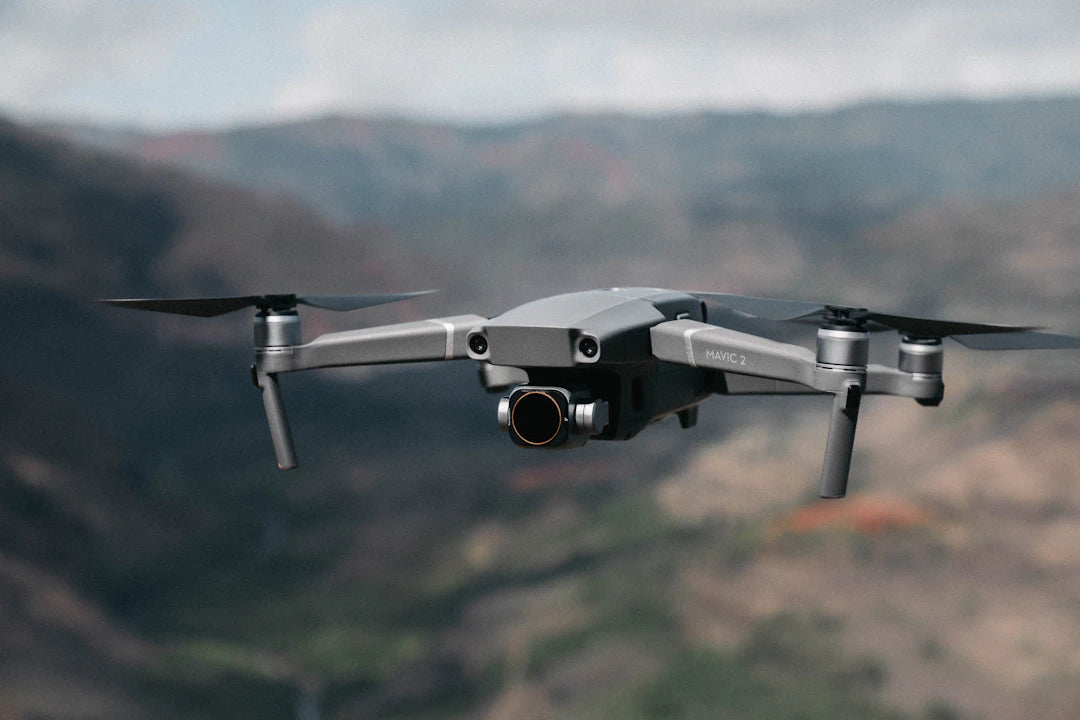
Modern law enforcement agencies are continually seeking innovative solutions to enhance public safety. Drones, particularly those equipped with advanced capabilities such as a drone with laser range finder, have emerged as a valuable asset. By integrating drone technology, law enforcement can improve their operations in several ways:
- Increased surveillance capabilities during large events
- Rapid response in emergency situations
- Enhanced crime scene documentation
- Improved data collection for analysis
Application Areas of Drones in Police Work
Drones can be applied in various facets of law enforcement. Some significant applications include:
| Application | Description | Benefits |
|---|---|---|
| Crowd Monitoring | Use of drones to monitor large gatherings or events. | Increased situational awareness and security. |
| Search and Rescue Operations | Assisting in locating missing persons or tracking fleeing suspects. | Faster response times and broader search areas. |
| Crime Scene Investigation | Aerial footage helps in documenting crime scenes effectively. | Better evidence collection and analysis. |
| Traffic Monitoring | Using drones to observe and manage traffic situations. | Reduced congestion and enhanced roadway safety. |
The Advantages of Using Drones in Law Enforcement
The benefits of integrating drones into local law enforcement operations are substantial and can lead to improved public safety and operational efficiency. Here are some of the most notable advantages:
Cost-Effective Solutions
Employing industrial drone solutions can significantly reduce operational costs compared to traditional methods. Drones minimize the need for manned aircraft, ground vehicles, and personnel on numerous operations.
Enhanced Data Collection and Analysis
Drones enable law enforcement agencies to collect high-quality aerial footage and data rapidly. This information can be invaluable for crime analysis, urban planning, and resource allocation.
Improved Safety for Officers
Drones can be deployed in potentially dangerous situations, such as hostage negotiations or during active shooter scenarios, helping keep officers and civilians safe. Instead of exposing officers to risk, drones can gather critical information from a safe distance.
The Challenges of Drone Integration in Law Enforcement
Even with the myriad of benefits that drone technology offers, several challenges must be navigated as local law enforcement agencies consider integration:
Privacy Concerns
The use of drones for surveillance poses significant privacy issues. Citizens may feel their rights are infringed upon when being monitored from the sky. Law enforcement agencies need to establish clear guidelines and protocols on drone usage to foster trust.
Regulatory Hurdles
There are strict regulations surrounding the use of drones in airspace management. Local law enforcement agencies must comply with FAA regulations and other legal restrictions, which can complicate deployment and operational procedures.
Training and Operational Limitations
Successful drone integration requires specialized training for officers. Inadequate training can lead to ineffective uses of drone technology and safety concerns. This involves not just flying the drone but also analyzing and interpreting the data collected.
Successful Case Studies of Drone Integration
Many law enforcement agencies have successfully integrated drones into their operations. Let's explore a few notable examples that illustrate the effectiveness of drones in improving public safety:
- Baltimore Police Department: They have used drones to monitor large crowds during public events, helping enhance security and respond effectively to incidents.
- Los Angeles Police Department: The LAPD employed drones for search and rescue operations, notably during natural disasters, greatly increasing their efficiency in finding missing individuals.
- Montgomery County Police: Through the use of drones, this department has significantly reduced the time taken in traffic incident assessments, leading to faster clearances and less congestion.
The Future of Drone Technology in Law Enforcement
The future of drones in law enforcement looks promising as technology continues to evolve. As drones become more sophisticated, agencies may see:
Integration of Artificial Intelligence (AI)
Future drones could utilize AI to analyze vast amounts of data in real-time. This means not just capturing footage but making informed decisions based on that data without human intervention.
Advanced Conflict Resolution
With better sensor technologies and communication systems, drones may play a pivotal role in de-escalating conflicts. Drones equipped with speakers can communicate directly with individuals in stressful situations.
Public-Private Partnerships
Collaborating with private sector drone operators will allow law enforcement agencies to access advanced technologies without significant investment. These partnerships can enhance operational capabilities and reduce costs.
How Communities Can Prepare for Drone Integration
As drone integration into law enforcement becomes more prevalent, communities can take several steps to prepare for and adapt to this new tool:
- Engage in open discussions about the use of drone technology in policing.
- Establish community boards that contribute to creating drone usage policies.
- Attend workshops to educate the public about the benefits and limitations of drones.
- Advocate for transparency in operations involving drones to ensure community trust.
Balancing Safety and Privacy: A Collective Responsibility
As local law enforcement agencies embrace the potential of drone technology, it’s essential to strike a balance between public safety and the right to privacy. Collaboration between law enforcement and community members is crucial to developing strategies that effectively address concerns while maximizing benefits.
In digital age, adapting to technological advancements is essential to maintain public safety, combat emerging challenges, and ensure efficient law enforcement operations. The integration of drones, backed by rigorous planning and community engagement, can usher in a new era of policing that supports both efficiency and accountability.
As we explore the intersection of technology, law enforcement, and community concerns, it becomes clear that the dialogue surrounding drone integration must remain open and proactive. By addressing challenges collaboratively and emphasizing transparency, communities can harness the full potential of drone technology and transform the landscape of local law enforcement for the better.
Key Takeaways
- Drones enhance surveillance capabilities during large events, leading to improved situational awareness and security for law enforcement.
- They facilitate rapid response in emergency situations, improving outcomes in search and rescue operations.
- Drone technology aids in crime scene documentation, allowing for better evidence collection and analysis.
- Cost-effective solutions are achieved by reducing the need for manned aircraft and personnel, lowering operational costs.
- Privacy concerns must be addressed, as surveillance can infringe on citizens' rights, necessitating clear guidelines for use.
- Specialized training is essential for officers to effectively operate drones and analyze collected data, ensuring safety and operational efficiency.
- Future advancements may include AI integration, enabling drones to analyze data in real-time and assist in conflict resolution.
Pros and Cons
| Advantages of Drone Integration | Drawbacks of Drone Integration |
|---|---|
| Increased surveillance capabilities for better public safety. | Privacy concerns regarding constant monitoring of citizens. |
| Cost-effective solutions reducing operational expenses. | Strict regulatory hurdles complicating deployment. |
| Enhanced data collection for crime analysis and resource management. | Need for specialized training for effective use of drones. |
| Improved safety for officers in high-risk situations. | Potential public distrust and transparency issues. |
| Rapid response capabilities in emergencies. | Operational limitations due to weather and technical issues. |
Linked Product

DJI Matrice 4T Thermal Intelligent Multi-Sensor Compact Drone
The DJI Matrice 4T Thermal Intelligent Multi-Sensor Compact Drone is designed for enterprise applications across various industries, including emergency response and public safety. It features advanced thermal imaging capabilities and a laser range finder for precise measurements, making it ideal for search and rescue operations. Additionally, with its AI-driven smart detection and enhanced low-light performance, the Matrice 4T offers reliable operations in diverse environments, ensuring clear visibility and effective monitoring.
View ProductWho It's For (And Not For)
Who It's For
- Law Enforcement Agencies: Organizations looking to enhance their operational efficiency and public safety through innovative technology.
- Community Safety Advocates: Individuals or groups focused on improving public safety and emergency response capabilities in their areas.
- Emergency Response Teams: Units involved in search and rescue operations who can benefit from faster response times and broader search capabilities.
- Data-Driven Policymakers: Officials interested in utilizing aerial data for urban planning and crime analysis to make informed decisions.
Who It's Not For
- Privacy-Conscious Citizens: Individuals who have concerns about surveillance and potential infringements on their privacy rights.
- Agencies Lacking Resources: Organizations that do not have the budget or manpower to implement and maintain drone technology effectively.
- Officers Unwilling to Adapt: Law enforcement personnel resistant to new technology and training that may be required for effective drone operation.
- Communities Opposed to Surveillance: Areas where residents are not comfortable with the use of drones for monitoring and surveillance purposes.
Frequently Asked Questions
1. What are the benefits of using drones in law enforcement?
2. What challenges do law enforcement agencies face when integrating drones?
3. How can communities prepare for the integration of drones in policing?
4. What is the future potential of drone technology in law enforcement?
5. Can you provide examples of successful drone integration in law enforcement?
Glossary
| Term | Meaning |
|---|---|
| Drone | An unmanned aerial vehicle used for various applications. |
| Surveillance | The monitoring of activities or behaviors, often using technology. |
| Search and Rescue | Operations aimed at locating missing persons or aiding in emergencies. |
| Crime Scene Investigation | The process of gathering evidence from a crime scene, often using drones. |
| Privacy Concerns | Issues related to the right to privacy when monitored by drones. |
| Regulatory Hurdles | Legal restrictions that govern drone usage in airspace. |
| Data Collection | The process of gathering information for analysis and decision-making. |
| Public Safety | The protection of citizens through various law enforcement measures. |
| Community Engagement | Involving the public in discussions about policing and drone use. |
| Artificial Intelligence (AI) | Technology that enables machines to analyze data and make decisions. |