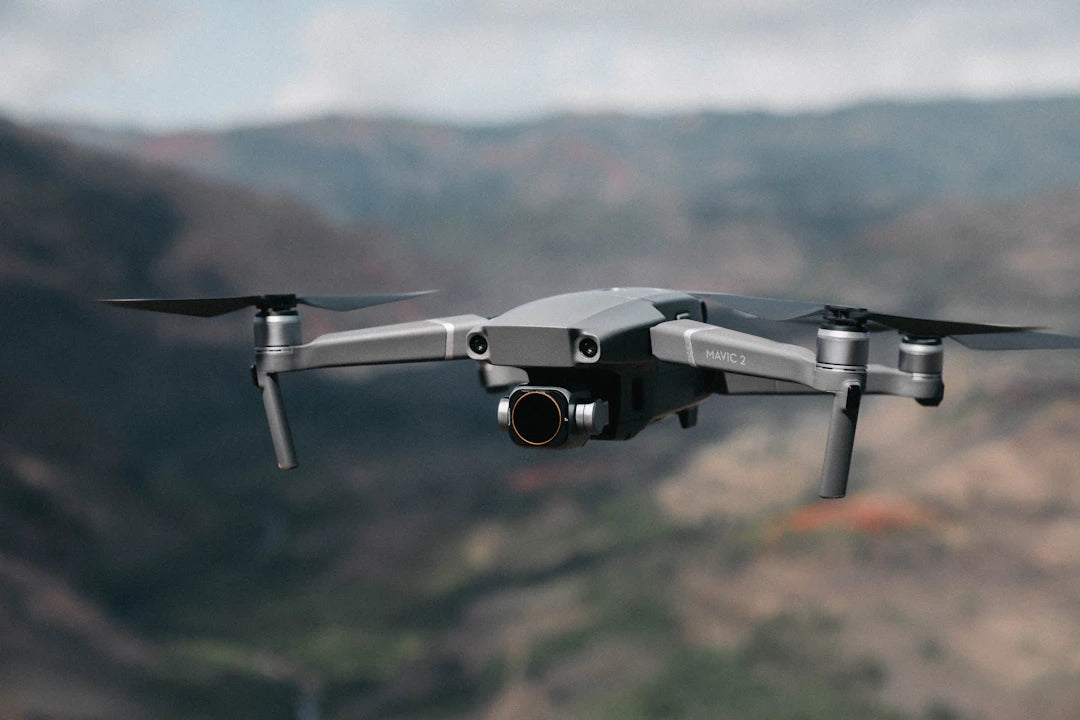
The Use of Drones in Fire Departments: Enhancing Firefighting Tactics
Overview
This article delves into the transformative role of drones in firefighting, highlighting their integration into fire departments and the significant benefits they offer. Readers will learn about how drones enhance situational awareness, improve safety for firefighters, and streamline search and rescue operations, ultimately leading to more effective emergency responses. The discussion also touches on future advancements in drone technology and their potential to revolutionize firefighting strategies.
Table of Contents
- The Evolution of Drone Technology in Firefighting
- Enhanced Situational Awareness
- Thermal Imaging Capabilities
- Search and Rescue Operations
- Improved Safety for Firefighters
- Risk Assessment
- Damage Assessment
- Training and Simulation
- Future Developments in Drone Technology for Firefighting
- Community Engagement
- A Glimpse of the Way Forward
In recent years, technology has transformed how various industries operate, including the firefighting sector. One of the most noteworthy advancements is the integration of drones into fire departments. Drones, often referred to as unmanned aerial vehicles (UAVs), are now essential tools that significantly enhance firefighting tactics, improve operational efficiency, and ultimately save lives. In this blog post, we'll explore the multifaceted uses of drones in fire departments and how they contribute to better outcomes during emergencies.
The Evolution of Drone Technology in Firefighting
The introduction of drones into firefighting is a game changer. Traditional firefighting approaches often relied heavily on ground and aerial assistance through manned helicopters. However, drones offer a safer, more cost-effective, and versatile solution. Fire departments around the globe are beginning to realize the advantages of deploying drones for various tasks, such as situational awareness, thermal imaging, and more.
Enhanced Situational Awareness
One of the primary benefits of using drones in firefighting is enhanced situational awareness. With the ability to provide real-time aerial footage of a fire scene, drones equipped with powerful cameras can greatly assist firefighters in understanding the extent of a blaze. This is particularly vital in forest and wildfires, where terrain can alter rapidly and ground access may be limited.
- Real-time Data Collection: Drones can collect and transmit data in real time, enabling incident commanders to make informed decisions swiftly.
- Overview of Fire Spread: UAVs can provide a bird’s-eye view of how a fire is spreading, which is essential in formulating firefighting strategies.
- Mapping Hot Spots: Drones can detect hot spots and identify areas that need immediate attention, leading to more efficient fire containment.
Thermal Imaging Capabilities
Many modern drones, such as the DJI Matrice 30T, boast advanced thermal imaging capabilities. This technology allows firefighters to see through smoke and darkness, making it easier to locate trapped individuals or assess the fire's intensity. Below is a table summarizing the key features of a drone like the DJI Matrice 30T that make it suitable for firefighting:
| Feature | Details |
|---|---|
| Max Flight Time | 41 minutes |
| Wind Resistance | 15 m/s |
| Service Ceiling | 7000 m |
| Temperature Range | -20°C to 50°C |
| Camera Features | Wide, zoom, and thermal capabilities |
Search and Rescue Operations
In search and rescue operations, every second counts. Drones have become invaluable tools in these situations, allowing search teams to cover vast areas quickly and efficiently. When responding to fires, especially in remote or challenging terrains, drones can be deployed to search for missing persons or provide updated situational awareness to ground crews.
- Rapid Area Coverage: Drones can survey large sections of land in a fraction of the time it would take ground crews.
- Checkpoints: They can serve as checkpoints where firefighters can monitor progress without having to venture into hazardous conditions.
- Live Feedback: The ability to relay live video streams back to base ensures that all team members remain updated on active conditions.
Improved Safety for Firefighters
The safety of firefighters is paramount, especially when confronting unpredictable fire conditions. Drones contribute to safety in several ways:
Risk Assessment
Drones can conduct preliminary risk assessments before firefighters enter dangerous areas. This helps to identify the most effective and safest routes to take on the ground and alerts teams to any potential hazards. For instance, when utilizing the DJI Matrice 30T with dual-vision sensors, firefighters can gather critical information regarding the environment without exposing themselves to danger.
Damage Assessment
After a fire has been contained, drones can be instrumental in assessing damage in hard-to-reach areas. By using high-resolution cameras, they can examine structural integrity and find potential flare-ups that may not be visible from the ground. This post-incident application helps to gather data for fire reports and informs future fire prevention strategies.
Training and Simulation
Another exciting application of drones in fire departments is their use in training and simulation exercises. Drones can assist in creating realistic training scenarios for firefighters, including simulating fire conditions in a controlled environment. By integrating UAV technology into training programs, fire departments can improve their tactical responses and operational decision-making skills.
- Realism: Drones can provide realistic situations during training simulations, making drills more effective.
- Feedback: Utilizing drones allows for capturing and reviewing operational performance during exercises.
- Cost-effectiveness: Drones can reduce the costs associated with traditional training methods, as they require less manpower and resources.
Future Developments in Drone Technology for Firefighting
The potential for drones in firefighting is still just beginning to be realized. As technology continues to evolve, fire departments can look forward to enhancements that will further empower their capabilities. Innovations such as AI integration for real-time decision-making and increased payload capacity for transporting supplies are on the horizon. The continuous development of drones stands to revolutionize the firefighting approach into a more agile and effective force.
Community Engagement
Drones are also becoming tools for community engagement in safety and awareness campaigns. Fire departments can utilize aerial footage captured by drones to educate the public about fire prevention measures, showcasing the impact of fire and the importance of preparedness. This can foster a stronger relationship between the fire department and the community while spreading vital safety messages.
A Glimpse of the Way Forward
The integration of drones into fire departments heralds a new era of firefighting, filled with advanced tactics and enhanced operational efficiency. With the potential they exhibit—improving safety measures, optimizing rescue missions, and facilitating training—drones like the DJI Matrice 30T illustrate how modern technology is rewriting the rulebook on emergency response. As the capabilities of these UAVs grow, so too does their significance in the realm of firefighting.
The future holds exciting possibilities for further enhancements in drone technology is only the beginning. Fire departments must stay abreast of these advancements to leverage drones' full potential in saving lives and safeguarding communities.
By embracing the shift towards comprehensive drone integration, fire services can not only improve their immediate firefighting responses but also become proactive agents in fire prevention education. Flying into the future, the union of technology and tradition will undoubtedly shape a safer tomorrow for both firefighters and the communities they serve.
Key Takeaways
- Drones enhance situational awareness by providing real-time aerial footage of fire scenes, crucial for understanding fire spread and terrain challenges.
- Thermal imaging capabilities allow drones to see through smoke, aiding in locating trapped individuals and assessing fire intensity.
- Drones improve search and rescue operations by covering large areas quickly, serving as checkpoints, and relaying live video to ground crews.
- Safety for firefighters is improved through risk assessments conducted by drones, identifying hazards before crews enter dangerous areas.
- Drones assist in post-incident damage assessments by examining structural integrity and identifying potential flare-ups in hard-to-reach areas.
- Training and simulation exercises benefit from drones, providing realistic scenarios and capturing performance feedback for firefighters.
- Future developments in drone technology may include AI integration and increased payload capacity, further enhancing firefighting capabilities.
Pros and Cons
| Advantages of Drones in Firefighting | Drawbacks of Drones in Firefighting |
|---|---|
| Enhanced situational awareness through real-time aerial footage. | Initial costs for drone technology and training can be high. |
| Improved safety for firefighters by conducting risk assessments. | Dependence on technology may lead to operational challenges if drones malfunction. |
| Rapid area coverage in search and rescue operations. | Weather conditions can limit drone effectiveness and operational capability. |
| Cost-effective training and simulation opportunities. | Privacy concerns may arise from aerial surveillance capabilities. |
| Ability to map hot spots and assess damage post-incident. | Requires skilled operators to effectively manage and utilize drones. |
Linked Product

DJI Matrice 30T M30T Enterprise Thermal Drone (No Batteries)
The DJI Matrice 30T M30T Enterprise Thermal Drone offers powerful flight performance with a maximum flight time of 41 minutes and the ability to withstand wind resistance up to 15 m/s. Its advanced dual-vision and Time-of-Flight (ToF) sensors enhance safety during missions, while the built-in ADS-B receiver provides critical awareness of nearby aircraft. Designed for commercial use, the drone's compact and foldable design ensures easy portability, making it ideal for deployment in various environmental conditions.
View ProductWho It's For (And Not For)
Who It's For
- Fire Departments Seeking Innovation: If your fire department is looking to enhance operational efficiency and modernize firefighting tactics, integrating drones can provide significant advantages.
- Safety-Conscious Teams: Departments that prioritize firefighter safety will benefit from drones' ability to conduct risk assessments and assess dangerous areas without putting personnel at risk.
- Search and Rescue Operations: If your team frequently engages in search and rescue missions, drones can cover large areas quickly, making them invaluable in emergencies.
- Training and Simulation Needs: Fire departments aiming to improve training exercises can leverage drones for realistic simulations and performance feedback.
- Community Engagement Focus: If your department wants to enhance community relations and educate the public on fire safety, drones can help capture compelling visuals for awareness campaigns.
Who It's Not For
- Budget-Constrained Departments: If your fire department has limited funding, the initial investment in drone technology and training may not be feasible.
- Departments Resistant to Change: Teams that are hesitant to adopt new technologies or prefer traditional methods may not fully benefit from the advantages drones offer.
- Limited Operational Scope: If your department primarily operates in urban areas where aerial support is less critical, the need for drones may not be as compelling.
- Personnel Unfamiliar with Technology: Departments lacking the technical expertise or willingness to learn about drone operation may struggle to implement this technology effectively.
- Low Incident Frequency: If your fire department experiences infrequent incidents, the investment in drones may not yield sufficient returns to justify their use.
Frequently Asked Questions
1. What are the benefits of using drones in firefighting?
2. How do drones improve situational awareness for fire departments?
3. What role do drones play in search and rescue operations?
4. How can drones enhance firefighter safety?
5. What is the future of drone technology in firefighting?
Glossary
| Term | Meaning |
|---|---|
| Drones | Unmanned aerial vehicles used for various tasks in firefighting. |
| Situational Awareness | The understanding of the current conditions at a fire scene. |
| Thermal Imaging | Technology that allows visibility through smoke and darkness. |
| Search and Rescue | Operations aimed at locating and assisting missing persons. |
| Risk Assessment | Evaluating potential hazards before entering dangerous areas. |
| Damage Assessment | Evaluating structural integrity after a fire has been contained. |
| Training Simulation | Using drones to create realistic training scenarios for firefighters. |
| Real-time Data | Information collected and transmitted instantly during incidents. |
| Community Engagement | Using drone footage to educate the public on fire safety. |
| UAV | Acronym for Unmanned Aerial Vehicle, synonymous with drones. |