Enhancing Public Safety: Drones in Fire Departments
Overview
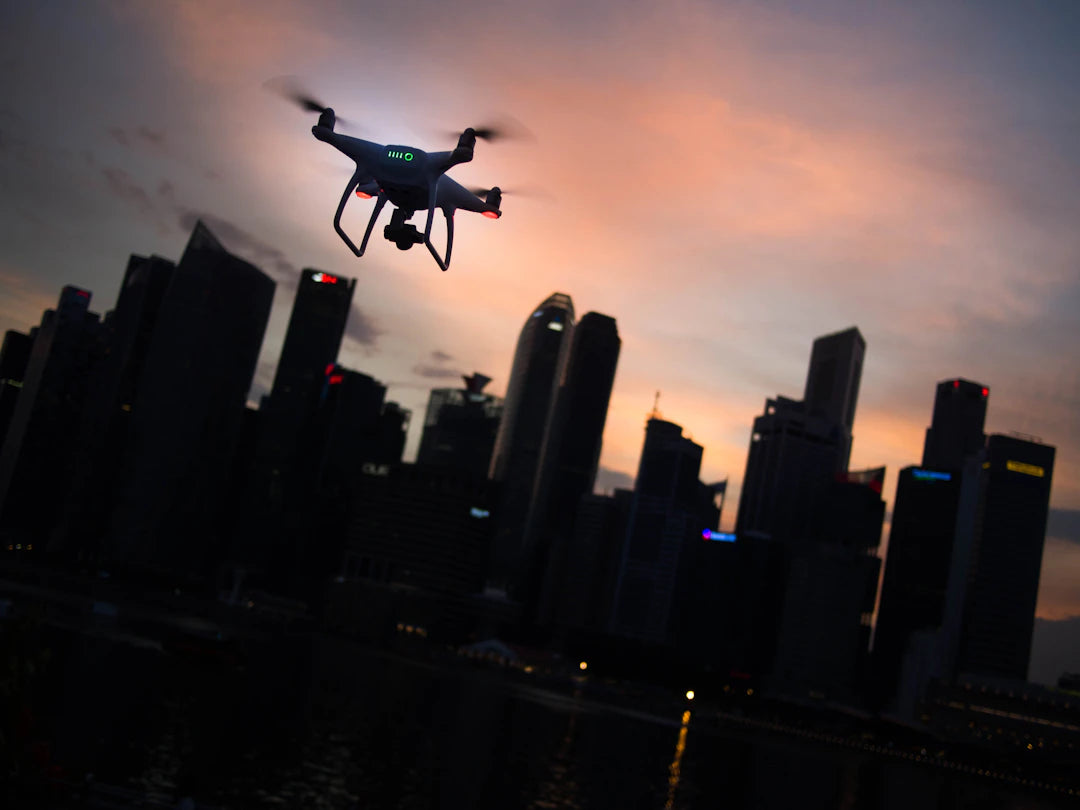
Drones are transforming firefighting by enhancing situational awareness, improving search and rescue operations, and enabling efficient resource allocation. Equipped with infrared thermal cameras, they detect heat sources and assess damage effectively. The advantages include cost efficiency, increased safety, and rapid deployment, though challenges like regulatory restrictions and the need for training remain. The future holds promise with advancements in technology, including AI integration for better data analysis and predictions.
Table of Contents
- The Role of Drones in Firefighting
- Understanding Infrared Thermal Cameras
- Detect Heat Sources
- Search and Rescue Operations
- Assessment of Structural Damage
- The Advantages of Drone Technology in Firefighting
- Specialized Drone Applications
- Thermal Imaging for Wildfires
- Combining Drone Data with ROV Technology
- Drone-Assisted Training Programs
- Challenges Faced by Fire Departments
- Future of Drones in Firefighting
- Integration with AI and Machine Learning
- Increasing Awareness and Education
- Wrapping It Up: The Future of Firefighting and Drones
In recent years, drones have emerged as an invaluable asset in various industries, and fire departments are at the forefront of this technological revolution. Utilizing advanced drone technology enhances public safety through improved situational awareness, efficient resource allocation, and enhanced response times. This article explores how drones, particularly those equipped with infrared thermal cameras and specialized capabilities, can significantly bolster fire department operations.
The Role of Drones in Firefighting
Drones, also known as unmanned aerial vehicles (UAVs), are transforming the way fire departments operate. Here are some critical roles they play in firefighting:
- Real-time Situational Awareness: Drones provide high-altitude perspectives and real-time data to incident commanders, allowing them to make informed decisions quickly.
- Search and Rescue Operations: Equipped with thermal imaging capabilities, drones can locate missing persons even in low visibility conditions.
- Fire Mapping: Drones can assess the size and spread of wildfires, enabling better strategic planning and resource allocation.
- Damage Assessment: After a fire has been extinguished, drones facilitate rapid evaluation of damage, enabling quick recovery planning.
Understanding Infrared Thermal Cameras
One of the most remarkable advancements in drone technology is the integration of infrared thermal cameras. These specialized cameras allow firefighters to:
Detect Heat Sources
Infrared thermal cameras can identify heat differentials, helping firefighters locate hotspots that may reignite after a fire. By detecting these potential ignition sources, fire crews can take action proactively, ensuring thorough extinguishment of all fire traces.
Search and Rescue Operations
During search and rescue missions, finding individuals in dark or obstructed environments is challenging. Infrared thermal cameras help search teams locate people by highlighting their body heat against cooler backgrounds. This capability is invaluable during nighttime or in dense smoke, significantly speeding up the rescue process.
Assessment of Structural Damage
Furthermore, once a fire has been put out, thermal cameras assist in evaluating the extent of damage to structures. By revealing areas of residual heat, firefighters can better understand structural integrity before allowing personnel to enter.
The Advantages of Drone Technology in Firefighting
Integrating drone technology into firefighting operations comes with numerous advantages:
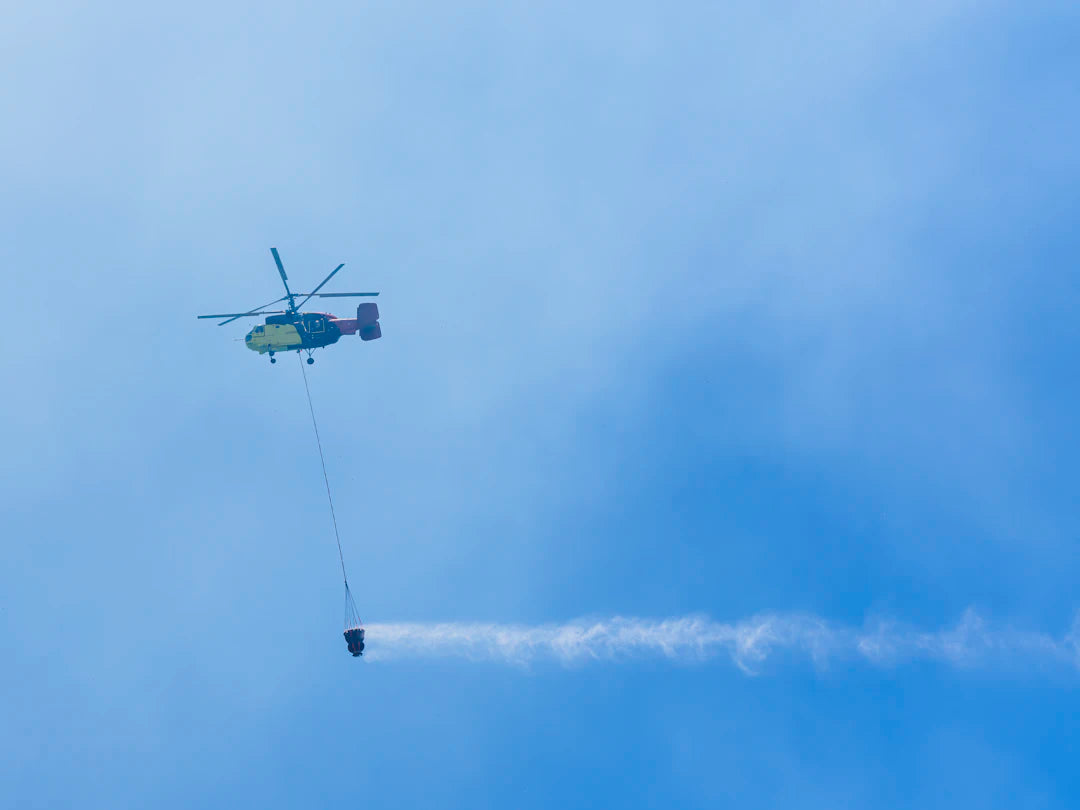
- Cost Efficiency: By using drones for aerial surveillance and assessment, fire departments can save time and reduce costs associated with manned helicopter operations.
- Enhanced Safety: Drones can operate in dangerous environments, allowing firefighters to assess and manage hazardous conditions from a safe distance.
- Rapid Deployment: Drones can be quickly deployed to rapidly assess situations, providing critical information before crews arrive on the scene.
- Versatility: Fire departments can use drones for various applications, from extinguishing fires to documenting incidents and injuries.
Specialized Drone Applications
Each fire department may find a unique application for drone technology based on their specific needs. However, several specialized drone applications have broad appeal:
Thermal Imaging for Wildfires
In combating wildfires, drones equipped with infrared thermal cameras play a crucial role. They survey extensive areas quickly and gather data on fire fronts, which can be used to inform firefighting strategies and operations.
Combining Drone Data with ROV Technology
Another exciting development is how fire departments assess fires in areas with limited access, such as near water bodies. Here, the knowledge of How Underwater ROV Drones Work can be particularly useful. ROVs can be deployed to monitor underwater incidents, while land-based drones provide information about the adjacent land areas.
Drone-Assisted Training Programs
Fire departments can also use drones as part of their training programs. By simulating real-world scenarios, aspiring firefighters can learn to interpret drone footage, assess situations, and make decisions based on real-time aerial data.
Challenges Faced by Fire Departments
Despite the advantages, the integration of drones into firefighting operations is not without challenges. Some of these include:
| Challenge | Description |
|---|---|
| Regulatory Restrictions | Fire departments must navigate regulations regarding UAV usage, which can limit operational flexibility. |
| Technological Limitations | Not all drones have the necessary performance capabilities for specific firefighting tasks, such as carrying heavy payloads. |
| Training Requirements | Firefighters need proper training to operate drones effectively and interpret data accurately. |
| Weather Dependency | Severe weather conditions can hinder drone performance and reliability in emergency operations. |
Future of Drones in Firefighting
As technology advances, the future for drones in firefighting looks promising. Continuous development in drone capabilities, including enhanced battery life, improved thermal imaging technology, and autonomous flying capabilities, will only increase their effectiveness in public safety roles.
Integration with AI and Machine Learning
The incorporation of artificial intelligence (AI) and machine learning into drone operations can further optimize firefighting strategies. Drones could analyze massive amounts of fire data to identify patterns and predict fire behavior, aiding in resource allocation.
Increasing Awareness and Education
Public awareness regarding the role of drones in firefighting is growing. By educating community members on the importance of drones, fire departments can foster stronger community support for funding and technological advancements.
Wrapping It Up: The Future of Firefighting and Drones
In conclusion, the integration of drone technology into fire department operations is a game-changer. The enhanced situational awareness, cost efficiency, safety measures, and operational versatility provided by drones are invaluable assets in the quest for better public safety. The advantages offered by infrared thermal cameras, along with an understanding of how underwater ROV drones work, are just the beginning of what can be achieved with this technology. As fire departments continue to embrace drone applications, they will be better equipped to protect lives and property from the devastating effects of fire.
Key Takeaways
- Drones enhance situational awareness by providing real-time data and high-altitude perspectives for incident commanders.
- Infrared thermal cameras assist in locating missing persons and identifying hotspots, improving search and rescue operations.
- Drones facilitate fire mapping and damage assessment, allowing for better resource allocation and recovery planning.
- Cost efficiency is achieved by using drones for aerial surveillance, reducing the need for manned helicopter operations.
- Rapid deployment of drones enables quick assessment of situations, delivering crucial information before firefighters arrive on scene.
- Challenges include regulatory restrictions and the need for proper training to operate drones effectively in varying weather conditions.
- Future advancements in drone technology, including AI integration, promise to enhance firefighting strategies and improve public safety.
Pros and Cons
| Advantages of Drones in Firefighting | Drawbacks of Drones in Firefighting |
|---|---|
| Improved situational awareness for incident commanders. | Regulatory restrictions limiting operational flexibility. |
| Enhanced safety by assessing hazardous conditions remotely. | Technological limitations on drone performance for specific tasks. |
| Cost efficiency by reducing reliance on manned aerial units. | Training requirements for firefighters to operate drones effectively. |
| Rapid deployment for quick assessment of emergencies. | Weather dependency affecting drone reliability in operations. |
| Versatile applications from firefighting to training simulations. | Potential high initial investment for advanced drone technology. |
Linked Product

Autel Robotics EVO II 640T Thermal and Visual Gimbal Camera
The Autel Robotics EVO II 640T Thermal and Visual Gimbal Camera offers advanced thermal imaging capabilities, featuring ten thermal color palettes and the ability to analyze infrared data with the IRPC TOOL. Its high-resolution visual camera supports multiple photography modes and video recording in various formats, making it versatile for detailed imaging needs. The combination of thermal and visual technologies enhances situational awareness, particularly beneficial for fire departments in assessing and responding to emergencies.
View ProductWho It's For (And Not For)
Who It's For
- Fire Departments Seeking Innovation: If your fire department is looking to enhance operational efficiency and situational awareness, integrating drone technology could be a game-changer.
- Emergency Response Teams: Teams that require rapid assessment and real-time data during emergencies will benefit from the quick deployment and aerial perspectives offered by drones.
- Search and Rescue Operations: Departments focused on improving search and rescue capabilities, especially in low visibility conditions, should consider drones equipped with infrared thermal cameras.
- Budget-Conscious Departments: Fire departments aiming to reduce operational costs while maintaining effectiveness will find drones a cost-efficient alternative to traditional aerial surveillance.
Who It's Not For
- Departments with Limited Resources: Fire departments that lack the budget for drone technology and necessary training may find it challenging to implement effectively.
- Organizations Unwilling to Adapt: If your team is resistant to adopting new technologies or changing established procedures, drone integration may not be suitable.
- Areas with Strict Regulations: Fire departments operating in regions with stringent UAV regulations may face limitations that hinder effective drone usage.
- Departments Facing Severe Weather Challenges: If your area frequently experiences severe weather that could impact drone performance, this technology may not be reliable for your needs.
Frequently Asked Questions
1. How do drones enhance firefighting operations?
2. What capabilities do drones equipped with infrared thermal cameras provide?
3. What are some advantages of using drones in firefighting?
4. What challenges do fire departments face when integrating drones?
5. What does the future hold for drone technology in firefighting?
Glossary
| Term | Meaning |
|---|---|
| Drones | Unmanned aerial vehicles used for various operational tasks. |
| Infrared Thermal Cameras | Cameras that detect heat differences to identify hot spots. |
| Situational Awareness | Understanding the current environment to make informed decisions. |
| Search and Rescue | Operations aimed at locating and assisting missing individuals. |
| Fire Mapping | Assessing fire size and spread for strategic planning. |
| Damage Assessment | Evaluating structural damage post-fire for recovery planning. |
| Cost Efficiency | Reducing operational costs through effective resource use. |
| Rapid Deployment | Quickly sending drones to assess emergency situations. |
| ROV Technology | Remote-operated vehicles used for underwater monitoring. |
| AI Integration | Using artificial intelligence to enhance drone operations. |