Federal Agencies: Drones in Action for National Security
Overview
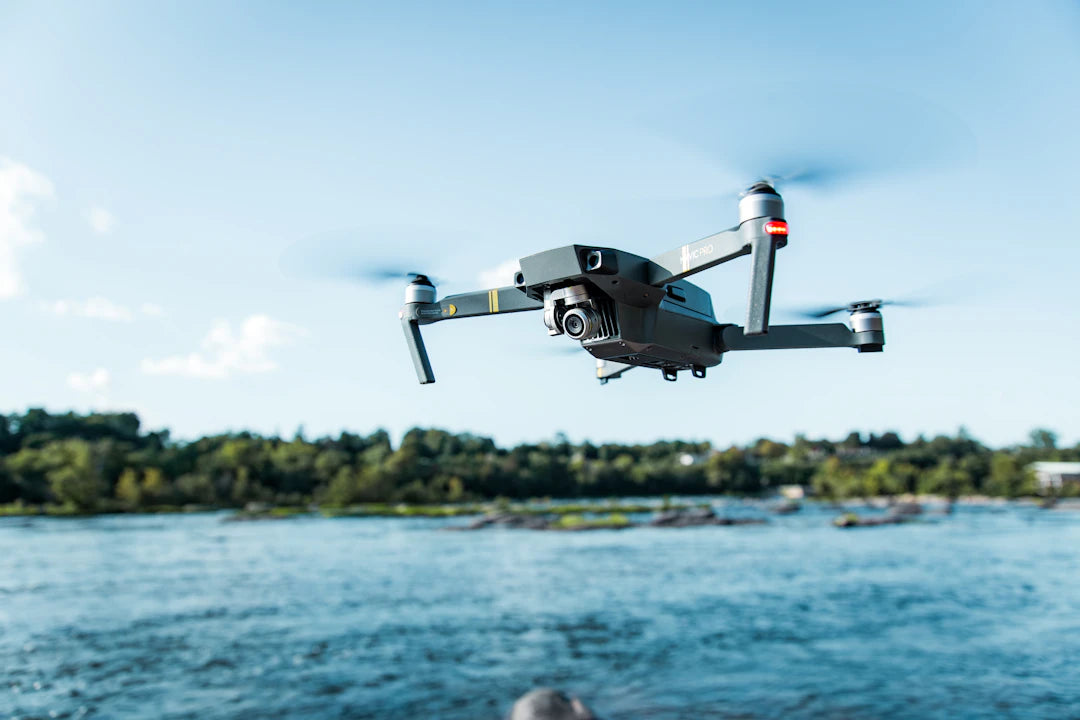
Drones are transforming national security operations in the U.S., with federal agencies like the DHS, FBI, CBP, and DoD utilizing advanced drone technology for surveillance, disaster response, and search and rescue. Key benefits include real-time surveillance, cost-effectiveness, and reduced risk to personnel. However, challenges such as regulatory issues and privacy concerns remain. As technology evolves, the future of drones in national security looks promising, with potential for increased autonomy and integration with other technologies.
Table of Contents
- The Rise of Drone Technology in Federal Agencies
- Key Federal Agencies Utilizing Drones
- 1. Department of Homeland Security (DHS)
- 2. Federal Bureau of Investigation (FBI)
- 3. U.S. Customs and Border Protection (CBP)
- 4. Department of Defense (DoD)
- How Drones are Enhancing National Security Operations
- Surveillance and Reconnaissance
- Disaster Response
- Search and Rescue Operations
- Table: Comparison of Drone Capabilities
- Future Implications of Drones in National Security
- Challenges and Considerations
- Regulatory and Legal Issues
- Privacy Concerns
- Technical Limitations
- What Lies Ahead for Drones in National Security
The use of drones in national security is no longer a futuristic concept; it’s a present-day reality. Various federal agencies across the United States are leveraging drone technology to enhance their operational capabilities and ensure the safety of its citizens. This article delves into how these agencies are harnessing drones, including specialized models like the DJI Matrice 30T and the innovative underwater drone camera, to tackle emerging threats and streamline operations.
The Rise of Drone Technology in Federal Agencies
Over the last decade, the rapid advancements in drone technology have transformed how federal agencies approach national security. Drones offer numerous advantages, including:
- Real-time surveillance: Drones can provide live feeds from the field, enabling agencies to assess situations more effectively.
- Cost-effectiveness: Deploying drones can be less expensive than traditional aircraft operations.
- High adaptability: Agencies can equip drones with various payloads tailored to specific missions.
- Reduced risk: Drones can be sent into dangerous situations without endangering personnel.
Key Federal Agencies Utilizing Drones
Several federal agencies have been at the forefront of employing drones for national security. Here’s a closer look at some of the most notable ones:
1. Department of Homeland Security (DHS)
The DHS integrates drone technology to monitor borders and sensitive areas. Equipped with sophisticated cameras, including the DJI Matrice 30T, these drones can capture high-resolution imagery and video to analyze suspicious activities.
2. Federal Bureau of Investigation (FBI)
The FBI utilizes drones to gather intelligence during critical investigations. They can be deployed quickly and can cover vast areas, making them invaluable for real-time situational awareness. The use of drones enhances their operational capabilities without unnecessary risk to personnel.
3. U.S. Customs and Border Protection (CBP)
CBP employs drones extensively for surveillance along U.S. borders. By using advanced technology, CBP can monitor illegal crossings and drug trafficking from a safe distance. Drones equipped with thermal imaging cameras can also track activities during obscured visibility conditions.
4. Department of Defense (DoD)
The DoD has long been a pioneer in drone technology, particularly for combat operations. The integration of drones into military strategies has reshaped how operations are conducted, providing unparalleled intelligence and operational advantages.
How Drones are Enhancing National Security Operations
Drones have revolutionized how federal agencies gather intelligence and engage with various scenarios. Here’s a detailed exploration of their applications:
Surveillance and Reconnaissance
Drones provide a superior means of surveillance and reconnaissance, offering enhanced capabilities over traditional methods. They can:
- Monitor large areas quickly, covering more ground than ground-based teams.
- Conduct persistent surveillance in high-threat zones.
- Utilize advanced imaging technologies, from standard high-definition cameras to infrared capabilities.
Disaster Response
In the aftermath of natural disasters, drones can be deployed to assess damage and support emergency response efforts. Their ability to rapidly deliver aerial imagery enables agencies to:
- Identify areas in need of immediate assistance.
- Monitor ongoing relief operations and logistical requirements.
- Assist personnel in navigating hazardous environments.
Search and Rescue Operations
Drones have become essential tools in search and rescue missions. Equipped with various payloads, including underwater drone cameras for marine operations, they can facilitate:
- Efficient searches over vast terrains and bodies of water.
- Real-time data relay to coordinators on the ground.
- Cost-effective alternatives to manned aircraft and in-water recovery teams.
Table: Comparison of Drone Capabilities
| Drone Model | Key Features | Ideal Applications |
|---|---|---|
| DJI Matrice 30T | High-resolution camera, thermal imaging, advanced flight modes | Surveillance, reconnaissance, disaster management |
| Underwater Drone Camera | HD video capture, sonar capabilities, submersible | Search and rescue, marine exploration, infrastructure inspection |
Future Implications of Drones in National Security
The potential applications of drones in national security are limitless. As technology continues to advance, so will the capabilities of these aerial vehicles. Here’s what the future may hold:
- Increased autonomy: Future drones may incorporate greater levels of artificial intelligence, allowing them to operate independently and make real-time decisions.
- Enhanced connectivity: As 5G technology becomes more widespread, drones could transmit data more efficiently, providing near-instantaneous feedback for mission-critical operations.
- Integration with other technologies: Drones could be used alongside other emerging technologies such as robotic ground vehicles, creating a multi-faceted approach to security.
Challenges and Considerations
Despite their numerous advantages, federal agencies face challenges when integrating drones into their operations. The complications include:
Regulatory and Legal Issues
The use of drones is governed by regulations, which can vary across different jurisdictions. Agencies must navigate these rules carefully to avoid legal repercussions while conducting surveillance or responding to incidents.
Privacy Concerns
Drones raise significant privacy concerns — primarily regarding surveillance without consent. Federal agencies must balance national security interests with citizens' rights. Ensuring transparency and establishing clear guidelines will be crucial in addressing these concerns.
Technical Limitations
While drone technology is advancing, there are still technical limitations to consider. These include:
- Battery life restricting the range and flight time of drones.
- Weather limitations affecting flight capabilities, particularly for fixed-wing drones.
- The need for ongoing maintenance and training to ensure effective utilization of drone technology.
What Lies Ahead for Drones in National Security
As drones continue to evolve, their role in national security will expand even further. Federal agencies are becoming increasingly aware of the immense potential these technologies hold. By investing in advanced models, such as the DJI Matrice 30T, and exploring innovative tools like underwater drone cameras, agencies can enhance their operational capacity and ultimately safeguard the nation's security.
The integration of drones into national security operations represents a significant leap forward. As we embrace this technology, the possibilities are indeed as vast as the skies they patrol.
Key Takeaways
- Drones are currently being utilized by federal agencies such as the DHS, FBI, CBP, and DoD to enhance national security operations.
- Key advantages of drone technology include real-time surveillance, cost-effectiveness, high adaptability, and reduced risk to personnel.
- The DJI Matrice 30T and underwater drone cameras are examples of specialized drones enhancing operational capabilities.
- Drones play a crucial role in disaster response by providing aerial imagery to assess damage and support emergency efforts.
- Search and rescue operations benefit from drones, which can cover extensive areas and relay real-time data to coordinators.
- Future advancements in drone technology may include increased autonomy and enhanced connectivity through 5G, improving operational efficiency.
- Challenges for federal agencies involve navigating regulatory issues, addressing privacy concerns, and overcoming technical limitations like battery life and weather constraints.
Pros and Cons
| Advantages of Drone Technology | Drawbacks of Drone Technology |
|---|---|
| Real-time surveillance capabilities enhance situational awareness. | Regulatory and legal issues may complicate operations. |
| Cost-effective compared to traditional aircraft operations. | Privacy concerns regarding surveillance without consent. |
| High adaptability with various payloads for specific missions. | Technical limitations, such as battery life and weather restrictions. |
| Reduced risk to personnel in dangerous situations. | Ongoing maintenance and training required for effective use. |
Linked Product

DJI Matrice 30T M30T Enterprise Thermal Drone (No Batteries)
The DJI Matrice 30T M30T Enterprise Thermal Drone is designed for powerful flight performance, featuring a maximum flight time of 41 minutes and the ability to operate in wind speeds of up to 15 m/s. Its environmental adaptability, with IP55 protection, allows it to function in extreme temperatures from -20°C to 50°C, making it suitable for a variety of mission environments. The drone also includes advanced safety features, such as dual-vision sensors and built-in redundancy systems, ensuring reliable operation during critical missions.
View ProductWho It's For (And Not For)
Who It's For
- Government Officials and Agencies: Those involved in national security or law enforcement can benefit from understanding drone technology for enhanced operational capabilities.
- Security Professionals: Individuals working in security sectors may find the insights on drone applications useful for improving surveillance and response strategies.
- Technology Enthusiasts: People interested in the latest advancements in drone technology and its implications for national security will find this information valuable.
- Emergency Response Teams: Organizations focused on disaster response and search and rescue operations can leverage drones for efficient operations.
Who It's Not For
- General Public: Individuals not involved in security, law enforcement, or emergency response may not find the technical details relevant to their interests.
- Privacy Advocates: Those primarily concerned with privacy issues related to surveillance may find the content challenging, as it focuses on the benefits of drone use in national security.
- Non-Technical Readers: People without a background in technology may struggle to grasp the complex details regarding drone capabilities and applications.
- Individuals Opposed to Drone Use: Those who are against the use of drones for surveillance and security purposes may not appreciate the advantages discussed in the article.
Frequently Asked Questions
1. How are drones used in national security?
2. Which federal agencies utilize drones for national security?
3. What are the benefits of using drones in security operations?
4. What are some challenges faced by agencies in using drones?
5. What does the future hold for drones in national security?
Glossary
| Term | Meaning |
|---|---|
| Drones | Unmanned aerial vehicles used for various operations. |
| Real-time surveillance | Live monitoring of situations for immediate assessment. |
| Department of Homeland Security (DHS) | U.S. agency focused on protecting the nation from threats. |
| Federal Bureau of Investigation (FBI) | U.S. agency investigating federal crimes and gathering intelligence. |
| U.S. Customs and Border Protection (CBP) | Agency responsible for border security and immigration enforcement. |
| Department of Defense (DoD) | Government department overseeing military operations and strategy. |
| Thermal imaging | Technology that detects heat to visualize objects in low visibility. |
| Search and Rescue | Operations aimed at locating and helping individuals in distress. |
| Autonomy | The ability of drones to operate independently using AI. |
| Privacy concerns | Issues related to surveillance and individual rights. |