Drones Transforming Disaster Response Strategies
Overview
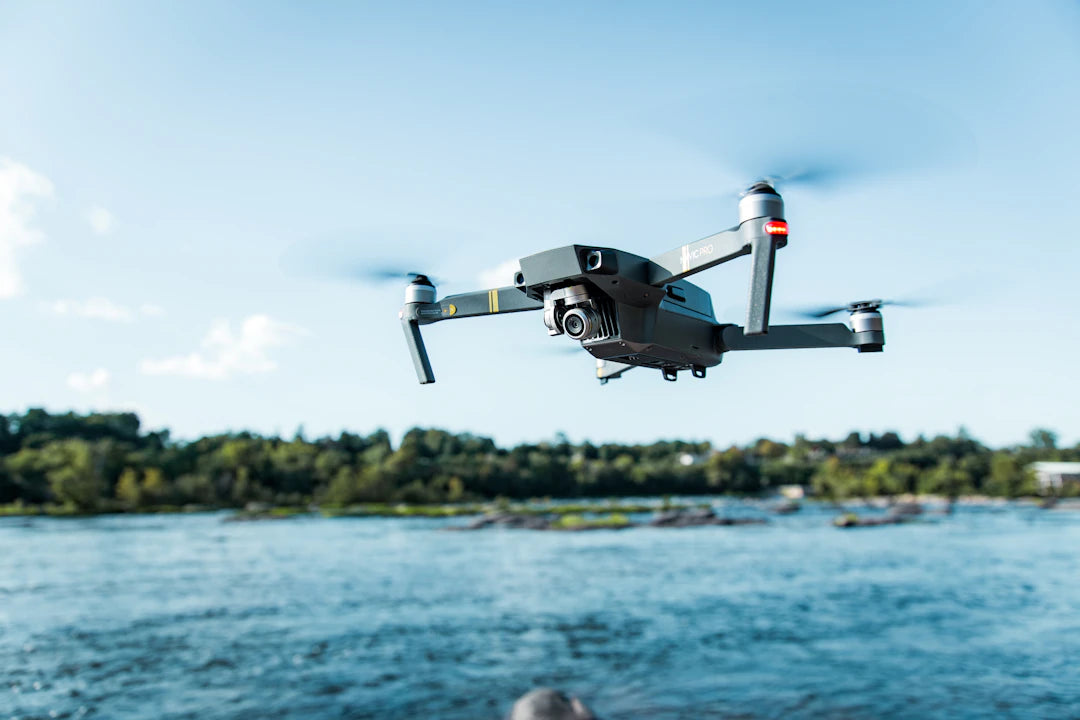
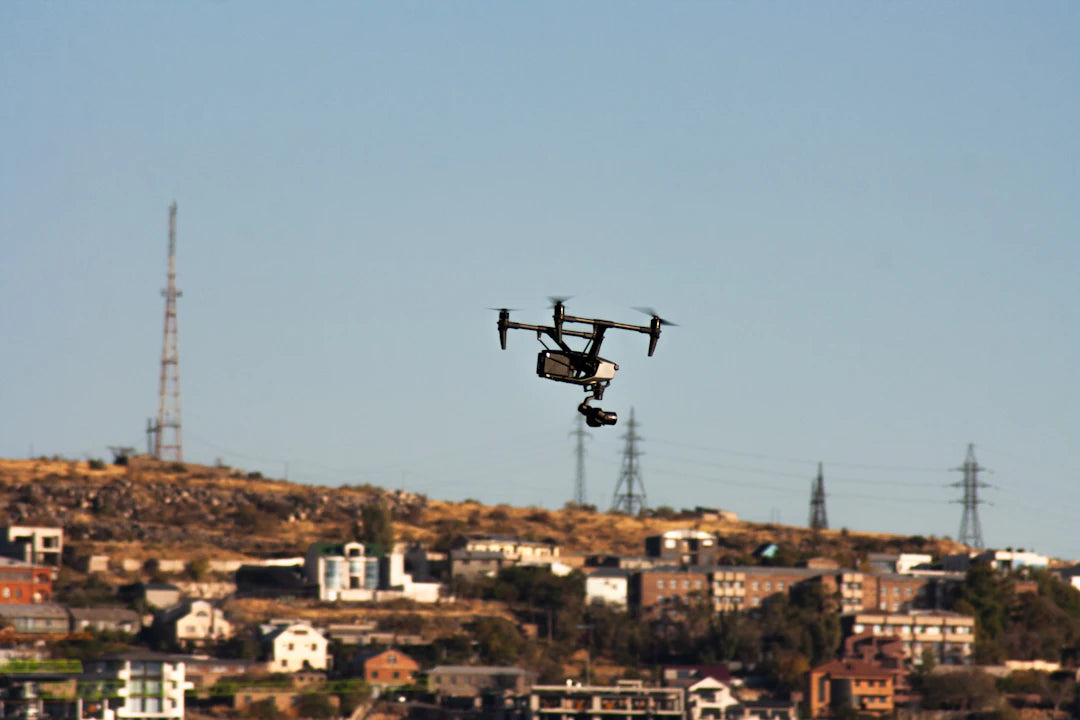
Drones are reshaping disaster response by providing rapid assessments, efficient logistics, and access to hard-to-reach areas, making them indispensable tools in emergency management. Their ability to deliver supplies, conduct search and rescue operations, and gather vital data enhances response efforts during crises. As technology advances, drones will continue to revolutionize how we tackle disasters, ultimately saving lives and improving recovery outcomes.
Table of Contents
- The Rise of Drone Technology in Emergencies
- Applications of Drones in Disaster Response
- Search and Rescue Operations
- Damage Assessment and Recovery Planning
- Logistics and Supply Delivery
- Case Studies Highlighting Drone Efficacy
- Case Study 1: Hurricane Harvey
- Case Study 2: Wildfires in Australia
- Case Study 3: Earthquake Response in Nepal
- The Future of Drones in Disaster Response
- Challenges and Considerations
- Engaging Communities and Raising Awareness
- Join the Drone Revolution in Disaster Response!
In the recent years, the role of drones in disaster response has transformed dramatically. As emergency situations become increasingly complex, drone technology for emergencies offers unprecedented solutions to some of the most pressing challenges faced by responders today. From mapping disaster areas to delivering supplies, drones are proving to be invaluable tools in disaster management. Join us as we delve into how these remarkable machines are revolutionizing the way we respond to crises.
The Rise of Drone Technology in Emergencies
The emergence of drone technology has greatly benefitted numerous sectors, and emergency management is no exception. Drones provide numerous advantages, including:
- Speed: Drones can cover large areas rapidly, providing real-time data during disaster situations.
- Data Collection: They gather high-resolution images and videos, essential for assessing damage and planning recovery efforts.
- Access to Hard-to-Reach Areas: Drones can navigate challenging terrain, allowing responders to access critical locations that may be unsafe for ground personnel.
According to research, the global drone market in emergency management is projected to grow significantly over the next few years, driven by technological advancements and the recognition of drones' capabilities in life-saving missions.
Applications of Drones in Disaster Response
Search and Rescue Operations
One of the most critical roles that emergency management drones play is in search and rescue operations. They enable first responders to:
- Identify victims in disaster-stricken areas quickly.
- Assess situational dynamics using heat signature recognition technologies.
- Deliver essential supplies and medical aid efficiently.
In instances such as earthquakes or floods, where infrastructure may be compromised, drones can search inaccessible areas, effectively shortening the rescue time.
Damage Assessment and Recovery Planning
Accurate damage assessment is crucial for effective recovery planning. Drones equipped with high-resolution cameras can:
- Provide aerial imagery of affected areas.
- Strengthen understanding of the damage severity.
- Assist in mapping priority zones for recovery efforts.
This data helps assess the needs of the impacted population and strategize resource allocation more effectively.
Logistics and Supply Delivery
In disaster situations, logistics become a major obstacle. Drones can help overcome this challenge by:
- Transporting medical supplies, food, and essential goods to isolated locations.
- Reducing the time needed to distribute supplies effectively.
With the capability to transport lightweight goods, drones become a crucial asset in time-sensitive situations. Leveraging drone technology for emergencies cuts down logistics costs and enhances efficiency, improving overall response time during crises.
Case Studies Highlighting Drone Efficacy
While the benefits of drones in disaster response are clear, let's explore a few real-world case studies that demonstrate their effectiveness:
Case Study 1: Hurricane Harvey
During Hurricane Harvey in 2017, volunteers deployed drones to assess flooding levels and map infrastructure damage. The aerial footage provided clarity on areas needing immediate assistance, aiding responders in their efforts. The rapid data collection enabled first responders to prioritize rescue efforts and strategies for effective deployment of resources.
Case Study 2: Wildfires in Australia
In Australia, drones equipped with thermal imaging were utilized to locate hotspots in wildfires. The drones offered real-time data on fire behavior and helped firefighters devise strategies to control the blaze effectively. This application of emergency management drones advanced operational effectiveness and safety for ground personnel.
Case Study 3: Earthquake Response in Nepal
Following the devastating earthquake in Nepal in 2015, drones were used not only for mapping the extent of the damage but also for carrying medical supplies to remote villages that were difficult to access due to landslides. This implementation of drone technology for emergencies saved lives and expedited recovery efforts.
The Future of Drones in Disaster Response
| Future Applications | Impact |
|---|---|
| AI Integration | Improved autonomous decision-making for rapid response |
| Advanced Imaging Technologies | Higher resolution data for damage assessments |
| Multi-drone Coordination | Increased coverage and efficiency in data collection |
The future of drones in disaster response is bright and full of potential. With advancements in AI integration, imaging technologies, and multi-drone operations, the possibilities are boundless. Emergency management will continue to evolve with these innovations, providing ever more efficient and effective solutions in response to crises.
Challenges and Considerations
Despite the vast advantages drones offer in emergency management, there are still challenges that need addressing:
- Regulatory Issues: Increased regulations surrounding drones can limit their deployment during emergencies.
- Privacy Concerns: The need for data privacy must be balanced with surveillance requirements during response operations.
- Technological Limitations: Drones have weight and battery limitations that can restrict payload capabilities.
As these challenges are addressed, the integration of drones into standard emergency management practices will likely witness exponential growth.
Engaging Communities and Raising Awareness
One of the crucial steps to enhancing the effectiveness of drones in disaster response is raising awareness and engaging local communities. It is essential for communities to:
- Understand how drones can assist during disasters.
- Get involved in training and participation in drone operations.
Workshops, public meetings, and practical demonstrations can help disseminate crucial information about the capabilities of drone technology for emergencies. Active engagement with local emergency services will empower communities and foster resilience.
Join the Drone Revolution in Disaster Response!
As we look to the future, it is clear that drones will play an essential role in revolutionizing disaster response. The technology continues to evolve, opening new avenues for operational support, efficiency, and life-saving applications. At Dronez Technologies, we are committed to providing insights into how drone technology can transform emergency management practices.
Whether you are an emergency management professional, a volunteer, or simply interested in technology, embracing the future of drones in disaster response means engaging with innovation that can save lives. Let's work together to redefine how we respond to disasters and build a more prepared and resilient society.
Key Takeaways
- Drones enhance disaster response speed by covering large areas quickly and providing real-time data.
- High-resolution imaging from drones is crucial for accurate damage assessment and recovery planning.
- Drones facilitate access to hard-to-reach areas, enabling responders to assist victims in unsafe locations.
- Logistics efficiency is improved as drones transport essential supplies directly to isolated communities.
- Case studies demonstrate the effectiveness of drones in real-world scenarios, such as Hurricane Harvey and Australian wildfires.
- Future advancements in AI and imaging technologies promise enhanced operational capabilities for drones in emergencies.
- Community engagement is vital for maximizing the benefits of drone technology in disaster response efforts.
Pros and Cons
| Advantages of Drones in Disaster Response | Drawbacks of Drones in Disaster Response |
|---|---|
| Speedy coverage of large areas, providing real-time data. | Regulatory issues may limit drone deployment during emergencies. |
| High-resolution data collection for damage assessment. | Privacy concerns regarding surveillance during operations. |
| Access to hard-to-reach areas, enhancing rescue operations. | Technological limitations on payload capacity and battery life. |
| Efficient logistics for transporting essential supplies. | Dependence on trained personnel for effective drone operation. |
| Enhanced safety for ground responders through aerial support. | Public misconceptions and lack of awareness about drone capabilities. |
Linked Product

DJI Matrice 30T M30T Enterprise Thermal Drone (No Batteries)
The DJI Matrice 30T M30T Enterprise Thermal Drone is designed for efficient disaster response with its powerful flight performance and advanced safety features. With a maximum flight time of 41 minutes and environmental adaptability to extreme temperatures, this drone can operate reliably in challenging conditions. Its integrated thermal cameras and enhanced transmission capabilities allow for effective aerial data capture and real-time communication among response teams.
View ProductWho It's For (And Not For)
Who It's For
- Emergency Management Professionals: Those involved in disaster response who want to enhance their operational capabilities with innovative technology.
- Volunteers in Disaster Relief: Individuals looking to contribute effectively to rescue efforts and logistics during emergencies.
- Technology Enthusiasts: People interested in the latest advancements in drone technology and its applications in real-world scenarios.
- Communities in Disaster-Prone Areas: Residents who want to understand how drones can assist in local disaster response and recovery efforts.
Who It's Not For
- Individuals Uninterested in Technology: Those who prefer traditional methods of disaster management and are not open to adopting new technologies.
- People with Privacy Concerns: Individuals who prioritize privacy and may feel uncomfortable with drone surveillance during emergencies.
- Organizations with Limited Resources: Groups that lack the funding or infrastructure to integrate drone technology into their disaster response plans.
- Regulatory Bodies Resistant to Change: Authorities that are hesitant to adapt existing regulations to accommodate the use of drones in emergency situations.
Frequently Asked Questions
1. How are drones transforming disaster response?
2. What advantages do drones offer in emergency situations?
3. What are some applications of drones in disaster response?
4. Can you provide examples of drones used in real disaster situations?
5. What challenges do drones face in disaster response efforts?
Glossary
| Term | Meaning |
|---|---|
| Drones | Unmanned aerial vehicles used for various tasks, including disaster response. |
| Search and Rescue | Operations aimed at locating and assisting individuals in distress during emergencies. |
| Damage Assessment | The process of evaluating the extent of destruction caused by a disaster. |
| Logistics | Management of the flow of resources and supplies to support emergency operations. |
| Thermal Imaging | Technology that detects heat signatures, useful in locating hotspots during fires. |
| AI Integration | Incorporating artificial intelligence to enhance drone decision-making and efficiency. |
| Multi-drone Coordination | Simultaneous operation of multiple drones to cover larger areas and gather data. |
| Community Engagement | Involving local populations in disaster response training and awareness initiatives. |
| Regulatory Issues | Legal restrictions that may impact the deployment of drones in emergencies. |
| Privacy Concerns | Issues related to data protection and surveillance during drone operations. |