Drones in Construction: Revolutionizing Project Management
Overview
Drones are revolutionizing the construction industry by improving efficiency, safety, and accuracy. They facilitate quick site surveys, real-time monitoring, and cost savings while enhancing data collection. Various types of drones serve specific functions, and their integration into project management requires strategic planning. Future trends include autonomous drones and AI enhancements, making them essential tools for modern construction.
Table of Contents
- The Rise of Drones in Construction
- Benefits of Using Drones in Construction
- Drones for Site Surveys and Mapping
- How Drones Facilitate Efficient Surveys
- Types of Drones Used in Construction
- Integrating Drones Into Project Management
- Strategic Implementation Steps
- Drone Applications in Construction
- Inspection and Monitoring
- Progress Tracking
- Data Collection and Analysis
- Comparing Drones for Various Uses
- Underwater Drone vs Scuba Inspection
- Future Trends in Drone Technology for Construction
- The Sky’s the Limit: Embracing Drone Technology
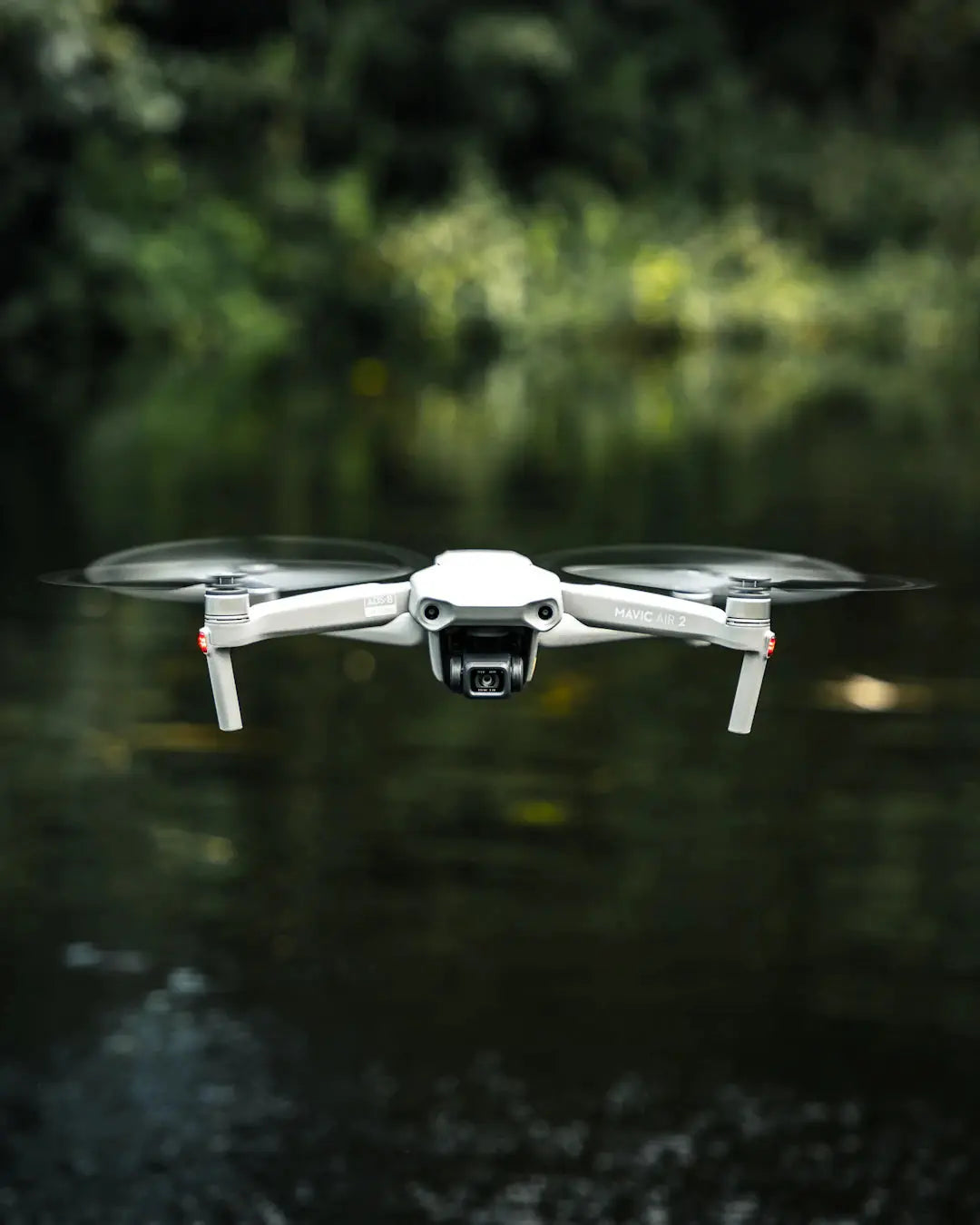
In recent years, the construction industry has witnessed a technological revolution with the introduction of drones. These unmanned aerial vehicles (UAVs) have transformed how projects are managed, enhancing efficiency, safety, and accuracy. From surveying sites to monitoring progress, drones are becoming an indispensable tool for construction professionals everywhere. In this article, we’ll explore the many ways drones are changing the construction landscape, their benefits, and potential applications, along with a comparison of various types of drones, like the Autel EVO Lite 640T and those used for underwater inspections.
The Rise of Drones in Construction
The construction industry is one of the sectors where drone technology has rapidly gained traction. This shift comes as businesses seek innovative solutions to overcome longstanding challenges, including project delays, budget overruns, and safety concerns. Drones are not just high-tech gadgets; they serve specific functions that enhance productivity and decision-making.
Benefits of Using Drones in Construction
Drones offer numerous benefits that make them essential in modern construction. Below are the main advantages:
- Efficient Site Surveys: Drones can quickly survey large areas, capturing high-resolution images and data. This speed reduces time spent on pre-construction planning.
- Real-time Monitoring: Project managers can monitor ongoing work in real-time, facilitating timely interventions when necessary.
- Cost-Effectiveness: By decreasing the time spent on manual labor and minimizing errors, drones contribute to significant cost savings.
- Enhanced Safety: Drones can access hard-to-reach areas and help inspect potentially hazardous locations without putting human workers at risk.
- Improved Data Accuracy: Advanced aerial imagery allows for precise measurements and data collection, leading to better planning and execution.
Drones for Site Surveys and Mapping
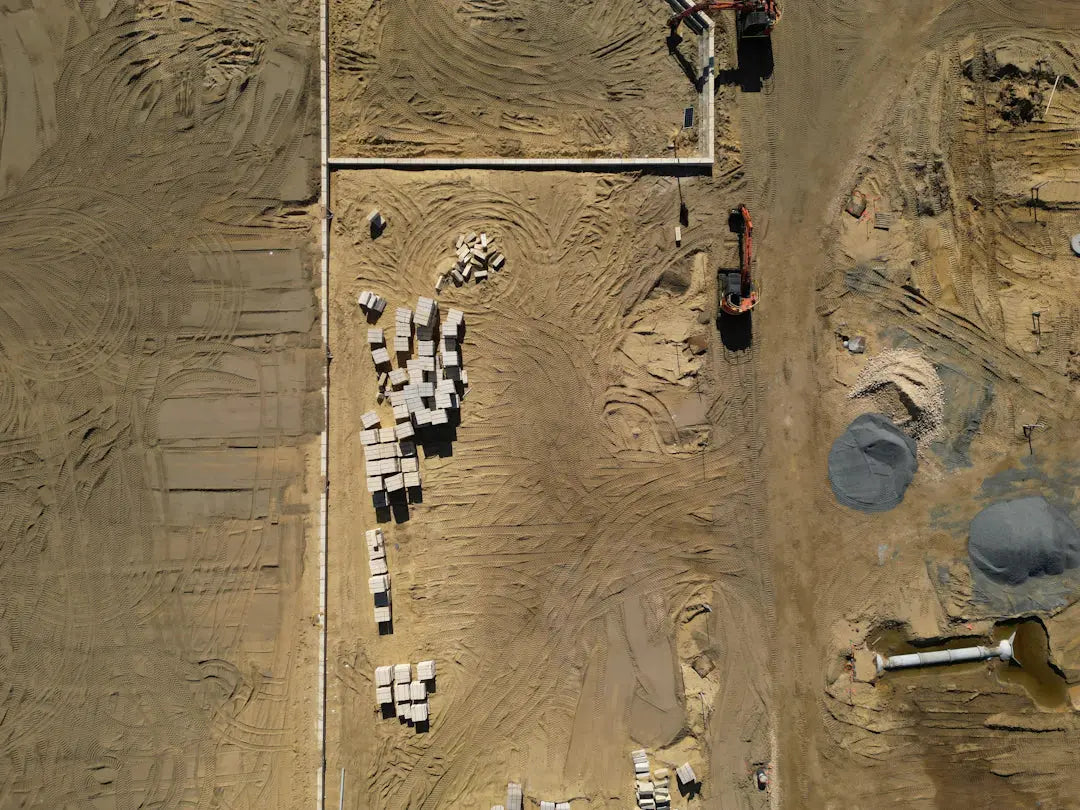
Drones are revolutionizing site surveying and mapping processes. With their ability to capture detailed aerial imagery, they allow construction teams to create 3D models and topographical maps with exceptional accuracy.
How Drones Facilitate Efficient Surveys
Here’s a simple overview of how the surveying process is enhanced by drones:
- Initial Site Assessment: Drones conduct a preliminary survey to gather data about the construction area.
- Data Processing: Aerial imagery is processed using specialized software to create detailed maps and models.
- Project Planning: Teams use the generated models for planning and design work, ensuring all aspects are well-considered before construction begins.
- Continuous Monitoring: Drones are deployed at various stages of construction to monitor progress and catch discrepancies early.
Types of Drones Used in Construction
Various types of drones are utilized within the construction sector, each designed for specific functions. Here’s a look at the most popular types:
| Type of Drone | Primary Use | Key Features |
|---|---|---|
| Fixed-Wing Drones | Mapping large areas | Long flight times, high endurance |
| Multi-Rotor Drones | Detailed inspections | Stability, hover capability |
| Hybrid Drones | Versatile applications | Combines fixed-wing and rotor capabilities |
| Thermal Drones | Building inspections | Heat-sensing technology for energy audits |
Integrating Drones Into Project Management
Successfully integrating drones into project management processes involves a strategic approach. It is crucial to establish clear objectives for their use. Below are several key steps to effectively incorporate drone technology:
Strategic Implementation Steps
- Define Objectives: Determine the specific tasks you want drones to perform and identify how they align with your project goals.
- Choose the Right Technology: Assess various drones available, considering factors like terrain, resolution needs, and specific tasks (e.g., using the Autel EVO Lite 640T for thermal inspections).
- Train Your Team: Ensure that your staff understands how to operate drones effectively and competently applies the collected data to project management.
- Monitor & Evaluate: Track the outcomes of drone integration, adjusting your strategies as needed to optimize performance.
Drone Applications in Construction
Drones are not only beneficial for surveying and mapping but also find use in various other facets including:
Inspection and Monitoring
Drones can efficiently inspect roofs, bridges, and other infrastructures without the need for scaffolding or ladders. This capability greatly reduces labor costs and downtime.
Progress Tracking
Project managers can utilize drones to provide regular updates on progress, ensuring projects remain on schedule. This visual record can also assist in stakeholder communications.
Data Collection and Analysis
The data collected by drones can be processed and analyzed to create detailed reports. These reports help in making informed decisions that influence project outcomes.
Comparing Drones for Various Uses
Drones can serve multiple functions across different industries. In construction, the choice of drone will often depend on the specific application required. For instance, underwater drone technology is vastly different from terrestrial drones.
Underwater Drone vs Scuba Inspection
When comparing an underwater drone to traditional scuba inspections, consider the following:
| Aspect | Underwater Drone | Scuba Inspection |
|---|---|---|
| Safety | Operated remotely, reducing risk | Involves human divers, higher risk |
| Cost | Lower long-term costs once purchased | Higher recurring costs for dive teams |
| Accessibility | Can access hard-to-reach locations easily | Limited by diver's physical capability |
| Data Quality | High-resolution imaging and video | Human observation might miss details |
Future Trends in Drone Technology for Construction
The future of drones in the construction industry looks promising as technology evolves. Some trends to watch include:
- Autonomous Drones: A shift towards fully autonomous drones will simplify processes such as site inspections and data collection.
- AI Integration: The incorporation of artificial intelligence will enhance data analysis capabilities, making drones more efficient.
- Improved Regulations: As regulations evolve, we can expect more widespread adoption and integration of drones in construction.
The Sky’s the Limit: Embracing Drone Technology
Drones are undeniably reshaping the construction industry. By harnessing this innovative technology, construction companies can achieve greater efficiency, safety, and cost-effectiveness. Whether it's site surveying, project monitoring, or inspections, the applications of drones are nearly limitless. As you consider incorporating drones into your business strategy, remember to stay informed about advancements and regulatory changes. Embrace this game-changing technology today, and position your construction business for success in an increasingly competitive landscape!
Key Takeaways
- Drones are revolutionizing construction by enhancing efficiency, safety, and accuracy in project management.
- Key benefits of drones include efficient site surveys, real-time monitoring, cost-effectiveness, enhanced safety, and improved data accuracy.
- Types of drones used in construction range from fixed-wing drones for mapping large areas to thermal drones for building inspections.
- Strategic integration of drones into project management involves defining objectives, choosing the right technology, training staff, and monitoring outcomes.
- Drones facilitate various applications such as inspection, progress tracking, and data collection, significantly reducing labor costs and improving communication.
- Future trends in drone technology include the development of autonomous drones and the integration of artificial intelligence for enhanced data analysis.
- Embracing drone technology positions construction companies for greater success in a competitive landscape, making it essential to stay informed about advancements and regulations.
Pros and Cons
| Advantages of Drones in Construction | Drawbacks of Drones in Construction |
|---|---|
| Efficient site surveys reduce pre-construction planning time. | Initial investment costs for drone technology can be high. |
| Real-time monitoring allows for timely interventions. | Weather conditions can affect drone operations. |
| Enhanced safety by inspecting hazardous areas without risk to workers. | Regulatory compliance may pose challenges in some regions. |
| Improved data accuracy leads to better project planning. | Requires skilled personnel for operation and data analysis. |
| Cost-effective by minimizing manual labor and errors. | Limited battery life can restrict operational time. |
Linked Product

Autel Robotics EVO Lite 640T Enterprise Premium Package
The Autel Robotics EVO Lite 640T Enterprise Premium Package is designed for efficient single-person deployment in various operational scenarios, including law enforcement and emergency rescue. Featuring a dual gimbal system with both visible light and thermal imaging cameras, it provides clear imagery and essential thermal data for informed decision-making. With a flight time of up to 40 minutes and advanced AI target recognition capabilities, this drone enhances the effectiveness of missions while ensuring user-friendly operation.
View ProductWho It's For (And Not For)
Who It's For
- Construction Professionals: If you work in the construction industry and are looking to enhance efficiency and accuracy in your projects, drones can be a valuable tool.
- Project Managers: Those responsible for overseeing construction timelines and budgets will benefit from real-time monitoring and data collection capabilities offered by drones.
- Safety-Conscious Teams: If your team prioritizes safety, using drones can reduce the need for workers to access hazardous areas.
- Data-Driven Decision Makers: Individuals who rely on accurate data for project planning and execution will find drones useful for gathering detailed site information.
Who It's Not For
- Small Projects: If your construction projects are small in scale and do not require extensive surveying or monitoring, the investment in drone technology may not be justified.
- Teams Unwilling to Adapt: Organizations that are resistant to change and not open to integrating new technologies may struggle to benefit from drones.
- Budget-Conscious Firms: Companies with tight budgets that cannot accommodate the initial investment and ongoing costs of drone technology might find it impractical.
- Non-Technical Users: If your team lacks the technical skills or training to operate drones effectively, the potential benefits may not be realized.
Frequently Asked Questions
1. How are drones transforming the construction industry?
2. What are the benefits of using drones in construction?
3. What types of drones are commonly used in construction?
4. How can drones be integrated into project management?
5. What are some future trends in drone technology for construction?
Glossary
| Term | Meaning |
|---|---|
| Drones | Unmanned aerial vehicles used for various tasks in construction. |
| UAV | Acronym for Unmanned Aerial Vehicle, another term for drones. |
| Site Survey | The process of assessing a construction site using aerial imagery. |
| Real-time Monitoring | Continuous observation of ongoing construction activities. |
| Fixed-Wing Drones | Drones designed for mapping large areas with long flight times. |
| Multi-Rotor Drones | Drones that offer stability and are used for detailed inspections. |
| Thermal Drones | Drones equipped with heat-sensing technology for inspections. |
| Data Collection | The process of gathering information for analysis and decision-making. |
| Autel EVO Lite 640T | A specific drone model used for thermal inspections. |
| AI Integration | Incorporating artificial intelligence to enhance drone capabilities. |