Discover the Diverse World of Drones Today
Overview
Drones have evolved from military tools to versatile devices used across various industries and hobbies. This guide covers the main types of drones: recreational (like FPV and camera drones), commercial (for agriculture and surveying), and industrial (used in construction and logistics). Key factors for choosing a drone include purpose, camera quality, flight time, budget, and regulations. The future of drone technology promises innovations in AI, stricter regulations, and advanced sensors, making it an exciting time for both enthusiasts and professionals.
Table of Contents
- An Overview of Drones
- Types of Drones
- 1. Recreational Drones
- 2. Commercial Drones
- 3. Industrial Drones
- Commercial Drones: An In-Depth Look
- The Role of Drones in Various Industries
- Agriculture
- Construction
- Media and Entertainment
- Law Enforcement and Emergency Services
- Choosing the Right Drone for Your Needs
- The Future of Drone Technology
- Take Off Into the Sky
Drones have rapidly evolved from military applications to versatile tools found in various industries and hobbies. Understanding the different types of drones can help you choose the right one for your specific needs. Whether you are a professional photographer, a tech enthusiast, or just someone looking to explore the skies, this guide aims to provide you with a comprehensive overview of the various types of drones available in today’s market.
An Overview of Drones
Drones, also known as unmanned aerial vehicles (UAVs), are aircraft that can fly autonomously or be piloted remotely. They come in various sizes and configurations and can be designed for different purposes. The primary categories include recreational drones, commercial drones, and industrial drones, each tailored to specific tasks.
Types of Drones
Let’s break down the major types of drones you might encounter:
1. Recreational Drones
Recreational drones are designed for hobbyists and are generally easy to operate. They come equipped with basic features and are ideal for casual flying, photography, and racing.
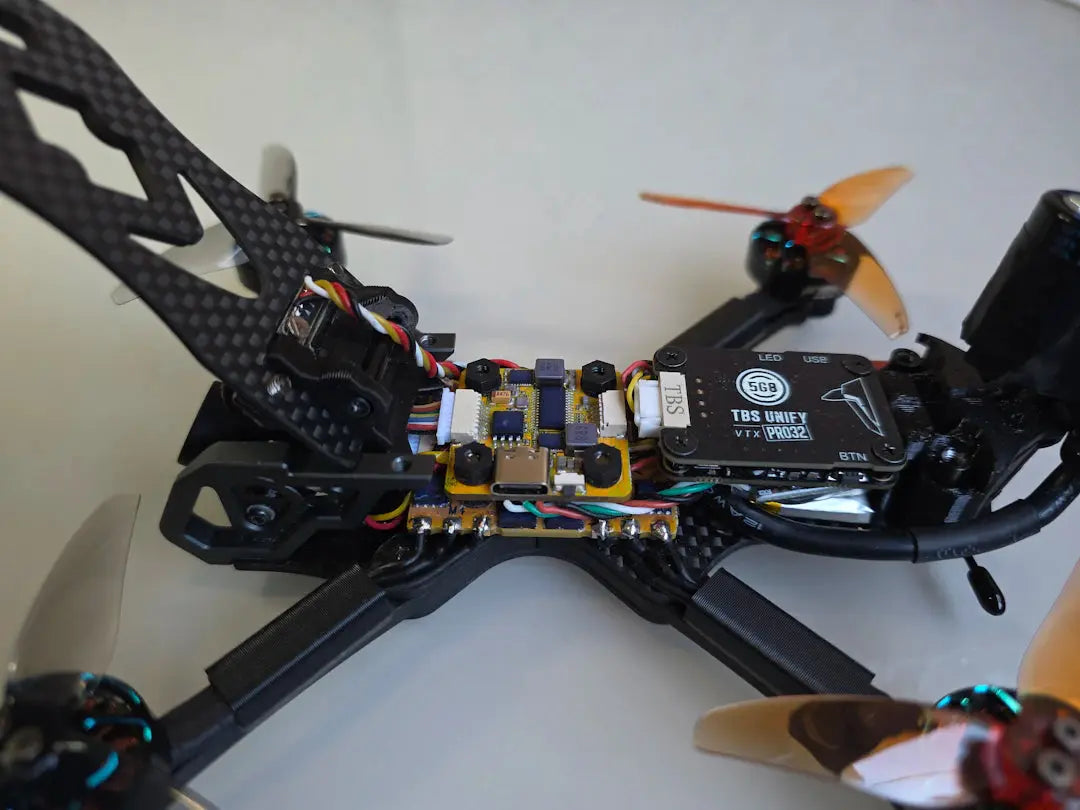
- FPV Drones: First-Person View (FPV) drones provide a real-time video feed to the pilot, creating an immersive flying experience. These are commonly used for drone racing.
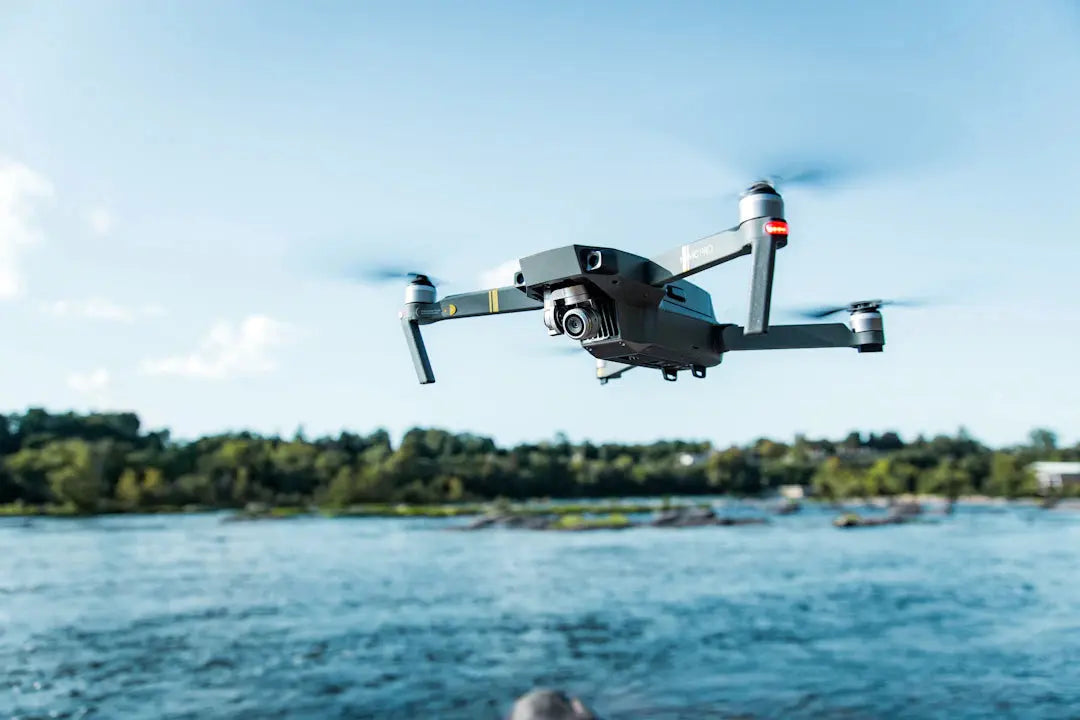
- Camera Drones: Many recreational drones come with built-in cameras, perfect for aerial photography and capturing stunning landscapes.
2. Commercial Drones
Commercial drones are utilized in various industries, including agriculture, real estate, and film-making. They have advanced features and capabilities that make them suitable for professional usage.
- Agricultural Drones: Used for monitoring crops, these drones provide farmers with real-time data to enhance crop management and yield.
- Surveying Drones: Equipped with high-resolution cameras, these drones help in land surveying and mapping tasks.
3. Industrial Drones
Industrial drones are primarily used for complex tasks in sectors like construction, mining, and logistics. They often require a license to operate and come with specialized technology.
- Inspection Drones: Ideal for inspecting infrastructure like bridges and pipelines, these drones can capture high-quality footage and identify potential issues.
- Delivery Drones: Emerging as a revolutionary means for logistics, delivery drones can transport packages quickly and efficiently.
Commercial Drones: An In-Depth Look
Commercial drones represent a significant portion of the growing drone market. With a variety of applications, they are equipped with advanced features to fulfill professional requirements.
| Drone Type | Applications | Key Features |
|---|---|---|
| Aerial Photography Drones | Photography, Filmmaking | High-resolution cameras, Stabilization technology |
| Agricultural Drones | Crop Monitoring, Plant Health Analysis | Multispectral cameras, GPS technology |
| Inspection Drones | Infrastructure Monitoring | Thermal imaging, Long flight times |
| Surveying Drones | Mapping, Land Surveying | Lidar technology, Geographical mapping software |
The Role of Drones in Various Industries
Drones have found practical applications across many sectors, offering innovative solutions that enhance efficiency and capabilities. Here’s a closer look:
Agriculture
Agricultural drones are revolutionizing farming practices. They can efficiently survey large areas, deliver crop health data, and even plant seeds. The integration of technologies such as the HOVERAir X1 PROMAX enables farmers to analyze their crops’ health, potentially reducing time and costs associated with traditional methods.
Construction
In construction, drones are employed for site surveying and progress monitoring. With the aid of aerial photography, project managers can maintain an accurate overview of project timelines and discover any discrepancies early.
Media and Entertainment
Drone technology has taken the film industry by storm. High-quality aerial shots can now be achieved at a fraction of the cost and time compared to conventional methods. Cinematographers rely on top commercial drone cameras to create breathtaking visuals.
Law Enforcement and Emergency Services
Drones are increasingly used by law enforcement agencies for surveillance, traffic monitoring, and crowd control. In emergencies, drones can deliver essential supplies and provide real-time updates from aerial views, enhancing disaster response strategies.
Choosing the Right Drone for Your Needs
With so many options available, selecting the right drone can be overwhelming. Below are some critical factors to consider when making your choice:
- Purpose: Clearly define why you need a drone—recreational usage or professional purposes can guide your decision.
- Camera Quality: If you need high-quality visuals, consider drones with top commercial drone cameras; these cameras offer advanced features including stabilization and high resolution.
- Flight Time: Look for drones with longer flight times if you plan on extensive use or complex missions.
- Budget: Determine how much you are willing to invest; prices can vary significantly based on features and capabilities.
- Regulations: Familiarize yourself with local laws and regulations regarding drone use in your area to avoid legal issues.
The Future of Drone Technology
The future of drone technology looks bright with constant innovations and advancements. Here are some trends to watch:
- AI Integration: Artificial Intelligence is becoming integral in drone functionalities, improving decision-making algorithms and autonomous capabilities.
- Increased Regulations: With the rapid proliferation of drones, governments will likely impose stricter regulations to ensure public safety.
- Advanced Sensors: Future drones will feature enhanced sensors for better data collection, improving their applicability in various fields such as agriculture and construction.
Take Off Into the Sky
Understanding the different types of drones and their applications opens up a world of possibilities, whether for personal enjoyment or professional use. The increasing accessibility and advancements in drone technology make it an exciting time for enthusiasts and businesses alike. By considering your specific needs and staying informed about industry trends, you can select the perfect drone and take your aerial adventures to new heights. Whether you're capturing breathtaking footage or monitoring your farmland, the right drone will not only expand your horizons but will also enhance the quality and efficiency of your operations. So, gear up and get ready to soar through the skies!
Key Takeaways
- Drones Types: Key categories include recreational, commercial, and industrial drones, each designed for specific tasks.
- Recreational Drones: Ideal for hobbyists, featuring easy operation and options like FPV and camera drones for photography and racing.
- Commercial Drones: Used in industries like agriculture and film-making, equipped with advanced features for professional applications.
- Industrial Drones: Designed for complex tasks in construction and logistics, often requiring licensing and specialized technology.
- Choosing the Right Drone: Consider purpose, camera quality, flight time, budget, and local regulations when selecting a drone.
- Future Trends: Watch for AI integration, stricter regulations, and advanced sensors enhancing drone capabilities.
- Applications Across Industries: Drones are transforming agriculture, construction, media, and emergency services with innovative solutions.
Pros and Cons
| Advantages of Drones | Drawbacks of Drones |
|---|---|
| Versatile applications across various industries. | Regulations can limit where and how drones can be used. |
| Enhanced efficiency in tasks like surveying and monitoring. | Higher-end models can be expensive to purchase and maintain. |
| Ability to capture high-quality aerial footage. | Requires knowledge and skill to operate effectively. |
| Integration of advanced technologies like AI and sensors. | Potential privacy concerns with surveillance capabilities. |
| Improves data collection in agriculture and construction. | Limited flight time can hinder extensive operations. |
Linked Product

HOVERAir X1 PROMAX 8K Flying Camera Drone
The HOVERAir X1 PROMAX 8K Flying Camera Drone offers high-definition video capture with an impressive 8K resolution and 14MP still photo capabilities, making it ideal for both professional and recreational use. With features like automated flight modes and advanced stabilization, users can easily capture dynamic shots while enjoying up to 16 minutes of flight time. Its compact, foldable design and OmniTerrain capability ensure that you can take it on any adventure, capturing stunning footage in various environments.
View ProductWho It's For (And Not For)
Who It's For
- Hobbyists: If you enjoy flying for fun or capturing aerial photos, recreational drones are perfect for you.
- Professionals: Those in fields like photography, agriculture, or construction can benefit from commercial and industrial drones that offer advanced features.
- Tech Enthusiasts: If you love exploring new technologies and innovations, the evolving drone market will keep you engaged.
- Outdoor Adventurers: If you seek new ways to explore nature or document your adventures, drones can enhance your experience.
Who It's Not For
- Casual Users: If you are not interested in learning how to operate a drone or don’t have specific use cases, a drone may not be necessary.
- Budget-Conscious Individuals: Those unwilling to invest in the initial purchase and potential maintenance costs may find drones too expensive.
- People with No Interest in Technology: If you prefer traditional methods of photography or data collection, drones may not appeal to you.
- Individuals in Restricted Areas: If you live in areas with strict regulations on drone usage, it may not be feasible to own or operate one.
Frequently Asked Questions
1. What are the main categories of drones?
2. What are recreational drones used for?
3. What features do commercial drones offer?
4. How are drones being used in agriculture?
5. What should I consider when choosing a drone?
Glossary
| Term | Meaning |
|---|---|
| Drones | Unmanned aerial vehicles (UAVs) that can fly autonomously or be remotely piloted. |
| Recreational Drones | Drones designed for hobbyists, typically easy to operate and for casual use. |
| FPV Drones | First-Person View drones that provide real-time video feed to the pilot. |
| Commercial Drones | Drones used in industries for professional tasks like filming and surveying. |
| Agricultural Drones | Drones used for monitoring crops and providing data to enhance farming practices. |
| Inspection Drones | Drones designed for inspecting infrastructure, capturing high-quality footage. |
| Delivery Drones | Drones that transport packages quickly and efficiently for logistics purposes. |
| Camera Drones | Drones equipped with cameras for aerial photography and videography. |
| Flight Time | The duration a drone can stay airborne on a single charge or fuel. |
| AI Integration | Incorporation of artificial intelligence to enhance drone functionalities. |