The Role of Drones in Environmental Conservation
Overview
Drones are revolutionizing environmental conservation by providing innovative solutions in wildlife monitoring, ecosystem assessment, precision agriculture, and reforestation. They offer advantages like minimal environmental impact, efficient data collection, and advanced technologies such as thermal imaging and AI integration. Despite challenges like regulatory issues and public skepticism, the future of drones in conservation is promising, with the potential to significantly enhance efforts for a healthier planet.
Table of Contents
- Understanding Drones: Types and Technologies
- The Contribution of Aerial Drones in Conservation
- Wildlife Monitoring and Protection
- Ecosystem Assessment
- Enhancing Conservation Efforts with Agriculture Drones
- Precision Agriculture
- Drone Usage in Reforestation Initiatives
- Seed Planting with Drones
- Improving Research and Data Collection
- Utilizing Advanced Sensor Technology
- Challenges Faced in Drone Utilization
- Regulatory Frameworks
- Public Perception and Awareness
- A Bright Future for Drones in Environmental Conservation
- Integration of Artificial Intelligence
- Maximizing Your Impact Through Drones
Drones have emerged as transformative tools in various sectors, including agriculture, wildlife monitoring, and environmental conservation. As technology continuously evolves, more innovations are designed to tackle pressing environmental issues. This article delves into how drones play a pivotal role in environmental conservation, examining their multifaceted applications, benefits, and future perspectives.
Understanding Drones: Types and Technologies
Before exploring their environmental significance, let’s clarify the different types of drones used in conservation efforts:
- Aerial Drones: These are your typical flying drones equipped with cameras and sensors for aerial surveillance and data collection.
- Underwater Drones: These drones are specifically designed for underwater exploration and monitoring, such as tracking marine life and assessing aquatic ecosystems. You can find various underwater drones for sale to support conservation efforts.
- Fixed-Wing Drones: Ideal for covering larger areas, fixed-wing drones can fly longer distances, making them suitable for extensive land monitoring.
The Contribution of Aerial Drones in Conservation
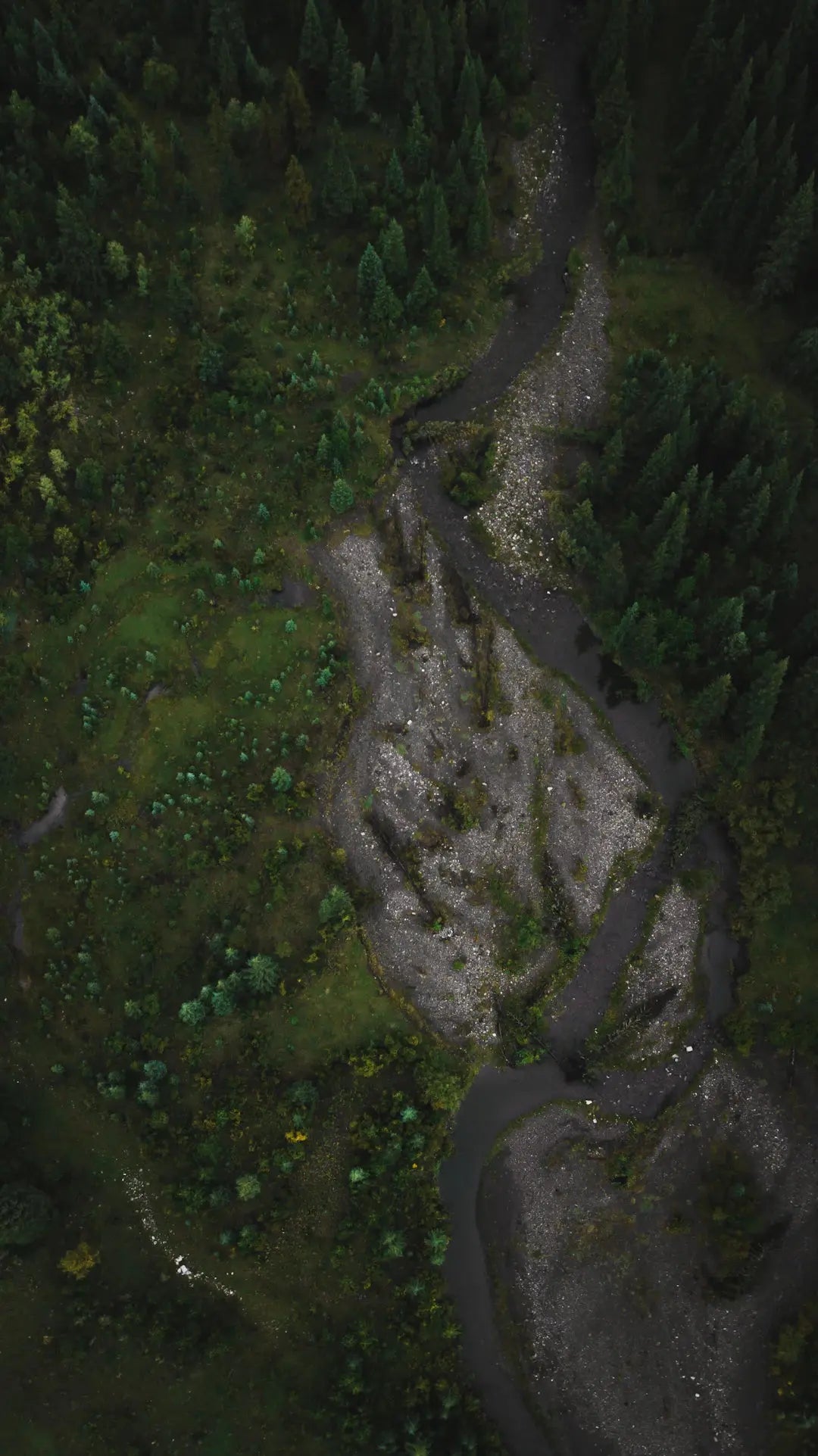
Aerial drones are widely used in conservation for monitoring ecosystems, wildlife, and habitats. They provide a bird's-eye view of vast areas, making it easier for conservationists to assess challenges and implement strategies effectively.
Wildlife Monitoring and Protection
One of the most significant contributions of aerial drones is wildlife monitoring. Traditional monitoring methods can be invasive, disturbing animals in their natural habitats. Conversely, drones minimize human impact while collecting data needed for:
- Tracking rare and endangered species
- Assessing animal behavior
- Counting populations accurately
Due to their stealthy flying capabilities, drones can capture high-resolution images and recordings without stressing the wildlife, allowing researchers to gather vital data for informed conservation decisions.
Ecosystem Assessment
Environmental conservation often requires extensive data on ecosystems. Aerial drones can capture HD imagery and collect data on terrain topography, plant health, and overall biodiversity. This information is crucial for identifying areas that are undergoing significant changes due to climate change or human impact.
Enhancing Conservation Efforts with Agriculture Drones
Agriculture drones have evolved into useful assets in environmental conservation. They can assist in sustainable farming practices which directly contribute to ecosystem health.
Precision Agriculture
By employing agriculture drones, farmers can monitor crop health and optimize resource usage. This reduces environmental impacts by:
- Minimizing pesticide and fertilizer usage through precise application.
- Reducing water consumption by identifying areas of moisture retention and dryness.
- Encouraging biodiversity by allowing farmers to create more sustainable, diverse ecosystems.
Through precision agriculture methods, farmers can maintain productivity while conserving resources, which ultimately benefits the environment.
Drone Usage in Reforestation Initiatives
Reforestation is another critical area that has benefitted from drone technology. Drones can effectively assist in planting trees, monitoring growth, and even checking the health of existing forests.
Seed Planting with Drones
Innovations in drone technology now allow for drones equipped with seed dispersal systems to plant trees in hard-to-reach areas. This method is not only faster than traditional planting but also provides:
- An efficient way to restore deforested regions
- A practical solution to combat climate change
- A means to establish new habitats for wildlife
Improving Research and Data Collection
Drones facilitate a more efficient and effective approach to research. They can collect vast amounts of data that would be challenging to gather through traditional methods.
Utilizing Advanced Sensor Technology
Modern drones are equipped with advanced sensors that can capture vital environmental data:
- Thermal Imaging: For monitoring wildlife heat patterns.
- Multispectral Imagery: Useful for assessing vegetation health and biodiversity.
- Lidar: For precise topographical mapping and analyzing forest structure.
This data can be used to model and predict environmental changes, making it invaluable for researchers and conservationists alike.
Challenges Faced in Drone Utilization
While drones provide numerous advantages, there are challenges that must be addressed to optimize their effectiveness in conservation efforts.
Regulatory Frameworks
The integration of drones in conservation is often hindered by stringent regulatory frameworks. Managing airspace and ensuring public safety are key concerns that can complicate drone usage for conservation efforts.
Public Perception and Awareness
Many people are still unaware of how beneficial drones can be for conservation, leading to skepticism and resistance. Building awareness and illustrating the positive impacts of drones in conservation is crucial for wider acceptance.
A Bright Future for Drones in Environmental Conservation
The future of drones in environmental conservation looks promising. As technology advances, we can expect enhanced capabilities and expanded applications that can significantly bolster conservation efforts.
Integration of Artificial Intelligence
The integration of artificial intelligence (AI) in drones holds incredible potential. AI can enhance data analysis, enabling quicker and more efficient assessments of environments. This includes:
- A faster identification of environmental threats
- Predictive analytics for species population changes
- Real-time monitoring of environmental health
Maximizing Your Impact Through Drones
Understanding the myriad roles drones play in environmental conservation allows organizations and individuals to leverage this technology effectively. Whether through using agriculture drones to foster better farming practices or employing underwater drones to study and conserve ocean ecosystems, the potential is vast. Each drone operation can contribute to a healthier planet, making a positive impact for future generations.
Ultimately, adopting drone technology in conservation efforts signifies a proactive stance toward protecting our natural world. By embracing innovation, we not only enhance our environmentally focused endeavors but also ensure that we leave a lasting legacy of sustainability.
Linked Product

ABZ Innovation L30 Agriculture Drone - Full Ready to Fly Kit
The ABZ Innovation L30 Agriculture Drone is designed for medium to larger farms, capable of efficiently spraying up to 21 hectares in just one hour. Equipped with a Controlled Droplet Application (CDA) system, it ensures precise substance delivery while minimizing waste, making it suitable for a variety of agricultural applications. The included 50L spreader system enhances versatility, allowing for effective distribution of seeds and granules, contributing to sustainable farming practices.
View ProductKey Takeaways
- Drones are revolutionizing environmental conservation by providing innovative solutions for monitoring ecosystems, wildlife, and habitats.
- Aerial drones offer a non-invasive method for wildlife monitoring, allowing researchers to track endangered species and assess animal behavior without disturbing their natural habitats.
- Agriculture drones promote sustainable farming practices by optimizing resource usage, which minimizes environmental impacts and encourages biodiversity.
- Drones assist in reforestation efforts by enabling efficient seed planting in hard-to-reach areas, helping to restore deforested regions and combat climate change.
- Advanced sensor technology in modern drones, such as thermal imaging and multispectral imagery, enhances data collection for environmental research and monitoring.
- Regulatory challenges and public perception issues can hinder the effective use of drones in conservation, highlighting the need for increased awareness and supportive policies.
- The future of drone technology in conservation is bright, with potential advancements in AI integration for faster data analysis and real-time environmental monitoring.
Pros and Cons
| Advantages of Drones in Conservation | Drawbacks of Drones in Conservation |
|---|---|
| Minimizes human impact on wildlife during monitoring. | Regulatory frameworks can complicate drone usage. |
| Enhances data collection with advanced sensors. | Public skepticism may hinder wider adoption. |
| Facilitates precision agriculture, reducing resource usage. | Initial costs and technology learning curve can be high. |
| Efficient tree planting in hard-to-reach areas. | Dependence on technology may limit traditional methods. |
| Improves monitoring of ecosystems and biodiversity. | Potential privacy concerns among the public. |
Who It's For (And Not For)
Who It's For
- Environmental Organizations: Groups focused on wildlife protection and ecosystem monitoring will find drones invaluable for data collection and analysis.
- Agricultural Professionals: Farmers looking to implement sustainable practices can benefit from agriculture drones to optimize resource usage and enhance biodiversity.
- Researchers and Conservationists: Those who need efficient data gathering methods for environmental studies will appreciate the advanced sensors and capabilities of modern drones.
- Tech Enthusiasts: Individuals interested in the latest technology and its applications in conservation will enjoy exploring drone innovations.
Who It's Not For
- Individuals Uninterested in Technology: Those who prefer traditional methods of conservation may not see the value in adopting drone technology.
- People with Limited Access to Resources: Organizations or individuals lacking funding or infrastructure to support drone operations may find it challenging to utilize this technology.
- Regulatory Compliance Skeptics: Those who are hesitant to navigate the complex regulatory frameworks surrounding drone usage may be discouraged from pursuing this option.
- Conservationists Opposed to Modern Methods: Individuals who prioritize low-tech approaches may resist integrating drones into their conservation strategies.
Frequently Asked Questions
1. What are the different types of drones used in environmental conservation?
2. How do aerial drones contribute to wildlife monitoring and protection?
3. What role do agriculture drones play in environmental conservation?
4. How are drones utilized in reforestation initiatives?
5. What challenges do conservationists face when using drones?
Glossary
| Term | Meaning |
|---|---|
| Aerial Drones | Drones for aerial surveillance and data collection. |
| Underwater Drones | Drones designed for exploring and monitoring aquatic environments. |
| Fixed-Wing Drones | Drones that can cover large areas and fly longer distances. |
| Precision Agriculture | Farming practices that optimize resource use and minimize waste. |
| Seed Dispersal | Drone technology used to plant seeds in hard-to-reach areas. |
| Thermal Imaging | Technology for monitoring heat patterns in wildlife. |
| Multispectral Imagery | Data for assessing vegetation health and biodiversity. |
| Lidar | Technology for precise mapping and analyzing forest structures. |
| AI Integration | Using artificial intelligence to enhance data analysis in drones. |
| Regulatory Frameworks | Rules governing the use of drones in conservation efforts. |