Find Your Perfect Drone: A Complete Buyer’s Guide
Overview
Drones have evolved from a hobby to a mainstream tool for photography, racing, and commercial use. This guide covers key drone types—photography, racing, multi-rotor, fixed-wing, and hybrid—along with essential specifications and features to consider before purchasing. Understanding your needs, budget, and experience level is crucial in choosing the right drone. Stay updated on regulations and engage with the drone community to enhance your flying experience.
Table of Contents
- The Revolutionary Drone Landscape
- Types of Drones You Need to Know
- 1. Photography and Videography Drones
- 2. Racing Drones
- 3. Multi-Rotor Drones
- 4. Fixed-Wing Drones
- 5. Hybrid Drones
- Understanding Drone Specifications: What Matters?
- Understanding Your Needs
- Key Features to Consider
- Camera Quality
- Flight Time
- GPS and Stability
- Battery Life and Charging Options
- Picking Your Perfect Drone
- Stay Updated with Regulations
- Join the Drone Community
- Let Your Adventure Take Flight!
Drones have rapidly transformed from a niche hobby into a mainstream phenomenon, catering to various needs including photography, racing, and commercial applications. For those contemplating diving into the world of flying robots, it’s crucial to understand the different types of drones available. This comprehensive guide will help you navigate through the options, highlighting the key characteristics, uses, and benefits of each type. Whether you’re a beginner looking for your first drone, an enthusiast, or a professional seeking specific features, we’ll help you find the right choice.
The Revolutionary Drone Landscape
With the rapid advancement in technology, drones have become extremely versatile tools. They differ significantly in terms of design, functionality, and purpose. Knowing how to choose the right drone can be overwhelming, but with a few basic insights, you’ll be well-equipped to make an informed decision.
Types of Drones You Need to Know
Drones can be categorized based on several factors such as their flight capability, design, and purpose. Let’s explore the major types available on the market.
1. Photography and Videography Drones
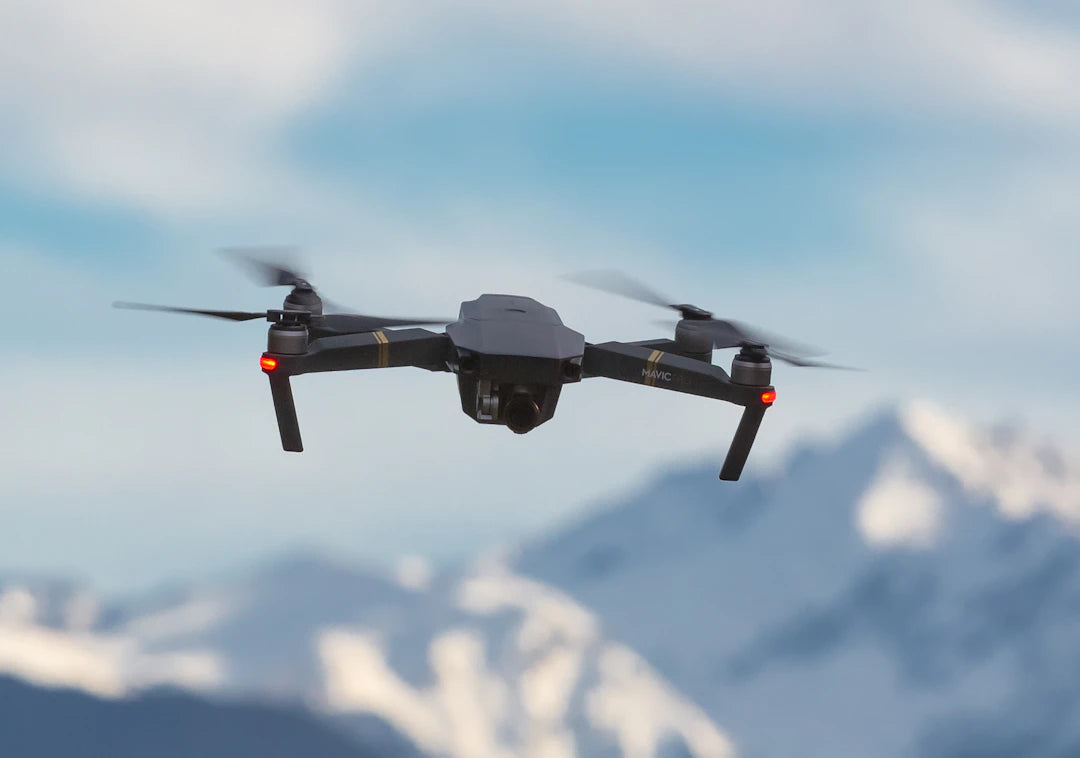
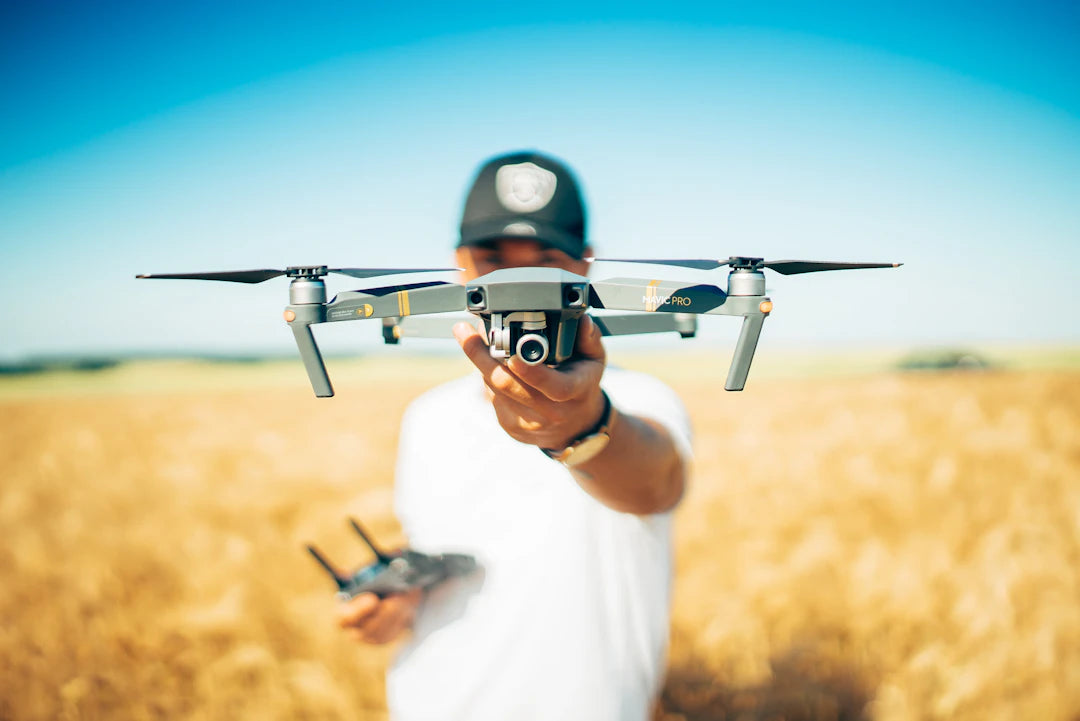
These drones are designed specifically for capturing stunning aerial images and videos. They usually support high-resolution cameras, with many featuring 4K capabilities for professional-quality footage. DJI drones are among the most popular in this category, known for their exceptional camera technology and user-friendly features.
- Key Features: High-quality camera, GPS stabilization, and automated flight modes.
- Best For: Aerial photographers, filmmakers, and hobbyists.
2. Racing Drones
Built for speed and agility, racing drones are specially designed for competitive flying. These drones are more lightweight and have advanced features that allow for quick maneuvers and superior control.
- Key Features: Lightweight frame, high-speed motors, and customizable parts.
- Best For: Racing enthusiasts and those looking for thrilling aerial performances.
3. Multi-Rotor Drones
Multi-rotor drones are the most common type, featuring four or more rotors that allow for stable flight. They are versatile and commonly used in various applications, including agriculture, surveying, and emergency services.
4. Fixed-Wing Drones
Unlike multi-rotor drones that hover, fixed-wing drones are designed for long-distance flight and cover more ground quickly. This makes them ideal for surveying large areas and certain commercial applications.
5. Hybrid Drones
Combining the capabilities of fixed-wing and multi-rotor drones, hybrid drones offer the benefit of vertical take-off and landing (VTOL) with long-distance coverage. These drones are often utilized in professional and industrial sectors.
Understanding Drone Specifications: What Matters?
When choosing a drone, it's essential to understand several key specifications that affect performance and usability. Here’s a handy table that summarizes these specifications against various drone types.
| Drone Type | Camera Quality | Flight Time | Range | Weight |
|---|---|---|---|---|
| Photography & Videography | 4K or better | 20-30 min | 5km+ | 1-2.5 kg |
| Racing | No camera or low quality | 5-10 min | 1km+ | 0.5-1.5 kg |
| Multi-Rotor | Varies | 10-25 min | 2-5 km | 1-3 kg |
| Fixed-Wing | Varies, usually high | 60+ min | 10 km+ | 2-5 kg |
| Hybrid | 4K or better | 30-60 min | 5-15 km | 2-6 kg |
Understanding Your Needs
Before making a decision, consider the following factors to determine which drone fits your needs the best:
- Purpose: Are you flying for recreational purposes, professional photography, or commercial use?
- Budget: What is your budget range? Drones are available from economical models to high-end professional ones.
- Experience Level: Are you a beginner or have prior flying experience? This may influence the complexity of the drone you choose.
Key Features to Consider
To ensure that you’re investing in the right drone, here are some additional features to pay attention to:
Camera Quality
If aerial photography is your main focus, look for drones that offer a 4K camera. This will give you pristine images and videos, ensuring that your visual content is top-notch.
Flight Time
Generally, drone flight time ranges from 5 to 60 minutes, depending on the model. If you plan on taking extensive footage, seek out drones with longer flight durations.
GPS and Stability
GPS stabilization is crucial for both beginners and seasoned pilots. This feature helps to maintain the drone’s positioning in the air, making for smoother and more controlled flight.
Battery Life and Charging Options
Besides flight time, consider the battery life and how long it takes to charge. Extra batteries can be a worthwhile investment for extended flying sessions.
Picking Your Perfect Drone
Now that you’re armed with valuable information, it’s time to pick your perfect drone! Here are some tips for making your final decision:
- Research: Read reviews and compare different models from trusted sources.
- Test Flights: If possible, try before you buy or visit a shop where you can see the drones in action.
- Ask for Expert Help: Don’t hesitate to reach out to professionals or locals in the drone community for insights.
Stay Updated with Regulations
It’s essential to remain compliant with local regulations when flying a drone. Different locations have varying rules regarding flight altitude, no-fly zones, and registration requirements. Familiarize yourself with drone flying laws in your area to ensure a responsible flying experience.
Join the Drone Community
Being part of the drone community can enhance your flying experience. Engaging with other enthusiasts allows you to share tips, learn about new technologies, and access invaluable resources. Consider joining online forums, attending drone events, or participating in local clubs.
Let Your Adventure Take Flight!
Choosing the right drone can open up a world of possibilities, whether for personal enjoyment or professional use. Understanding the types of drones, their specifications, and features can significantly impact your flying experience. Embrace the adventure, and don’t forget to invest time in honing your skills and engaging with the community. Explore at Dronez Technologies to find the perfect drone to elevate your flying experiences!
Key Takeaways
- Drones have evolved into versatile tools for various applications, including photography, racing, and commercial use.
- Key types of drones include: Photography and videography drones, racing drones, multi-rotor drones, fixed-wing drones, and hybrid drones.
- Camera quality and flight time are crucial specifications to consider when selecting a drone.
- Understanding your purpose and budget is essential for choosing the right drone for your needs.
- GPS stabilization enhances flight control, making it beneficial for both beginners and experienced pilots.
- Stay informed about local regulations to ensure compliance while flying your drone.
- Engaging with the drone community can provide valuable insights and enhance your flying experience.
Pros and Cons
| Advantages of Drones | Drawbacks of Drones |
|---|---|
| Versatile applications for photography, racing, and commercial use. | Can be overwhelming to choose the right type due to variety. |
| High-quality camera options available for professional-grade content. | Initial investment can be high, especially for advanced models. |
| Advanced features like GPS stabilization enhance flying experience. | Regulations and restrictions can limit where you can fly. |
| Community support and resources available for enthusiasts. | Learning curve for beginners may require time and practice. |
| Improved battery life and flight times in modern models. | Maintenance and potential repairs can incur additional costs. |
Linked Product

DJI Mini 4 Pro, an all-in-one mini aerial camera from DJI, is an entry-level drone that intelligently follows panoramic shooting
The DJI Mini 4 Pro is an entry-level drone designed for users looking to capture aerial photography with its 48 million pixel camera. It features intelligent follow modes for panoramic shooting and offers a maximum flight altitude of over 120 meters. With a battery life of 34 minutes and a transmission distance of 20km, it provides ample opportunity for exploration and creative photography.
View ProductWho It's For (And Not For)
Who It's For
- Aerial Photographers and Filmmakers: If capturing high-quality images and videos is your goal, photography and videography drones are designed specifically for you.
- Racing Enthusiasts: For those who crave speed and agility, racing drones provide the thrill and competition you seek.
- Professionals in Commercial Applications: If your work involves surveying, agriculture, or emergency services, multi-rotor or fixed-wing drones are ideal for your needs.
- Beginners: If you're new to flying, there are user-friendly drones available that cater to your experience level.
Who It's Not For
- Casual Users: If you only need a drone for occasional, simple use without advanced features, investing in a high-end model may not be necessary.
- Those Uninterested in Learning: If you prefer not to engage in learning how to operate a drone or understand its features, you might find the hobby frustrating.
- Individuals on a Tight Budget: High-quality drones can be expensive; if you're not willing to invest, you may want to reconsider.
- People Living in Restricted Areas: If you reside in a location with strict drone regulations or no-fly zones, flying a drone may not be feasible for you.
Frequently Asked Questions
1. What are the main types of drones?
2. What should I consider when choosing a drone?
3. What is the flight time for different types of drones?
4. Why is camera quality important for drones?
5. How can I stay updated on drone regulations?
Glossary
| Term | Meaning |
|---|---|
| Drones | Unmanned aerial vehicles used for various purposes. |
| Photography Drones | Drones designed for capturing high-quality images and videos. |
| Racing Drones | Lightweight drones built for speed and competitive flying. |
| Multi-Rotor Drones | Drones with multiple rotors for stable flight and versatility. |
| Fixed-Wing Drones | Drones designed for long-distance flight, covering more ground. |
| Hybrid Drones | Drones combining features of multi-rotor and fixed-wing designs. |
| GPS Stabilization | Technology that maintains a drone's position in the air. |
| Flight Time | The duration a drone can stay airborne on a single charge. |
| Battery Life | The lifespan of a drone's battery before needing a recharge. |
| Drone Community | A network of enthusiasts sharing tips and experiences. |